文章内容
我的观影小本子里,住着一百部电影
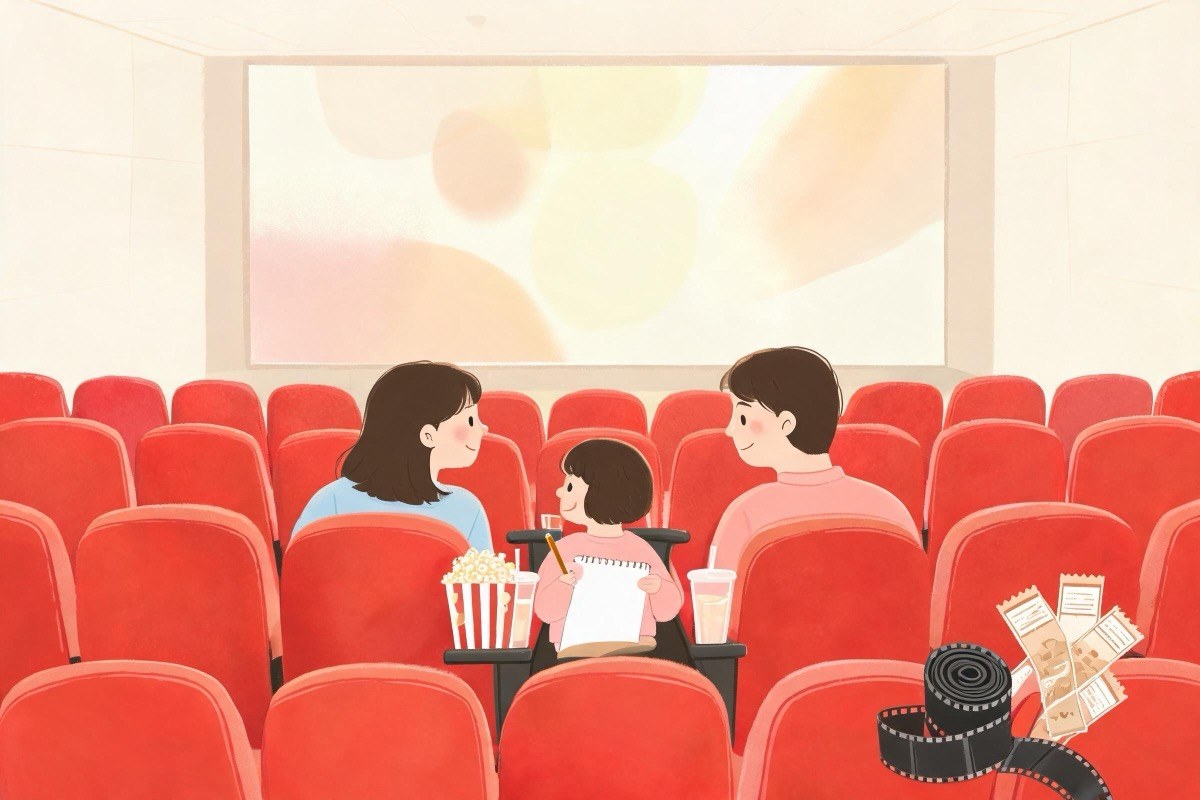
看电影之前,我在茶几上放一个蓝皮本子。本子第一页写着我的名字,第二页画了一条歪歪扭扭的线,线左边写日期,右边写片名。三年级的时候,我只会在片名后面写两个字:好看。四年级,我开始在好看后面加一句,好看在哪里。
上个星期六,我们全家看那部讲父女的片子。看到一半,那个父亲蹲在火车站的长椅边,从兜里掏出一把零钱,数了一遍,又数一遍,一共数了四遍,然后把钱压在玻璃板底下。我按了暂停,在本子上写:他数了四遍钱。我妈从厨房出来,说看个电影怎么还按暂停。我说,这个地方不能漏。
本子越写越厚。我慢慢摸出了自己的规矩:不记剧情,只记心里一动的地方。谁的一句话,谁的背影,哪个镜头让我鼻子一酸,就记哪个。售票员把票递过去,顺手让盲人乘客摸票面上的凸点,我记。卖包子的老板娘多塞给小男孩一个包子,嘴上还凶,说下回早点来,我也记。记完我在旁边画一颗小星星,表示这一条我特别喜欢。
后来我把本子里最要紧的几条抄到卡片上。卡片是从旧挂历上裁的,一张写一个地方:时间、片子、我看到的细节。一开始我以为是给电影打分,后来才明白,我是在攒东西。我妈翻我的本子,说,你这些卡片摆一摆,就是一篇东西了。我试了一张,从那个父亲数了四遍钱写起,写他为什么要把钱压在玻璃板底下,写他女儿后来在异乡的出租屋里也压了一张钱。那天我一口气写了四百多字,写完自己吓了一跳。
老师说过,看电影要带着脑子。我以前不懂,以为带着脑子就是把剧情记住,考问的时候答得上来。现在我觉得,带着脑子是让电影里的某个地方住进你心里,然后你替它接着往下活。卡片盒里现在攒了二十多张。上周末表妹来,翻出一张,念出声:他数了四遍钱。她问,这是谁呀。我说,是一个电影里的父亲,他在我本子里住了半年了。
我现在看电影,还是会在片名后面写好看或者不好看。但写完会停一下,看看有没有哪个镜头值得我把它记下来。要是有,我就倒回去再看一遍,再看一遍,直到把它看清楚,再稳稳地记进本子里。电影和作文之间,原来只隔着一个本子的距离。重要的不是我看了多少部电影,而是有没有一部,真的在我心里住过。
A Hundred Movies Live in My Viewing Notebook
Before watching a movie, I put a blue notebook on the coffee table. My name is on the first page, and on the second page I drew a crooked line, with dates on the left and film titles on the right. In Grade Three I could only write two words after a title: good. In Grade Four I started adding one more line after the word good, saying where the good was.
Last Saturday our whole family watched that film about a father and his daughter. Halfway through, the father squatted beside a bench at the station, took loose coins from his pocket, counted them once, then again, four times in all, and pressed the money under a glass plate. I pressed pause and wrote in the notebook: he counted the money four times. My mother came out of the kitchen and asked why I kept pausing a movie. I said this part must not be missed.
The notebook grew thicker. Little by little I made my own rule: do not record the plot, only record the places where my heart moved. A line someone said, the back of someone, any shot that stung my nose, I wrote it down. The ticket clerk handed over a ticket and let a blind passenger feel the raised dots on it, I wrote that. The woman at the bun stall slipped one more bun to a small boy while pretending to scold him, come earlier next time, I wrote that too. After each entry I drew a little star, meaning I loved that one.
Later I copied the most important entries onto cards cut from an old wall calendar, one place per card: the time, the film, the detail I saw. At first I thought I was grading movies. Only later did I understand that I was saving things up. My mother leafed through the notebook and said, lay these cards out and you already have a piece of writing. I tried one, starting from the father who counted the money four times, writing why he pressed it under the glass, writing how his daughter years later pressed a bill under the table of a rented room in a faraway city. That day I wrote over four hundred characters in one sitting and startled myself.
A teacher once said to watch movies with your brain. I did not understand then; I thought it meant remembering the plot so you could answer when questioned. Now I think it means letting one place in a film move into your heart, and then going on living for it. My card box holds more than twenty cards now. Last weekend my little cousin found one and read it aloud: he counted the money four times. She asked, who is this. I said, a father from a movie, and he has lived in my notebook for half a year.
I still write good or bad after a film title. But then I pause and see whether any shot is worth recording. If one is, I rewind and watch it again, and again, until I see it clearly, and only then write it steadily into the notebook. Between a movie and a piece of writing there was only the distance of one notebook all along. What matters is not how many films I have watched, but whether at least one truly lived inside me.
摘抄本里的那句话,后来长成了我的想法
我的摘抄本是从三年级开始攒的。那时候老师布置摘抄作业,我就从电影里挑短的话抄,专挑短的,因为抄得快。本子里全是好看的话,可它们跟我没有关系,抄完就睡,第二天全忘。
改变是从去年冬天开始的。那天看一部老片,里面的老船长说,船在港里最安全,可船不是造来停港里的。就这一句,我心里像被人敲了一下。我把它抄下来,还在后面加了一行:我画画比赛不敢报名,我的船是不是也停在港里。那是我第一次在台词后面写自己的事。
从那以后我换了规矩:只抄心里响的话。有的话当时觉得漂亮,抄完就不响,这样的我不抄。有的话过了两天还在耳朵里转,我就把它补进本子,补的时候在日期上画一个圈。本子越圈越多,我干脆用三种笔:黑笔抄台词,蓝笔写我当时的想法,铅笔写我后来想明白的部分。有一句话下面,蓝笔写着我想起奶奶,铅笔写着,原来想念是可以慢慢学会的。
上个单元,我的作文里用了一句摘抄,写那部讲动物的片子,我用了那句,真正要紧的东西,眼睛是看不见的。我在后面接了自己的话:就像我奶奶做的针脚,看不见的那一面,比看得见的那一面还密。老师在那句下面画了波浪线,批了两个字:贴切。我把作文本拿回家,给我妈看。我妈说,你看,电影里的话进了你的脑子,长成了你自己的话。
现在我的摘抄本写到了第三本。第一本全是别人的话,第二本一半是别人的话、一半是我的话,第三本里,有时候我自己的想法比台词还长。同桌问我,摘抄有什么用,考试又不考。我翻开第三本给他看,有一页上面抄着一句,重要的不是跑得多快,是摔倒了还认得方向。下面我的铅笔字写着:上周数学考砸,我在卷子上画了个箭头,指着这道题,对自己说,认得方向,下次再来。
摘抄本放在书架最顺手的那一格。我不再觉得那是给电影做笔记。台词走进来,想法走出去,一进一出之间,我好像也长高了一点点。
The Line in My Quote Notebook Grew Into My Own Thought
My quote notebook started in Grade Three. Back then the teacher assigned copying exercises, so I picked the shortest lines from movies, the shortest, because they were fast to copy. The notebook was full of pretty sentences, but none of them had anything to do with me. I copied, slept, and forgot by morning.
The change began last winter. I watched an old film in which the aged captain says: a ship in harbor is safe, but that is not what ships are built for. Just that one line, and something inside me was knocked. I copied it down and added a line after it: I did not dare sign up for the drawing contest, is my ship sitting in harbor too. That was the first time I wrote my own story after a line of dialogue.
After that I changed the rule: copy only the lines that ring inside me. Some lines look beautiful at the moment but go silent after copying, and I leave those out. Some lines keep turning in my ears two days later, so I add them to the notebook and circle the date when I do. The circles multiplied, so I started using three pens: black for the line, blue for what I thought then, pencil for what I understood later. Under one line, blue ink says it reminded me of my grandmother, and pencil says, so longing is something you can learn slowly.
Last term I used a copied line in my composition. Writing about that animal film, I used the line, what is truly important is invisible to the eye. After it I added my own words: like the stitches my grandmother sews, the side you cannot see is denser than the side you can. The teacher drew a wavy line under it and wrote two words: apt. I brought the exercise book home to show my mother. She said, look, the words from the movie entered your head and grew into words of your own.
My quote notebook has reached its third volume. The first is all in the words of others, the second is half theirs and half mine, and in the third my own thoughts are sometimes longer than the lines I copied. My deskmate asks what copying is good for, since exams do not test it. I open the third volume for him. On one page a line reads, what matters is not how fast you run but whether you still know the direction after you fall. Below it my pencil note says: I bombed the math test last week, and I drew an arrow on the paper pointing at that question, telling myself, know the direction, try again next time.
The notebook sits on the easiest-to-reach shelf. I no longer think of it as taking notes for movies. The line comes in, the thought goes out, and somewhere between the coming and the going, I seem to have grown a little taller.
小提示:上面此文档内容仅展示完整文档里的部分内容, 若需要下载完整文档请 点击免费下载完整文档 。