文章内容
立不起来的鸡蛋,和我重新摆的桌子
科学课那天下着小雨,老师把一枚生鸡蛋放在讲台上,说春分这天鸡蛋能立起来。全班哄笑,我也不信。轮到我上台,我把蛋竖起来,手一松,它晃了两下,倒了。第二次,它只撑了一秒。台下有人喊:别试了,立不起来的。我把蛋放回盘子,耳朵有点热。
放学回家,我把书包一丢,从冰箱里挑了一枚鸡蛋,在饭桌上接着立。还是倒。第三次、第四次,蛋像故意跟我作对,每次都在我屏住呼吸的那一瞬间歪倒。我赌气把蛋丢回冰箱,心想老师骗人,什么春分竖蛋,根本是假的。
妈妈把蛋拿回来,没有直接立,先把饭桌擦了一遍,又把厨房的小圆桌搬过来。她说:你发现没有,饭桌铺了塑料桌布,滑;你刚才挑的这枚蛋,蛋头特别圆。她让我用手指摸蛋壳,圆的这头几乎没有能站稳的地方。我这才想起来,课上我用的也是最大最圆的那枚蛋,别人挑的都是小一点的。
我们换了枚小蛋,在桌面上撒了一小撮盐,把蛋头轻轻按进盐粒里。蛋晃了一下,停住了。我屏住呼吸数到十,它没有倒。妈妈也凑过来看,我们俩像围观一件了不起的事。后来妈妈把盐抖掉,蛋又倒了。她说:你看,它不是自己立起来的,是盐帮它立起来的。刚才失败,也不是你笨,是桌面和蛋在捣乱。
第二天我带回学校那枚小蛋,在讲台上立了八秒。老师点头,台下安静。没有人知道昨晚那撮盐,也没有人知道我先倒过多少次。我把手从蛋上移开的时候,心里想的不是终于立起来了,而是原来倒下去的每一次都在告诉我一件事:有个地方不对,只是我还没看见。
那次失败以后,我做事情的习惯变了。数学题做错,我不再只把答案抄正,而是回到算式里一行一行找,看错在哪一步。英语听写错五个词,我把它们写在纸条上,贴在铅笔盒里,三天后再默一遍。它们都像那枚倒下的蛋,倒下去的位置里藏着原因,找到它,比赢一次更结实。
现在路过水果店,看见鸡蛋码在筐里,我还会想起那个雨天,想起那撮盐。成功让我高兴了一晚上,失败的那次实验却一直留到现在,它教会我的不是怎么立蛋,而是怎么在倒下去之后不急着走开,蹲下来,把原因找出来。
The Egg That Would Not Stand, and the Table I Reset
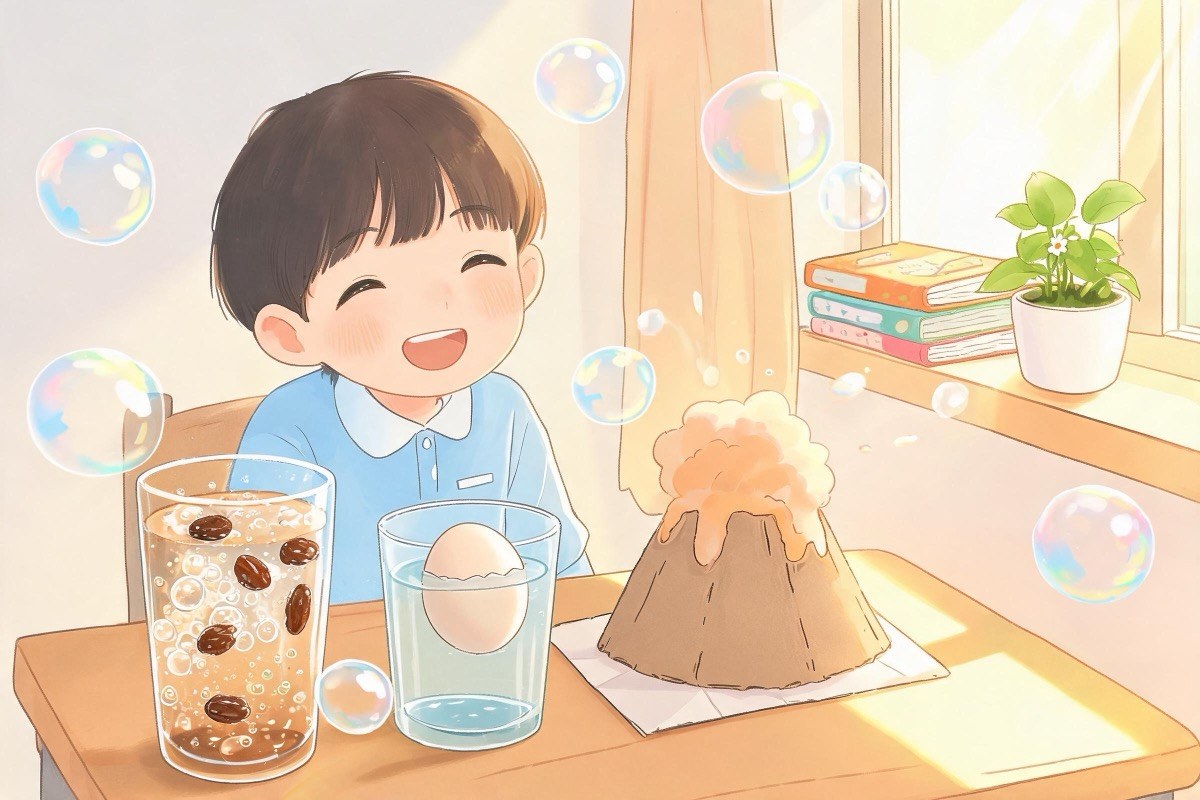
On the day of the science class, it was raining. The teacher put a raw egg on the podium and said an egg could stand up on its end at the spring equinox. The whole class laughed, and I did not believe it either. When my turn came, I set the egg upright, let go with my hands, and it wobbled twice and fell. The second time it lasted only one second. Someone below shouted: stop trying, it cannot stand. I put the egg back on the plate, my ears burning.
After school I dropped my bag by the door, took an egg from the fridge, and kept trying on the dining table. It fell again. Third try, fourth try, the egg seemed determined to defy me, tipping over at the very moment I held my breath. Angrily I tossed it back into the fridge, thinking the teacher had lied, that standing an egg was nothing but a trick.
Mom took the egg back. Instead of standing it, she first wiped the dining table and then carried over the small round table from the kitchen. She said: did you notice? The dining table has a plastic cloth, too slippery; and the egg you picked has an unusually round end. She let me feel the shell with my fingers. The round end had almost no spot to grip. Only then did I remember that in class I had also used the biggest, roundest egg, while others had picked smaller ones.
We switched to a smaller egg, sprinkled a pinch of salt on the table, and pressed the egg gently into the grains. It wobbled, then stopped. I held my breath and counted to ten. It did not fall. Mom leaned in to look, and the two of us stared at it like it was something remarkable. Later she shook off the salt, and the egg fell again. She said: see, it did not stand by itself; the salt stood it up. Your failure earlier was not because you are clumsy. It was the table and the egg causing trouble.
The next day I brought the small egg to school and stood it for eight seconds on the podium. The teacher nodded, and the class went quiet. Nobody knew about the pinch of salt the night before, and nobody knew how many times it had fallen first. When I moved my hands away from the egg, what I thought was not at last I did it, but this: every fall had been telling me one thing. Something somewhere is wrong; I just have not seen it yet.
After that failure, my habits changed. When a math problem went wrong, I no longer copied the correct answer neatly; I went back through the equations line by line to find the step that broke. When I missed five words in a dictation, I wrote them on slips and stuck them inside my pencil case, then wrote them again three days later. They were all like that fallen egg. The place where it fell hides the reason, and finding the reason is sturdier than winning once.
Now when I pass a fruit shop and see eggs stacked in baskets, I still think of that rainy day and that pinch of salt. The success made me happy for one evening. The failed experiment has stayed with me until today. It taught me not how to stand an egg, but how, after it falls, not to walk away in a hurry, to crouch down, and to find the reason out.
那盏没亮的小灯泡
周末的下午,女儿把科学课的实验材料摊了一餐桌:电池盒、小灯泡、灯座、三根带鳄鱼夹的导线。老师布置的任务是让一个小灯泡亮起来。她拼得很快,十分钟就接好了一整条线,然后满怀期待地按下电池盒的卡扣。灯泡没有亮。
她以为是夹子没夹紧,把三个夹子重新夹了一遍,再按。不亮。她开始翻来覆去地摆弄,声音也急了:明明都接上了呀。第三次,她干脆把整个电路推到我面前:爸爸你接,肯定是你教的方法不对。眼圈红了,眼泪在打转。我张了张嘴,把替她接好的冲动咽了回去。
我说:别急着接第二次,我们先当一回侦探。她抹了抹眼睛,不太情愿地坐下。我们从电池开始查。电池装反了没有?没有,正极朝外,对的。电池有电吗?她找来另一台遥控器,把电池塞进去试,遥控器嘀了一声,有电。导线断了吗?我们把三根导线一根一根换到别的接口上试,灯座拧松了没有?拧紧,还是不行。
最后只剩电池盒。我把弹簧那一端翻过来,用手指一按,弹簧瘪下去,半天弹不回来。就是它。弹簧松了,顶不住电池,电路看着接上了,其实中间断着。女儿恍然大悟,跑去厨房翻出备用电池,又找了枚硬币垫在弹簧后面,把电池压紧。她说:这次你退后,我自己来。
她把最后一个鳄鱼夹夹上,手指悬在电池盒上方,不敢按。我说按吧。咔哒一声,灯丝红了,一小团暖黄的光落在她的指尖上。她举着灯座在屋里转圈,喊亮了亮了。那盏小灯泡其实很普通,可在她手里,它比任何一盏灯都亮。
晚上她写实验记录,在失败那一栏里写:第一次不亮,第二次不亮,第三次我哭了。原因:电池盒弹簧松了,电过不去。我站在她背后看,心里有点发酸。她记录的方式,和我小时候完全不一样。我们那代人做砸了实验,只会记住丢脸;她这一代,学会了把丢脸拆开,看看里面装着什么。
后来她遇到麻烦,偶尔会冒出一句我们那天的话:先别急着再来一次,先当侦探。钢琴弹不顺,她不从头硬弹,把卡住的两小节单独拎出来慢练;数学错了一堆,她挑出错得最多的那类题先补。我知道,那盏没亮的小灯泡没有白灭。它教会她的东西,比亮起来那一下多得多。
The Little Bulb That Never Lit Up
On a weekend afternoon, my daughter spread her science class materials all over the dining table: a battery box, a small bulb, a lamp holder, three wires with alligator clips. The assignment was to make one small bulb light up. She worked fast, connected the whole circuit in ten minutes, then pressed the battery box latch with great expectation. The bulb did not light.
She thought the clips were loose, re-clipped all three, and pressed again. Still dark. She began fiddling back and forth, her voice tightening: but everything is connected! On the third try she shoved the whole circuit toward me: Dad, you do it. Your method must be wrong. Her eyes were red, tears about to fall. I opened my mouth and swallowed the urge to wire it for her.
I said: don't rush to try again. First, let's be detectives for a round. She wiped her eyes and sat down, unwilling. We started with the battery. Was it in backwards? No, positive end out, correct. Did the battery have power? She took the battery to the TV remote in the living room; it beeped. Power was fine. Were the wires broken? We tested the three wires one by one on other sockets. Was the lamp holder loose? We tightened it. Still nothing.
Only the battery box remained. I flipped the spring end over and pressed it with my finger. The spring sank and took forever to spring back. There it was. The spring had gone slack and could not press against the battery. The circuit looked connected, but it was broken in the middle. My daughter's face lit with understanding. She ran to the kitchen for a spare battery, found a coin to pad behind the spring, and pressed the battery tight. She said: this time stand back. I'll do it myself.
She clipped on the last wire, her finger hovering above the latch, afraid to press. I said: press. With a click, the filament glowed red, a small warm yellow light falling on her fingertips. She carried the lamp holder around the room, shouting that it lit. The bulb was an ordinary one, but in her hands it shone brighter than any lamp.
That evening she wrote her lab report. In the failure column she wrote: first try dark, second try dark, third try I cried. Reason: the spring in the battery box was loose, so the current could not pass. I stood behind her reading, my heart a little sore. The way she recorded things was nothing like mine. Our generation, after a failed experiment, remembered only the embarrassment. Hers learned to take the embarrassment apart and see what was inside.
Later, when she ran into trouble, she sometimes came out with a line from that day: don't rush to try again; be a detective first. When a piano piece went badly, she did not hammer it from the start; she pulled out the two broken measures and practiced them slowly. When a math homework had many errors, she first fixed the type she got wrong most. I know the little bulb that never lit did not go dark in vain. What it taught her was far more than the moment it lit up.
小提示:上面此文档内容仅展示完整文档里的部分内容, 若需要下载完整文档请 点击免费下载完整文档 。