文章内容
蜡烛在杯子里站起来的瞬间
教三年级科学第七年,我越来越确信一件事:一节课的成败,往往就藏在开头那三分钟里。这周讲空气,我提前把演示器材搬上讲台:一只浅盘、半杯水、一截短蜡烛、一盒火柴,还有六只矮胖的玻璃杯。
上课铃刚响,我把蜡烛立在浅盘中央点燃,火苗在四十双眼睛前晃。我问:如果我把杯子扣上去,蜡烛会怎样?教室里立刻分成两派,一派说会灭,一派说会灭但想不出为什么。我把玻璃杯垂直扣下,蜡烛挣扎了两秒,灭了。孩子们齐齐哦了一声,觉得不过如此。
真正的把戏在后面。我换了一只杯子,扣下去之前往浅盘里又添了些水。蜡烛熄灭的那一瞬,盘里的水像被谁一口吸走,哗地涌进杯子里,水位肉眼可见地爬升。全班安静了半秒,然后炸开了:水自己爬上去了!我趁势把杯子举高,让最后一排也看清那道悬在半空的水线。
接下来是分组。六个小组各领一套器材,重复这个把戏。教室里顿时热闹起来,火柴划亮的啪啪声、水涌进杯子的咕咚声、一声接一声的哇,混成一片。有个平时最坐不住的男孩这回合计重做了三遍,每遍都认真记录水位到第几格,比哪次写作业都专注。
实验后的讨论我留了整整十五分钟。有孩子说杯子把空气吃掉了,才有水进来;有孩子不同意,说空气没少,是蜡烛把里面的空气烧坏了。我们不急着要标准答案,一起翻书、查资料,最后落到气压上。那个男孩举手问:那冬天窗户上的水雾,是不是也是空气在变?这个问题不在教案里,却是我最想收到的礼物。
下课有孩子追着问:老师下节课还做实验吗?我说做。他回头跟同桌咬耳朵,声音大得全班都听见:我就说科学课不是背书吧。我假装没听见,心里把这句话记下了。
当晚我在备课本上写:演示三分钟,分组二十分钟,讨论十五分钟,比讲四十分钟空气的定义管用得多。兴趣不是老师灌进去的,是水涌进杯子那一瞬,自己从四十双眼睛里冒出来的。我要做的,只是把那六只杯子提前搬上讲台。
The Moment the Candle Stood Up Inside the Cup
In my seventh year of teaching third-grade science, I am more and more convinced of one thing: the fate of a lesson often hides in its first three minutes. This week's topic was air, and I hauled the demonstration equipment onto the podium ahead of time: a shallow tray, half a cup of water, a stub of candle, a box of matches, and six squat glass cups.
The bell had barely rung when I stood the candle in the center of the tray and lit it, the flame flickering before forty pairs of eyes. I asked: what happens to the candle if I put a cup over it? The classroom split into two camps instantly - one side said it goes out, the other said it goes out but couldn't say why. I lowered the glass cup straight down; the candle struggled for two seconds and died. The class chorused an unimpressed oh.
The real trick came next. I switched cups and added more water to the tray before putting this one over. The instant the candle went out, the water in the tray rushed into the cup as if someone had sipped it up in one gulp, the water level climbing in full view. The class went silent for half a second, then exploded: the water climbed up by itself! I lifted the cup high so the back row could see the water line hanging in midair.
Then came group work. Six groups each received a full set and repeated the trick. The room instantly came alive: the crack of matches, the glug of water surging into cups, wow after wow, all blended into one. The boy who normally cannot sit still redid the experiment three times this round, earnestly recording which notch the water reached each time, more focused than in any homework assignment.
I reserved a full fifteen minutes for the discussion afterward. One child said the cup ate the air, so the water came in; another disagreed, saying the air did not shrink - the candle spoiled the air inside. We did not rush to the standard answer; we pored over the book and looked things up together, landing at last on air pressure. The boy raised his hand: then is the mist on winter windows also air changing? That question was not in the lesson plan, yet it was the gift I most wanted to receive.
After class a child ran after me to ask: Teacher, will there be an experiment next class too? I said yes. He whispered to his deskmate loudly enough for the whole class to hear: I told you science class isn't memorizing. I pretended not to hear, and filed the sentence away in my heart.
That evening I wrote in my lesson book: three minutes of demonstration, twenty of group work, fifteen of discussion - far more effective than forty minutes lecturing on the definition of air. Interest is not poured in by the teacher; the moment water surges into the cup, it bubbles up on its own from forty pairs of eyes. All I must do is carry those six cups onto the podium in advance.
鸡蛋浮起来以后,讨论才真正开始
公开课讲浮力,备课时我把最重的砝码押在了实验上。我想赌一把:与其把阿基米德原理讲三遍,不如让一枚鸡蛋自己浮起来,让孩子们自己去追那个为什么。
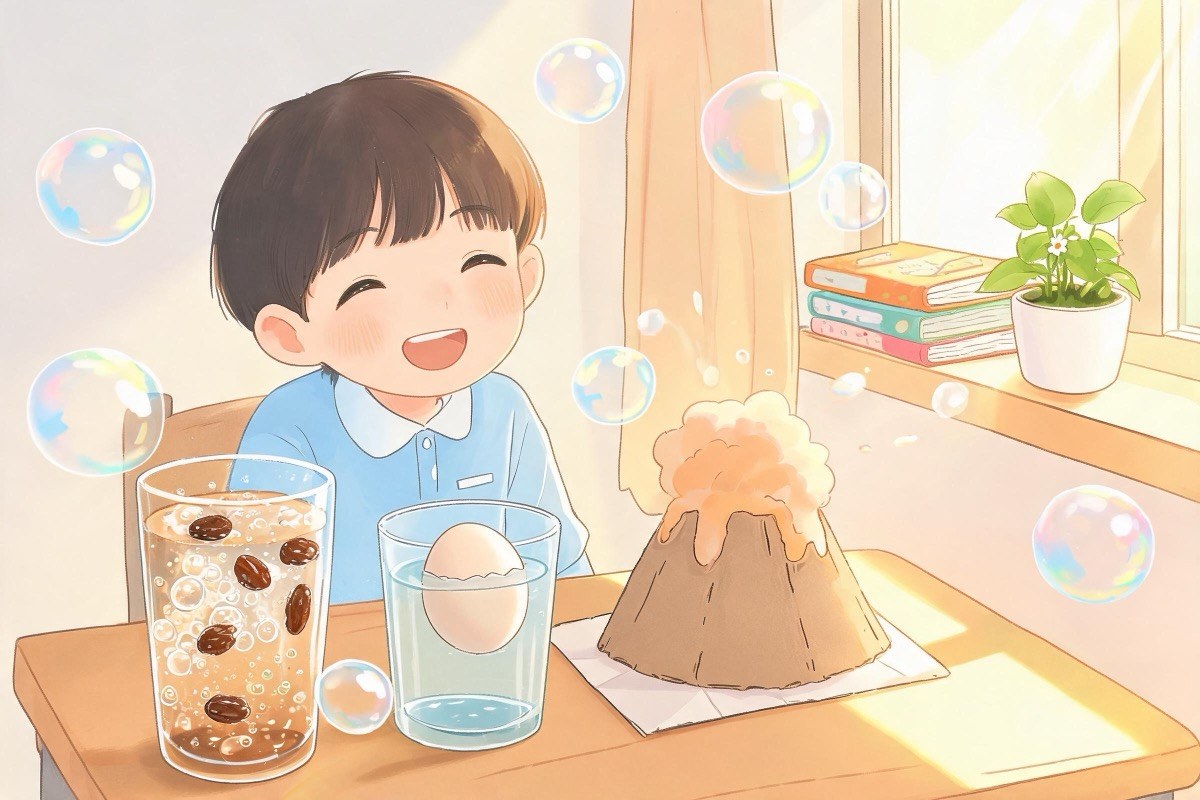
课堂演示从一枚沉底的鸡蛋开始。我把鸡蛋轻轻放进清水杯,它直直地躺下,像块小石头。我问:谁能不碰鸡蛋、不往外倒水,让它浮起来?教室里安静下来,四十张脸对着那杯水,没有一只手举起来。我往水里一大勺一大勺地加盐,搅拌,第三勺下去,鸡蛋犹犹豫豫地离开了杯底,悬在半中腰。前排几个孩子把脸贴到桌沿上,鼻尖快碰到杯子了。
分组实验随即开始。每组一杯水、一袋盐、一枚鸡蛋、一把小勺。任务单上只有一行字:想办法让你的鸡蛋浮到水面,记录你用了多少勺盐。教室瞬间变成厨房加集市。有的组猛倒盐,水都浑了鸡蛋还没动静;有的组学乖了,边加边搅;靠门的组鸡蛋破在第三勺盐上,全组围着那只破碗哀悼了三秒,又领了一枚重来。我巡着各组走,听见最多的词是再加一勺。
浮起来的那一刻,各组不约而同地爆发欢呼,声浪一波压着一波。但我心里清楚,这节课真正的重头戏还在后面——讨论。我让各组汇报勺数,从三勺到九勺都有。为什么差这么多?有孩子说是盐没搅化,有孩子说是鸡蛋有大有小,还有个孩子说:老师,死海是不是就是一大杯这样的盐水?我顺势把死海的照片投上屏幕,讨论一下子烧开了,有人问死海里能不能游泳,有人问盐水放凉了浮力会不会变小。
下课铃响时,没人立刻离开。有个女孩端着杯子问我:老师,我能把它带回家,看明天鸡蛋会不会变胖吗?我笑了,说好,写观察日记。
晚上评课,教研组长说这节课讨论环节最亮。我在反思里写:演示是点火,分组是添柴,讨论才是那团真正烧起来的火。孩子提的死海和变胖的鸡蛋,比我准备的任何例题都珍贵。教育意义不在我嘴里,在他们追着盐水跑的那半节课里。
After the Egg Floated, the Discussion Truly Began
For the open class on buoyancy, I placed my heaviest bet in the lesson plan on the experiment. I wanted to gamble: rather than explain Archimedes' principle three times, let an egg float up on its own and let the children chase the why themselves.
The demonstration began with an egg sinking to the bottom. I lowered it gently into a cup of fresh water; it dropped straight down and lay there like a small stone. I asked: who can make it float without touching the egg or pouring water out? The room went quiet, forty faces facing that cup of water, not one hand raised. I added salt to the water spoonful after generous spoonful, stirring; after the third, the egg hesitantly left the bottom and hung in mid-water. Several children in the front row pressed their faces to the edge of the desk, noses nearly touching the glass.
Group work started immediately. Each group got a cup of water, a bag of salt, one egg, and a small spoon. The task sheet had a single line: find a way to float your egg to the surface, and record how many spoonfuls of salt it takes. The classroom instantly became a kitchen crossed with a market. One group dumped salt wildly - the water turned murky, the egg stayed put. Others learned quickly, adding while stirring. The group by the door lost their egg to the third spoonful of salt; the whole group mourned around the broken bowl for three seconds, then collected a new egg and started over. As I walked the aisles, the most common phrase I heard was one more spoonful.
The moment each egg floated, groups erupted in cheers in unison, wave upon wave of sound. But I knew the real centerpiece was still ahead - the discussion. I had each group report its spoon count, ranging from three to nine. Why such a difference? One child said the salt wasn't fully stirred; another said eggs come in different sizes; still another asked: Teacher, is the Dead Sea just one giant cup of this salt water? I projected a photo of the Dead Sea onto the screen, and the discussion caught fire all at once - could you swim in the Dead Sea, would the salt water lose buoyancy after cooling down.
When the bell rang, nobody left right away. A girl held up her cup and asked: Teacher, may I take it home and see if the egg gets fatter by tomorrow? I smiled and said yes - write an observation diary.
At the evening critique, the teaching research group leader said the discussion segment was the brightest part of the lesson. In my reflection I wrote: the demonstration is the spark, group work is the kindling, and the discussion is the fire that actually burns. The Dead Sea and the fattening egg that the children raised are more precious than any worked example I had prepared. The educational meaning does not live in my mouth; it lives in that half-class hour when they chased the salt water.
小提示:上面此文档内容仅展示完整文档里的部分内容, 若需要下载完整文档请 点击免费下载完整文档 。