文章内容
赏花那天,我学会了看
以前我赏完花,被问起感觉,永远只会说两个字:好看。好看,真好看,特别好看——三个词轮着用,像把同一杯水倒来倒去。这个春天在公园赏花,我第一次知道,原来「看」和「看见」是两回事。
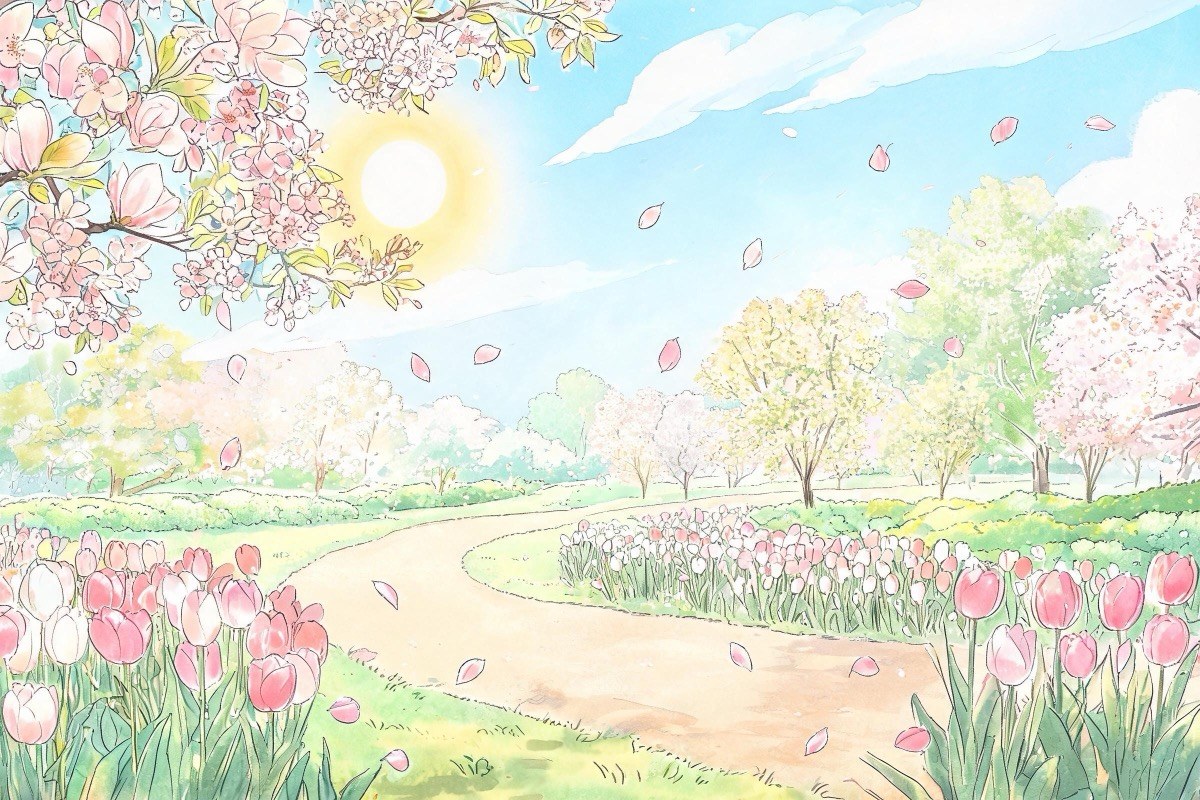
那天我们沿着公园的小路往里走,路边一大片桃花开得正热闹。妈妈让我挑一朵最好看的,我随手扯了一枝,她问我,这朵花到底有几层颜色。我愣住了,凑近了看,才看出来它不是单纯的粉色:花瓣尖上是深粉,往中间慢慢变浅,最里面几乎白了,花心那里又冒出一点点鹅黄,托着密密的小蕊,蕊尖上还顶着橘色的小圆点。我数了数,花瓣一共五片,边缘不是圆的,是带着小小的尖,像谁用剪刀剪出来的花边。
妈妈递给我一个本子,让我把看到的都记下来。我蹲在花树下写:桃花,五片花瓣,尖边,外深内浅,花心鹅黄,蕊是橘点的。写到最后我加了一句,风一吹,花瓣会轻轻抖,抖掉的花瓣落在地上,还是完整的。写完抬头,我发现自己已经在那棵树下待了快四十分钟,腿都蹲麻了,可我一点也没觉得无聊。
回家的路上我一直在想这件事。同样一棵桃花树,我从前也看过,看过就算看过了,脑子里只剩一片粉。可那天我看见了颜色的层次,看见了花瓣的形状,看见了花蕊上细小的橘点,还看见了花瓣落下来的样子。花还是那些花,是我这双眼睛变了,从粗粗地扫一眼,变成了慢慢地看。
从公园回来,我给自己准备了一个真正的观察日记本,封面是蓝色的。我们在学校花坛边也选了目标,一株刚开的玉兰,我每隔两天去看一次,记下它哪天是花苞、哪天开第一朵、哪天开满。写观察日记以后,我发现自己变得特别容易发现新东西:昨天花坛边只有三朵花开,今天变成七朵,我能立刻数出来。这种发现新东西的快乐,比只看一眼「好看」要大得多。
现在我还是会说花好看,但后面跟着一长串:它怎么好看,哪里好看,昨天和今天有什么不一样。赏花让我明白,用心看过一朵花的人,心里会多装下一整个春天。
The Day I Learned to Really Look
Before, after admiring flowers, if anyone asked how I felt, I could only say two words: beautiful. Beautiful, really beautiful, especially beautiful — I rotated the same three phrases like pouring the same cup of water back and forth. This spring, viewing flowers in the park, I learned for the first time that looking and seeing are two different things.
That day we walked along the park path, and a big stretch of peach blossoms was in full bustle by the road. My mom asked me to pick the prettiest one. I grabbed a branch at random, and she asked how many layers of color this flower actually has. I froze, leaned in close, and only then saw it was not simply pink: the tips of the petals were deep pink, fading lighter toward the middle, almost white at the innermost part, with a touch of goose yellow rising at the heart, holding dense little stamens whose tips carried tiny orange dots. I counted five petals, their edges not round but with small points, like lace cut out with scissors.
My mom handed me a notebook and told me to write down everything I saw. I crouched under the tree and wrote: peach blossom, five petals, pointed edges, darker outside and lighter inside, yellow heart, orange-tipped stamens. At the end I added one line: when the wind blows, the petals tremble gently, and the fallen petals land on the ground still whole. When I looked up, I found I had been under that tree for nearly forty minutes. My legs had gone numb from crouching, yet I did not feel bored at all.
On the way home I kept thinking about it. I had seen the same peach tree before, but seeing it was over and done with, leaving only a blur of pink in my head. That day I saw the layers of color, the shape of the petals, the tiny orange dots on the stamens, and the way the petals fell. The flowers were the same flowers; my eyes had changed, from a quick sweep to a slow, careful look.
After returning from the park, I prepared a real observation diary with a blue cover. We also picked a target by the school flower bed, a magnolia just beginning to bloom, and I went to see it every other day, recording which day it was still a bud, which day the first flower opened, which day it was fully open. Since keeping the observation diary, I have found myself quick to notice new things: yesterday only three flowers were open by the bed, today there are seven, and I can count them out at once. The joy of noticing something new is far bigger than a single glance of beautiful.
I still say flowers are beautiful, but now a long list follows: how they are beautiful, where they are beautiful, what is different today from yesterday. Flower viewing taught me that a person who has truly looked at one flower carries a whole spring inside.
我的观察日记里住着一座公园
我的书桌抽屉里有一个绿格子的本子,里面没有作文,也没有笔记,全是我从春天里捡回来的东西。三月初学校组织去公园赏花,老师布置了一个特别的作业:不写作文,只记录。从那天起,我的观察日记就再没停过。
第一次记录是在公园的长廊边。那里有一排迎春花,金黄金黄地垂下来。我蹲下来数花瓣,本来想写四瓣,结果数到第三朵就傻眼了:这一朵是六瓣,那一朵是五瓣,同一根枝条上就没有两朵一模一样的。我赶紧把它们都画下来,五瓣的画在左边,六瓣的画在右边,中间写了一行大字:迎春花的花瓣会吵架。旁边我又补了花色:花瓣正面是亮黄,背面偏橙,花心那里颜色最深,像谁滴了一滴橘子汁。
玉兰是第二个住进我本子的。我特意挑了不同颜色的三棵,白的一棵,紫的一棵,一棵外白内紫。我把花瓣摘下来放在手心描形状——不行,老师说过只许看和记,不许摘。我就隔着距离描,描完发现玉兰的花瓣像一把把小勺子,还是那种厚实的、能舀起一点光的小勺子。我在形状旁边写:白花瓣的勺子边有一点波浪,紫花瓣的勺子背面发暗,像烧过的糖。
记录到第三十个本子页的时候,奇怪的事情发生了。我不再去公园才能观察,观察自己长腿跑进了我的日常。排队打饭的时候,我发现食堂窗台上的绿萝新抽了一片叶子,叶尖是卷的,像没睡醒伸的手。放学路上,我发现墙缝里那株不知名的草开了米粒大的白花,六朵,排成一串。我的眼睛像被公园里的花训练过一样,专门发现别人看不见的小事。
观察日记还改掉了我一个毛病:下结论太快。以前看到一朵花蔫了,我就说这花死了。现在我会多看两天,发现它只是中午晒蔫了,傍晚又站直了。先看清,再说话,这个习惯是我从花那里学来的,后来连数学老师都说,我检查试卷的速度慢了下来,错误却少了。
现在那个绿格子本子已经写满了大半。翻开它,迎春花的五瓣和六瓣还在吵架,玉兰花的小勺子还盛着光。我忽然明白,赏花最大的收获不是看了多少花,而是那座公园顺着我的笔,整个搬进了本子里,又从我本子搬进了我的眼睛里。带着这双眼睛往前走,后面的每个春天都不会白过。
A Park Lives in My Observation Diary
In my desk drawer there is a green checkered notebook. It holds no essays and no class notes, only things I picked up from spring. In early March our school took us to the park to view flowers, and the teacher assigned a strange task: do not write essays, just record. From that day on, my observation diary has never stopped.
The first entry was by the park gallery, where a row of winter jujube flowers hung down in pure gold. I crouched to count petals, planning to write four, but by the third flower I was stunned: this one had six, that one five, and no two on the same branch were alike. I hurriedly drew them, five-petaled ones on the left, six-petaled on the right, with big words in between: the petals of these flowers are quarreling. Beside them I added the colors: the front of the petals is bright yellow, the back leans orange, and the color is deepest at the heart, as if someone dropped a dot of orange juice there.
The magnolia was the second to move into my notebook. I deliberately chose three trees of different colors, one white, one purple, one white outside and purple inside. I wanted to pick a petal and trace its shape in my palm — no, the teacher said look and record only, no picking. So I traced from a distance, and found magnolia petals look like little spoons, the thick kind that could scoop up a little light. Beside the shape I wrote: the rim of the white petal spoon has a slight wave, and the back of the purple spoon is dark, like burnt sugar.
By the thirtieth page, something strange happened. I no longer needed a park to observe; observation grew legs and ran into my daily life. While lining up for lunch, I noticed the pothos on the cafeteria windowsill had sprouted a new leaf, its tip curled like a hand stretching awake. On the way home, I found a nameless grass in a wall crack blooming rice-sized white flowers, six of them in a string. My eyes, trained by the park flowers, now specialize in finding small things others cannot see.
The diary also cured one of my bad habits: concluding too fast. Before, seeing a wilted flower, I would say it was dead. Now I watch two more days and find it merely drooped at noon and stood straight again by evening. Look clearly first, speak second — that habit I learned from the flowers, and later even my math teacher said my test-checking slowed down while my mistakes dropped.
The green checkered notebook is now more than half full. Open it, and the five-petal and six-petal flowers are still quarreling, the magnolia spoons still holding light. I suddenly understand that the greatest harvest of flower viewing is not how many flowers I saw, but that the whole park followed my pen into the notebook, and from the notebook into my eyes. Walking forward with these eyes, no spring ahead will be wasted.
小提示:上面此文档内容仅展示完整文档里的部分内容, 若需要下载完整文档请 点击免费下载完整文档 。