文章内容
花坛从不催所有花同一天开
我们教学楼窗外有一长条花坛。三月初我开始留意它,是因为物理考砸了那个晚上,我趴在窗边发呆,正好看见第一朵玉兰开了。之后一个月,我几乎每天看它一眼,看明白了许多事。
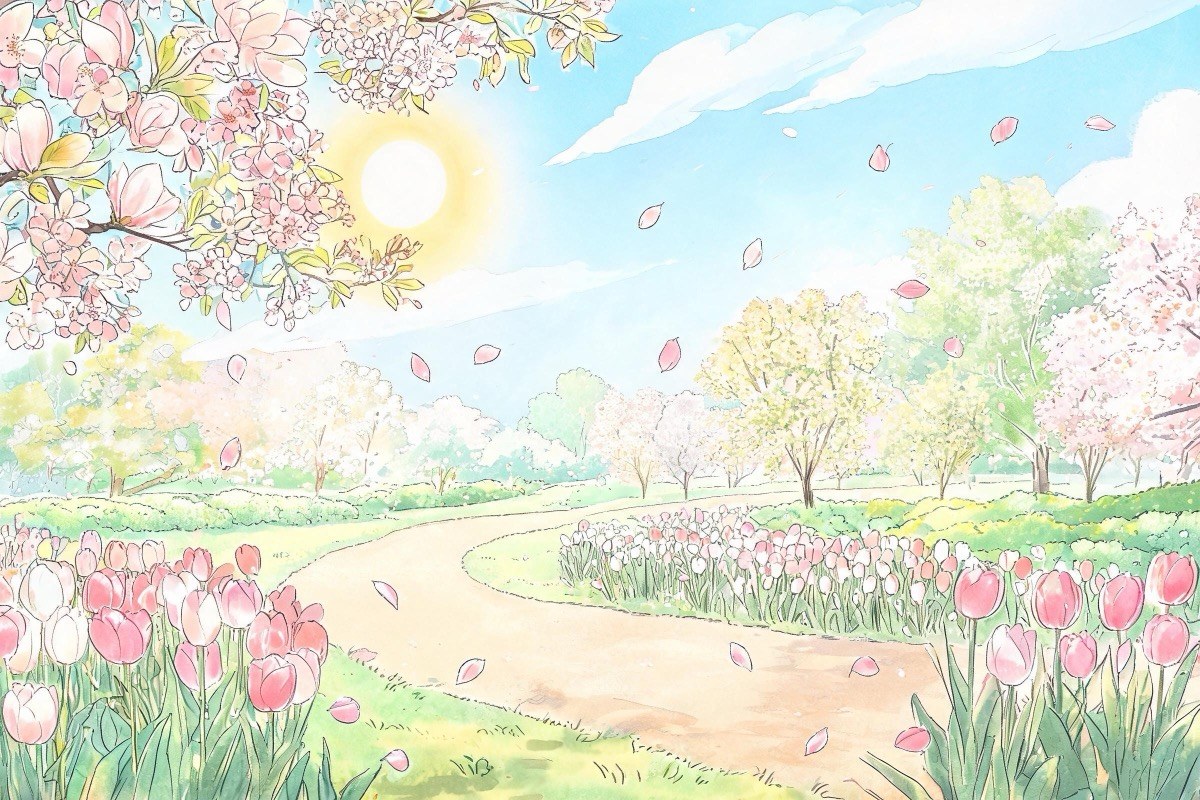
玉兰开得最早,光着枝干就开,一朵顶一朵,开满时整排树像举着白蜡烛。海棠晚它小半个月,先冒红点,再一点点膨大,开的时候一夜之间满树。月季最沉得住气,四月里别的花都开得热闹,它只闷头抽红芽,直到五月初才一朵一朵地登场。整个春天,花坛里没有一朵花被谁催过,也没有一朵花因为自己开得晚就干脆不开。它们各守各的节令,谁也没误了谁。
盯着花坛的那一个月,正是我被物理折磨的一个月。三月月考我物理不及格,同桌两个月前就开始刷竞赛题,我连课本上的受力分析都画不利索。那段时间我天天怀疑自己,觉得别人都开花了,我还是一截光木头。我甚至想过放弃物理,把时间全挪去擅长的科目,保住排名好看一点。
是花坛拦住了我。五月初月季开出来那天,我忽然想明白:月季在四月不是没干活,它一直在抽芽长叶,只是把力气花在了看不见的地方。我的物理也一样。那两个多月我每天弄懂两道错题,周末把受力分析重画一遍,这些努力当时看不见分数回报,可它们都在长我的根。后来的期中考试,物理我及格了,不算漂亮,但那是我自己一毫米一毫米推出来的成绩。
这段经历让我对节奏这件事有了自己的看法。比较是容易的,从别人那里借一个时间表套在自己身上,套不上就慌。可是花从来不互相借时间表。每个人都有自己的节令,早开的不一定结得稳,晚开的不一定结得晚,重要的不是哪天开,是开之前有没有一直在长。
往后的打算我也写清楚了。第一,不再用别人的进度吓自己,只跟上周的自己比。第二,坚持每天弄懂两道错题,雷打不动,像给花坛浇水,不问哪天开。第三,允许自己有花期,但不允许自己停长。花期教会我的事说到底就一句:按时浇水,静静扎根,我的花会开的。
The Flower Bed Never Rushes Every Flower to Open on the Same Day
Outside our teaching building window runs a long flower bed. I began noticing it in early March, on the night I failed my physics exam. I was staring out the window when I happened to see the first magnolia open. For the next month I glanced at it almost every day, and understood quite a lot.
Magnolias bloom earliest, flowering on bare branches, one blossom crowding the next, until the whole row looks like it is holding up white candles. Crabapples come about half a month later, first with red dots, slowly swelling, then covering the whole tree overnight. Roses are the most patient: while other flowers threw their parties in April, roses kept quietly pushing out red buds, only appearing blossom by blossom in early May. All spring, no flower in that bed was ever rushed, and no flower decided to skip blooming just because it was late. Each kept to its own season, and none missed the others.
The month I watched the flower bed was the month physics was tormenting me. I failed the March monthly exam. My deskmate had started competition problems two months earlier while I still could not draw a free-body diagram from the textbook. Every day I doubted myself, feeling everyone else had bloomed while I was still a bare stick. I even thought about giving up physics and moving all the time to my strong subjects to keep my ranking presentable.
The flower bed stopped me. The day the roses came out in early May, it hit me: the roses had not been idle in April. They had been pushing buds and growing leaves, spending their strength where no one could see. My physics was the same. For more than two months I understood two wrong problems a day and redrew force diagrams on weekends; the effort showed no score return at the time, but it was all growing my roots. On the midterm exam I passed physics. It was not a beautiful score, but it was a grade I had pushed out one millimeter at a time by myself.
This experience gave me my own view on pace. Comparison is easy: borrow a timetable from someone else, put it on yourself, and panic when it does not fit. But flowers never borrow timetables from each other. Everyone has their own season. An early bloom does not always set steady fruit, and a late bloom does not always bear fruit later. What matters is not which day you open, but whether you kept growing before you opened.
I have written down my plans too. First, stop scaring myself with other people progress, and compare only with myself from last week. Second, keep understanding two wrong problems every day, rain or shine, like watering the flower bed without asking which day it will bloom. Third, allow myself to have a flowering season, but never allow myself to stop growing. What the flowering season taught me comes down to one line: water on time, root in silence, and my flowers will open.
爷爷说种子有自己的闹钟
我家小院里有一小块菜地,每年春天爷爷都在那儿育苗。去年三月,我陪爷爷播种,第一次认真看花和菜是怎么醒过来的。爷爷把凤仙、太阳花和几样青菜的种子分格埋进育苗盘,浇透水,盖上薄膜。我蹲在旁边问,明天能出吗?爷爷说,种子有自己的闹钟,到点自己会起。
接下来的两周,我几乎天天蹲在育苗盘前。凤仙先拱出土,接着青菜也冒了芽,唯独太阳花的格子一片安静。我忍不住用牙签去拨土,想看看种子是不是烂了。爷爷把我手打开,说他种了五十年花,最忌讳的就是天天挖开看——种子刚要顶土,被你拨一下,前功尽弃。晚了一周的太阳花后来出芽,出完疯长,秋天开得满院都是。
那阵子我的英语正处在被催的阴影里。妈妈每天晚饭后都要抽查我背书,今天问单元一的课文会背了吗,明天问单词听写对几个。我越被催越背不进去,站在客厅里脑子一片空白,然后挨一顿着急的数落。我也开始怀疑自己,认定自己没有语言天分,别人读两遍就能背,我读十遍还磕巴。
看爷爷育苗的过程把我从这种怀疑里拽了出来。太阳花不是不出,是在自己的时间里出;我被天天抽查,等于被人天天挖开看,刚长出来的记忆又被晃散了。后来我跟妈妈商量,改成每天自己安静读十五分钟,周末再背给她听。头两个周末我背得依然慢,但第三个周末,我完整背下了整篇课文。期末考试英语我考出了上初中以来最好的分数。
现在我常想,着急是一种很隐蔽的破坏。它表面上是关心,实际上是不信任,不信任种子会自己醒,不信任自己每天都在长。花开有先后不是缺陷,是自然的秩序;把别人的日历硬套在自己头上,才是真正误花期的原因。
往后的日子我给自己定了三条。一,不再每天审问自己怎么还不行,改成每晚睡前记一行今天做了什么。二,英语坚持每天读十五分钟,把功夫摊平,不攒到考前突击。三,忍不住想跟别人比的时候,就想想那盘晚出芽的太阳花。爷爷的话我抄在了书桌前:种子有自己的闹钟,我要做的只是埋好、浇水,等它到点。
Grandpa Says Seeds Have Their Own Alarm Clock
At home our small yard has a patch of vegetable land, and every spring my grandpa raises seedlings there. Last March I sowed with him and for the first time watched closely how flowers and vegetables wake up. He buried seeds of balsam, sunflower, and a few greens in separate cells of a seedling tray, watered them through, and covered the tray with film. I squatted beside him and asked whether they would come up tomorrow. He said seeds have their own alarm clock; when the time comes they get up by themselves.
For the next two weeks I squatted by that tray almost every day. The balsam broke the soil first, the greens followed, and only the sunflower cells stayed silent. I could not help poking the soil with a toothpick to see whether the seeds had rotted. Grandpa pushed my hand away. He has grown flowers for fifty years, he said, and the worst habit is digging them up to check every day: a seed just about to push through is ruined by one poke. The sunflowers, a week late, sprouted at last, then grew like mad and filled the whole yard with bloom in autumn.
Those days my English lived under constant urging. After dinner my mother quizzed me every night: have you recited the text of Unit One, how many dictation words did you get right. The more I was rushed, the less I could remember. Standing in the living room my mind went blank, and then came another round of anxious scolding. I began to believe I had no gift for language, that others could recite after two readings while I still stumbled after ten.
Watching Grandpa raise seedlings pulled me out of that doubt. The sunflowers were not refusing to rise; they were rising on their own time. Being quizzed every day was like being dug up every day, shaking apart memory that had just begun to sprout. I talked it over with my mother, and we changed the plan: I would read quietly for fifteen minutes each day and recite to her on weekends only. The first two weekends I was still slow. On the third weekend I recited a whole text without a gap. In the final exam English gave me my best score since junior high began.
Now I often think that anxiety is a hidden kind of destruction. On the surface it looks like care, but underneath it is distrust: distrust that seeds will wake themselves, distrust that you are growing every day. Flowers opening in turn is not a flaw but the order of nature; forcing someone else calendar onto your own head is what truly makes you miss your season.
I have set three rules for the days ahead. One, stop interrogating myself every night about why I am still not good enough, and instead write one line before sleep about what I did today. Two, keep reading English fifteen minutes daily, spreading the effort thin instead of piling it up before exams. Three, whenever I cannot help comparing, think of that tray of late sunflowers. I copied Grandpa words above my desk: seeds have their own alarm clock, and my job is only to sow, water, and wait for the time to come.
小提示:上面此文档内容仅展示完整文档里的部分内容, 若需要下载完整文档请 点击免费下载完整文档 。