文章内容
我的画架倒在了稻田边
星期五第二节课,美术课。上课铃一响,李老师没拿课本,拎着一摞画板出来了,说,今天不上课,去村口稻田边写生。我们全班欢呼,抬画架的抬画架,拎颜料桶的拎颜料桶,浩浩荡荡出了校门。
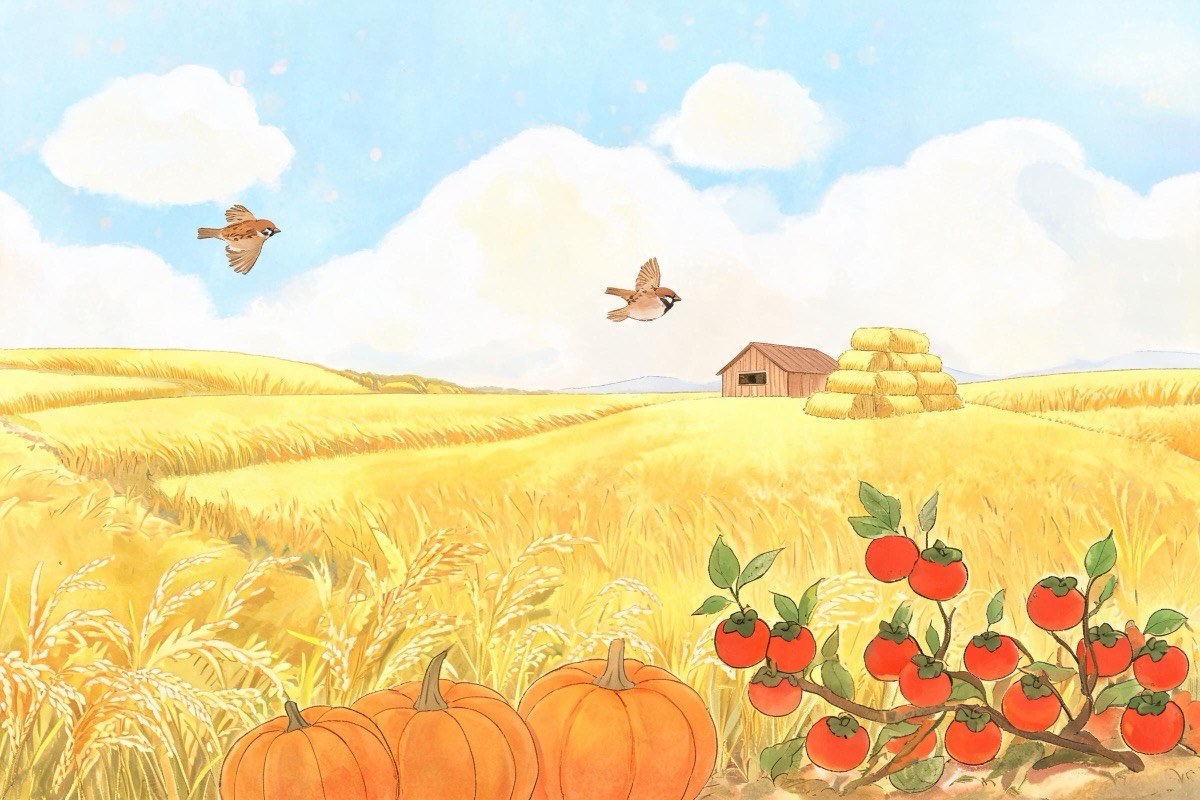
稻田就在公路边上。十月的稻子黄透了,穗子压弯了腰,风从田那头滚过来,整片田就朝一个方向低头,一层推一层,像有人从田底下往前推浪。李老师喊,看好了,这就叫稻浪,今天全班都画它。
我抢了个好位置,田埂边上,把画架支开,三条腿踩实,夹上画纸。我打算画得跟真的一模一样:稻穗一根一根数着画。刚画了十几根,风来了。不是普通的风,是裹着稻浪一起来的大风。整片田哗啦一响,我的画架跟着晃,我伸手去按,画架咔哒一声折了,连人带架坐在了地上。
更惨的是画纸。风把纸从我手里抽走,打着旋儿往田里飞。我扑过去,在田埂那头把它捞回来,纸角沾了泥,我画的那十几根稻穗变成了一道泥印子。旁边同学笑得直不起腰,说你的画会飞。
我重新夹了张纸,把画架腿往土里踩得更深。这回我不数着画了。我盯着稻浪看,看它从田那头起来,滚到跟前,低头,又起来。我发现稻浪不是每一根稻子的事,是一整片的事。我就先画一条一条的弧线,黄的、深的黄、带点绿的黄,一条压一条,稻穗用笔尖点上去,点得乱乱的,反而像。
下课前,李老师收画。她把我们的画靠在画架上,一张一张看。看到我的,她停住了,问,你第一张画的什么?我说一根一根数的,画架倒了,画也毁了。她把两张并排举起来,先举那张糊了的,再举这张乱的,问大家哪张有风。大家喊,后面这张。李老师说,对喽,第一张画的是稻子,这一张画的是稻浪。会动的画,才是好画。
全班给我鼓掌。我耳朵热热的,手上一管颜料都没洗,先跑去把画举起来又看了一遍。那些乱糟糟的笔触点,风一吹,好像真的在动。
回家我把画贴在卧室墙上。我妈问哪来的风,我说画里自带。晚上睡觉前我又看它一眼,稻浪还在那儿滚,从田那头,一直滚到我床边。
My Easel Fell Down by the Rice Field
Friday second period, art class. When the bell rang, Mr Li came out carrying a stack of drawing boards instead of the textbook, and said, no class today, we are going to the rice field by the village gate to sketch from life. The whole class cheered. Some carried easels, some carried paint buckets, and we marched out of the school gate in a long line.
The rice field lay right beside the road. The October rice had ripened fully golden, the panicles bowing their heads. The wind rolled in from the far side of the field, and the whole field bowed one way, layer pushing layer, as if someone under the field were pushing waves forward. Mr Li shouted, look well, this is called a wave of rice, and today everyone paints it.
I grabbed a good spot on the field ridge, spread my easel, planted its three legs firm, and clipped on the paper. I planned to paint it exactly like the real thing: counting the rice panicles one by one. I had drawn barely a dozen when the wind came. Not an ordinary wind, but a big wind riding the rice waves. The whole field roared, my easel shook with it, I reached out to press it down, and the easel snapped and folded, and I sat down on the ground with it.
Worse was the paper. The wind snatched it from my hand and spun away toward the field. I dived after it and fished it back at the far end of the ridge. The corner of the paper had mud on it, and my dozen rice panicles had become one muddy smear. The classmate next to me laughed so hard he could not stand up, saying your drawing can fly.
I clipped on a fresh sheet and stamped the easel legs deeper into the soil. This time I stopped counting. I watched the rice waves rise at the far end of the field, roll toward me, bow, and rise again. I realized a rice wave is not about every single plant, it is about the whole field at once. So I first painted arc after arc, yellow, deep yellow, yellow touched with green, one pressing on another, and dotted the panicles on with the tip of the brush, dotted them wildly, which somehow looked right.
Before the bell, Mr Li collected the drawings. She leaned them against the easels and looked at them one by one. At mine she stopped and asked, what was your first drawing? I said, counting panicles one by one, then the easel fell and the drawing was ruined. She held the two side by side, first the smeared one, then the wild one, and asked the class which one has wind in it. Everyone shouted, the second one. Mr Li said, exactly. The first one painted rice plants. This one painted rice waves. A drawing that moves is a good drawing.
The whole class clapped for me. My ears went hot, and with paint still on my hands I ran to hold my drawing up and look once more. Those wild little dots of brush, with the wind blowing, really seemed to move.
At home I pasted the drawing on my bedroom wall. My mom asked where the wind came from. I said it comes with the painting. Before bed I took one more look. The rice waves were still rolling there, from the far end of the field, all the way to my bed.
调色盘上调不出那种黄
美术课搬到田野里上,是我们班这个学期最威风的一节课。老师姓陈,女的,扎一条黄围巾,拎着一只铁皮调色盘走在最前头,说今天只教一件事,颜色是从天上和田里借来的,不是从颜料管里挤出来的。
我们分成几个小组,散在田埂上。我们组四个人,围着一副共用画架,画架是折叠的,支起来咯吱响。画题是稻浪加天空。我抢着负责调颜色,谁让我妈说我在家把颜料盒玩了三整年。
结果第一关我就栽了。稻田那种黄,我调不出来。挤柠檬黄,太亮,像新塑料;加土黄,又太暗,像旧牛皮纸。我站在田埂上对着田比来比去,画纸上的黄跟田里的黄打架,怎么看怎么别扭。我挤掉半管颜料,盘子里糊成一团脏色。
同桌林小满蹲下来,把我的画纸转过去对着田,说你别看盘子,看田。她说你盯着田里最亮的那块和最暗的那块,眼睛来回看三遍,手自己就知道加什么。我将信将疑,眼睛在田上来回走,田里的黄在风里一层亮一层暗,确实跟任何一管颜料都不一样。我往脏色里点了一点白,又点了一点点绿,再一笔抹在纸上,跟田一比,对上了。我高兴得差点把盘子举起来。
调完黄的调蓝。天空的蓝更好玩,头顶是深的,往田那头越远越浅,浅到快白了。我们把画架转了个方向,让天空和稻田同时进画面。风一阵一阵来,稻浪就从画面右下角往左上角滚,我们跟着喊口令,起浪喽,我们四个的笔就一起往下扫。
画到一半,云来了。一大片云从田那头压过来,田里的黄跟着暗了一瞬,云一走又亮回来。林小满说快画云,我们抬头看云怎么走,笔跟着走。我调出一种灰不灰白不白的颜色,一笔一笔把云拖过去。
收课时陈老师绕着画架看。她在我们这副前站得最久,先看我那片云,问,你是不是盯着云走了很久?我说是,云从这头走到田那头,我数着它走了多久。她点头,说云会走的人,笔上就有风。又看我的黄,说这个黄是从田里借的,借得地道。我们组四个人挤在一起看自己的画,谁也不嫌谁挤。
回学校的路上,黄围巾陈老师走在最前头,还是那句话,颜色是借来的。我把这句话记在心里。下回谁问我稻田的黄怎么调,我就让他先去田埂上,眼睛来回看三遍。
The Palette Cannot Mix That Yellow
Having art class out in the fields was the proudest lesson of our class this term. Our teacher is a woman named Ms Chen, wearing a yellow scarf, carrying a tin palette at the head of the line, and she said today she would teach only one thing: colors are borrowed from the sky and the field, not squeezed out of paint tubes.
We split into small groups and scattered along the field ridges. Our group had four people around one shared easel, a folding one that creaked when we set it up. The subject was rice waves plus sky. I fought to be in charge of mixing colors, since my mom says I played with the paint box three whole years at home.
And I failed at the very first step. I could not mix the yellow of the rice field. Lemon yellow is too bright, like new plastic; add yellow ochre and it turns too dark, like old kraft paper. I stood on the ridge comparing my paper with the field again and again, and the yellow on paper fought with the yellow in the field, wrong no matter how I tilted it. I used up half a tube of paint, and the palette became one smear of muddy color.
My deskmate Lin Xiaoman squatted down and turned my paper to face the field. She said, stop looking at the palette, look at the field. She said, stare at the brightest patch of the field and the darkest patch, let your eyes travel back and forth three times, and your hand will know what to add. Half doubting, I let my eyes walk across the field. The yellow in the field grew bright in one layer and dark in the next with the wind, truly unlike any tube of paint. I touched a little white into the mud, then a little green, swept one stroke onto the paper, compared it with the field, and it matched. I nearly lifted the palette in the air.
After the yellow came the blue. The blue of the sky was even more fun, deep overhead, paler the farther toward the field, pale almost to white. We turned the easel so the sky and the rice field entered the picture together. The wind came in gusts, and the rice waves rolled from the lower right corner of our picture to the upper left, so we shouted commands like, here comes the wave, and all four of our brushes swept down at once.
Halfway through, the clouds came. A big cloud pressed in from the far side of the field, the yellow of the field dimmed for a moment, and brightened back when the cloud moved on. Lin Xiaoman shouted to paint the clouds. We looked up to watch how the cloud traveled, and our brushes traveled with it. I mixed a color that was neither gray nor white, and dragged the cloud across the paper stroke by stroke.
At cleanup, Ms Chen walked around the easels. She stood longest in front of ours. First she looked at my cloud and asked, did you watch that cloud travel for a long time? I said yes, it traveled from here to the far end of the field, and I counted how long it took. She nodded and said, a person whose clouds walk has wind in the brush. Then she looked at my yellow and said this yellow was borrowed from the field, and borrowed honestly. Our four group members squeezed together to look at our painting, nobody minding the crowding.
On the walk back to school, Ms Chen with her yellow scarf still led the line, still on that one theme: colors are borrowed. I kept the sentence in my heart. Next time anyone asks me how to mix the yellow of a rice field, I will tell them to stand on the ridge first and let their eyes travel back and forth three times.
小提示:上面此文档内容仅展示完整文档里的部分内容, 若需要下载完整文档请 点击免费下载完整文档 。