文章内容
读后感四步写法:简述、抓一句、联系自己、落到一件小事
读后感最常见的写法是把文章从头到尾讲一遍,最后加一句我很感动。这样写出来的东西,没读过原文的人看一遍就忘了。四步法可以把读后感写成自己的话。
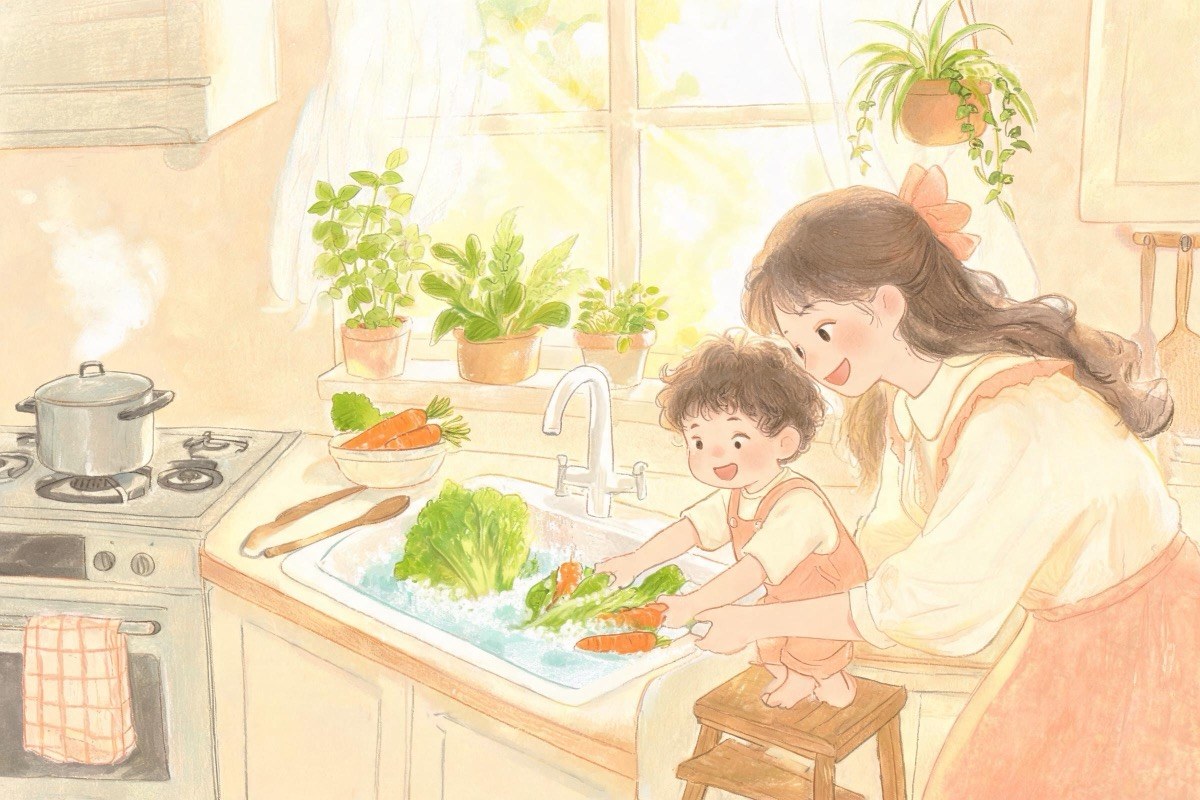
第一步,简述,占全文五分之一以内。只交代三件事:文中的孩子做了什么、妈妈有什么反应、结果怎样。示例:文章里的孩子看见妈妈每天下班还要洗衣做饭,有一天主动把饭盛好、把碗洗了,妈妈先愣住,然后笑了。三句话讲完,不要再补充细节,细节留给第三步用自己的。
第二步,抓一句。从原文里挑一个最戳你的地方,可以是一个动作、一句话、一个对比。示例:文中写妈妈先愣住再笑,这个先愣再笑最打动我,因为愣说明她没想到,笑说明她高兴得反应不过来。抓一句的作用是给读后感一个锚,后面两段都围着它转,文章就不会散。
第三步,联系自己,这是读后感的心脏,占全文三分之一以上。写一次自己惹妈妈生气的经历,要具体到时间、地点、东西。示例:上个学期有次周末,妈妈喊我吃饭喊了三遍,我抱着平板不动,最后一遍她直接把饭端进我房间,把平板扣在桌上,一句话没说就走出去,那天下班回来她眼睛还是红的。写这段时忍住不写妈妈真辛苦这种总结句,把喊三遍、端饭、扣平板、眼睛红这几个动作摆出来,读者自己会算账。
第四步,落到一件小事。读后想做的事不要写长大赚钱养妈妈,写这周就能做的:每天自己盛饭、周六洗一次碗、放学回家先说一句我回来了。示例:我打算从明天开始,每天晚饭前把碗摆好,坚持一个月,让妈妈也愣一下再笑一次。结尾这件小事最好和文中孩子做的那件事对得上,首尾就扣住了。
四步的字数比例记成一句话:简述短、抓句准、自己那段最长、结尾最实。写完检查一条就够:把原文标题遮住,别人读你的作文能不能看出这是你写的,还是只是把故事又讲了一遍。
A Four-Step Way to Write the Reading Response: Summarize, Pick One Line, Connect to Yourself, Land on One Small Deed
The most common way to write a reading response is to retell the whole article and end with I was moved. That kind of piece disappears from memory the moment a reader who has not seen the original finishes it. A four-step method turns the response into your own words.
Step one, summarize, inside one fifth of the essay. Cover only three things: what the child in the article did, how mom reacted, what happened. Example: the child in the article sees that mom does laundry and cooking after work every day, so one day he serves the rice and washes the bowls on his own; mom freezes first, then smiles. Three sentences, no more details, save the details for step three in your own words.
Step two, grab one line. Pick the part of the original that hits you hardest, an action, a line of speech, or a contrast. Example: the article writes that mom freezes before smiling, and that freeze-then-smile moves me most, because the freeze shows she did not expect it, and the smile shows she is too glad to react in time. The grabbed line works as an anchor; the next two paragraphs revolve around it, so the essay stays together.
Step three, connect to yourself. This is the heart of the response, over a third of the essay. Write one time you made your mother angry, specific down to the time, place, and objects. Example: last term on a weekend, mom called me to dinner three times while I stayed glued to my tablet, and on the third call she carried the food into my room, flipped the tablet face down on the desk, walked out without a word, and her eyes were still red when she came back from work that day. Resist the urge to add mom is really hard-working as a summary; lay out the three calls, the carried dish, the flipped tablet, the red eyes, and readers will do the math themselves.
Step four, land on one small deed. Do not write that you will earn money for mom when you grow up; write something doable this week: serve your own rice every day, wash the bowls once on Saturday, say I am home when you walk in after school. Example: starting tomorrow I will set the bowls before dinner every day for a month, so mom can freeze once and then smile once too. The small deed at the end should match what the child in the article did, and the opening and closing lock together.
Remember the proportions in one line: summary short, grabbed line precise, your own paragraph longest, ending most concrete. One check after writing is enough: hide the title of the original and see whether a reader can tell this is your writing or just the story retold.
一篇读后感范文逐段点评:从复述到联系自己的改法示范
先看一段常见的开头:《妈妈笑了》这篇文章讲了一个孩子帮妈妈干活的故事,妈妈很高兴,读了这篇文章我感受到了伟大的母爱。这段的问题一眼能看出来:故事又讲了一遍,感受直接喊出来,中间没有你自己。下面这篇改写后的读后感,逐段点评。
第一段:原文里的孩子给妈妈盛了一碗饭。就这一件事,妈妈先愣住,再笑。点评:简述压到两句,只留盛饭、愣住、笑三个词,没有讲孩子怎么走进厨房、怎么打碎勺子,那些是原文的事,不是读后感的事。
第二段:我反复看愣住这两个字。妈妈不是生气也不是高兴,是没料到。点评:抓句放在第二段开头,单独成段,起锚的作用。点评:抓的不是笑而是愣,这个选择比抓笑更细,因为愣里有意外。
第三段:我想起我妈的愣。上周我把脏袜子塞在沙发垫底下,以为她看不见。她收拾沙发的时候把袜子拎出来,举着,没骂我,就那么站着愣了几秒。那几秒比骂一顿难受。点评:这是全文最长的一段,时间、地点、物件、动作全齐。没骂我三个字比骂我更重,这个细节是从原文的愣迁移过来的,两段就呼应上了。
第四段:原文的孩子后来每天给妈妈端水。我做不到那么多,我先从把袜子放进脏衣篓开始,放满一周再说。点评:结尾落到一件能执行的小事,还留了个诚实的台阶,做不到全部就先做一件,这种实话比决心口号可信。
对照改前改后,能看出三处关键变化:简述从复述整个故事缩成一个动作;感受从喊母爱伟大换成盯着一个字看;结尾从空决心换成一件带期限的小事。这三处每一处都能单独练:拿任何一篇阅读短文,先练把故事压成三句话,再练挑一个字反复看,最后练写一件本周的小事。练完这三样,换任何读后感题目都不怕。
A Reading Response Model, Paragraph by Paragraph: From Retelling to Real Connection
Start with a typical opening: the article Mom Smiled tells a story about a child helping his mother, the mother was very happy, and after reading I felt the great love of a mother. The problem is obvious: the story is retold, the feeling is shouted out, and you are nowhere in the middle. Below is a rewritten response, commented paragraph by paragraph.
Paragraph one: the child in the original served his mother a bowl of rice. That single act, and mom froze first, then smiled. Commentary: the summary shrinks to two sentences, keeping only served, froze, smiled. No kitchen walk-in, no broken spoon, those belong to the original, not to the response.
Paragraph two: I kept reading the word froze. Mom was neither angry nor glad, she had not expected it. Commentary: the grabbed line opens paragraph two as its own paragraph, working as the anchor. Commentary: what is grabbed is the freeze rather than the smile, a finer choice, because the freeze holds surprise.
Paragraph three: I remembered my own mothers freeze. Last week I pushed a dirty sock under the sofa cushion, thinking she would not see it. While tidying the sofa she lifted the sock out, held it up, did not scold me, just stood there frozen for a few seconds. Those seconds were worse than a scolding. Commentary: this is the longest paragraph, with time, place, object, and action all present. The three words did not scold weigh more than a scolding would, and the detail migrates from the original freeze, so the two paragraphs echo.
Paragraph four: the child in the original later brought water to his mother every day. I cannot do that much, so I will start by putting socks into the laundry basket, keep it up a full week, then see. Commentary: the ending lands on one doable deed and leaves an honest step, if you cannot do everything then do one thing first, and this honesty reads more believable than a resolution slogan.
Comparing before and after shows three key changes: the summary shrank from the whole story to one action; the feeling changed from shouting about great love to staring at one word; the ending changed from an empty resolution to one small deed with a deadline. Each of the three can be drilled alone: take any reading passage, practice compressing the story into three sentences, practice picking one word to stare at, practice writing one small deed for this week. Drill these three and no reading response topic can scare you.
小提示:上面此文档内容仅展示完整文档里的部分内容, 若需要下载完整文档请 点击免费下载完整文档 。