文章内容
我在讲台上看季节,季节上看孩子
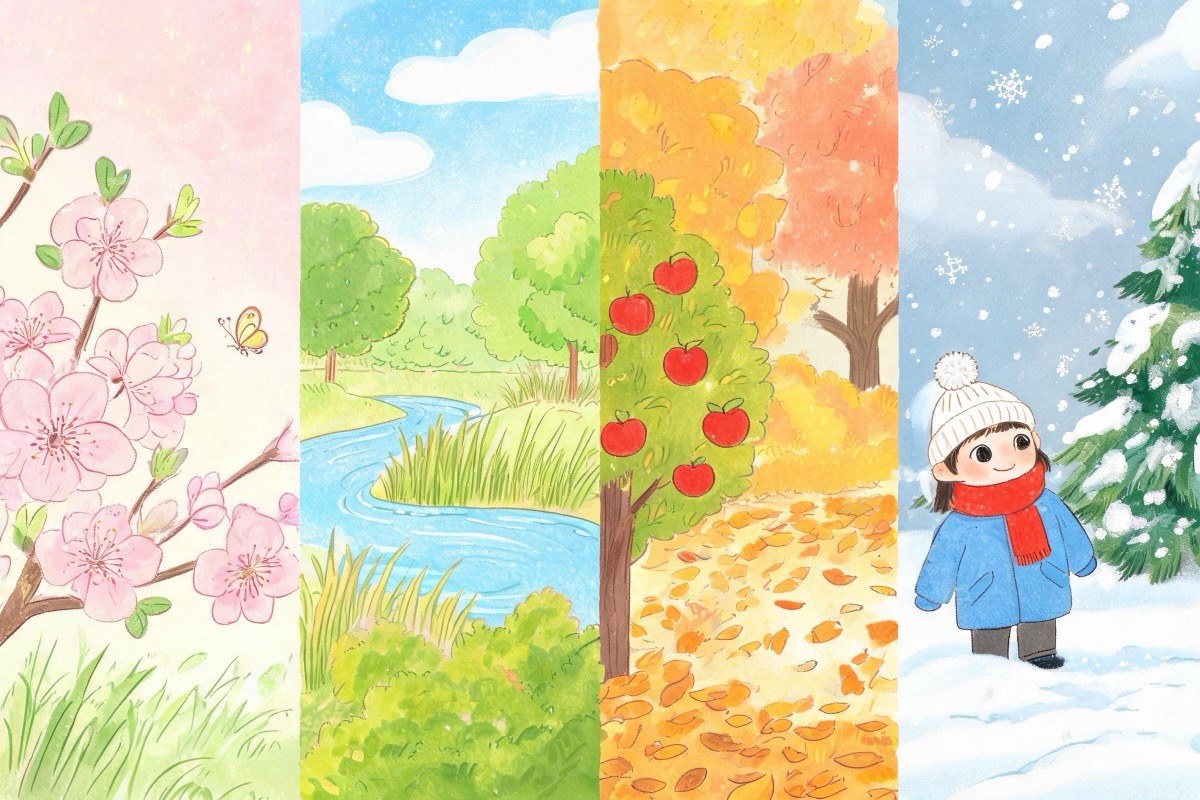
我在同一间教室门口站了九年,季节在我眼皮底下轮了九回。教的时间长了会发现一件事:教室里的孩子换了一茬又一茬,可每个季节在校园里落下来的东西,几乎一模一样——春天花坛里的花,秋天满地的叶,夏天最后一课的安静。不一样的是看这些东西的人,一年比一年高,一年比一年懂事一点。
春天先看花坛。教学楼前那块花坛,三月里还灰扑扑的,一场春雨过后忽然就热闹了,三色堇开得没心没肺。低年级的孩子下课就围过去,蹲成一排,像一排小蘑菇。有个女孩曾经很认真地问我,老师,花是不是也上学,它春天才来。我说是。她想了想说,那它迟到了。后来每年春天,我都会在花坛边等一等,等新一届的孩子再问出差不多的傻话。傻话不傻,那是他们在用自己的眼睛核对世界。
秋天最难办的是落叶。操场那排银杏一到十一月就掉,扫完一圈回来又是一层。有一年我带着值日生赌气扫,扫得狠,扫得干净。第二天课间,我发现那群孩子排着队专门去踩新落的叶子,咔嚓咔嚓,踩完再被值日生扫掉,扫掉再踩。我站在走廊上看了一会儿,忽然不气了。叶子是秋天发给孩子的玩具,我扫得再快,也扫不过他们的高兴。第二年秋天我改了办法,留出一小块地方不扫,叫他们随便踩。那一小块地方,整个秋天都是笑声。
夏天是毕业季,也是校园忽然安静下来的时候。六月底,最后一批孩子考完,教室一间一间空出来,黑板上还留着值日表,课桌肚里偶尔翻出半块橡皮、一张折了的纸条。我带的那届毕业那年,最后一天他们排着队下楼,经过花坛时,不知谁说了句,老师,花也毕业了。我站在楼梯口没接上话。那天下午我在空教室里坐了一会儿,黑板擦得很干净,干净得让人不习惯。
九年里我慢慢明白:校园的四季不是风景,是刻度。花坛一开,一年级的孩子蹲下去,那是成长的开头;银杏一落,高年级的孩子踩过去,那是成长正热闹;教室一空,又一届走完了这一段。季节年年一样,孩子年年往前。我在讲台上看季节,季节在校园里看孩子,谁也没错过谁。
I Watch the Seasons from the Podium, and the Seasons Watch the Children
I have stood at the door of the same classroom for nine years, and the seasons have made their round beneath my eyes nine times. Teach long enough and you notice one thing: the children in the classrooms change batch after batch, yet what each season drops onto the campus is almost identical—the flowers in the spring flower bed, the fallen leaves of autumn everywhere, the silence of the last lesson in summer. What differs are the people watching these things, taller each year, a little more grown-up each year.
Spring begins with the flower bed. The bed in front of the teaching building is still drab in March, and after one spring rain it suddenly comes alive, its pansies blooming without a care. The younger children crowd around it at break time, squatting in a row like a row of small mushrooms. One girl once asked me very seriously, teacher, do flowers go to school too, since they only come in spring. I said yes. She thought for a moment and said, then they are late. Since then, every spring I wait a little by the flower bed, waiting for the new batch of children to ask some equally silly question. The silly questions are not silly; they are the children checking the world against their own eyes.
The hardest thing about autumn is the fallen leaves. The row of ginkgoes by the sports ground drops its leaves every November; sweep one full round, come back, and there is another layer. One year I swept with the duty students out of stubbornness, sweeping hard, sweeping clean. The next day at break I found those children lining up on purpose to stomp on the fresh-fallen leaves, crunch crunch, stomped, then swept away by the duty students, swept away, then stomped again. I stood in the corridor watching for a while, and suddenly my annoyance was gone. Leaves are toys that autumn hands out to children; however fast I sweep, I cannot sweep faster than their delight. The next autumn I changed the method: I left one small patch unswept and told them to stomp away. That small patch was full of laughter the entire autumn.
Summer is graduation season, and also when the campus suddenly goes quiet. At the end of June the last batch of children finish their exams, classroom after classroom empties out, the duty roster still on the blackboard, and in the desk cubbies you sometimes turn up half an eraser or a folded note. The year the class I taught graduated, on the very last day they went downstairs in line, and as they passed the flower bed, who knows who said, teacher, the flowers are graduating too. I stood at the stairwell and could not answer. That afternoon I sat a while in the empty classroom. The blackboard had been wiped very clean, clean in a way that felt strange.
Over nine years I came to understand slowly: the four seasons of a campus are not scenery; they are the marks on a ruler. When the flower bed opens and the first graders squat down, that is the beginning of growing up; when the ginkgo leaves fall and the older children stomp through, that is growing up at its liveliest; when the classrooms empty, another batch has finished this stretch. The seasons are the same every year, and the children move forward every year. I watch the seasons from the podium, and the seasons watch the children across the campus, and neither one misses the other.
操场那排银杏,替我记着他们长大
我们学校操场边有一排银杏,我带一届学生带六年,正好看这排树转六圈。教科学的年头久了,我养成了一个习惯:把季节当刻度,把树当尺。同一排银杏底下,一年级的孩子只到我的腰,六年级的孩子已经比我高半个头。树没变,变的是站在树底下的人。
一年级的春天最好玩。科学课有一节是认识花,我带他们到教学楼前的花坛边,一人发一个任务:找到三种颜色。他们散开以后,花坛边像炸了锅。有个男孩举着一朵三色堇跑过来,问我这是什么颜色,我说紫色。他蹲下去又看了看,说不对,它里面是白的,外面是紫的,它是两种颜色。我当场把这句话记进了教案。每年春天带新一届的孩子来花坛,我都会先讲这个男孩的发现,让他们知道:颜色不是课本给的,是眼睛核对出来的。
四年级的秋天有正事。银杏黄透那几周,我发报纸和夹子,教他们捡落叶做标本。规则只有一条:只捡地上的,不许摘树上的。他们趴在地上挑,比选礼物还认真,挑一片扇形的、没虫眼的、颜色匀的。有个平时坐不住的女孩,那天捡了一片特别完整的叶子,举着它笑了。我把那片叶子夹进书里,后来那本书一直留在实验室,标签上写着她的名字。她毕业以后回来看见过它,愣了半天,说老师你还留着。
六年级的夏天,银杏底下全是拍照的人。毕业那周,各班排着队在树下合影,树把影子罩着他们,他们站成三排,前排蹲、后排踮脚。有届孩子拍完照,忽然集体转过身跟树挥手,像跟一个老朋友告别。我在旁边按快门的手停了一下。他们大概不知道,六年前他们也是在这排树底下,被一年级的老师牵着,排过第一次队。
春天花坛里的花、秋天满地的银杏叶、夏天树下的合影,校园的四季年年重播,可每一遍的主角都换大了一圈。我站在树底下,看他们从蹲着看花,到趴着挑叶子,到站着跟树挥手。排银杏替我记着这一切,一届一届,谁也没白长。
The Row of Ginkgoes by the Sports Ground Keeps Their Growing Up for Me
Along the edge of our school sports ground stands a row of ginkgo trees. I take a batch of students through six years, and in that time I watch this row of trees make six full turns. After many years of teaching science, I formed a habit: treat the seasons as the marks on a ruler and the trees as the ruler itself. Under the same row of ginkgoes, a first grader only reaches my waist, while a sixth grader already stands half a head taller than I do. The trees have not changed; what changes are the people standing beneath them.
The spring of first grade is the most fun. The science class has one lesson about knowing flowers, and I take them to the flower bed in front of the teaching building, giving each child one task: find three colors. Once they scatter, the flower bed turns into a boiling pot. One boy came running over holding a pansy and asked me what color it was. I said purple. He squatted down and looked again, then said, no, the inside is white and the outside is purple, it is two colors. I wrote that sentence into my lesson plan on the spot. Every spring, when I bring a new batch to the flower bed, I tell them about this boy discovery first, so they know that colors are not handed out by the textbook; they are verified by the eyes.
The autumn of fourth grade has real business. In the weeks when the ginkgoes turn fully yellow, I hand out newspaper and presses and teach them to collect fallen leaves for specimens. There is only one rule: pick up only what is on the ground, pick nothing from the tree. They crawl on the ground choosing, more serious than choosing gifts, looking for a fan-shaped one without insect holes and with an even color. One girl who normally cannot sit still found a particularly perfect leaf that day, held it up, and laughed. I pressed that leaf into a book, and the book has stayed in the laboratory ever since, with her name on the label. She came back to visit after graduating, saw it, stood stunned for a long while, and said, teacher, you kept it.
The summer of sixth grade fills the ground under the ginkgoes with people taking photographs. In graduation week, class after class lines up under the trees for group photos; the trees spread their shade over them as they stand in three rows, the front row squatting, the back row on tiptoe. One year, after the photo was taken, the whole class suddenly turned around and waved at the trees, like saying goodbye to an old friend. My hand on the shutter paused for a moment. They probably did not know that six years earlier, they had also lined up under this same row of trees for the very first time, led by their first-grade teacher.
The flowers in the spring flower bed, the ginkgo leaves everywhere in autumn, the group photos under the trees in summer—the four seasons of the campus replay every year, yet the cast of each replay has grown a round taller. I stand under the trees and watch them go from squatting to look at flowers, to crawling to choose leaves, to standing and waving at the trees. This row of ginkgoes keeps all of it for me, batch after batch, and not one of them has grown for nothing.
小提示:上面此文档内容仅展示完整文档里的部分内容, 若需要下载完整文档请 点击免费下载完整文档 。