文章内容
雪停了,我们扫雪去:一篇300字下水日记和它的劳动乐趣
先读一篇二三年级孩子口吻的日记,题目叫《雪停了,我们扫雪去》,三百字左右。读完再看它的劳动乐趣写在哪儿。
十一月十八日,星期六,晴。雪昨晚上停了,今天早上院子里全白了,只有邻居家狗的一行脚印。
早饭以后,爸爸从柴房拿出两把铁锹。一把比我高,我搬不动。爸爸把小的那把给了我,其实是一把破煤铲,可我比喜欢大铁锹还喜欢它。
我们分了工:爸爸扫车道,妈妈扫台阶前面,我的任务是把散雪推到院子角上。爸爸的铁锹碰到石头,当啷一声,声音一直响到房顶上。
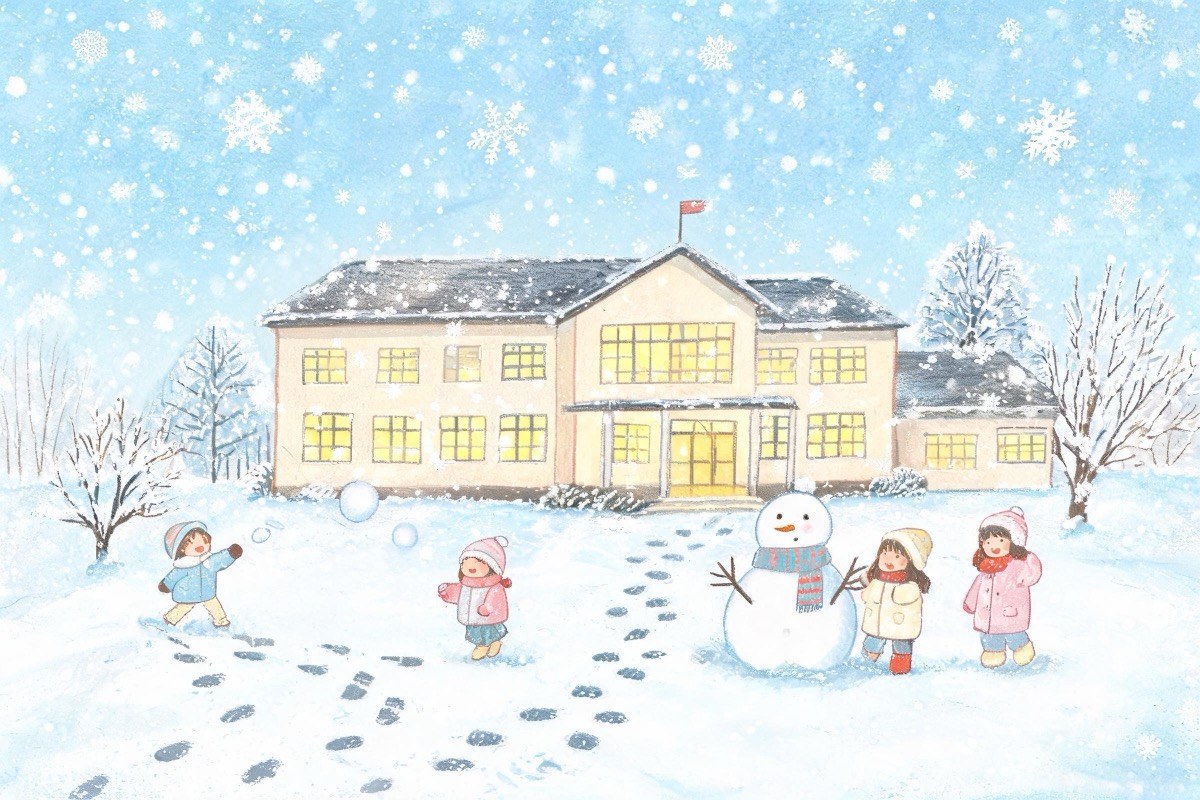
到中午,院子角上长出一座大雪堆。我把雪堆顶上拍平,坐了一个小雪人,雪人脑袋只有我拳头大。扫完雪,雪人站在干净地的边上,像替我们看着路。
妈妈喊我们吃饭,我的手冰得拿不住筷子,可是饿得很,吃了两碗。
这篇日记没有写「劳动光荣」,也没有写「虽然累但很开心」,劳动的乐趣却全在里面。
乐趣首先在工具上:比我高搬不动的铁锹,和那把我更喜欢它的破煤铲。孩子的劳动快乐,从有自己的工具开始。这一句是孩子的真话,大人写不出来。
乐趣也在分工里:爸爸管车道,妈妈管台阶前,我管把散雪推到角上。活儿不大,但有一块是归我的。孩子记住一次劳动,不是因为干得多,是因为有自己的一份。
乐趣最后在雪堆上:院子角上的雪山,雪山顶上的小雪人。扫走的雪没有消失,它换了个样子站在院子角上,还变成了玩具。这是扫雪劳动里最神奇的一件事,孩子自己会发现。
还有一处值得学:铁锹碰到石头那一声当啷。劳动的声音比劳动的动作更真。孩子写劳动常常只写手,忘了耳朵。
日记的格式也顺便说一下:第一行写日期、星期、天气,正文接着写事。二到四年级的日记不需要「通过这件事我明白了」那一段。把事写出来,明白就在里面。
让孩子借这篇的骨架:雪停了院子什么样、我的工具是什么、谁管哪一块、雪堆最后变成了什么。四步走完,三百字的日记自己就满了,不用大人帮一句。
The Snow Stopped, Let's Go Shovel: A 300-Word Model Diary and Where Its Joy of Work Lives
First read a diary entry written in the voice of a second or third grader, titled The Snow Stopped, Let's Go Shovel, about three hundred words long in its original Chinese. After reading it, we will look at where its joy of work was placed.
Here is the diary. November eighteenth, Saturday, sunny. The snow stopped last night, and this morning the whole yard was white, with only one line of footprints from the neighbor's dog. After breakfast, Dad brought two shovels out of the woodshed. One was taller than me and I could not lift it. Dad gave me the smaller one, which was really a broken coal scoop, but I liked it more than the big shovel. We divided the work: Dad took the driveway, Mom took the area in front of the steps, and my job was to push the scattered snow into the corner of the yard. When Dad's shovel hit a stone, it rang clang, and the sound seemed to reach all the way up to the roof. By noon, the corner of the yard had grown into a big snow mountain. I patted its top flat and sat a small snowman on it; the snowman's head was only as big as my fist. When we finished, the snowman stood at the edge of the clean ground, as if it were watching the road for us. Mom called us in to eat. My hands were so cold they could not hold the chopsticks, but I was so hungry that I ate two bowls.
This diary never says labor is glorious and never says tired but happy, yet the whole joy of the work is inside it.
The joy begins with the tools: the shovel taller than me that I cannot lift, and the broken coal scoop I actually prefer. A child's pleasure in working starts with having a tool of one's own. This sentence is a child's true feeling, and an adult could not invent it.
The joy continues in the division of labor: Dad takes the driveway, Mom takes the front of the steps, and I take the job of pushing loose snow into the corner. The job is small, but one piece of the yard belongs to me. A child remembers a day of work not because of how much was done, but because there was a share that was his.
The joy ends at the snow pile: the snow mountain in the corner and the small snowman on its top. The shoveled snow did not disappear; it changed shape and now stands in the corner, and it even turned into a toy. This is the most magical fact about shoveling snow, and children discover it by themselves.
One more detail is worth learning: the clang of the shovel hitting a stone. The sound of work is truer than the description of work. When children write about working, they usually write only their hands and forget their ears.
A word about diary format, since this is a diary: the first line carries the date, the day of the week, and the weather, and the body simply goes on with what happened. For grades two to four, a diary does not need a final paragraph beginning from this I learned. Write the events, and the learning is inside them.
Let children borrow the skeleton of this entry: what the yard looked like after the snow stopped, what my tool was, who took which area, and what the snow pile finally became. Walk these four steps and a three hundred word diary fills itself up without any adult help.
扫雪日记的三个场景怎么写:工具、分工、雪堆各给一句真话
《冬天的雪日记300字:雪停了,我们扫雪去》点名了三个场景:拿铁锹、分工清扫、雪堆。日记比作文短,每个场景只有几行,怎么让每一行都立住,一个一个说。
场景一,拿铁锹。别写「爸爸给了我一把铁锹」,写工具本身:柴房里拿出几把、哪把给谁、铁锹比人高还是矮、拿起来顺手不顺手。很多孩子真正的扫雪工具不是铁锹,是破煤铲、塑料雪铲、旧簸箕。把「我的工具到底是什么」写出来,这一段就有三行了。
场景二,分工清扫。分工的写法是把「谁管哪块」写清楚:爸爸管车道,妈妈管台阶前,我管推雪。写完分工,再写劳动里发生的一件意外:铁锹碰到石头的当啷声、一块怎么也铲不掉的冰、扬起来的雪落进谁的领子。有一个意外,扫雪就不是工作报告了。
场景三,雪堆。雪堆是扫雪的终点,也是孩子偷偷加游戏的地方:把雪堆拍平、在顶上坐个小雪人、往雪堆里插根胡萝卜。让孩子写他对雪堆做了什么,劳动乐趣全在这一段。雪堆还可以写个对比:扫之前院子全是雪,扫完院子全是干净地,雪全站在院子角上。
日记有自己的格式:第一行日期、星期、天气,正文三到五段,一段一个场景。二到四年级不需要分段很多,也不需要「我明白了」那一段。
扫雪日记最常见的毛病是写成流水账:我先扫,然后扫,最后扫。破法是问孩子:扫雪里最好玩的一件事是什么?有人是煤铲,有人是石头的当啷声,有人是雪堆上的小雪人。把那件事多写两行,整篇就活了。
另一个常见毛病是结尾:「虽然很累,但是我很开心。」换成身体感觉:手冰得拿不住筷子、外套里面出汗、鼻尖冻得通红。感觉就是结论,孩子不用再下结论。
有孩子没扫过雪怎么办。扫雪不难安排:下雪那天给孩子一个小工具,让他在门口清出一条路,十分钟就够。十分钟的材料足够写三百字日记。这类日记编不出来,因为工具的重量、铁锹的声音、手的冷,都得亲自碰过。
300字的分配建议:开头两行写雪停后的院子,拿铁锹六十到八十字,分工清扫一百二十字,雪堆八十字,结尾一行写手的感觉或者进屋吃饭。
最后检查一遍:读这篇日记的时候,能不能看见工具、听见声音、看见雪堆最后的樣子。三样都在,这篇日记就成立;缺哪样,回哪个场景补一句。
The Three Scenes of a Snow-Shoveling Diary: Give the Tool, the Division, and the Snow Pile One True Sentence Each
The outline for a three hundred word winter diary titled The Snow Stopped, Let's Go Shovel names three scenes: fetching the shovels, dividing the sweeping work, and the snow pile. A diary is shorter than a composition, so each scene gets only a few lines. Here is how to make every line stand.
Scene one, fetching the shovels. Do not write Dad gave me a shovel. Write the tool itself: how many shovels came out of the woodshed, which one went to whom, was the shovel taller or shorter than the person, did it feel right in the hands. For many children the real snow tool is not a shovel at all but a broken coal scoop, a plastic snow shovel, or an old dustpan. Write what your tool actually was, and the paragraph already has three lines.
Scene two, dividing the work. The way to write division is to state who took which area: Dad took the driveway, Mom took the front of the steps, I took the pushing. After the assignments, add one accident that happened during the work: the clang of a shovel hitting a stone, a patch of ice that would not come off no matter how hard you scraped, thrown snow landing inside somebody's collar. One accident, and the shoveling stops being a work report.
Scene three, the snow pile. The snow pile is the finish line of shoveling and also the place where children secretly add a game: patting the pile flat, sitting a small snowman on top, sticking a carrot into the slope. Let the child write what he did to the snow pile, and the whole joy of the labor lives in that paragraph. The pile also allows a comparison: before the shoveling the yard was all snow, after the shoveling the yard is all clean ground, and all the snow now stands in one corner.
A diary has its own format: the first line carries the date, the weekday, and the weather, and the body runs three to five paragraphs, one per scene. For grades two to four there is no need for many paragraphs, and no need for the paragraph that begins I understood that.
The most common flaw in shoveling diaries is the running account: first I shoveled, then I shoveled, finally I shoveled. The fix is to ask the child: what was the single most fun moment of the shoveling? For one child it is the coal scoop, for another the clang of the stone, for another the small snowman on the pile. Give that one thing two extra lines and the whole entry comes alive.
The other common flaw is the ending: tired but happy. Replace it with body feelings: hands too cold to hold chopsticks, sweat inside the coat, a nose tip thawing red. The feeling is the conclusion; the child does not need to add another.
What if a child has never shoveled snow? Shoveling is easy to arrange: on a snowy day, hand the child a small tool and let him clear a path at the front door for ten minutes. Ten minutes is more than enough material for a three hundred word diary. This kind of diary cannot be invented, because the weight of the tool, the sound of the shovel, and the cold in the hands all have to be touched personally.
For the three hundred words, a good split is: two opening lines for the yard after the snow, sixty to eighty for fetching the tools, one hundred twenty for the divided work, eighty for the snow pile, and one closing line about how the hands felt or about going inside to eat.
One final check: while reading the diary, can you see the tool, hear a sound, and see what the snow pile became at the end. If all three are there, the diary works; whichever is missing, go back to that scene and add one sentence.
小提示:上面此文档内容仅展示完整文档里的部分内容, 若需要下载完整文档请 点击免费下载完整文档 。