文章内容
外婆家的煤炉
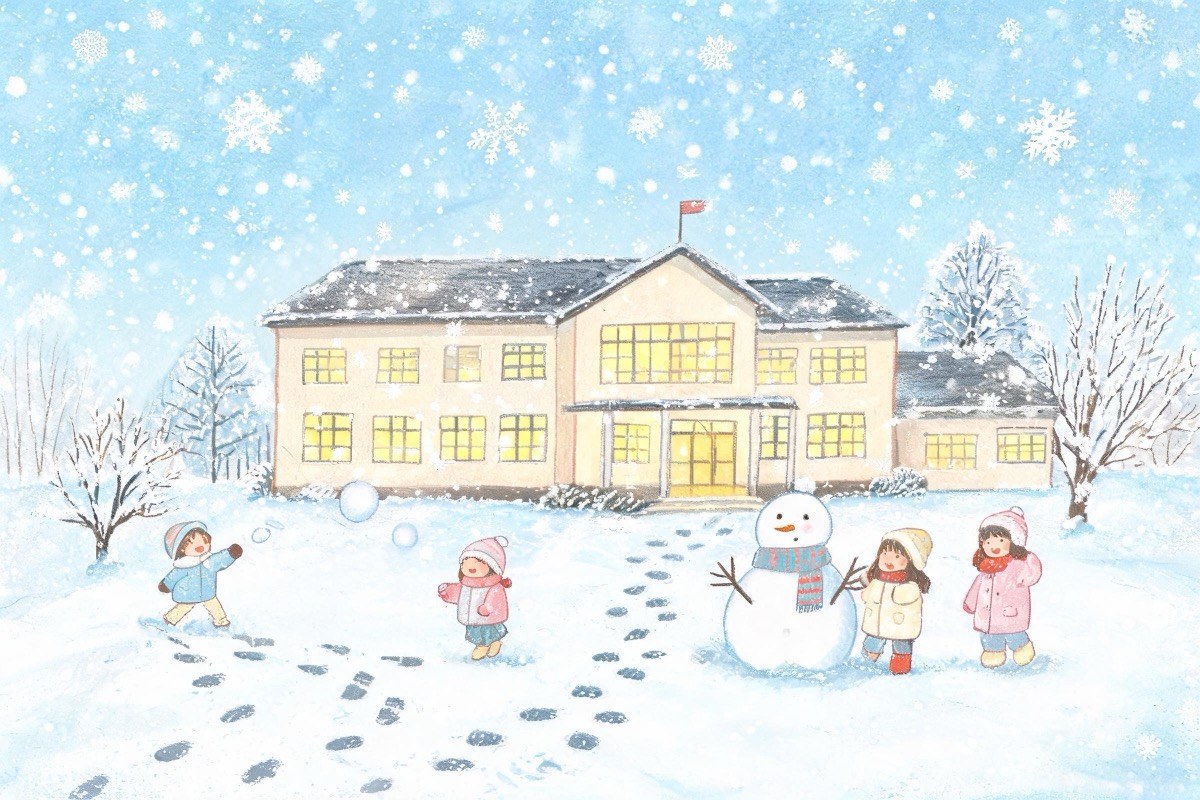
雪是后半夜下大的。我迷迷糊糊醒来,听见窗外有一种极轻的沙沙声,像有人隔着一层布在筛米。翻个身再睡,天亮时推开房门,院子里的雪已经没过了脚踝,柴垛变成了一座矮胖的白山。
外婆已经起了。她蹲在堂屋中间,往那只黑铁煤炉里添煤。炉盖揭开,里面的火膛红得像一口小小的井。她夹了一块蜂窝煤放进去,动作很稳,放正了,再盖上盖,壶坐上去。水还没开,壶底先响,咕嘟咕嘟,整间屋子先于太阳醒过来。
外公坐在炉边的矮凳上剥花生。他把花生一颗颗捏开,壳丢进脚边的簸箕,仁攒在搪瓷缸里。他不说话,偶尔朝炉子看一眼,火弱了,他就拿火钳捅两下通条,火星子跳起来,又落回去。
雪还在下。窗户玻璃上蒙了一层水汽,有人用手指在上面画了一条船。屋外白,屋内黄,两种颜色隔窗对望,谁也不服谁。
舅舅下班回来,进门先跺脚,鞋上的雪掉成一圈。他把手伸向炉子上方,手心翻过去翻过来,说这雪怕是要下满一天。外婆说下满好,麦子盖被子,来年馒头肥。这话她年年说,说得理所当然,像雪本来就该为馒头负责。
母亲和舅妈在炉子另一头择菜,说东家长西家短,说到好笑处,笑声压得低低的,怕惊了炉上的水。水一开,壶哨尖声叫起来,外婆提壶冲茶,屋里立刻漫出粗茶的香气,混着煤火的一点硫味。那是我整个童年里冬天的味道。
我们几个孩子是不坐凳子的。我们蹲在炉膛边,把红薯埋在通条够得着的炉灰里。等得人心焦,隔一会儿就问熟没熟。外婆说急什么,红薯跟你们一样,也得烤够时辰。红薯出炉时烫得两手倒换,掰开,红心的,热气扑脸。我们嘴边沾着糖稀,抬头看见一家人的影子都映在墙上,被炉火映得晃晃的,大的小的,挤在一起。
那晚的雪下到掌灯还没停。外公把最后一缸花生剥完,说够吃正月了。舅舅给炉子封了火,压上湿煤,火苗缩成一线,屋子慢慢暗下来,只剩炉门那一小方红。我们各自钻被窝,被子里提前放了汤婆子,是热的。
我躺在黑暗里,听见窗外雪落,听见屋里煤炉偶尔咔的一声,像它翻了个身。我想,外面的冬天那么大,屋里就这么一小炉火,可它把一屋子人都拢在一起了。
多年以后,城里的暖气很足,足到冬天进不了屋子。我再也遇不上那样一个雪夜:炉子坐在屋中央,水开着,花生剥着,闲谈压低了声音,雪在窗外负责把世界变白,一家人负责把火围热。
Grandma's Coal Stove
The snow grew heavy after midnight. I woke groggily and heard an extremely light rustling outside the window, like someone sifting rice through a cloth. I turned over and slept again. At dawn I pushed the door open and the snow in the yard already covered my ankles; the woodpile had become a short fat white mountain.
Grandma was already up. She squatted in the middle of the main room, feeding coal into the black iron stove. She lifted the lid and the fire chamber inside glowed red like a small well. She set a honeycomb briquette in with a steady hand, straightened it, closed the lid, and put the kettle on. The water had not boiled yet but the kettle bottom began to sing, gurgle gurgle, and the whole room woke before the sun.
Grandpa sat on the low stool by the stove shelling peanuts. He pinched them open one by one, tossed the shells into the winnowing basket at his feet, and saved the kernels in an enamel mug. He did not talk, just glanced at the stove now and then. When the fire weakened he poked the poker through twice, sparks jumped up and fell back.
The snow kept falling. The window glass fogged over, and someone drew a boat on it with a finger. Outside white, inside yellow, the two colors stared at each other through the glass, neither admitting defeat.
My uncle came home from work, stamped his feet at the door, and the snow off his shoes fell in a ring. He held his hands over the stove, turning them palm up palm down, and said this snow would probably fall all day. Grandma said good, let it fall all day, the wheat gets a quilt and next year the steamed buns will be plump. She said this every year, matter of fact, as if snow existed to serve the buns.
Mother and aunt trimmed vegetables on the other side of the stove, talking about this family and that, and when something funny came up they kept their laughter low, afraid of startling the water on the stove. When it boiled the kettle whistled sharp, Grandma lifted it to brew tea, and the coarse tea smell spread through the room, mixed with a touch of sulfur from the coal fire. That was the taste of winter in my whole childhood.
We children never sat on stools. We squatted by the fire chamber and buried sweet potatoes in the ash within reach of the poker. Waiting made our hearts itch, and every little while we asked whether they were done. Grandma said what is the rush, sweet potatoes are like you, they must be roasted their full time. When the potatoes came out we passed them from hand to hand for the heat, broke them open, red-hearted, steam in our faces. With syrup on our lips we looked up and saw the whole family’s shadows on the wall, wavering in the firelight, big and small, crowded together.
That night the snow had not stopped by lamplighting time. Grandpa finished the last mug of peanuts and said there were enough for the new year month. Uncle sealed the stove, pressing wet coal on the fire until the flame shrank to a thin line, the room slowly darkened, and only a small square of red remained at the stove door. We each crawled into our quilts, where a hot water bottle had been waiting, already warm.
lying in the dark I heard snow falling outside, and now and then a click from the coal stove inside, as if it turned over in sleep. I thought, the winter outside is so big, and inside there is only this little stove, yet it gathered the whole family around it.
Years later the city heating is strong, strong enough that winter never enters the room. I never met such a snowy night again: the stove sitting in the middle of the room, water singing, peanuts shelling, talk kept low, snow outside in charge of whitening the world, and the family inside in charge of warming the fire.
今晚的雪,今晚的火
雪是从八点开始下的。我先看见的是阳台上的晾衣杆,一根一根黑线,很快线上各顶起一道白。再往外看,楼下的车棚顶白了,冬青白了,白天刚扫出的那条小路,正一寸一寸地被填平。
雪下得这样认真,却没有声音。整栋楼好像被人按了静音,只剩屋里电陶炉的加热丝偶尔啪地轻响一声。
炉子摆在餐桌中间,是去年冬天买的,扁扁一个,上面坐一把陶壶。壶里是老白茶,汤色已经泡到琥珀。炉边一圈坐着人:妻子剥橘子,女儿摆她从学校带回来的棋,母亲守着壶,说火太小了,又说火太大了。调小也不是,调大也不是,她对着那只炉子的意见,比当年对着煤炉还多。
我负责把橘子一瓣一瓣码在烤网上。橘子烤热了,皮上渗出细油珠,香气是烫过的香气,比生的浓。女儿先抢,烫了手,甩两下,还是吃。
闲谈是从一块年糕开始的。母亲看见年糕,说起她小时候过年,年糕蒸在饭镬上,甜的是糖拌的,咸的是酱油的,她妹妹贪多,把一块咸年糕整个吞下去,噎住,全家拍背。说到拍背,父亲想起他单位老周,打呼噜响得隔壁办公室来敲门。说到老周,妻子想起她外婆家有条狗,见人就作揖。话题这样一路漂下去,没有一句有用,没有一句舍得停。
窗外的雪把小区下成了另一个地方。白覆盖了垃圾桶、电动车、白天那些着急的事。玻璃上开始结霜花,一小片一小片,像谁在窗上种蕨类。女儿忽然说,你们看,雪把路灯都举高了。我们去看,果然,路灯底下堆起的雪,把灯抬离了地面一截,光落下来,先落在雪上,再落到人上。
壶开了,水声细细的。母亲给每人续茶,自己的杯满着,就先不喝,端着。父亲放下报纸,加入战局,说起他年轻时步行二十里去赶集,雪深到小腿,鞋里灌了雪水,走到目的地把鞋脱下来拧,能拧出水来。他说这话时语气平常,像在说别人的事。我和女儿都喊了一声真的假的,他补一句,那年我十五,你们现在这个岁数。
女儿去棋盘边摆了一颗棋子,又跑回来问:爸,你那时候冷不冷?父亲想了想说,脚冷,身上热,赶集的人一路走一路出汗。这个答案女儿没懂,我也不打算解释。有些冷要自己走一遍才懂。
十点半,烤网第二层的橘子吃完了,壶里的茶淡成米汤色。妻子说明天雪后肯定冷,母亲说明天要扫雪,父亲说明天别迟到。明天的事说到一半就被今晚截住,因为雪忽然下密了,密到路灯下能看见雪片斜着飞。我们四个并排趴在窗上看,像四个孩子。
人到中年才慢慢明白:炉火贵的不是火,是这一炉人都在;闲谈贵的不是话,是没有一句要赶时间。窗外大雪负责把世界清空,屋里炉火负责把时间存起来。存进今晚的,够我们在往后许多个忙乱的日子里,取出来暖一暖手。
睡前最后看了一眼窗外。雪还在下,小区已经白得完整,像一张没写过字的纸。炉子关了,余温还烫。被窝里暖,梦里大概也是白的。
Tonight's Snow, Tonight's Fire
The snow began at eight. What I saw first were the drying poles on the balcony, black line after black line, each soon topped with a ridge of white. Looking further out, the shed roof below turned white, the evergreens turned white, and the path swept clean that morning was being filled in inch by inch.
The snow fell so earnestly, yet without sound. The whole building seemed muted by some hand, leaving only the heating coil of the ceramic stove inside, which gave a soft pop now and then.
The stove sat in the middle of the dining table, bought last winter, flat and low, with a clay pot on top. The pot held old white tea, its liquor already brewed to amber. Around the stove sat everyone: my wife peeling tangerines, my daughter setting out the board game she brought from school, my mother watching the pot, saying the flame is too small, then saying it is too big. Neither smaller nor larger pleased her. Her opinions about this stove exceeded what she once had about a coal stove.
My job was laying tangerine segments on the rack one by one. Heated, the peels beaded with fine oil, and the fragrance was a scorched fragrance, thicker than raw. My daughter grabbed first, burned her hand, shook it twice, and ate anyway.
The idle talk started from a piece of rice cake. Mother saw the cake and recalled her childhood New Year, when cake was steamed over the rice wok, sweet ones tossed with sugar, salty ones with soy sauce. Her little sister, greedy, swallowed a whole salty piece and choked, and the whole family thumped her back. From back-thumping, father remembered Old Zhou at his office, whose snoring was so loud the next office knocked on the wall. From Old Zhou, my wife remembered a dog at her grandmother’s house that bowed to every visitor. The topics drifted on like this, not one sentence useful, not one sentence worth stopping.
Outside, the snow turned the compound into another place. White covered the trash bins, the electric scooters, the hurried things of daytime. Frost flowers began growing on the glass, patch after patch, as if someone were planting ferns on the window. Our daughter suddenly said, look, the snow is lifting the street lamps higher. We looked. Sure enough, the snow piled under each lamp had raised it a span above the ground, and the light fell first onto snow, then onto people.
The pot boiled, its sound thin. Mother refilled everyone’s cup; her own was full, so she held it without drinking. Father put down his newspaper and joined the table, telling how as a young man he walked twenty li to market in snow deep to his calves, water seeping into his boots, and at the destination he took off his boots and wrung out water. He said it in a flat tone, as if about someone else. My daughter and I both cried out, really? He added, I was fifteen that year, your age now.
Our daughter placed one stone on her board, then ran back to ask, Dad, were you cold then? Father thought a moment and said, feet cold, body hot, people walking to market sweated the whole way. She did not understand that answer, and I did not plan to explain. Some colds must be walked through to be understood.
At ten thirty the second rack of tangerines was gone, the tea faded to the color of rice water. My wife said tomorrow after the snow it would surely be colder. Mother said the snow must be swept tomorrow. Father said do not be late tomorrow. Tomorrow’s business was cut off halfway by tonight, because the snow suddenly thickened, thick enough to see flakes slanting through the lamplight. The four of us lay side by side at the window watching, like four children.
Only in middle age do you slowly understand: what is precious in a stove fire is not the fire but all these people around it; what is precious in idle talk is not the words but that no sentence is racing anywhere. The big snow outside clears the world, the fire inside stores up time. What is stored tonight can be taken out on many busy, scrambled days ahead, to warm our hands.
Before bed I took one last look outside. The snow was still falling, the compound already completely white, like a sheet of paper with nothing written on it. The stove was off, its leftover heat still warm. The quilt is warm, and the dreams, probably, are white too.
小提示:上面此文档内容仅展示完整文档里的部分内容, 若需要下载完整文档请 点击免费下载完整文档 。