文章内容
窗外的银杏树,教我慢慢长
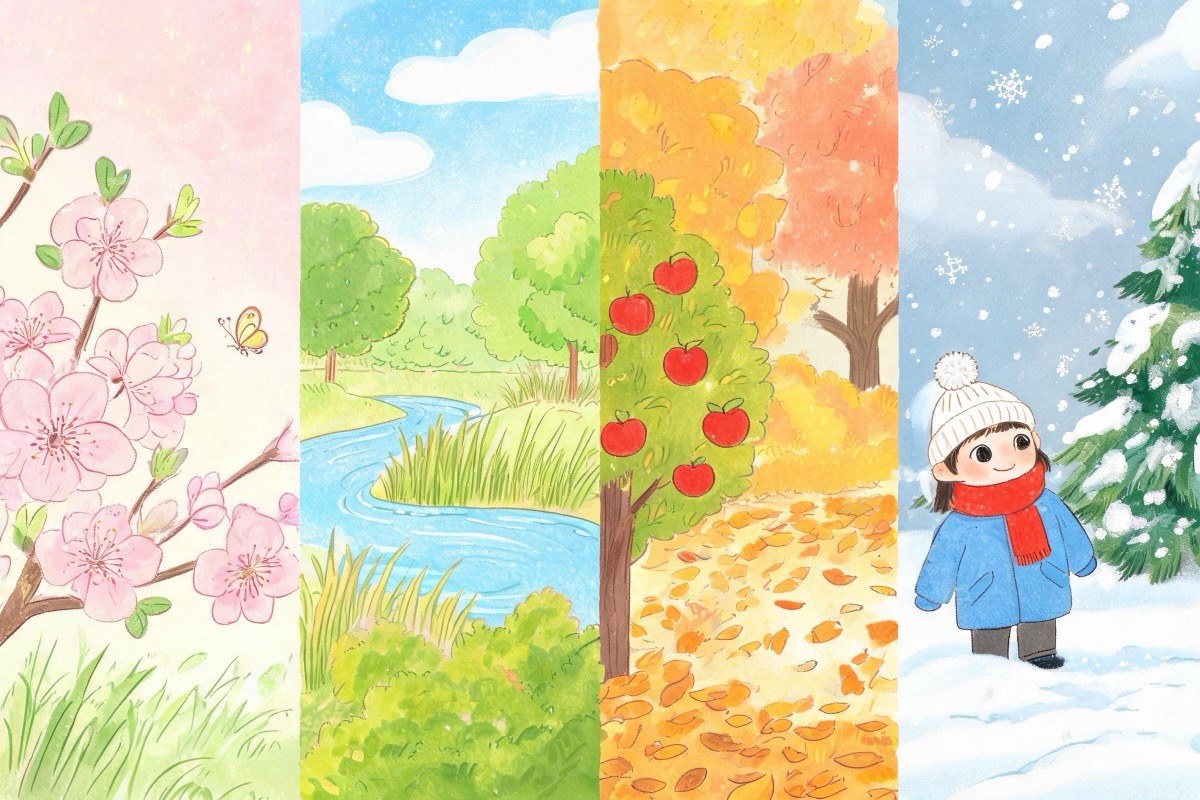
初二那年,我的座位靠窗,窗外立着一棵和学校一样老的银杏树。那一年,我的成绩像掉进水里的石头,尤其是物理,怎么使劲,图像题都横在面前像一堵墙。我开始怀疑自己,甚至想过干脆放弃,混一天算一天。
初春的时候,银杏还光着枝子。别的树一个一个冒芽,它不动,像睡熟了。我问看门的叔叔,叔叔说,银杏慢,要等地完全暖透才肯发芽。我心里笑它:这么慢,岂不是永远落后?
可很快我发现不一样。别的树新叶被倒春寒冻焦的时候,银杏的芽苞才刚刚要开,一个都没受伤。到了初夏,它的叶子绿得又厚又实,一把一把小扇子,一点也不比那些早发的树稀。
夏天有一晚刮大风下暴雨,我以为银杏的枝子肯定要断光。第二天早上,它确实断了几根,可断口上包着一层硬硬的疤,疤边上又拱出新的小芽。植物不抱怨倒霉的事,它们只管接着长。
秋天,银杏黄透了,全班都去树下拍照。深秋北风里,别的树早落光了叶子,它还攥着最后几片金黄,在风里晃,不肯轻易掉下来。
第二年开春,我的物理成绩慢慢爬了回来。我没有熬夜刷题,只是从最基础的受力图开始,每道图像题画一遍,一天弄懂一道。这像极了银杏:发芽晚,可发得稳。我终于明白,成长有自己的节奏,一时落后不等于一辈子落后。
我还开始记错题本,每周把做错的题抄下来,周日重做一遍。起初本子上全是红叉,到了冬天,红叉明显少了。季节一圈一圈转,本子一页一页厚,我的成绩终于止跌,开始往上走。
现在每当我心慌,就望一眼窗外那棵银杏。它提醒我:慢不可怕,可怕的是不再生长。接下来一年,我要像银杏那样,不慌别人早早发芽,只管暗暗攒力气,把缺的东西一点一点补回来。
The Ginkgo Outside My Window Taught Me to Grow Slowly
In Grade 8, my desk sat by the window, and outside the window stood a ginkgo tree as old as the school. That year my grades sank like a stone thrown into water, especially in physics: no matter how hard I tried, the graph problems stayed a wall in front of me. I began to doubt myself and even thought about giving up and drifting through the days.
In early spring the ginkgo was still bare. Other trees sprouted one after another, but it did not move, as if asleep. I asked the groundskeeper uncle, and he said the ginkgo is slow; it sprouts only after the ground is fully warm. I laughed at it in my heart: at that pace, would it not always fall behind?
But soon I noticed something different. When the young leaves of other trees were scorched by the late-spring cold, the buds of the ginkgo had barely opened, so not one was hurt by the chill. By early summer its leaves were green and thick, shaped like little fans, and no less lush than the trees that sprouted early.
One summer night a violent storm broke, and I thought the ginkgo would surely lose its branches. The next morning it had lost a few, but the broken ends were sealed with a hard callus, and new buds were pushing out from the edges of the wounds. Plants do not cry over bad luck; they simply keep growing.
In autumn the ginkgo turned golden, and the whole class came to take photos under it. In the howling north wind of late autumn, other trees had long dropped their leaves, but it still held on to the last few golden ones, swaying in the wind, not willing to fall easily.
The next spring my physics grades had slowly climbed back. I did not pull any all-nighters; I just started from the simplest force diagrams, drew every graph problem once, and understood one problem a day. It was exactly like the ginkgo: sprouting late, but sprouting steadily. I finally understood that growth has its own rhythm, and falling behind for a moment does not mean falling behind for a lifetime.
I also kept a correction notebook, copying the problems I got wrong each week and redoing them on Sundays. At first the pages were full of red crosses; by winter the red crosses had clearly decreased. The seasons turn round after round, the notebook grows page after page, and my grades finally stopped dropping and began to rise.
Now whenever I feel anxious, I look out of the window at that ginkgo. It reminds me: being slow is not the fear; stopping growth is. In the year ahead I want to be like the ginkgo, not panicking because others sprout early, quietly building my strength, and making up what I lack one piece at a time.
一千米跑道上的四个季节
初一的体测,我跑一千米用了五分二十秒,全班倒数。体育老师摇摇头说,这孩子不是体力不行,是从来没坚持过。那天放学,我站在操场边,看着红色的跑道,做了一个决定:从明天起,每天放学跑一圈,只跑一圈。
秋天是容易开始的季节。风不冷不热,跑道边的梧桐叶一片一片落下来,我绕着操场跑第一圈,居然不觉得太难受。第一周,我天天来;第二周,下雨停了两天,雨一停我又来了。我给自己定了个规矩:可以慢,可以走一段,但不许整周不来。
冬天才是真正的考试。天一黑得早,风灌进领口,像吞了小刀子。第一个零下温度的早晨,我在被窝里挣扎了十分钟,最后还是穿上鞋去了操场。那个月我瘦了,可有一件事让我吃惊:有一次体育课重新测一千米,我跑进了四分五十秒。原来冬天偷偷攒下的力气,会在某一天突然还给你。
最难的是冬末春初,成绩不再进步,腿还总酸。我一度觉得每天的圈白跑了,干脆连着三天没去。第四天我路过操场,看见体育老师一个人在跑道上一圈一圈走。他没在训练,只是走着。我忽然明白,坚持不是每天都热血沸腾,而是在不想来的日子里还是来。那天晚上,我重新系紧了鞋带。
春天来了以后,变化像草一样冒出来。我能跑完两圈不停,再变成三圈。跑道边的玉兰花开了又谢,我的呼吸越来越稳,最后两百米甚至有力气冲刺。夏天体测,我跑出了四分十秒,及格线之上,全班进步奖有我一个。
回头看这四个季节,秋天给我开始,冬天给我磨炼,春末给我动摇后的选择,夏天给我答案。我从前以为坚持是一句喊出来的话,现在知道它是一圈一圈跑出来的账:每一天都记在腿上,从不赖账。
我也把跑道的道理用到了学习上。背单词从每天十个开始,像每天一圈,寒假断过,开学接上。一个学期过去,我的英语从七十多分爬到九十多分。原来任何一门功课,都怕一个每天多跑一圈的人。
新的学期,我打算把三圈变成四圈,把跑步和学习的节奏都保住。我更想告诉一年前的自己:别怕开始得晚,别怕冬天,只要季节转完一整圈,跑道总会把答案交到你手上。
Four Seasons on the Thousand-Meter Track
In the fitness test of Grade 7, I ran the thousand meters in five minutes twenty seconds, the worst in class. Our PE teacher shook his head and said the boy was not weak; he had simply never persisted at anything. That afternoon I stood beside the playground, looked at the red track, and made a decision: starting tomorrow, one lap after school, only one lap.
Autumn is a season easy to begin in. The wind was neither cold nor hot, plane-tree leaves fell one by one beside the track, and my first lap was surprisingly bearable. The first week I came every day; in the second week rain kept me away for two days, and I returned the moment the rain stopped. I set my own rule: I may go slow, I may walk a stretch, but I must not miss an entire week.
Winter was the real examination. It got dark early, and the wind poured into my collar like swallowing little knives. On the first morning below zero, I struggled under the quilt for ten minutes and still put my shoes on and went to the playground. That month I grew thinner, but one thing astonished me: at a retest in PE class I ran the thousand meters inside four minutes fifty seconds. It turns out the strength quietly saved up in winter gets paid back all at once one day.
The hardest stretch was late winter and early spring. My time stopped improving and my legs always ached. I decided the daily laps were wasted and stayed away three days in a row. On the fourth day I passed the playground and saw the PE teacher walking lap after lap on the track alone. He was not training; he was just walking. It hit me then: persistence is not being hot-blooded every day; it is showing up on the days you do not want to. That evening I tied my shoelaces tight again.
After spring arrived, the changes sprouted like grass. I could finish two laps without stopping, then three. The magnolia blossoms beside the track opened and fell, my breathing grew steadier, and in the last two hundred meters I even had strength to sprint. In the summer fitness test I ran four minutes ten seconds, above the passing line, and one class progress award was mine.
Looking back across the four seasons: autumn gave me a beginning, winter gave me grinding, late spring gave me a choice after wavering, and summer gave me the answer. I used to think persistence was a slogan shouted out loud; now I know it is an account run lap by lap: every day is recorded in your legs, and it never skips a debt.
I also applied the lesson of the track to studying. I started memorizing ten words a day, like one lap a day, broke off during winter vacation, and picked it up when school reopened. One term later my English climbed from the seventies to the nineties. It seems no school subject can resist a person who runs one more lap every day.
In the new term I plan to turn three laps into four and keep the rhythm of both running and studying. More than anything I want to tell the me of one year ago: do not fear starting late, do not fear winter; once the seasons complete a full circle, the track will always hand the answer to you.
小提示:上面此文档内容仅展示完整文档里的部分内容, 若需要下载完整文档请 点击免费下载完整文档 。