文章内容
故乡的稻浪
离开故乡的第二十年,我还在梦里见过那片稻浪。梦里的稻浪跟记忆里不一样,总是从田的那头先白起来,像水开了锅,白浪一直滚到我跟前。我就蹲在田埂上,手扶着稻穗,抬手时谷粒就落进掌心,一颗一颗,带着体温。
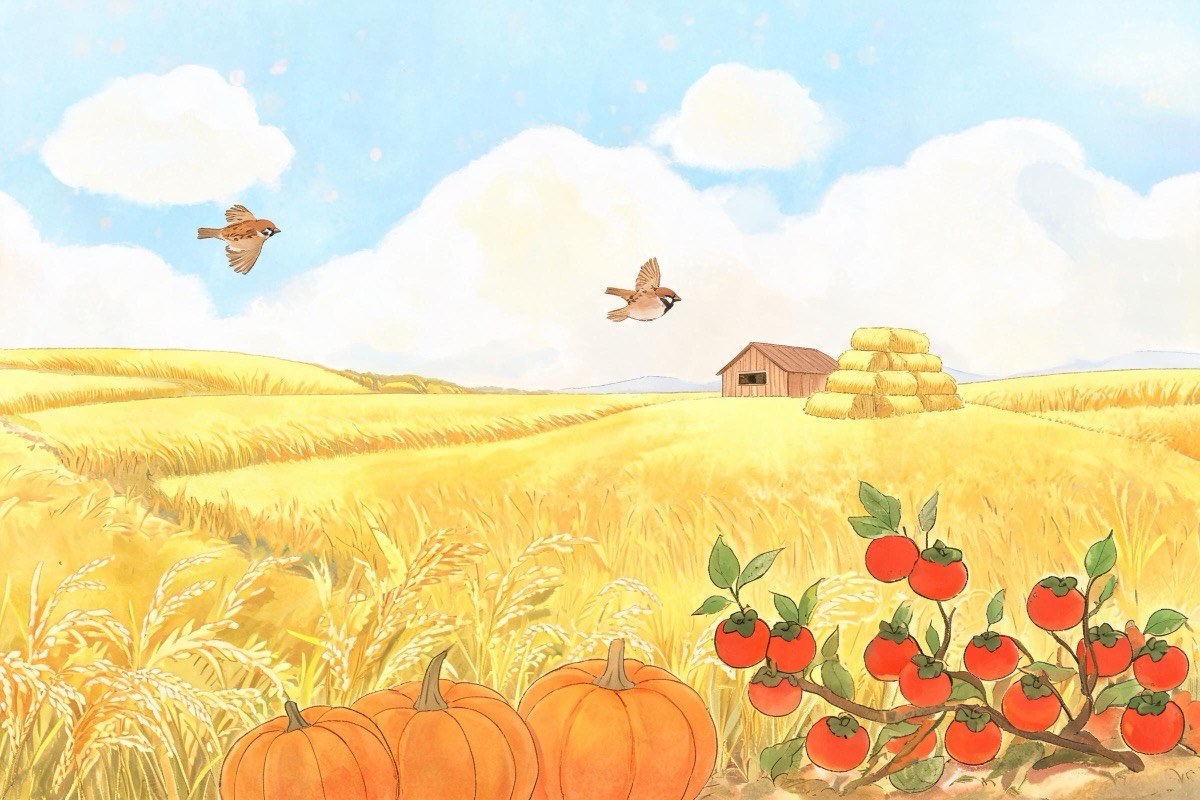
故乡没有多少平地,田顺着山坡一层一层铺上去,像一摞金色的碗摞在高处。秋风来的时候,稻浪不是一齐起的,它从最低那丘田先起,一层一层往上赶,赶到最顶上一层,浪就细了,像谁在上头低声说了一句什么。站在山下的小路上看那些浪满山跑,你会忽然明白老辈人为什么说稻子越熟头越低——整座山都在同一刻低头,光在芒尖上碎开,晃得人不敢久看。
山脚下是打谷场,一块夯实了的泥地,被大人扫得干干净净,四角堆着几垛旧稻草。日头最毒的时候全村都在场上,掼稻的掼床一响一响,谷粒四散,地上像铺了一层金粉。我们小孩子没有别的事做,只往稻草垛上爬,在垛顶打滚,谷壳钻进领口,痒得一边挠一边笑。大人不骂我们,只直起腰看一眼,抹一把汗,又接着掼。
最难忘的是打谷场的夜晚。谷子晒干收进仓后,场上只剩薄薄一层谷壳,大人搬了竹床到场中央坐着,聊这一年的收成,说谁家多打了几担谷,说谷价又涨了。我们小孩子躺在竹床上数星星,稻茬的凉气从脚底慢慢升上来,混着露水和干草的味道,不知不觉就睡过去了,第二天清早被人抱回家,身上还沾着谷壳。
炊烟是傍晚升起来的,没有谁通知谁。先是一缕,再是两缕,然后整个谷口都是烟,低低地走,跟落日的余晖搅在一起。谁家的奶奶站在弄口喊一声吃饭,声音拉得又细又长,一直能传到田那头。我们从草垛上溜下来,饿着肚子往家跑,炊烟味混着新谷味,浓得几乎可以嚼。
后来我在很多地方吃过米饭,都没有那个味道。我知道故乡的稻浪早就退出山坡了,打谷场也铺了水泥。可每年秋风穿过城里的梧桐树时,我就知道,心里那片浪又起来了,一层一层,一直滚到我站着的地方。
The Rice Waves of My Hometown
Twenty years after leaving my hometown, I still see those rice waves in my dreams. In dreams they never look quite like the ones in my memory. They always turn pale first at the far end of the field, as if the water had come to a boil, and the pale waves roll all the way to my feet. I crouch on the field ridge, my hand resting on the rice ears, and when I lift my palm, the grains fall into it one by one, warm.
My hometown has little flat land. The paddies lie along the hillside, tier above tier, like golden bowls stacked one over another. When the autumn wind passes, the waves do not rise all at once. They begin in the lowest paddy and climb, layer by layer, until they reach the topmost terrace and thin into a faint ripple, as if someone up there had whispered a single word. Standing on the path at the foot of the hill, watching the waves run across the whole slope, you finally understand why the elders say the rice ears bow lower when they are riper. The entire hillside is bowing at the same moment, and the light breaks on the tips of the awns, too bright to look at for long.
At the foot of the hill lies the threshing ground, a yard of packed clay swept spotless, with old straw piles stacked in the corners. At noon the whole village is out there, the flails rising and falling in a steady beat, rice grains scattering like gold dust over the ground. We children do nothing but climb the straw piles and roll on top of them, chaff sliding into our collars, itching everywhere, and we laugh while we scratch. The adults do not scold us. They only pause, wipe their sweat, glance at us, and swing the flail again.
The night on the threshing ground is what I miss most. Once the grain was dried and stored, only a thin layer of husks was left on the ground. The adults carried bamboo beds out to the middle of the yard and sat down to talk about the year, saying how many more baskets one family had threshed, saying the price of grain had gone up again. We children lay on the beds counting stars, the coolness of the rice stubble rising slowly from under our feet, mixed with the smell of dew and dry grass, and before we knew it we fell asleep, only to be carried home early the next morning with husks still clinging to our clothes.
The cooking smoke rises at dusk without warning. First one wisp, then another, until the whole valley is filled with it, drifting low, mixed with the last light of the setting sun. Some grandmother stands at the mouth of a lane and calls everyone home for supper, her voice stretched thin enough to reach the far end of the paddies. We scramble down from the straw piles and run home hungry, the smell of cooking smoke tangled with the smell of newly hulled rice, so thick you could almost chew it.
Since then I have eaten rice in many places, and none of it ever carried that smell again. I know the rice waves of my hometown have long left that hillside, and the threshing ground has been paved with cement. But whenever an autumn wind moves through the plane trees in the city, I know the waves in my heart are rising again, layer by layer, all the way to where I stand.
那年秋天,我回到稻浪中间
那年十月,我请了几天假回故乡。车在镇口停下,我背着包往村里走,走出不到一里路,路两边的田就把我整个人包住了。
稻子熟了,是我小时候看熟的那种熟,黄得发沉,不是城里公园草地的黄。风一来,稻浪从远处压过来,先压弯最外一圈,再往里一层一层地弯,弯下去的时候不响,等风头过去才哗地响成一片,像有人在很远的地方抖开一匹布。我站在路中间让那阵声音从头到脚过了一遍,站了很久。路边一丘田的田缺开着水,水声很轻,田里的稻茬影子落在浅水上,一晃一晃。
再往前走就听见掼稻的声音了。打谷场还在老地方,村尾那棵大樟树底下。场上谷子堆成小山,几个老人光着脚在谷堆上翻晒,木耙推过去,谷粒沙沙地响。一个老人直起腰看我,看了两秒,喊出我的小名。他认出了我,我一时却没认出他——他从前是生产队里掼稻最快的一条好汉。他拉我去场边的草垛坐着,抓一把新谷塞进我手心,让我闻。新谷的香是清的,带着太阳晒过的气味,我捏着那把谷没舍得撒。
中场休息时,场上的人围坐成一圈,谁家婆婆提来一桶泡了茶的新米团子,一人一个,咬开是红糖馅,烫得直吸气。米团子就是场上刚打下来的新米做的,软糯里带一点谷壳的涩,城里点心铺做不出这种涩。老人们一边吃一边讲旧事,讲哪一年秋天雨连下了半个月,全村抢在雨前抢收,打谷场的灯点到后半夜。我听着那些年份,像听一段不属于我却又确实发生过的历史。
傍晚我往家走,炊烟已经起来了。各家各户的烟从屋后升起来,先笔直,再被风压弯,在村子顶上连成薄薄一层。有家的烟囱冒的是柴烟,有家的冒的是稻草烟,稻草烟里有一股甜。走到自家屋前,灶间的火光从门缝里漏出来,我妈在灶前添草,锅里的水正响。那一刻我心里某个放了很久的东西忽然落了地。
假满回城,我在车上回头看那些田一直退到山背后。我想,稻浪年年都起,炊烟年年都升,只是看它们的人一年一年走远了。可只要秋天一到,我手心还留着那把新谷的香。
That Autumn, I Walked Back Into the Rice Waves
That October I took a few days off and went back to my hometown. When the bus stopped at the town entrance, I set off for the village with my bag on my back, and less than a li down the road, the paddies on both sides closed over me like water.
The rice was ripe in the old way I remembered from childhood, a heavy yellow, not the pale yellow of city park lawns. When the wind came, the waves pressed in from far away, bending the outermost ring of rice first, then layer after layer inward. They bent down without a sound, and only after the gust passed did they burst into a rustle all at once, like someone shaking out a long bolt of cloth somewhere in the distance. I stood in the middle of the road and let that sound pass through me from head to foot, and I stood there a long time. A paddy by the road had its water inlet open, the water murmuring softly, and the shadows of rice stubble swayed in the shallow water.
Farther on I heard the sound of threshing. The threshing ground was still in its old place, under the big camphor tree at the end of the village. Grain was piled into small hills on the yard, and several old men with bare feet were turning it in the sun, pushing wooden rakes through it so the grains hissed. One old man straightened up, looked at me for two seconds, and called out my childhood name. He recognized me, though for a moment I could not place him. He had once been the fastest thresher in the production team. He pulled me to sit by a straw pile at the edge of the yard, pressed a handful of new grain into my palm, and told me to smell it. The fragrance of fresh rice is clean, carrying the smell of sun on it, and I held that handful without wanting to let it go.
At the midday break the people on the yard sat in a circle, and a grandmother from one of the houses brought over a bucket of new-rice dumplings soaked in tea, one for each person. Bitten open, they were filled with brown sugar, so hot that we kept inhaling sharply. The dumplings were made from the new rice threshed on that very yard, soft and chewy with a faint astringency of husk in them, the kind no pastry shop in the city can produce. The old people ate while telling old stories, about the year the autumn rain lasted half a month without stopping and the whole village raced to harvest before the storm, the lights on the threshing ground burning past midnight. I listened to those years as if hearing a history that was not mine yet had truly happened.
In the evening I walked home. The cooking smoke had already risen. Wisps climbed from the chimneys behind each house, straight at first, then bent by the wind, joining into a thin layer over the village. Some chimneys gave off wood smoke, others rice-straw smoke, and the straw smoke had a sweetness in it. When I reached my own house, light from the stove leaked through the door crack. My mother was feeding straw into the fire, and the water in the wok was beginning to sing. At that moment something in my heart that had been held up for years suddenly settled.
When my leave was over I looked back from the bus as the fields retreated behind the hills one by one. The rice waves rise every year, I thought, and the cooking smoke rises every year; only the people watching them walk farther away year by year. But once autumn arrives, the fragrance of that handful of new grain is still on my palm.
小提示:上面此文档内容仅展示完整文档里的部分内容, 若需要下载完整文档请 点击免费下载完整文档 。