文章内容
写妈妈笑了主题诗歌:三个意象各管一段
写妈妈笑了主题的诗歌,先把三个意象分工定下来,再动笔。提纲要求出现晨光、餐桌、微笑,三个词不能都当装饰用:晨光管时间,交代一天怎么开始;餐桌管场景,给笑容一个发生的地方;微笑管情感,是全诗要落的那一点。分工清楚,诗就有了骨架。
行数按提纲落在二十到三十行之间,最稳的排法是五段:开头四行,写晨光进屋;第一段六行,写餐桌上的日常细节,碗筷、热气、摆好的包子;第二段六行,写妈妈做这些事时的手和背影;第三段五行,写抬头撞见微笑的那一瞬;结尾四行,把笑容和春天接起来。每段行数接近,读起来节奏才稳。
动笔前先花五分钟列细节清单。坐在桌前回想一个真实早晨:几点被什么声音弄醒,先闻到什么,桌上摆的是什么,妈妈当时在做什么,她有没有回头。把能想起来的都写下来,写诗时从清单里挑,比凭空想快,也不容易写空。清单里没有的细节不要硬编,编出来的细节经不起读。挑细节时优先选带声音、带温度、带具体时刻的,这类细节最容易写进诗里。
语言凝练靠删。写完后逐行检查,删掉解释性的词,比如感到、觉得、非常、多么。句子尽量用名词和动词撑起来,少用形容词堆叠。比喻全诗最多一个,放在结尾,前面都用白描,含蓄的抒情才留得住。
标题里的春天要在诗里落地。可以在结尾用一处轻的动作呼应,比如把围裙叠好、把椅子推回桌下,让笑容带出的暖意落在具体画面上,而不是喊出来。
最后朗读一遍。哪一处换气不顺,那一行多半塞了多余的字;哪一处读起来像散文,就把连接词去掉,让两行直接并置。改到整首能一口气读完,再誊抄。
Writing a Poem About Mothers Smile: Three Images Each With a Job
Before writing a poem on the mothers-smile theme, assign each image a job first. The outline asks for morning light, a dining table and a smile. None of them should be decoration: morning light handles time and shows how the day begins; the dining table handles the scene and gives the smile a place to happen; the smile handles feeling and is where the whole poem lands. With the division clear, the poem has a skeleton.
Keep the lines between twenty and thirty as the outline requires. The safest layout is five stanzas: four opening lines about light entering the room; six lines on small table details, bowls, chopsticks, steam, steamed buns laid out; six lines on the hands and back of the mother while she works; five lines on the instant of looking up and meeting her smile; four closing lines joining the smile to spring. Similar line counts per stanza keep the rhythm steady.
Before drafting, spend five minutes listing details. Sit at the table and recall one real morning: what time woke you and with what sound, what you smelled first, what sat on the table, what your mother was doing, whether she turned around. Write down everything you can recall; picking from the list beats inventing on the spot and keeps the poem from going hollow. Do not force in details the list does not have; invented ones will not survive a careful read. When picking details, prefer ones with sound, temperature or an exact hour, since those enter a poem most easily.
Compression comes from deleting. Check line by line and remove explanatory words such as feel, think, very, so. Build sentences on nouns and verbs, stack fewer adjectives. Use at most one metaphor in the whole poem, placed at the end; keep everything else plain description so the quiet lyricism survives.
The spring in the title must land inside the poem. Echo it with a light action at the close, folding the apron, pushing the chair back under the table, so the warmth carried by the smile rests on a concrete picture instead of a shout.
Read the draft aloud once. Where the breath stumbles, that line likely holds an extra word; where it reads like prose, cut the connective and let two lines stand side by side. Keep editing until the whole poem can be read in one breath, then copy it clean.
假设范文《餐桌上的春天》逐段拆解
假设一首初中生习作《餐桌上的春天》,共二十二行,分五段。逐段看它怎么把提纲里的三个意象放进来,就能明白别人踩过的点。
第一段四行:六点二十,晨光斜过窗台,落在桌角,那里摆着碗筷。评:时间精确到分钟,晨光落在桌角而不是洒满房间,落点越小越真。第一行就完成晨光管时间的任务。
第二段六行:粥在锅里小声响,勺子碰着锅沿,包子排成一列,热气把窗玻璃弄模糊。评:全是声音和动作,没有一句夸妈妈辛苦。粥小声响、勺子碰锅沿,两个细响衬出清晨的安静,餐桌场景靠听觉立起来,比视觉描写省力。
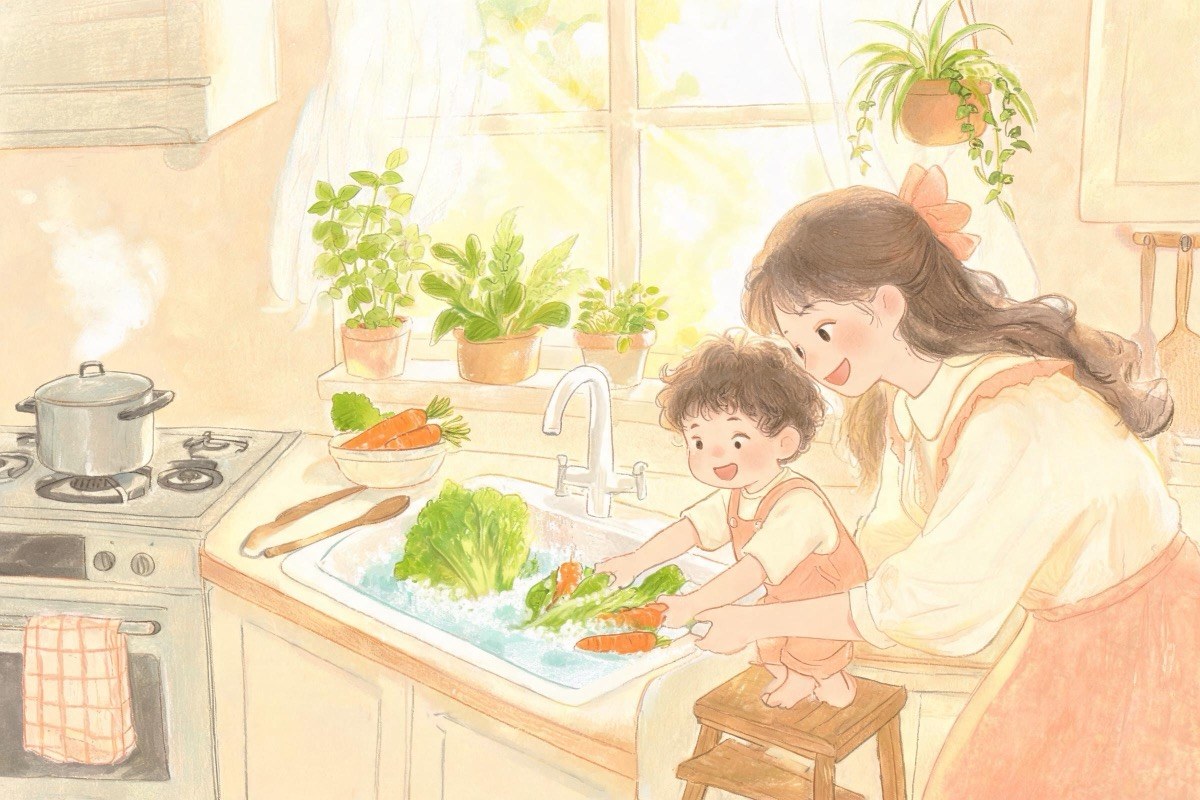
第三段六行:她的手在围裙上擦了擦,又去摆第三双筷子,围裙带子在腰后打了个死结。评:不写脸先写手和围裙,背影比正面更有余地。死结这个细节值得抄:一个结里装着常年早起的人,不用任何形容词。
第四段五行:我抬头,她正好回头,眼睛弯了一下,像有人把灯拧亮半格。评:微笑出现了,全诗唯一的比喻也在这里,半格灯写的是亮度变化,不是大笑,含蓄就在这个半字上。前面四段全是白描,比喻只此一个,才不显得抢。
第五段四行收尾:原来春天不在窗外,它在碗筷摆好的地方,在她转身的半秒里,比我先醒。评:春天接住了标题,比我先醒把妈妈起得早这层意思压成一行,没有喊感恩。
这首习作也有可挑的地方:第二段三个细节都写吃食,略挤,可以挪一个到窗外,比如楼下早点摊的动静,让屋子内外各有一个声音,空间更大。另外第五段原来只有三行,补到四行后节奏才和前面各段对齐,说明行数不是凑数,是呼吸的格子。
从这首假设习作里可模仿的三个手法:细节带声音、背影代替正面、比喻只留一个放结尾。自己写完对照一遍,缺哪个补哪个。
A Sample Poem Annotated Stanza by Stanza
Suppose a middle school draft titled Spring at the Dining Table, twenty-two lines in five stanzas. Reading it stanza by stanza shows how the three required images get placed, and which lines do real work.
Stanza one, four lines: at 6:20, morning light slants across the windowsill onto the corner of the table, where bowls and chopsticks are set. Note: the time is exact to the minute, and the light lands on one corner instead of flooding the room; the smaller the landing point, the truer it feels. The first stanza already lets morning light do its time job.
Stanza two, six lines: the porridge murmurs in the pot, the spoon taps the rim, buns stand in a row, steam blurs the window glass. Note: all sound and motion, not one line praising her hard work. The murmur and the tap frame the morning quiet; the dining table stands up on hearing, which costs less effort than visual description.
Stanza three, six lines: her hands wipe on the apron, then set out a third pair of chopsticks, the apron strings tied in a hard knot behind her waist. Note: hands and apron before the face; a back view leaves more room than a front one. The hard knot is worth copying: one knot holds years of early rising without a single adjective.
Stanza four, five lines: I look up, she turns at the same moment, her eyes bend once, like someone turning a lamp up half a notch. Note: the smile arrives, and so does the only metaphor in the poem. Half a notch writes a change in brightness, not a big laugh; the restraint lives in that half. Four stanzas of plain description before it keep the metaphor from stealing the show.
Stanza five, four closing lines: so spring is not outside the window, it is where the bowls and chopsticks are set, in the half second of her turning, waking before I do. Note: spring catches the title, and waking before I do compresses her early rising into one line without shouting gratitude.
The draft also has flaws worth naming: all three details in stanza two are about food, which crowds the stanza; one could move outside, say the sounds of a breakfast stall downstairs, so one sound lives indoors and one outdoors and the space breathes. And stanza five originally had only three lines; bringing it to four aligns its rhythm with the other stanzas, which shows line counts are breathing slots, not padding.
Three techniques from this hypothetical draft worth imitating: details that carry sound, a back view instead of a face, one metaphor kept for the ending. Compare your own draft against them and fill whatever is missing.
小提示:上面此文档内容仅展示完整文档里的部分内容, 若需要下载完整文档请 点击免费下载完整文档 。