文章内容
散场后的路灯一盏盏亮了
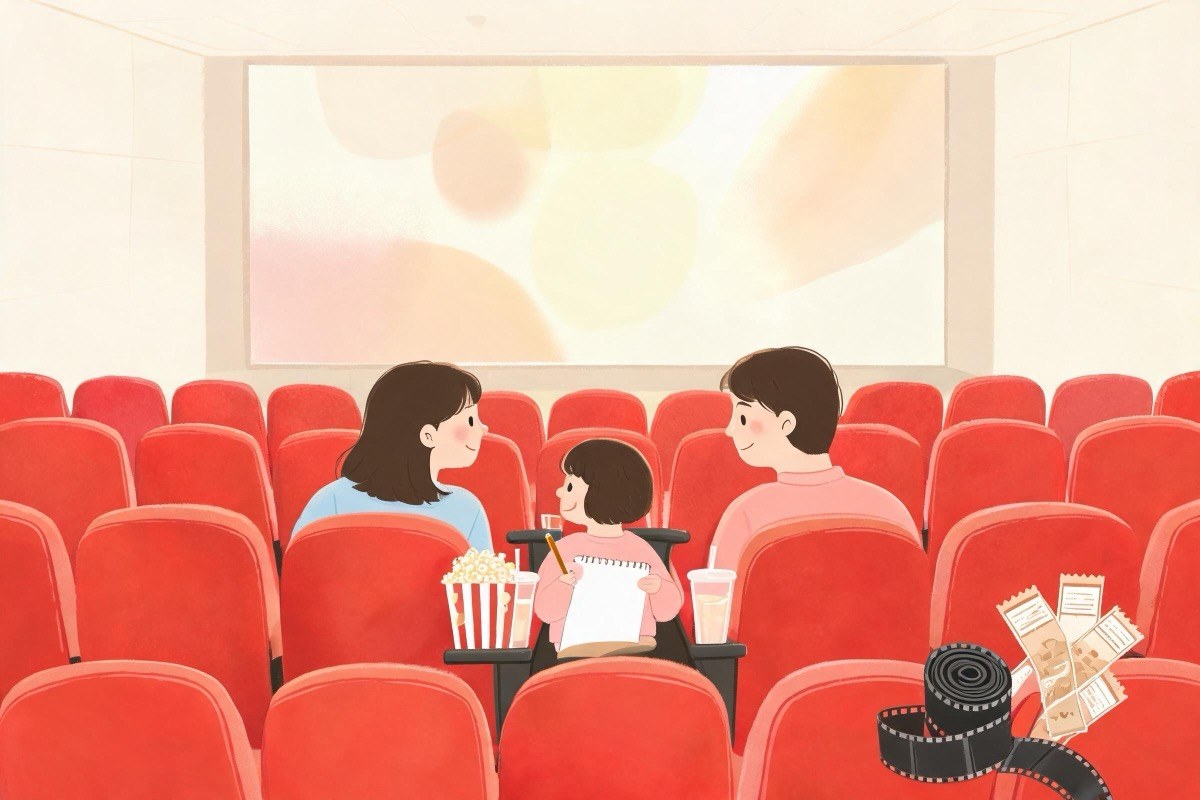
电影散场,影厅的灯亮了,我发现我们谁都没动过似的:爸爸把手机扣在腿上,妈妈把最后一粒爆米花送进嘴里。
片子讲的是一只走丢的小鸭子。它想看海,自己上路,走了三天三夜,被雨水冲进沟里,被大狗追上坡,最后到了海边。海就是普通的海,上头漂着几条货船,可小鸭子坐在沙滩上看了好久好久。
走出影院,我先开口:这鸭子真傻,待在原地不动多好,受这份罪。爸爸马上摇头:不傻,它就是想看看海,想看海不算错。妈妈谁也不帮,她把围巾紧了紧说:咱们边走边聊,看能聊到哪儿。卖爆米花的小伙子在门口喊最后一桶半价,我们谁也没回头。
我们边走边聊。我说小鸭子出发前该留个信儿,家里人就不用急。爸爸说他自己小时候也偷偷跑去河里游泳,回来时他爸拎着柳条在村口等他,他吓得哭,比挨那顿抽哭得还凶。妈妈忽然不说话了。路灯啪地亮了一盏,她说:我八岁那年去车站接你姥姥,走丢过两个钟头,谁也没告诉。
我从没听妈妈讲过这个。在我心里,妈妈什么都懂,什么都会,连自行车都会修。我问她:那你当时怕不怕?妈妈说:怕得腿肚子转筋,可看见你姥姥的自行车进来,我没哭,跑过去一把抓住后座。
聊到小区门口,我们才发现多坐了一站地。爸爸笑着说往回走,妈妈说好。我往前跑,又倒着走冲他们挥手。路灯在我们身后一盏一盏亮起来,影子一会儿长一会儿短。
那天夜里我在日记本上写:原来妈妈也当过小孩子,爸爸也当过调皮鬼。电影散场了,可我们的话说了好久好久。下礼拜要是再看一场,我想走更远一点,多说一点。
The Streetlights Came On One by One
The show ended and the lights came on in the hall, and I noticed that we had all sat through it as if frozen: Dad had his phone face down on his knee, and Mom put the last kernel of popcorn into her mouth.
The film was about a little duckling that wandered off. It wanted to see the sea and set out alone, walking three days and three nights. The rain swept it into a ditch, a big dog chased it up a slope, and at last it reached the shore. The sea was just an ordinary sea with a few cargo ships floating on it, yet the duckling sat on the sand and stared at it for a long, long time.
Walking out of the cinema I spoke first: this duckling is stupid, it would have been better to stay put instead of suffering like that. Dad shook his head at once: not stupid, it only wanted to see the sea, and wanting to see the sea is not a mistake. Mom took neither side. She tightened her scarf and said: let us talk as we walk, and see how far the talk takes us. The young man selling popcorn at the door shouted that the last bucket was half price, and none of us turned around.
We walked and talked. I said the duckling should leave word before setting out, so the family would not worry. Dad said that when he was small he also slipped away to swim in the river, and when he came back his father waited at the village entrance with a willow switch, and he cried from fear harder than he cried from the beating. Mom fell silent for a moment. A streetlight popped on, and she said: the year I was eight, I got lost for two hours on my way to meet your grandma at the station, and I told no one.
I had never heard this from Mom. In my mind Mom knew everything and could do anything, and could even mend a bicycle. I asked her: were you frightened then. Mom said: frightened until my legs turned to water, but when I saw the bicycle of your grandma coming in, I did not cry, I ran over and grabbed the back seat with one hand.
We talked until we reached the gate of our compound, and only then noticed we had ridden one stop too far. Dad laughed and said let us walk back, and Mom said all right. I ran ahead, then walked backwards waving at them. The streetlights came on one by one behind us, and our shadows grew long and short.
That night I wrote in my diary: so Mom was once a little girl too, and Dad was once a naughty boy too. The film was over, but our talk went on for a long, long time. If we see another show next week, I want to walk a little farther and talk a little more.
爸爸没说出口的那半句
散场那一下,影厅的灯唰地亮了。儿子捧着空爆米花桶,我媳妇把最后一粒塞进嘴里。谁都没急着走,好像都还坐在那只小鸭子身边。
片子讲一只走丢的小鸭子想看海,一路被雨冲、被狗追,到底走到了。海很普通,漂着货船,小鸭子在沙滩上坐了很久。出了影院门,儿子先说:这鸭子真傻。我几乎是抢着回答的:不傻,想看海不算错。话出口我自己都愣了下。这话不像说给鸭子的,倒像说给三十年前那个蹲在河滩上不敢回家的我。
我爹是拎着柳条在村口等我的。那年我偷偷下河游泳,回来撞见他黑着的脸。柳条抽在腿肚子上,我没哭;他转身进屋,我看见他肩膀一耸一耸,我反倒哭了。后来我长大、进城、当爸爸,从没跟我爹说过一句软话。他走的那年冬天我在工地上,没赶上。
我媳妇忽然开口,说她八岁去车站接人走丢过两个钟头,谁也没告诉。儿子瞪着眼问她怕不怕。她说怕得腿肚子转筋,可看见姥姥的自行车,她没哭,跑过去抓住后座。儿子哦了一声,半天没说话。我听见自己的心跳,咚咚的,像替我爹疼了一遍。
走到小区门口才发现坐过了一站。往回走的路上,儿子仰头问我:爸,你想看海吗。我张了张嘴,那半句到了嗓子眼:想,我到现在都没看过海。话到嘴边,我咽了回去,换成另一句:你想看海,爸爸陪你走。儿子说好,说得干脆,像答应一件顶大的事。
上楼时儿子先进门,回头按着电梯等我们。我媳妇小声说:你今天替鸭子说话那下,真帅。我嘿嘿一笑。其实我知道,那半句我早晚要说。等哪天带儿子真站到海边,我就说给他听,也说给我爹听,虽然他听不见了。
夜里我翻出手机,给妈打了个电话,没别的事,就听她唠叨了十分钟。挂电话前我说:妈,改天我领你去看场电影。电话那头静了一下,然后说好,好。
The Half Sentence Dad Never Said
The moment the show ended the lights of the hall swept on. My son held the empty popcorn bucket, and my wife popped the last kernel into her mouth. Nobody hurried to leave, as if we were all still sitting there beside the little duckling.
The film told of a lost duckling that wanted to see the sea: swept by rain, chased by dogs, yet it arrived. The sea was ordinary, with cargo ships floating on it, and the duckling sat long on the beach. Outside the cinema my son spoke first: this duckling is stupid. I answered almost before he finished: not stupid, wanting to see the sea is not a mistake. The words surprised even me. They did not sound like words about a duck. They sounded like words spoken to myself thirty years ago, the boy crouching on the riverbank afraid to go home.
My father waited for me at the village entrance with a willow switch. That year I had swum secretly in the river and came home to his dark face. The switch stung my calves and I did not cry; when he turned and went inside, I saw his shoulders shaking, and then I cried. I grew up, moved to the city, became a father, and never once said a soft word to him. The winter he died I was on a construction site, and I did not make it in time.
My wife suddenly spoke, saying she had been lost for two hours at eight on her way to meet someone at the station, and told no one. My son stared and asked if she had been afraid. She said afraid until her legs turned to water, but when she saw the bicycle of her mother she did not cry, she ran and grabbed the back seat. My son said oh, and was quiet for a long while. I heard my own heartbeat, thud thud, as if aching once in place of my father.
Walking to the gate of our compound we noticed we had ridden one stop too far. On the way back my son looked up and asked: Dad, do you want to see the sea. I opened my mouth, and that half sentence rose to my throat: yes, I have never seen the sea to this day. At the edge of my lips I swallowed it and said another sentence instead: if you want to see the sea, Dad will walk with you. He said good, crisp and clean, as if promising something enormous.
Going upstairs my son entered first and turned to hold the elevator for us. My wife said quietly: that moment today when you spoke up for the duckling, that was truly handsome. I chuckled. In truth I know I will say that half sentence sooner or later. The day I stand with my son at the shore, I will tell it to him, and tell it to my father too, though he can no longer hear.
At night I picked up my phone and called my mother, for nothing in particular, just to listen to her chatter for ten minutes. Before hanging up I said: Mom, one day I will take you to a film. There was a pause on the line, then she said: good, good.
小提示:上面此文档内容仅展示完整文档里的部分内容, 若需要下载完整文档请 点击免费下载完整文档 。