文章内容
光影里的远方
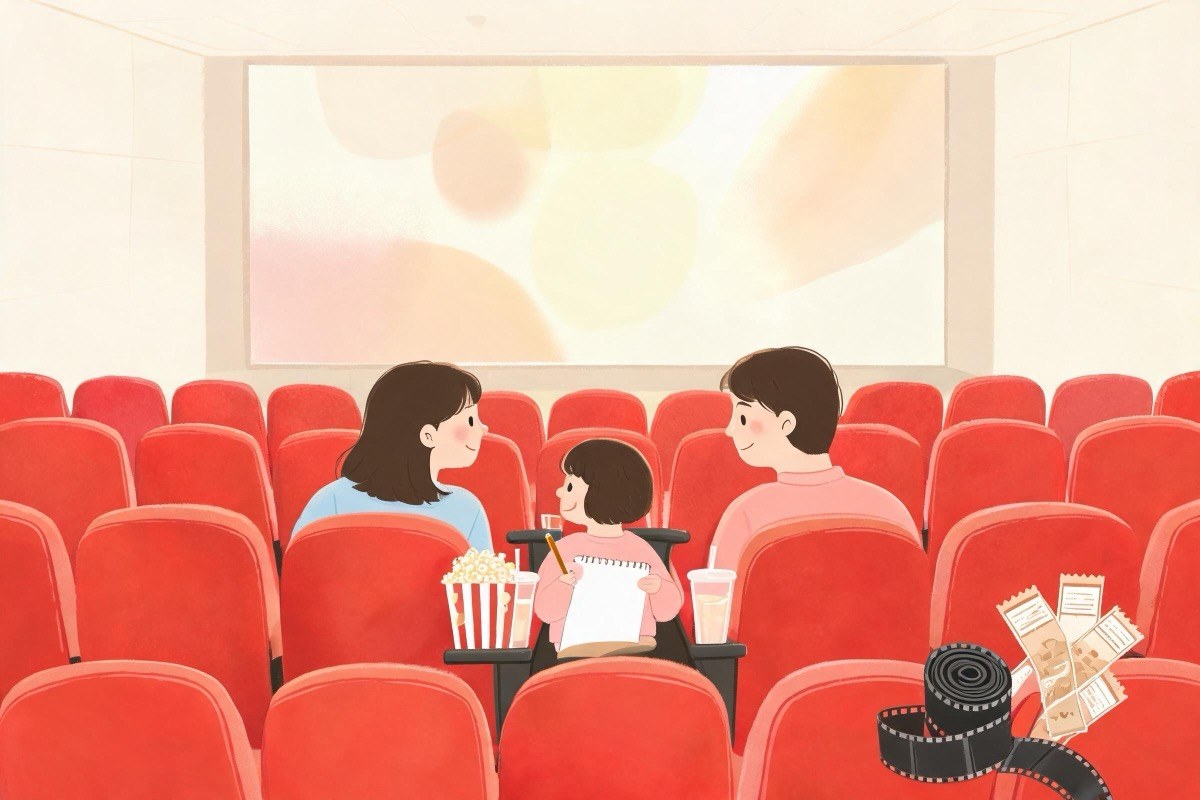
灯亮起来的时候,我坐了一会儿。周围的座位一个一个空掉,像退潮。银幕上字幕往上走,白字走在黑底上,像一条路在往天上走。
两个小时里,我住在光影里。光影很诚实:它把父亲背上的弯、母亲手上的茧、少年过早长大的自行车,都摆在我眼前。光影也很狡猾:它明明全是光,落在我心上,却比石头还沉。
故事发生在很远的小城。故事里的远方是一座站台,一列绿皮火车,一封始终没寄出的信。我坐在第六排,心却去过那里很多次——主角站在月台上的时候,我闻到了那座月台的风。
其实远方并不远。远方是我趴在课桌上抬头就能看见的那条路,是外婆家窗外那道山梁。电影替我把它说破:远方不是一个地名,远方是还没有长成的那部分自己。
光影在银幕上闪,也在我眼睛里闪。我想起和父亲吵架的那个晚上,想起母亲转身离开时没带走的伞。电影没有说教,它只是举起一面镜子,让我在别人故事里,认出自己没说出口的那句话。
散场时,服务员把座椅一个一个扶正。光影已经收工,故事已经退回胶片里。而我带着那点思考往外走,把路灯一盏一盏踩在脚下,觉得自己沉了一点,也清了一点。检票员在门口摞纸杯,地上散落着爆米花,可我心里那间影厅还没打扫,还黑着,还亮着。
路口处我抬头。城市里星星很少,我想起电影里小城的那片天。总有一天,我要亲眼去看一次那样的星空——让光影里的远方,和脚下的远方,终于握一次手。
家在楼上,窗里的灯是暖的。我轻轻推门,爸妈睡了。我把电影里那句台词在心里念了一遍,和它一起睡。梦里我坐上那列绿皮火车,故事里的远方,成了我的远方。
The Distance Inside the Light and Shadow
When the lights came on, I stayed seated for a while. The seats around me emptied one by one, like a tide going out. On the screen the credits walk upward, white characters walking on black, like a road climbing into the sky.
For two hours I lived inside the light and shadow. The light and shadow are honest: they laid before me the bend in a father of the family back, the hard skin on the hands of a mother, the bicycle of a boy who grew up too soon. The light and shadow are also clever: they are made entirely of light, yet when they land on my heart they are heavier than stone.
The story happens in a small town far away. The distance inside the story is a station, a green train, a letter that was never posted. I sat in the sixth row, but my heart traveled there many times. When the young man stood on the platform, I could smell the wind of that platform.
Actually the distance is not far. The distance is the road I can see whenever I lift my head from my desk at night, the ridge of hills outside the window of the home of my grandmother. The film said it plainly for me: the distance is not a place on a map; the distance is the part of yourself that has not finished growing.
The light and shadow flicker on the screen, and they flicker in my eyes too. I remember the night of the quarrel with my father, the umbrella the mother left behind when she walked out. The film did not lecture me; it only held up a mirror, and in the story of another person I recognized the words I had never said aloud.
At the end of the show the attendant straightens the seats one by one. The light and shadow have finished work, the story has retreated back into the film. But I walk out carrying that small weight of thought, stepping on the street lamps one by one, feeling a little heavier, and a little clearer. The attendant at the door stacks paper cups, popcorn is scattered on the floor, but the hall inside my heart has not been cleaned yet: it is still dark, and still lit up.
At the crossing I lift my head. The city keeps few stars; I remember that sky above the small town in the film. One day I will go and see such a sky with my own eyes, so that the distance inside the light and shadow and the distance under my feet can finally shake hands.
Our home is on the upper floor, and the lamp in the window is warm. I push the door softly; my parents are asleep. I recite one line of the film in my heart once more, and fall asleep with it. In the dream I board that green train, and the distance inside the story becomes my distance.
写给故事里那位父亲
那位陌生的父亲:请允许我这样称呼你。你在光影里坐了一百二十分钟,我在光影外也坐了一百二十分钟。散场了,我想给你写几行字。
你在故事里话很少。你修车,你蹬三轮,你把一沓毛票压在枕头底下。你的远方是一只蛇皮袋,装着进城的车票,装着没敢说出口的打算。你把远方折得很小,塞进兜里,怕别人看见。夜里你数那些毛票,数完用皮筋扎好,像扎住一捆不声不响的日子。
光影多诚实啊。它把你手上的油渍、你半夜坐在门槛上的背影、你偷偷把我书包带子接好的那双手,全都放大了一百倍。我在第六排看着,忽然想起我家那位,也是这样的手,也是这样少的嘴。
你在月台上没回头。我知道你为什么——回头,眼泪就不值钱了。列车开动的时候,我看见你追着车窗跑了两步,又停下来,站在原地,被尾气裹住。故事把这一段拍得很轻,轻得像雪落在雪上。可我在黑暗里听见自己心口咔哒一声,像有什么东西上了锁,又像有什么东西开了锁。
我想替你说一句话。那句你在故事里咽回去的话,我替你保管着。等哪天我家那位也背过身去的时候,我把它拿出来,对着他的背影说。哪怕只说半句,哪怕声音发抖。光影教会我的,不是流泪,是把流泪的那点力气,省下来去开口。
你的远方后来到了吗?电影没演。我猜到了,又猜你没到。没到也没关系——你在三轮车上驮着家往前走的样子,本身就是远方在动。
灯亮了,我把这几行字折好,夹进课本。明天放学,我提前十分钟回家,帮那位把门口的车推好,不说话,就像你在光影里做的那样。有些话说不出口,就先做给它看。
A Letter to the Father in the Story
Sir, a father I have never met: allow me this address. You sat inside the light and shadow for one hundred and twenty minutes; I sat outside them for one hundred and twenty minutes too. The show is over, and I want to write you a few lines.
You speak little in the story. You repair bicycles, you pedal the tricycle, you press a stack of small bills under the pillow. Your distance is a woven sack holding a ticket into the city, holding plans you never dared to say aloud. You fold the distance very small and tuck it into your pocket, afraid someone will see. At night you count those small bills, then bind them with a rubber band, like binding a bundle of quiet days.
How honest the light and shadow are. They magnified a hundred times the grease on your hands, your back sitting on the doorstep at midnight, the hands that secretly stitched my schoolbag strap back together. In the sixth row I watched, and suddenly thought of the man at home: the same kind of hands, the same kind of silence.
You did not turn around on the platform. I know why: turn around, and the tears would lose their worth. When the train began to move, I saw you run two steps after the window, then stop, standing there wrapped in the exhaust. The story filmed that part lightly, light as snow falling on snow. But in the darkness I heard a click inside my own chest, as if something locked, as if something unlocked.
I want to say one sentence for you. The sentence you swallowed inside the story, I will keep it for you. Someday, when the man at home also turns his back, I will take it out and say it to that back. Even half a sentence, even with a shaking voice. What the light and shadow taught me is not how to cry, but how to save the strength of crying and spend it on opening my mouth.
Did your distance arrive in the end? The film did not show it. I guess it did, and I guess it did not. It does not matter either way: the way you carried your family forward on that tricycle is itself the distance in motion.
The lights are on. I fold these lines and press them into my textbook. Tomorrow after school I will go home ten minutes early and help the man at home park the bicycle by the door, saying nothing, the way you did inside the light and shadow. Some words cannot be spoken aloud; so do them first, and let them speak.
小提示:上面此文档内容仅展示完整文档里的部分内容, 若需要下载完整文档请 点击免费下载完整文档 。