文章内容
还剩四百多个课间,我想记下来
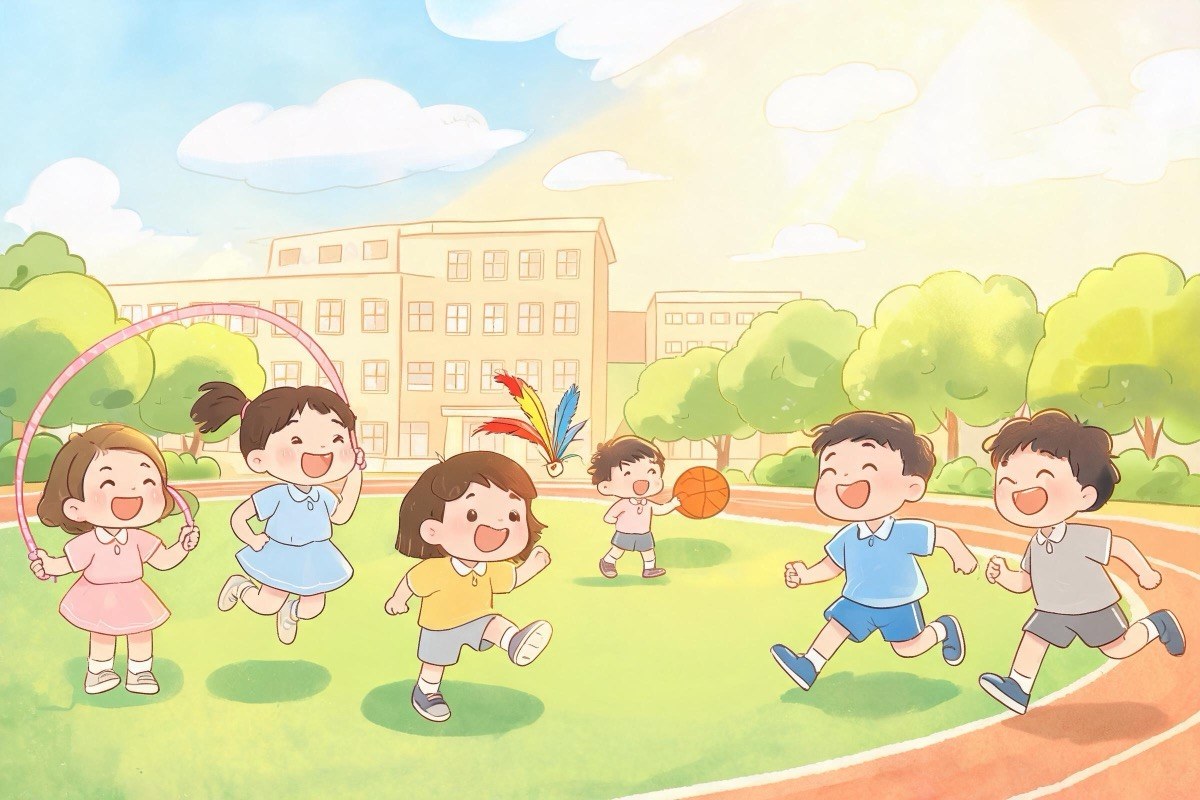
《快乐的课间》里我印象最深的不是哪一场游戏,是声音。书里写女生跳皮筋,啪啪的打地声隔着两层楼传进教室,正在写作业的人抬起头,笔停了,耳朵先下楼去了。作者说,那声音是课间的脚步声,它来了,四十分钟里的那一小块活气就来了。我读到这里,把书扣在桌上听了一会儿。我们班在四楼,楼下那棵老槐树下有弹珠的声音,叮,很轻,要安静的时候才听得见。以前我没注意过,这本书让我把耳朵打开了。
我的课间记忆几乎都在那棵槐树下。三年级我们在那儿弹弹珠,树根把水泥地拱出一道缝,缝里积着弹珠,谁趴下去抠弹珠,起来一头灰。四年级改在树下拍洋画,风把洋画吹跑,六个人追一张纸,追到花坛边。五年级下学期我迷上观察蚂蚁,课间蹲在树根缝边看它们搬饼干渣,看了整整两个课间,同桌说我看的蚂蚁比他写的作文还认真。现在我六年级了,槐树还是那棵树,树下换了一批又一批人。这周课间下去,树根缝里躺着两颗新弹珠,亮晶晶的,不知道是哪个低年级的。我蹲下去看了看,没拿。
书里有一句话我抄在了读书笔记的最后一页:课间不是课与课之间的空,课间就是课。抄的时候我没懂,算了一笔账以后懂了。从今天到毕业,满打满算还有不到两年,去掉寒暑假、去掉考试周,我能在这栋楼里过的课间,四百多个。四百多个,听起来多,可是三年级那四百多个已经用完了,一个都没回来。我记住的只有树根缝、抠弹珠的一头灰、追洋画追到花坛边。剩下的三百多个,我居然想不起来几个。
所以我打算做一件事,从今天起,每个课间记一件小事,一句话就行,写在一张纸上,攒在文具盒里。今天这句是:树根缝里有两颗新弹珠,我没拿。昨天那句是:风把四年级的洋画吹上了槐树的低枝,他们跳起来够,够不着,笑得比打到弹珠还响。我不打算写得多,就一句话。等毕业那天,文具盒里应该有四百张纸条,随便抽一张,我都能想起那天的铃声和那天的风。
书里那些孩子不知道自己要毕业,他们只管跳。我知道我要毕业了,所以我更要跳。下一个课间,我打算下楼,不只看,下场弹两下弹珠。叮的一声,很小,但那是我的四百多分之一。
Four Hundred Breaks Left, and I Want to Write Them Down
What stayed with me most in Happy Break Time was not any single game but the sounds. The book describes girls jumping rubber bands, their slapping sound traveling two floors up into the classrooms, and whoever is writing looks up, pen stopping, ears going downstairs first. The author calls that sound the footsteps of break time: when it arrives, the small patch of living air inside the forty minutes arrives with it. I closed the book face-down and listened for a while. Our room is on the fourth floor, and downstairs under the old locust tree there is the sound of marbles, ting, faint, audible only when things are quiet. I had never noticed it before. This book opened my ears.
Nearly all my break memories live under that locust tree. In third grade we played marbles there; the tree roots had arched the concrete into a crack where marbles collected, and whoever crouched to dig them out stood up with a head of dust. In fourth grade we switched to slapping picture cards under the tree; the wind blew a card away and six of us chased one piece of paper all the way to the flower bed. In the second half of fifth grade I got obsessed with watching ants, squatting by the root crack for two whole breaks watching them carry cookie crumbs, and my deskmate said the ants I watched got more attention than the essays he wrote. Now I am in sixth grade. The tree is still the tree, and the crowd under it changes every year. This week I went down and found two new marbles lying in the root crack, shining, belonging to some little kid from a lower grade. I crouched, looked, and did not take them.
One line from the book I copied onto the last page of my reading notebook: break is not the gap between lessons, break is a lesson. I did not understand when I copied it. I understood after doing the math. From today to graduation there are barely two years; subtract the summer and winter holidays, subtract exam weeks, and the breaks I will live in this building number just over four hundred. Four hundred sounds like a lot, yet the four hundred of third grade are already spent, and not one came back. All I remember are the root crack, the dusty head from digging marbles, chasing a card to the flower bed. Of the three hundred since, I cannot recall many at all.
So I decided on one thing: starting today, at every break I will write down one small thing, one sentence is enough, on a slip of paper kept in my pencil case. The sentence of today: two new marbles in the root crack, and I did not take them. The sentence of yesterday: the wind blew the picture card of a fourth-grader onto a low branch of the locust, they jumped and could not reach it, laughing louder than any marble shot. I do not plan to write much, just one sentence. On graduation day my pencil case should hold four hundred slips, and any one I draw will bring back the bell of that day and the wind of that day.
The children in the book did not know they would graduate; they just jumped. I know I will graduate, so I must jump all the more. Next break I am going downstairs, and this time not just to watch, but to play two shots of marbles. The ting is small, but it is one of my four hundred.
教室空着的那十分钟
别人读《快乐的课间》读的是操场,我读得最心惊的是书里写空教室的那一段。作者写铃一响,人全涌出去了,教室忽然空下来,椅子歪着,半块橡皮滚在桌腿边,黑板上还留着上一节课的半个算式。走廊的喧闹隔着墙传进来,闷闷的,像另一个世界的声音。作者说,空教室也在等课间,等那些跑出去的人回来。我读这一段的时候想,我从来没把教室当成等我们的东西。它一直在那儿,我以为它不会走。
可我的课间记忆偏偏大半在教室里。五年级冬天,我和林晓好得形影不离,课间也不出去,坐在座位上传纸条,一人写一句,编一个没有结尾的故事,纸条从第四排传到第三排再传回来。有一回纸条里她写我坏话,被别人传错了路线传到我手里,我当场把纸条撕了,两个人三天没说话。那三天课间,我的座位离她的座位只隔一条过道,十分钟里我们谁也不看谁,各自趴在桌上。走廊的喧闹隔着一条过道传过来,闷闷的,跟书里写的一模一样。原来空的不一定是教室,一条过道也能空成那样。
第四天课间,她把一张纸条放在我桌上,就四个字:还传不传。我看了那四个字很久,久到上课铃都响了。我传回去三个字:传,笨蛋。她回:你才是。就这么两句话,三天的过道填满了。后来那张纸条我们谁也没扔,故事编到六年级还没编完,主角搬到哪座城市都还在吵架又和好。书里说课间十分钟很短,短到只够一场游戏。可我觉得它够长,够撕一张纸条,够三天不说话,也够四个字把一切接回来。
我今年六年级。按书里的算法,我的课间余额看得见摸得着。我以前的打算是要把剩下的课间全用来刷题,把十分钟也压成半节课。读完这本书我把这个打算改了。十分钟压不成课,压了也不是课,是两败俱伤的十分钟。从今往后,有别扭我当场解,像林晓那样四个字就够;没别扭我就拉她去操场,趁这栋楼还愿意等我们。毕业以后教室会不会空我不知道,我知道的是,在它等我们的这些十分钟里,我要让它听见我们的声音。
The Ten Minutes the Classroom Stood Empty
Others read Happy Break Time for the playground; what startled me most was the passage about the empty classroom. When the bell rings, everyone pours out and the room suddenly empties: chairs left crooked, half an eraser rolled against a desk leg, half an equation still on the blackboard from the last lesson. The corridor noise presses in through the wall, muffled, like sound from another world. The author says the empty classroom is also waiting for break, waiting for the runners to come back. Reading that, I realized I had never thought of the room as something waiting for us. It was always there, and I assumed it would never leave.
Yet most of my own break memories happen inside the room. In the winter of fifth grade, Lin Xiao and I were inseparable, staying at our seats during breaks passing notes, one line each, building a story with no ending, the note traveling from the fourth row to the third and back. Once she wrote something mean about me in the note, and it took the wrong route and landed in my hands. I tore the note up on the spot, and we did not speak for three days. During the breaks of those three days, her seat was one aisle away from mine, and in those ten minutes neither of us looked at the other, each lying on our desk. The corridor noise crossed that one aisle muffled, exactly as the book describes. So the empty thing is not always a classroom. A single aisle can be that empty.
On the fourth break she placed a note on my desk, four characters: still passing? I stared at those four characters so long the class bell caught me. I passed back three characters: yes, dummy. She replied: says you. Just those two notes filled three days of aisle. Neither of us threw that note away; the story is still unfinished in sixth grade, its main characters moving city to city, still quarreling and making up. The book says ten minutes is too short for anything but one game. I think it is long enough. Long enough to tear up a note, to stay silent three days, and for four characters to stitch everything back together.
I am in sixth grade now. By the arithmetic of the book, my remaining breaks are something I can see and count. My old plan was to spend every remaining break on practice problems, squeezing ten minutes into half a lesson. After this book I changed that plan. Ten minutes cannot be squeezed into a lesson; if you squeeze it, it is not a lesson either, just ten minutes where everyone loses. From now on, if there is a rift I will mend it on the spot, four characters like the note of Lin Xiao are enough; if there is no rift, I will drag her out to the playground while this building still agrees to wait for us. I do not know whether the classroom will stand empty after graduation. What I know is that during these ten minutes it spends waiting for us, I want it to hear our voices.
小提示:上面此文档内容仅展示完整文档里的部分内容, 若需要下载完整文档请 点击免费下载完整文档 。