文章内容
那声谢谢不是教出来的,是看见的
上周三晚饭,我把红烧带鱼端上桌,孩子筷子还没拿稳就先说,怎么又是带鱼,上周就吃了,学校门口的小饭桌都比家里花样多。她妈妈在旁边把话接住了,没发火,只说了一句,那明天早饭你来做,六点二十起。孩子愣住了,筷子停在半空。
我放下碗,跟她说了几句平和的话。我说这顿鱼不是从盘子里长出来的,是下午四点你妈妈下班绕去菜场,鱼摊前挑了十分钟,问摊主今天带鱼新不新鲜,回来刮鳞、洗净、煎到锅里溅油,她的袖口到现在还有一块油印。我说这些不是要你愧疚,是想让你知道,桌上每一样东西背后都站着一个人的时间。你把饭菜挑剔掉的那句话,落点是厨房里的四十分钟。
孩子没顶嘴,扒完饭,把碗放到水池边,回头说了句,妈,今天的鱼挺好吃的,辛苦你。她妈妈在厨房里应了一声,声音跟平常一样,可我听见她后来洗碗哼了两句歌。
那晚我想了很久。孩子不是没良心,她只是没见过过程。她每天六点二十起床,七点到校,晚上七点回家,饭做好了她才出现,碗空了才消失。在她的眼睛里,饭菜是自动出现的,就像灯一按就亮。把关爱当成理所当然,不是品德问题,是视野问题,她的视野里只有餐桌这一段路。
所以第二天早上六点二十,我叫醒她,让她看粥在锅里翻滚,看她妈妈煎蛋前洗手、擦锅。她站在厨房门口看了半分钟,什么也没说。可从那以后,她挑剔饭菜的话少了,偶尔还是会说,但说完会补一句,不过还是家里的干净。教育这件事,我越来越觉得,讲道理是第二遍的事,第一遍是让孩子看见。看见了,谢谢两个字自己会长出来,不用教。
我们做家长的,常常抱怨孩子不懂感恩。可感恩的前提是看见,看见的前提是别把过程藏得太严。让孩子看见那四十分钟,比逼她说一百句谢谢都管用。
That Thank You Was Not Taught, It Was Seen
Last Wednesday at dinner, I set the braised hairtail on the table, and before her chopsticks were even steady she said, hairtail again, we had it last week, even the little lunch table by the school gate has more variety. Her mother caught the words from beside her, did not lose her temper, and said only one line, then you cook tomorrow breakfast, up at six twenty. The child froze, her chopsticks hanging in midair.
I put down my bowl and said a few calm things to her. I said this fish did not grow out of the plate. It came from your mother leaving work at four, stopping at the market on the way home, choosing for ten minutes at the fish stall, asking the seller whether the hairtail was fresh today, then back home scaling it, washing it, and frying it while the oil spat, and there is still a grease mark on her sleeve right now. I said this is not to make you feel guilty. It is so you know that behind everything on this table stands the time of one person. The sentence you used to pick at the food lands, in the end, on forty minutes inside the kitchen.
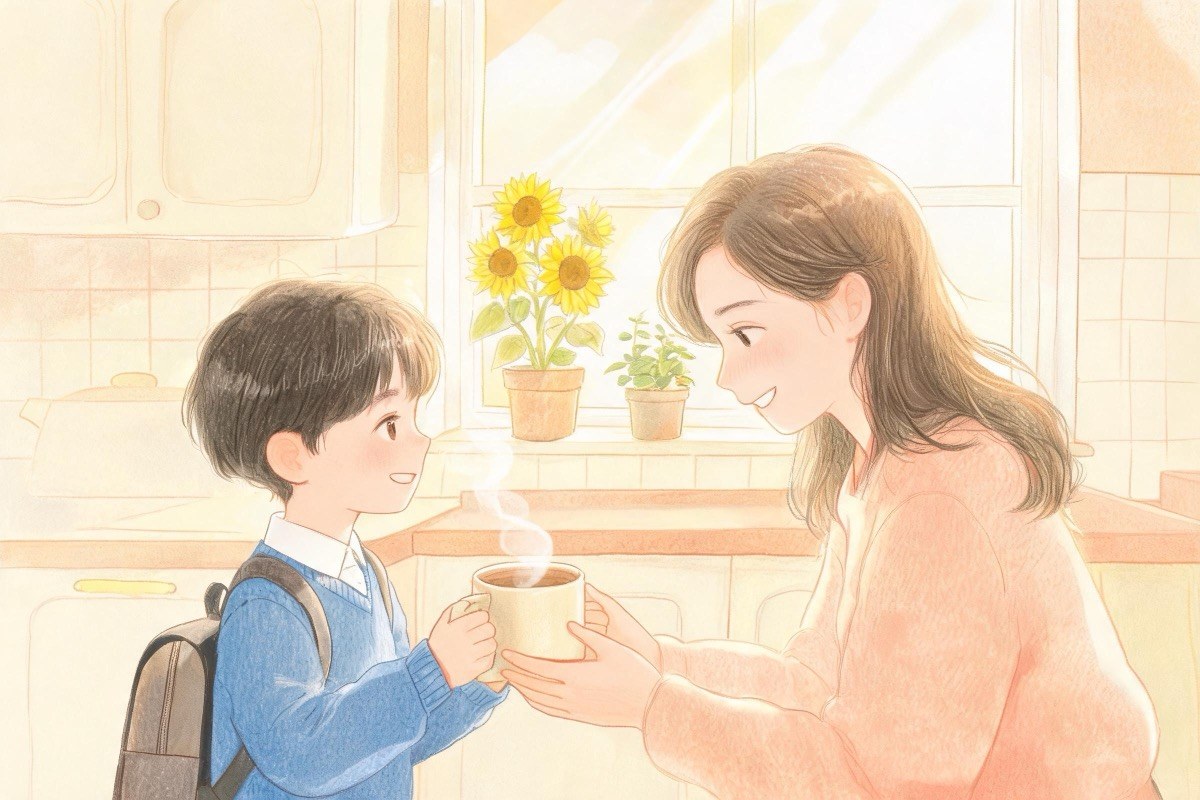
The child did not talk back. She finished her rice, carried the bowl to the sink, and turned to say, Mom, the fish today was really good, thank you for the trouble. Her mother answered from the kitchen in an ordinary voice, but I heard her humming two lines of a song while washing up afterward.
I thought about that evening for a long time. The child is not heartless. She simply has never seen the process. She wakes at six twenty, reaches school by seven, comes home at seven, and appears only after the food is ready and vanishes once the bowl is empty. In her eyes, meals appear by themselves, the way a lamp lights at a press of the switch. Treating care as a matter of course is not a question of character. It is a question of field of vision, and her field of vision contains only the stretch of road from the stove to the table.
So the next morning at six twenty I woke her and let her watch the porridge rolling in the pot, watch her mother wash her hands and dry the pan before frying the egg. She stood at the kitchen door for half a minute and said nothing. Yet since then her complaints about the food have grown fewer. She still says something now and then, but she adds, still, home cooking is cleaner. About education, I am more and more convinced that reasoning with a child is the second step. The first step is letting the child see. Once she sees, the two words thank you grow on their own, without teaching.
We parents often complain that children do not know gratitude. But gratitude presupposes seeing, and seeing presupposes not hiding the process too tightly. Letting a child see those forty minutes works better than forcing out a hundred thank yous.
我在班会上没讲感恩,讲了一张菜单
周一早上,一位家长在留言条上写:老师,孩子昨天当着我的面把早饭挑了,说粥太稠、鸡蛋太老,说完拎包就走,我在厨房站了半天。她问我怎么办,是不是该好好教训一顿。
我没法在留言条上回一段大道理。周三班会,原本的计划是讲感恩,我进教室前把讲稿收了起来。我让孩子们拿出本子,布置了一件小事,回去这一周,记录家里每一顿饭是谁做的、做了多久、几点起的床。不用写感想,只记事实。孩子们觉得新鲜,有人笑,说这算什么作业。
周五收上来,我在办公室翻了一个小时。有个孩子写,姥姥五点四十起来蒸馒头,馒头是头天晚上和好的面,姥姥腰不好,和面的时候站着疼,就坐着揉,坐在小板凳上揉二十分钟。有个孩子写,妈妈每天热牛奶会热两遍,第一遍微波炉转完她尝一口,太烫,再转三十秒,第二遍递给我时刚好能喝。还有个孩子写得很短,我妈做了十一年早饭,我一次都没说过好吃。那张纸条我看了很久,边角是皱的,显然被攥过。
周一我把三张不署名的记录读给全班听。读到坐小板凳揉面的姥姥,教室里有动静,是那种几十个人同时安静下来才有的动静。读完我问了一句,这周谁回家说过谢谢。举手的孩子不多,但有个平时最闹的男孩举了,又放下,再举起来。他后来在周记里写,他回家跟妈妈说,今天的菜好吃,妈妈愣了一下,问他是不是在学校惹事了。
那位留言的家长后来给我回话,说孩子那天晚饭主动说了谢谢,她没忍住哭了,孩子反而手足无措。我在回信里写了我的反思,孩子把关爱当理所当然,多半因为我们把爱喂得太熟、太安静。爱从不被提起,就成了背景。我们不必天天索取一句谢谢,但要把做饭的时间、起床的时刻这些事实,摊在孩子看得见的地方。事实不煽情,事实最有力。
感恩这两个字太大,小学生扛不动。一张菜单、一份记录,他们扛得动。教育有时候就是换个扛法。
At the Class Meeting I Did Not Speak of Gratitude. I Read Out a Menu.
Monday morning, a parent left a note reading, teacher, my child picked at breakfast in front of me yesterday, said the porridge was too thick and the egg too old, then grabbed the schoolbag and left. I stood in the kitchen for a long while. What should I do, she asked. Should I give the child a good scolding.
I could not answer such a note with a paragraph of platitudes. Wednesday was our class meeting, originally scheduled as a talk on gratitude. Before entering the classroom I folded the script away. I asked the children to take out their notebooks and gave them one small task. For the coming week, record every meal at home, who made it, how long it took, and when that person got up. No reflections required, only facts. The children found it novel. Someone laughed and asked what kind of homework this was.
On Friday the pages came in, and I spent an hour flipping through them in the office. One child wrote, my maternal grandmother got up at five forty to steam the buns, the dough having been kneaded the night before, and her back is bad, so when kneading she sits on a small stool and kneads for twenty minutes sitting down. Another child wrote, my mother warms the milk twice every day, tastes it after the first round in the microwave, finds it too hot, runs it thirty seconds more, and hands it to me at exactly drinkable heat. A third note was very short. My mother has made breakfast for eleven years, and not once have I said it was good. I looked at that slip for a long time. Its corners were wrinkled, clearly gripped in a hand.
On Monday I read those three unsigned records to the class, without names. When I reached the grandmother kneading on the little stool, the room shifted. It is the kind of shift that only happens when dozens of people go quiet at once. Then I asked one question, who among you said thank you at home this week. Not many hands rose, but the loudest boy in class raised his, dropped it, and raised it again. He later wrote in his weekly journal that he told his mother at home, the dishes today are good, and she froze for a moment and asked whether he had gotten into trouble at school.
The parent who left the note wrote back to me later, saying the child thanked her on his own that evening, and she could not hold back tears, which left the child at a loss. In my reply I wrote my own reflection. Children treat care as a matter of course mostly because we serve love too cooked, too silent. Love that is never mentioned becomes background noise. We should not demand a thank you every day, but we should lay the facts where children can see them, the hours spent cooking, the moments of rising. Facts do not sentimentalize. Facts carry the most force.
The word gratitude is too big for elementary school children to carry. A menu, a week of records, those they can carry. Sometimes education is simply changing what they carry.
小提示:上面此文档内容仅展示完整文档里的部分内容, 若需要下载完整文档请 点击免费下载完整文档 。