文章内容
灯下那碗没撤走的粥
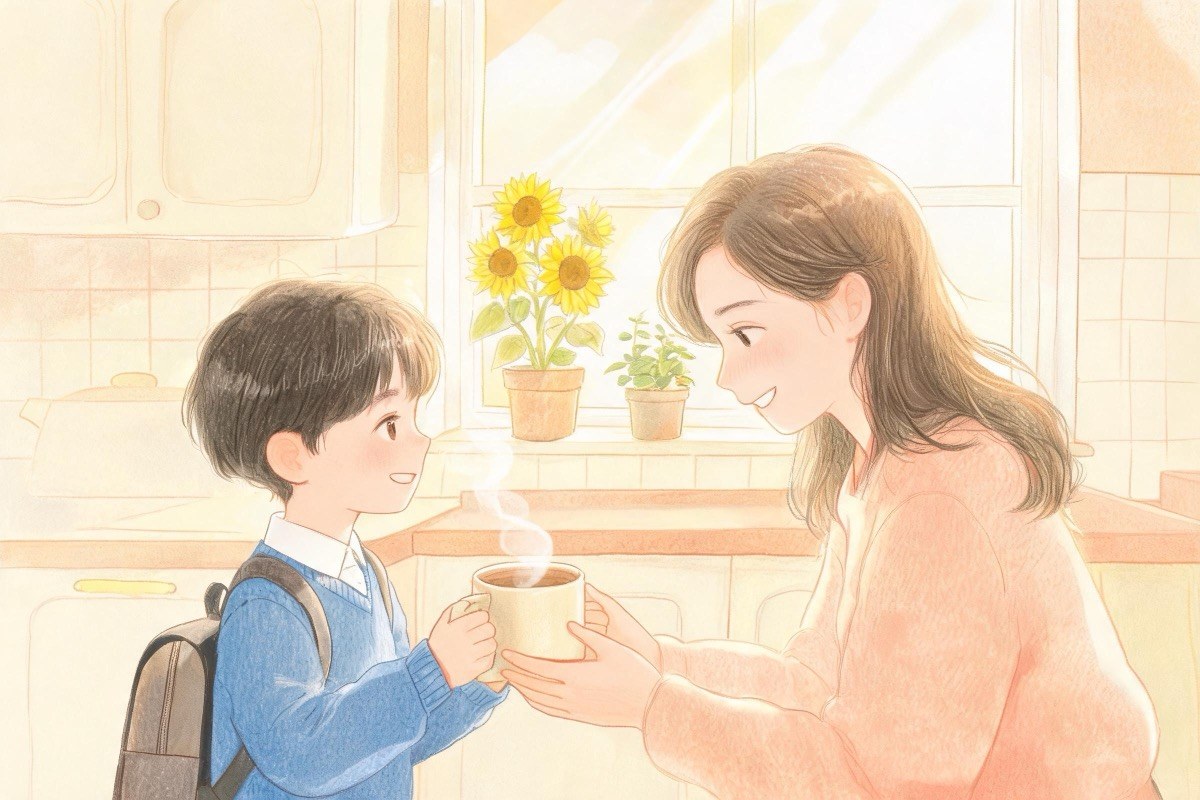
搬进宿舍的第一个星期,我没能再赶上六点半。闹钟响过两遍,食堂的粥换成了牛奶,油条排在长队尽头。我端着牛奶站在窗口,忽然想起家里那些清晨。灶上的小火从不迟到,粥在锅里靠自己的余温熬稠,锅盖缝里冒一线白汽。母亲起得比我早,却从不叫我,她只把碗摆在桌上,筷子架在碗沿,然后去喊还在赖床的妹妹。我那时总嫌她吵,嫌粥太烫,嫌每天都是白粥配咸菜,扒几口就背着书包走了。碗收回去的时候,粥面上结了一层皮,她连那层皮也喝掉,说扔了可惜。
雨也是那年开始的。初二下学期雨水多,母亲每天送伞到学校后门,走到门口就把伞递给我,自己转身往回走,伞骨朝我这边斜。有一回我走在后面,看她背影,半边肩膀的颜色比另外半边深,深的那边贴着雨。我喊她,她回头说没事,衣服湿了回家就干。第二天她的脖子上贴着一块膏药,药味很冲,她坐在沙发那头织毛衣,一整晚没提。我当时想,大人淋一点雨算什么。这个念头跟了我很多年,直到我自己也在雨里把伞往别人那边斜过去,胳膊凉透了才明白,伞斜一寸,肩膀就要湿一路。
最容易被忽略的是灯。我上初三那年,晚上写作业,书房门外的客厅灯常常亮着,母亲坐在灯下择菜或者缝书包的带子,电视不开。我嫌光从门缝漏进来,把门带上。有一道题算到十一点,我去倒水,看见她在沙发上睡着了,手里的毛线活滑到地上,客厅那盏灯还开着,照着她花白的头发。她白天上班,晚上等我,等的不是我学习多好,是我房间那盏灯还亮着。我把她的毛线活捡起来放回茶几,把灯拧小了一格。她醒来什么也没说,第二天晚上,客厅的灯依旧亮着,只是换了一盏小瓦数的。
如今我学会把这些事反过来看:一碗粥要提前一晚淘米,一把伞要在出门前记起,一盏灯要忍住困意守着。那些被我忽略的好,不是小事,是有人把大事拆成了小事,天天做。我欠它们一句看见,现在补上。
The Bowl of Porridge Left Under the Light
The first week in the dormitory, I could no longer make it at six thirty. The alarm rang twice, the porridge in the canteen had been replaced by milk, and the fried dough sticks waited at the end of a long line. I stood at the window holding the milk and suddenly remembered those mornings at home. The small flame on the stove was never late; the porridge thickened on its own residual heat, and a thread of white steam rose from the gap of the lid. Mother rose before me but never woke me. She only set the bowl on the table, laid the chopsticks across its rim, then went to call my sister who was still dawdling in bed. I used to find her noisy, the porridge too hot, the same plain porridge with pickles every day; I would shovel a few bites off and leave with my schoolbag. When the bowl came back, a skin had formed on the porridge, and she drank even that skin, saying it was a waste to throw it away.
The rain also began that year. The second term of eighth grade was wet, and Mother brought an umbrella to the back gate of the school every day, handed it to me at the gate, then turned and walked home with the umbrella ribs leaning toward my side. Once I walked behind her and watched her back: one shoulder was darker than the other, and the dark side clung to the rain. I called out, and she turned and said it was nothing, wet clothes dry at home. The next day a medicated patch sat on the back of her neck, its smell sharp. She sat at the far end of the sofa knitting, and all evening she never mentioned it. I thought then, what is a little rain to an adult. That thought followed me for years, until one day I found myself tilting my umbrella toward someone else in the rain, my own arm gone cold, and only then understood: tilt an umbrella one inch, and a shoulder stays wet the whole way home.
The most overlooked thing was the light. In my ninth-grade year, while I did homework at night, the living room light outside my study door was often on, with Mother under it trimming vegetables or sewing the strap of my schoolbag, the television off. I resented the light leaking through the crack and pulled the door shut. Once, stuck on a problem at eleven, I went to pour water and found her asleep on the sofa, the knitting slipped to the floor, the living room lamp still burning on her graying hair. She worked by day and waited for me by night, not waiting for my grades to be good but for the light in my room to stay on. I picked her knitting up onto the tea table and turned the lamp down one notch. She woke and said nothing, and the next evening the living room light was on again, only with a bulb of lower wattage.
Now I have learned to look at these things in reverse: a bowl of porridge means rice soaked the night before, an umbrella means someone remembered it before leaving, a light means a fight with drowsiness won. The good I overlooked was not small things; it was someone taking big things apart into small ones and doing them daily. I owed them one moment of seeing. I pay it back now.
三件旧物:围裙、伞和灯泡
整理储物间,翻出三样旧东西,我坐在纸箱边上半天没动。
第一条是母亲的围裙,藏青色,口袋上起了球,系带洗得发灰。它挂在厨房门后十二年,我上初中那年它就在,现在我上大学了,它还在。以前从没注意过它的口袋:左边那个口袋鼓鼓的,掏出来过保温杯、钥匙、一小袋给邻居捎的盐。冬天她摸口袋取暖手,夏天口袋里有薄荷糖。她穿着它做每一顿早饭,粥是提前一晚定好预约的,咸菜切得细,鸡蛋煎成太阳蛋,边缘焦一圈。我嫌了六年的寻常早饭,是这条围裙站在灶前的六年。口袋上的球,是围裙边和灶台边角磨出来的,一天蹭几百回,六年才起成这样。
第二样是一把长柄伞,黑伞面,第三根伞骨歪了,修过,用透明胶带缠着。就是初二那年雨天递给我的那把。递伞的时候她总说快进去,别淋着,伞塞过来人就走了。有一回下大雨,她没带伞,我放学跑到公交站,她站在雨棚下,头发贴在额头上,手里拎着我的雨靴——她怕我走路那段路积水,先把靴子送来,再走回家换衣服。那把伞后来伞骨歪过一次,是风掀的,她拿去修,说这把伞顺手。顺手两个字里装着多少个雨天,我是今天才数得清。
第三样是一个灯泡,客厅那盏灯换下来的,拧下来时底座还烫。母亲晚上等我,就在灯下坐着,织东西或者看药盒说明书。灯泡是节能灯,她舍不得换亮的,说够用。我上高三那年晚自习回来十点半,家里的灯永远有一盏亮着,有时是客厅,有时是玄关。有次我故意提前半小时回家,开门看见她趴在餐桌上睡着了,台灯罩着一小圈光,光里是给我削好的苹果,盖着保鲜膜。她惊醒的第一句话是:饿不饿。灯泡后来坏了,是父亲换的,新灯泡她嫌白,太亮,又拧下来换成暖光的,说这样人坐着舒服。她没说过等我到几点,灯替她说了。
围裙的球、伞骨的胶带、灯泡的底座,旧物的磨损处,全是那些被我忽略的好的落款。我把三样东西收进自己的行李箱,没扔。有些东西新的时候不懂,旧了才懂,懂了就不能再装看不见。
Three Old Things: An Apron, an Umbrella, and a Light Bulb
Tidying the storeroom, I turned up three old things and sat on the edge of a cardboard box for a long time.
The first is the apron of my mother, dark blue, its pocket pilled, its tie washed gray. It hung behind the kitchen door for twelve years. It was there the year I entered middle school, and it was still there now that I was at university. I had never noticed its pockets. The left one was always bulging, and out of it came a thermos, keys, a small bag of salt carried over for a neighbor. In winter she warmed her hands in it; in summer it held mint candy. She wore it for every breakfast. The porridge was set on a timer the night before, the pickles cut fine, the egg fried sunny-side with a browned ring at the edge. The ordinary breakfast I had complained about for six years was six years of this apron standing at the stove. The pills on the pocket came from rubbing against the corner of the stove, several hundred times a day, six years to look like this.
The second is a long-handled umbrella, black canopy, its third rib bent and repaired, wound with clear tape. It was the one handed to me on those rainy days in eighth grade. When she passed it over she always said go inside quickly, do not get wet, and by the time the umbrella reached my hand she was already leaving. Once in a downpour she had brought no umbrella. I ran to the bus stop after school and found her under the shelter, hair stuck to her forehead, holding my rain boots in her hands. She feared the flooded stretch on my walk and had brought the boots first, planning to walk home to change. The rib of that umbrella bent once from the wind, and she had it fixed, saying she liked the feel of this one. How many rainy days were packed inside the phrase liked the feel, I could only count today.
The third is a light bulb, the one taken down from the living room lamp, its base still hot when it came out. Mother waited for me at night under that light, knitting or reading the leaflet of a medicine box. It was an energy-saving bulb, and she would not trade it for a brighter one, saying it was enough. In my final year of high school, back from evening study at ten thirty, one light in the house was always on, sometimes the living room, sometimes the entryway. Once I came home deliberately half an hour early, opened the door, and found her asleep face-down at the dining table, the desk lamp circling a small pool of light, and inside the light an apple she had peeled for me, covered with plastic wrap. Her first word on waking was: are you hungry. The bulb later burned out, and my father replaced it. She disliked the new one, too white, too bright, and screwed in a warm-toned one instead, saying light like that is easier on a person sitting under it. She never said until what hour she waited. The lamp said it for her.
The pills on the apron, the tape on the umbrella rib, the base of the bulb. Where old things wear thin is exactly where the good I overlooked signed its name. I packed all three into my suitcase instead of throwing them away. Some things you cannot understand when new and only understand when old, and once understood, you cannot pretend not to see them again.
小提示:上面此文档内容仅展示完整文档里的部分内容, 若需要下载完整文档请 点击免费下载完整文档 。