文章内容
苦难留下的草房子
七年级的秋天,我打篮球摔断了左腿,在家休学一个月。拄着拐回到家那天,我从书架上抽出一本黄封面的书,曹文轩的《草房子》。六年级买的,一直没读完。那一个月,我一口气读完了。
书里的桑桑得了一场大病,脖子上长出一个恶疮。全镇的人替他找偏方,最后连艾灸的火针都扎了下去,疼得他叫出声,他还是为了父亲忍下来。读到他坐在城墙上看远处田野的那一段,我摸了摸自己腿上的石膏,想:他不知道自己能不能好,而我明知道会好,我有什么资格泄气。
杜小康原本是油麻地最富的男孩,他家的杂货铺一夜之间破产,他只好退学到校门口摆小摊。他没有躲,没有哭,站在小摊旁边腰杆挺得笔直。书里说,最能吃苦的人长大最快。我想起我的父亲。家里生意失败的那几年,他也没抱怨过,每天起早,从一个修理摊重新干起。
秃鹤因为一颗光头被人笑了好多年,他故意捣乱,只想让人注意到他。直到汇操演出,他扮演光头兵,跳得比谁都认真,全校忽然安静下来,给了他敬意。我五年级转过学,整整一年都是局外人。现在我明白了:孤独不是判决,是训练场。那一年我对着镜子一遍遍练说话,和秃鹤在院子里一遍遍练舞步,是一回事。
书里的三个人,一个生过大病,一个破过大产,一个背过一辈子的嘲笑。他们的成长都不是一天完成的,是在别人看不见的地方,一寸一寸长出来的。
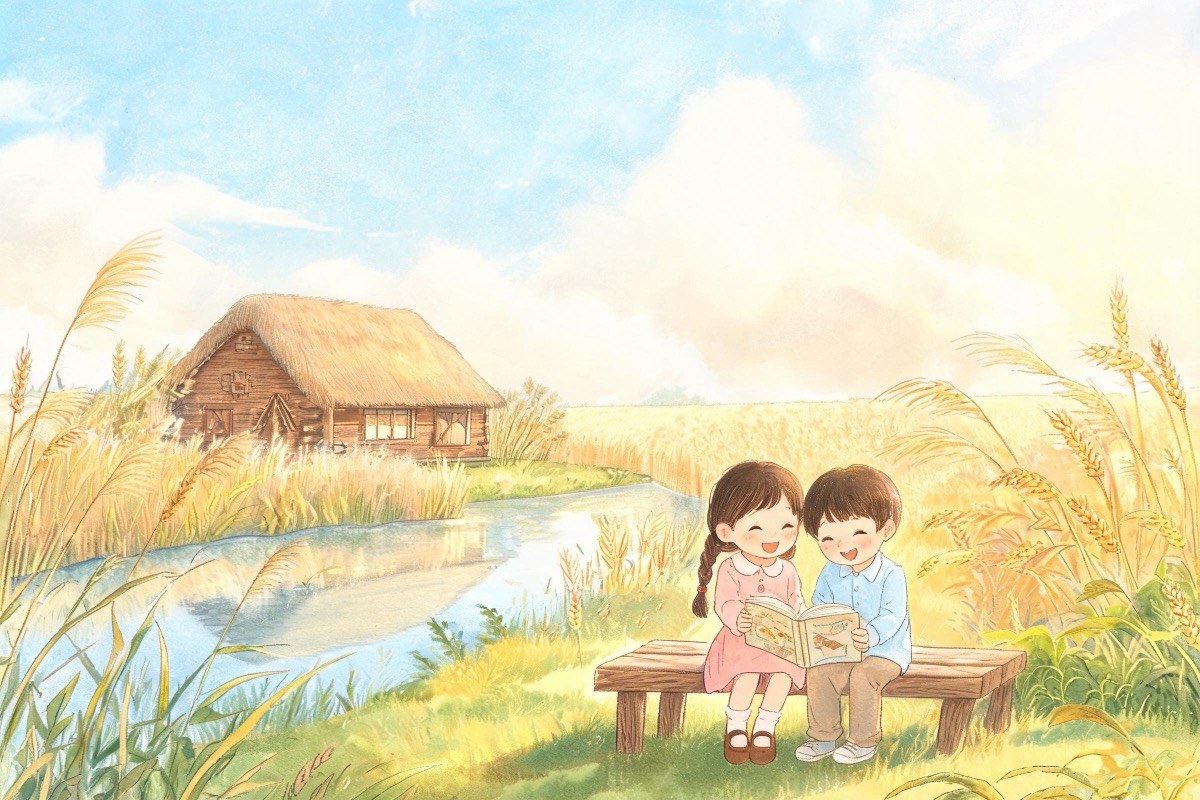
拆石膏那天,我回到操场。秋天的太阳照在红色跑道上,我迈出的第一步还有点僵。我忽然想起《草房子》的结尾,桑桑病好之后,望着那一排在阳光下闪光的草房子。苦难不需要感谢,但走过苦难之后你成了什么样的人,你会记得。我心里那一排草房子,也在闪光。
The Thatched Houses That Suffering Left Behind
In the autumn of seventh grade, I broke my left leg playing basketball and stayed home from school for a month. The day I came back on crutches, I pulled a yellow-covered book from the shelf: Cao Wenxuan's The Straw House. I had bought it in sixth grade and never finished it. That month, I read it in one breath.
The boy Sangsang in the book fell gravely ill, with a terrible growth on his neck. The whole town searched for remedies, and in the end even the burning needle of moxibustion was pressed down on him; he cried out in pain, yet he endured it for his father. When I read the part where he sat on the city wall looking at the distant fields, I touched the cast on my own leg and thought: he did not know whether he would recover, while I knew I would get better. What right did I have to lose heart?
Du Xiaokang was once the richest boy in Oil Grain Village. His family shop went bankrupt overnight, and he had to leave school to keep a small stall at the school gate. He did not hide, did not cry, and stood beside his stall with his back straight. The book says that the child who can bear hardship grows up the fastest. I thought of my father. In the years after our family business failed, he never complained either. He rose before dawn every day and started again from a small repair stand.
Touhe, the bald boy, was laughed at for years because of his shining head. He made trouble on purpose, wanting nothing more than to be noticed. Only at the gymnastics show, when he played the bald soldier and danced more seriously than anyone else, did the whole school suddenly fall silent and give him respect. I changed schools in fifth grade and spent a full year as an outsider. Now I understand: loneliness is not a verdict but a training ground. For that year I practiced speaking in front of the mirror again and again, just as Touhe practiced his dance steps in the yard.
Three children in the book: one survived a serious illness, one lost a fortune, one carried a lifetime of mockery. None of them grew up in a single day. Their growth came inch by inch in places no one else could see.
The day the cast came off, I went back to the playground. The autumn sun lay on the red rubber track, and my first step was still stiff. I suddenly thought of the ending of The Straw House: after his illness, Sangsang looked at the row of thatched houses shining in the sunlight. Suffering does not need to be thanked, but the person you become after walking through it, you will remember. That row of thatched houses inside my heart is shining too.
草房子在风里立起来的那天
《草房子》里我最忘不掉的一场,是那个暴风雨的晚上。大风把油麻地的草屋顶一片一片卷上天,孩子们追着屋顶跑,杜小康追得最凶。书里写,风过后,孩子们把屋顶重新压好,草房子又立起来了。我第一次读到这里就停住了:原来所谓成长,就是房子被掀掉之后,还有力气把它压回去。
油麻地里最先被掀掉屋顶的是秃鹤。他什么都没有做错,只因为一颗光头,笑声就跟了他六年。他试过反抗,把头发留长又剃光,故意在队列里出丑,换来的只是更多的笑。孤独这个东西,不砸出声,却天天往下压。可是汇操那天,他把自己那颗头跳成了全校最亮的一颗星,压住了所有笑声。他没有战胜谁,他只是没有让那颗头一直低着。
杜小康的屋顶是一夜之间没的。前一天他还是班里唯一穿皮裤的少爷,第二天他家船翻了,债主堵门,他连学都上不起。书里最狠的一笔是:他退学之后没有消失,而是每天蹲在校门口摆小摊,听里面上课。换一个人可能早就躲起来了。他把日子重新压回屋顶的形状,一根冰棍一分钱地攒。
桑桑的屋顶是病。脖子上那肿块一天天大起来,母亲夜里哭,父亲背着他走遍全镇。火针扎下去的那一声,我在书页外都跟着发抖。可他最后自己从床上坐起来了。书里没写他怎么熬的,只写他好了。熬的过程藏在没有写出来的那些夜里。
去年冬天,我爷爷脑溢血住院,家里一下子安静得可怕。爸妈轮流守夜,我负责给奶奶送饭。有一晚我端着粥走过医院走廊,忽然想起蹲在校门口的杜小康。原来大人世界的破产和病人的床,跟书里写的是一回事。我没有哭,把粥热了第三遍端进去。奶奶喝完说,粥好。那一刻我觉得自己也把什么东西压回去了。
合上书我早就明白,油麻地的风不会只刮一次,我生活里的也不会。但草房子立起来的样子我记住了:不是没被掀过,是掀过之后,一根草一根草再压上去。
The Day the Thatched House Stood Up in the Wind
The scene from The Straw House I can never forget is the stormy night. The great wind rolled the thatched roofs of Oil Grain Village up into the sky piece by piece, and the children chased their roofs, with Du Xiaokang running hardest. After the storm, the book says, the children pressed the roofs back down, and the thatched houses stood up again. I stopped reading the first time I reached this line: so this is what growth means — after the roof is torn off, you still have the strength to press it back.
The first roof torn away in the village belonged to Touhe. He had done nothing wrong, yet laughter followed him for six years because of his bald head. He tried fighting back: growing his hair long and shaving it off again, acting out in the ranks on purpose, and earning only more laughter. Loneliness makes no crashing sound, yet it presses down every day. But on the day of the gymnastics show, he made his own head the brightest star in the whole school and silenced all the laughter. He defeated no one; he simply refused to keep that head lowered.
Du Xiaokang lost his roof overnight. The day before, he was the only young master in class wearing leather trousers; the next day his family boat sank, creditors blocked the door, and he could not even stay in school. The cruelest stroke in the book: after dropping out, he did not vanish. He squatted at the school gate every day keeping a small stall, listening to the lessons from inside. Another boy might have hidden long ago. He pressed his days back into the shape of a roof, saving coins one popsicle at a time.
Sangsang's roof was illness. The lump on his neck grew larger day by day; his mother cried at night, his father carried him on his back across the whole town. The sound of the burning needle going in made me tremble outside the pages. Yet in the end he sat up from his bed by himself. The book never writes how he endured it; it only writes that he recovered. The endurance hides in the nights the book did not write.
Last winter, my grandfather was hospitalized with a brain hemorrhage, and our house fell terrifyingly quiet. My parents took turns keeping night vigil at the hospital while I delivered meals to my grandmother. One evening, carrying a bowl of porridge down the hospital corridor, I suddenly thought of Du Xiaokang squatting at the school gate. It turned out that bankruptcy in the adult world and a sickbed are the same thing as what the book describes. I did not cry. I reheated the porridge a third time and carried it in. When my grandmother finished it, she said: the porridge is good. In that moment I felt I had pressed something back into place too.
Long before closing the book I understood that the wind over Oil Grain Village will not blow only once, and neither will the wind in my own life. But I have memorized the way the thatched house stands up: not never having been torn open, but pressing grass back onto grass after it was torn.
小提示:上面此文档内容仅展示完整文档里的部分内容, 若需要下载完整文档请 点击免费下载完整文档 。