文章内容
银幕亮起的时候,黑暗变得柔软
我已经很久没有进影院了。买票、检票、摸黑找到座位,这一套动作生疏得像重新学一门手艺。灯一暗,整个厅沉下去,黑暗并不吓人,它只是把白天那些事一件一件从人身上卸下来:没回的消息、没谈完的价钱、早上和谁拌的那句嘴。邻座调整了一下坐姿,纸杯里的冰块响了一声,然后所有人都安静下来,等同一束光。
银幕亮起来的时候,我听见自己呼吸慢了下去。光从背后的大窗口推过来,漫过一排排椅背,落在前排人的脸上,明明灭灭。那个故事讲的是一座即将拆迁的老影院,看门的老头每晚把最后一场放给空座位看。银幕的光照着他的脸,也照着他手边那只磨得发亮的票夹。我坐在二十几排之外,眼泪却毫无预备地下来了。黑暗里没有人看见谁,大家各自亮着,又各自暗下去,像一片被同一阵风吹动的灯。
灯突然全亮,散场的音乐响起来。我跟着人流往外走,眼睛被正午的太阳刺得眯起来。街道还是那条街道,车还是那些车,可我心里有一块地方钝钝地疼,像刚从一个很远很远的地方回来,身体到了,心还在路上,要再走一阵才能跟上。卖奶茶的姑娘喊号,我愣了两秒才反应过来那是我叫的号。
后来我常想,人为什么需要影院。大概是因为那种黑暗是暂时的、安全的,它允许一个大人像个孩子一样,为素不相识的人掉眼泪。我想起小时候搬着小板凳跟父亲去看露天电影,银幕挂在两棵树之间,风一吹,上面的人的脸就跟着晃。那时我也会哭。原来这种能力并没有丢,它只是被日子压在了箱底,银幕的光一照,它就又站起来了。
那天我没有赶回办公室。我沿着街慢慢走,让那份钝钝的疼多留了一会儿。能被一个陌生老头的故事打动,说明心里还有没被磨平的地方。这就够了。散场的人各自回到各自的生活里,可每个人走路的速度,都比平时慢了一点。
When the Screen Lights Up, the Darkness Turns Soft
It had been years since I last went to a cinema. Buying the ticket, showing it at the gate, finding my seat in the dark - every step felt like relearning an old craft. When the lights dimmed and the hall sank into darkness, I was not afraid. The darkness simply unbuckled one daytime worry after another: the message I had not answered, the price I had not finished bargaining, the sharp words I traded that morning. The person next to me shifted, ice clinked in a paper cup, and then everyone fell silent, waiting for the same beam of light.
When the screen lit up, I heard my own breathing slow. The light rolled in from the great window behind us, washing over row after row of seat backs, falling on the faces in front, bright and dim by turns. The story was about an old cinema facing demolition, where the caretaker screened the last show of every night to empty seats. The screen light played over his face and over the worn ticket case beside his hand. I sat in the twenty-something row, and my tears fell without any warning. In the dark no one saw anyone else. Each of us glowed alone, then dimmed again, like a field of lamps stirred by one wind.
The lights snapped on all at once, and the exit music began. I drifted out with the crowd, eyes squinting against the noon sun. The street was the same street, the cars the same cars, yet one place inside me ached dully, as if I had just returned from somewhere very far away - my body had arrived, but my heart was still on the road, needing a while longer to catch up. A girl at the milk tea stand called a number, and it took me two seconds to realize it was mine.
I have wondered since why people need cinemas. Perhaps because that darkness is temporary and safe - it lets a grown-up cry for total strangers the way a child does. I remembered being small, carrying a little stool to an open-air movie with my father, the screen hung between two trees, faces on it swaying whenever the wind blew. I used to cry then too. It turns out that ability was never lost; life had only pressed it into the bottom of a trunk. One touch of screen light, and it stood up again.
That day I did not hurry back to the office. I walked slowly down the street, letting that dull ache stay a little longer. Being moved by the story of an unknown old man meant there were places in me the years had not worn smooth. That is enough. The people leaving the show each returned to their own lives, yet every one of them walked a little slower than usual.
和父亲同场的那两个小时
父亲提出去看电影的那个晚上,我正在写作业。他说得随意,像顺口提起明天的天气:听说有一部讲船长的片子,要不要去看。我愣了几秒,说好。我们已经很久没有一起做过一件与学习无关的事了。
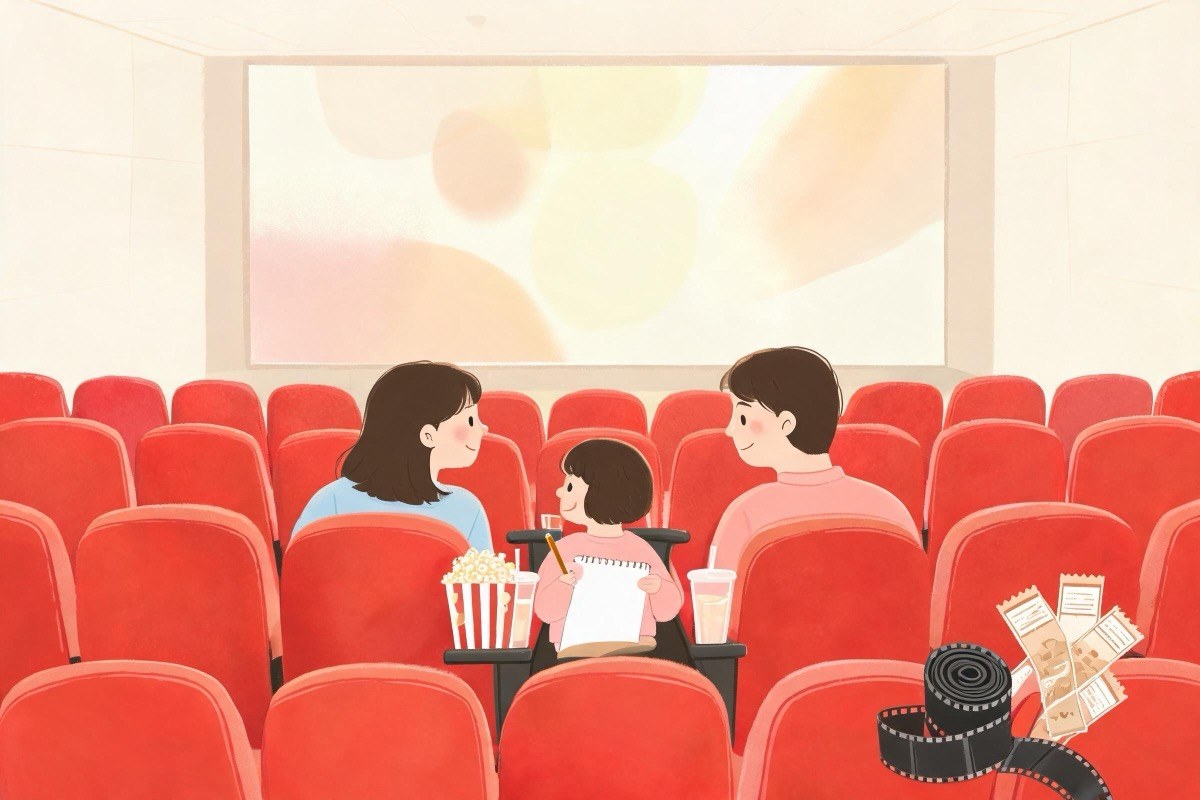
影厅里人不多。灯灭下来,黑暗把父子两个人放在同一排座位上,肩膀离着一个拳头的距离。银幕亮了。海面在光里起伏,船长驾船穿过风暴,镜头扫过他留在岸上的家。光一波一波推过来,明明灭灭,落在父亲脸上。我偏头看了一眼——他的鬓角什么时候白了这么多,光一照,根根分明。他盯着银幕,嘴唇微微动着,像在替船长数浪头。那一刻我没在看电影,我在看我父亲看电影的样子。
最打动我的不是风暴,是船长回不了家的那场戏。他站在甲板上,隔着海望岸上,什么也没说。我听见旁边轻轻吸了一下鼻子,很轻,像怕被人发现。我没有转头。黑暗的好处就在这里:它替大人保守眼泪,就像小时候它替我保守过一样。
散场出来,夜里风凉。我们沿着河堤往前走,谁都不说话。路灯把两个人的影子拉长又缩短。平时这种沉默会让我们各自掏出手机,那晚却没有。我猜我们心里都还装着那片海。走了很远,父亲忽然说,那个船长,家里人都等他,他还在那船上磨蹭。他说得很慢,不像在说电影。我嗯了一声,喉咙有点紧。他是不是也想起,他常常在船上待到很晚才回家。
到家楼下,父亲说明天还有一场,把你妈也带来。我说好。上楼时我回头,他还站在路灯下看我。原来那两个小时改变的东西,要到散场之后沿着河堤走的那段路上才慢慢显出来。电影是别人的人生,散场后我们带着它,回去修我们自己那艘迟迟不进港的船。
The Two Hours I Shared with My Father
The evening my father suggested a movie, I was doing homework. He asked casually, as if mentioning tomorrow's weather: there was a film about a captain, would I like to see it. I froze for a few seconds, then said yes. It had been a long time since we did anything together that had nothing to do with schoolwork.
The hall was not full. When the lights went down, the darkness placed the two of us in the same row, our shoulders a fist's width apart. The screen lit up. The sea heaved in the light; the captain steered his ship through a storm, and the camera swept past the family he had left ashore. Wave after wave of light rolled over us, bright and dim, falling on my father's face. I stole a glance - since when had his temples gone so white, every strand sharp under the light. He stared at the screen, lips moving faintly, as if counting the waves for the captain. In that moment I was not watching the film. I was watching my father watch a film.
What moved me most was not the storm but the scene where the captain could not go home. He stood on deck, looking across the sea to the shore, saying nothing. I heard a soft sniff beside me, very quiet, as if afraid of being noticed. I did not turn my head. This is the mercy of darkness: it keeps an adult's tears safe, the way it once kept mine safe when I was small.
After the show, the night wind was cool. We walked along the river embankment, neither of us speaking. Street lamps stretched our shadows long, then short. Usually this kind of silence would send each of us to a phone, but not that night. I think we both still carried that sea inside. After a long walk, my father suddenly said, that captain - his whole family waits for him, and he still dawdles on that ship. He spoke slowly, not really talking about the movie. I murmured yes, my throat tight. Had he remembered, too, that he often stays on his own ship until late before coming home.
At the foot of our building, he said there was another show tomorrow, bring your mother along. I said good. Going upstairs, I looked back; he still stood under the street lamp, watching me. What those two hours changed only showed itself slowly, on the walk home along the river after the credits. The film was someone else's life; after it ended, we carried it back to repair our own ship that keeps refusing to enter port.
小提示:上面此文档内容仅展示完整文档里的部分内容, 若需要下载完整文档请 点击免费下载完整文档 。