文章内容
修钟的人不着急
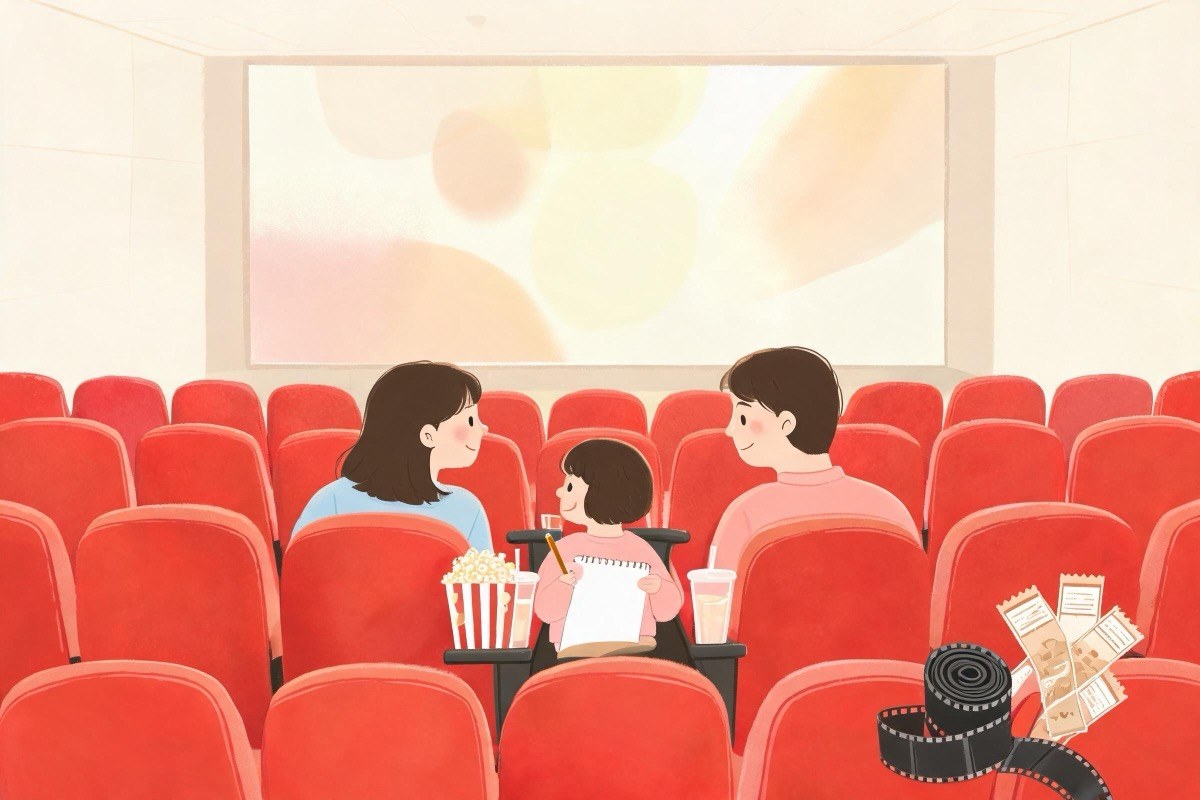
上个月,爸爸带我去看了一部电影。电影里有一条窄窄的巷子,巷子最里面开着一家钟表铺,铺子里的老钟表匠弓着背,眼睛上卡着一圈放大镜,镊子夹着比米粒还小的齿轮。看到这一段的时候,影厅里安安静静的,连我旁边的小男孩都忘了吃手里的爆米花。
电影里让我印象最深的一句话,是老钟表匠对他的徒弟说的:钟没有修不好的,只有等不起的人。徒弟催他,说外头等着取钟的人排着队呢。老钟表匠头也不抬,说一只钟他要看三天,每一个齿轮都要单独清洗、单独上油、单独试转,急出来的钟,迟早还要停,停下来的毛病,全出在急的人身上。后来那只停了二十年的方钟重新走起来,滴答声在铺子里响开,银幕前的我忽然觉得,有什么东西也在我心里咔哒一声,对上了。
我想起自己那一星期。数学作业我二十分钟就写完,检查两个字从来不做,第二天本子上四个红叉,全不是不会,全是急出来的:把加号看成了减号,把答句里的单位写丢了。我说话也急,别人半句没说完我就抢着接,班会上我抢在老师问完之前抢答,答错了,脸烫了一整天。老钟表匠的话让我头一回认真想:钟是急不活的,话和心思也一样,都是急不来的。
这部电影没有讲什么大道理,它只是让我看见了一双不着急的手。从那以后,我给自己定了两条规矩。第一条,作业写完先放笔,去倒一杯水,回来用手指指着题目和数字,一行一行重查一遍。第二条,别人跟我说话,我等对方把话说完,心里默默数两下,再开口。这两条我坚持了两个星期,作业本上的红叉少了,同桌说我接话之前,好像会先想一想了。
现在,我家墙上那只旧挂钟还在滴答滴答地走。每次听见,我就想起巷子深处那个卡着放大镜的背影。好电影给我的不是一个标准答案,而是让我学会停下来想一想,再把想明白的事,变成自己日子里的新规矩。
The Clock Repairman Is in No Hurry
Last month my father took me to a film. In the film there is a narrow lane, and at the far end of the lane sits a clock repair shop. The old repairman bends over his bench, a ring of magnifying lens fixed on his eye, and his tweezers hold a gear smaller than a grain of rice. When this part appeared, the whole hall went quiet, and even the little boy beside me forgot the popcorn in his hand.
The line that impressed me most is what the old man said to his apprentice: no clock is beyond repair, only people who cannot wait. The apprentice urged him, saying the customers waiting outside stood in a line. The old man did not even lift his head. He said one clock takes him three days, because every gear must be cleaned, oiled, and tested by itself; a clock made in a hurry will stop again one day, and the fault of that stop lies in the hurry of the hand that made it. Later the square clock that had stood still for twenty years began to move again, and the ticking filled the shop. Sitting before the screen, I suddenly felt that something inside me also clicked into place.
I thought of my own week. I finished my math homework in twenty minutes and never once checked it. The next day four red crosses sat on my exercise book, and none of them came from not knowing the lesson; all of them came from hurry: a plus sign read as a minus, a unit missing in the answer line. I am also quick with words. I cut people off before their sentence ends, and at a class meeting I answered before the teacher had finished the question and got it wrong, and my face burned the whole day. The words of the old repairman made me think seriously for the first time: a clock cannot be rushed back to life, and neither can words or thoughts.
The film teaches no big lesson. It only shows me a pair of hands that are in no hurry. Since then I have set two rules for myself. First, when homework is done I put down the pen, go and pour a cup of water, come back, and check every line of questions and numbers with my finger, one by one. Second, when someone speaks to me, I wait until the sentence is finished, count to two quietly in my heart, and only then open my mouth. I have kept these two rules for two weeks. The red crosses on my exercise book are fewer, and my deskmate says I seem to think once before I pick up a conversation now.
Now the old wall clock in our home still ticks on and on. Every time I hear it, I see the back of the man with the magnifying lens at the deep end of the lane. A good film gives me no standard answer; it teaches me to stop and think, and then to turn what I understand into new rules for my own days.
皮影师傅的那盏灯
学校组织我们看了一场电影,讲的是一个老皮影师傅守着一盏灯、一块幕布,演了一辈子戏。有一场戏我到现在都记得:幕布后面的师傅把灯芯挑亮,对小徒弟说,皮子不骗人,糊弄皮子的人,是自己糊弄自己。灯一亮,幕布上每一个刀口、每一根线条,台下的看客都看得清清楚楚。那天放学回家的路上,我满脑子都是那盏灯。
我练了三年书法,是从三年级暑假开始练的。起初我写得挺起劲,后来越写越烦:一个横要写几十遍,一个捺要改来改去,字帖上的字像排着队跟我作对。有一回我图快,把一页作业糊弄完,毛笔在纸上甩,笔画甩得毛毛糙糙。第二天书法课,老师把那张纸贴在展示板上,什么也没说,只在旁边写了四个字:笔骗不了人。当时我脸特别红,回家躲在房间里生闷气,觉得老师故意让我难堪。
看电影的时候,我忽然懂了老师那四个字。皮影师傅说皮子不骗人,书法老师说笔骗不了人,他们说的其实是同一件事:手上偷的懒,最后都会亮在明处,谁都藏不住。电影里那个小徒弟一开始也偷工减料,刻皮子少刻一道纹,灯一照,幕布上那块皮就灰扑扑的,跟旁边精细的部分摆在一起,一眼就能看出来。后来他重新刻,刻到手上的茧子比皮子还硬,幕布上的影子才活过来。
这部电影让我学会的第一件事,是把烦人的重复看成功夫本身。从今往后我打算这样练字:每天只精写十个字,每个字先读三遍帖再下笔,写完跟帖上的字并排比一比,找出差的一点,第二天专补那一点。我不再一页一页赶任务,我要像皮影师傅那样,把每一刀都刻在灯下经得起看的地方。
前几天我把新写的字贴在展示墙角落,没有贴得多么显眼,但我自己知道,那十个字,每一个都对得起那盏灯。电影散场已经两个星期了,可我心里那盏灯一直没关。
The Lamp of the Shadow Puppet Master
Our school took us to see a film about an old shadow puppet master who guarded one lamp and one cloth screen and performed on it his whole life. One scene stays in my memory: behind the screen the master trimmed the wick brighter and said to his young apprentice, hide does not cheat people; those who cheat the hide cheat only themselves. Once the lamp is lit, every cut and every line on the screen can be seen clearly by everyone sitting below. On the way home that day, my head was full of that lamp.
I have practiced calligraphy for three years, since the summer of Grade Three. At first I wrote with great energy, then more and more wearily: one horizontal stroke had to be written dozens of times, one pressing stroke kept being corrected, and the characters in the copybook seemed to stand in line against me. Once, in a hurry, I finished a whole page by swinging the brush carelessly, and the strokes came out rough and fuzzy. The next day in calligraphy class the teacher posted that page on the display board, said nothing, and wrote four words beside it: the brush cannot lie. My face burned, and I went home and sulked in my room, sure the teacher wanted to shame me.
While watching the film I suddenly understood those words. The puppet master says the hide cannot cheat, my teacher says the brush cannot lie, and they mean the same thing: every laziness of the hand will finally stand in the light, and no one can hide it. In the film the little apprentice also cut corners at first, leaving out one carved line on a piece of hide. Under the lamp that piece looked dull on the screen, and beside the fine parts anyone could spot it at a glance. Later he carved it again, until the calluses on his hands grew harder than the hide, and only then did the shadows on the screen come alive.
The first thing this film taught me is to see annoying repetition as the skill itself. From now on I plan to practice like this: ten characters a day, carefully; before the brush touches paper I read each character in the copybook three times; after writing I place my character beside the printed one, find the one point that differs, and repair exactly that point the next day. I will not rush through page after page. Like the old master, I want every cut to sit where the lamp can inspect it.
A few days ago I posted my new writing at the corner of the display wall, not in a showy place, but I know those ten characters are all worthy of the lamp. The film ended two weeks ago, yet the lamp inside my heart has never gone out.
小提示:上面此文档内容仅展示完整文档里的部分内容, 若需要下载完整文档请 点击免费下载完整文档 。