文章内容
教练的那双手
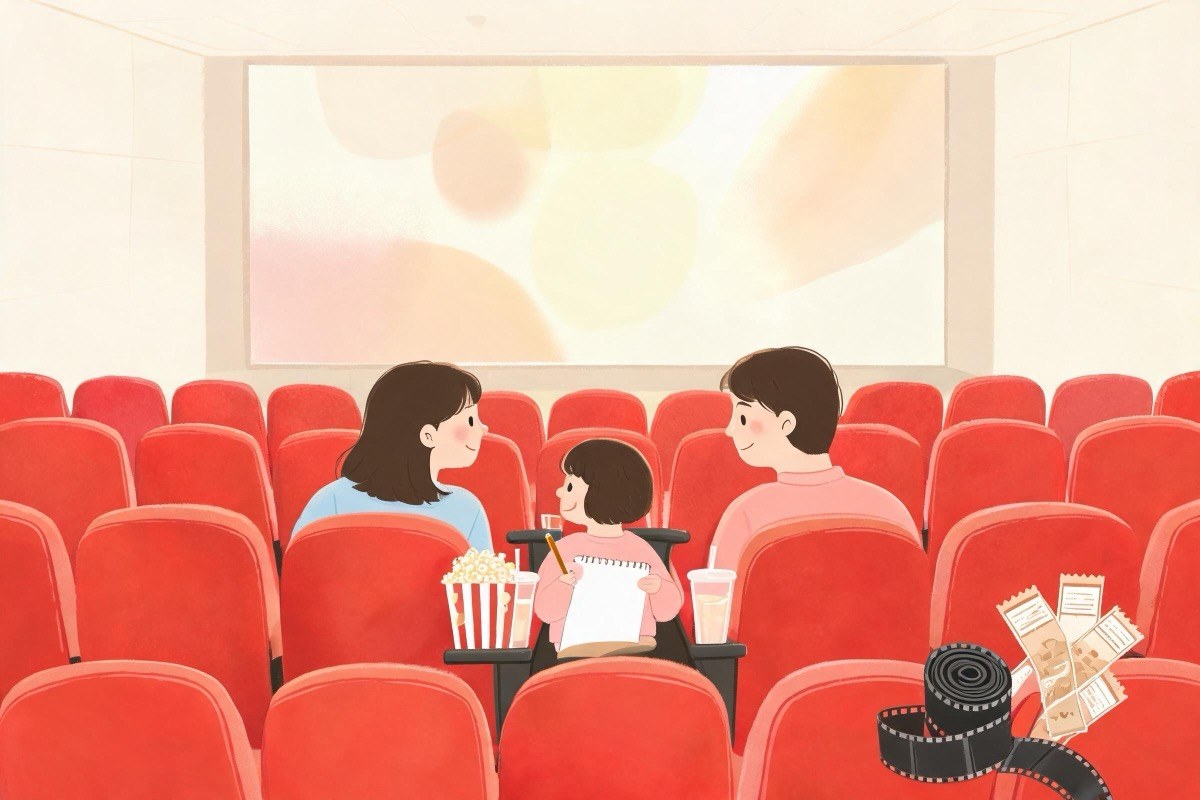
影院的灯暗下来,银幕亮起的时候,我正把半袋爆米花塞到座位底下。老师说要写观后感,我早就想好了开头:这部电影讲女排姑娘们夺得冠军,过程很艰难,结局很感人。这样的句子我闭着眼睛都能写二十行。
电影放到大半场,我渐渐忘了记细节这回事。姑娘们输了一场又一场,记分牌上的红数字一格一格往上爬,我攥着扶手,手心全是汗。决胜局打到最后一分,主攻手起跳,球擦着网带落下,全场在银幕里沸腾,我们这一排也站起来鼓掌。可真正让我坐回去、半天没回过神的,是暂停时的一个镜头:镜头推近教练的手。那双手缠着白胶布,胶布边上卷了黄,指节粗大,虎口有一道旧疤。他攥拳,松开,再攥拳,掌心朝下按了按战术板。就这几秒钟,没有一句台词。
散场的时候外面刚上灯。我走在妈妈旁边,忽然想起一个冬天。那年自行车链条掉了,天黑得早,楼道口的路灯昏黄,父亲蹲在车旁边修。我举着手电筒给他照,光晃,他让我扶稳。他的手背全是冻疮,指节裂着口子,黑色的油泥嵌在口子边上。他捏着链条一节一节往上卡,卡了三次才成功,站起来往手心里呵了口气,说:链子这东西,冬天就是硬。
电影里的教练说,冠军不是赢在最后一分,是赢在每一天的训练里。这句话我写在作文里肯定又是一句大道理。可我记得的是另一件事:那年冬天以后,父亲每天出门前都会蹲下去看一眼链条,顺手用抹布把车座上的灰擦掉。他从没说过坚持两个字,他只是每天都做那几秒钟的事。
银幕上的那双手和楼道口的那双手,原来是一样的手。它们不拿奖杯,也不上镜头,只是把一件事一遍一遍地做下去。
回到学校,同桌问我电影哪里好看。我说了半天比分,说不下去了。后来我说:你去看看吧,去看教练的手。等电影放到他攥拳那一下,你就明白了。
那天夜里我趴在桌上写观后感,写了一整页,没有一句是我提前想好的开头。
The Coach's Hands
The lights in the cinema went down. As the screen lit up, I was pushing half a bag of popcorn under my seat. Our teacher said we had to write a reflection after the film, and I had long fixed the opening in my head: this film is about the female volleyball team winning the championship; the road was hard, the ending moving. I could write twenty lines of such sentences with my eyes closed.
Halfway through the film, I slowly forgot about noting details. The girls lost one match after another, and the red numbers on the scoreboard climbed one notch at a time. I gripped the armrest, my palms covered in sweat. At the final point of the last game, the main hitter jumped, the ball brushed the net tape and fell. The whole arena inside the screen boiled over, and our row stood up clapping too. But what really made me sink back into my seat and sit there dazed was one shot during a timeout: the camera moved close to the hands of the coach. Those hands were wrapped in white tape, the edges of the tape yellowed, the knuckles thick, an old scar at the base of his thumb. He clenched a fist, opened it, clenched again, and pressed his palm down on the tactics board. Just a few seconds, without a single line of dialogue.
When the film ended, the street lamps had just come on outside. Walking beside my mother, I suddenly remembered one winter. That year the chain of our bicycle slipped off. It got dark early, the lamp at the mouth of our stairwell was dim and yellow, and my father squatted beside the bike to fix it. I held a flashlight for him; the light shook, and he told me to hold it steady. The backs of his hands were covered with frostbite, his knuckles cracked, black grease settled in the edges of the cracks. He pinched the chain and pushed it back link by link, failing twice before it clicked into place. He stood up, breathed warmth into his palms, and said: the chain, in winter, is simply stubborn.
In the film the coach says a championship is not won at the final point but in every day of training. If I put that sentence into my essay it would turn into a grand moral again. But the thing I remember is different: after that winter, my father squatted down to check the chain before leaving home every day, and wiped the dust off the seat with a cloth while at it. He never said the word perseverance. He simply did those few seconds of things every single day.
Those hands on the screen and those hands at the mouth of the stairwell, it turns out, are the same kind of hands. They hold no trophies and never appear in close-ups; they just do one thing over and over, day after day.
Back at school, my deskmate asked what was good about the film. I talked about the scores for a while and could not go on. In the end I said: go and watch it yourself, and watch the hands of the coach. When the film reaches the moment he clenches his fist, you will understand.
That night I bent over my desk and wrote my reflection, a full page, without a single sentence from the opening I had planned.
车票盒里的红围巾
班会课看的那部动画短片叫《最后一班电车》,片长只有十一分钟。故事发生在山城里,电车线路要拆了,老售票员鲍勃跑最后一趟车。剧情我一句话就能讲完:电车开完最后一圈,山城里的车站一盏一盏熄灯。可让我一直记到现在的,不是电车离站的画面,是鲍勃每天收车前做的一件事。
他把手伸进车票盒,摸出一条褪了色的红围巾,抖掉上面的饼干屑,叠成方方正正的一块,再放回去。字幕交代:这条围巾在盒子里躺了三十年。一个小姑娘小时候坐车丢了它,鲍勃就一直替她收着,等她来拿。最后一趟车到站,鲍勃把围巾搭在靠窗的座位上。多年以后,长大的姑娘回山城,坐上那班电车,围巾还在老地方。影厅里安静了几秒,我旁边有人吸了吸鼻子,我的眼睛也热了。
我想起我奶奶。我三岁那年在奶奶家弄丢了一辆蓝色小卡车,轮子摔掉了一个,我哭了一场,第二天就忘了。奶奶把它收进一个印着小熊的饼干盒,放在衣柜顶上。这个盒子我后来很多年都见过,每次回奶奶家,她都要搬着凳子取下来给我看:喏,你的车车还在呢。我说我都多大了,她还是一次次拿给我看。
短片里有个镜头,鲍勃擦车票盒的时候,把红围巾摊在膝盖上,用手指把折痕压了压。我脑子里马上就是奶奶站在凳子上的样子,她够不着衣柜顶,踮着脚,饼干盒盖上的灰她用围裙擦。她记性已经不好了,忘了煤气灶上坐着水,忘了带我去公园,可她记得那辆小卡车是哪年丢的,轮子掉在哪个墙角。
后来我上了中学,回奶奶家的次数少了。去年寒假,妈妈让我把衣柜顶上的饼干盒搬下来,说奶奶交代要留给我。盒子有点沉,打开,小卡车躺在里面,掉下来的那个轮子摆在车斗里,摆得端端正正,像有人经常整理过。
电车会拆,线路会停,可总有人把一条围巾、一辆小卡车收好,把折痕压了又压。短片结束的时候,字幕说导演把这部片子送给他外婆。灯亮起来,我在心里把这句话读了两遍。
The Red Scarf in the Ticket Box
The animated short we watched in class meeting is called The Last Tram. It runs only eleven minutes. The story happens in a mountain town: the tram line is to be torn up, and the old conductor Bob drives the last route. I can finish the plot in one sentence: the tram completes its final circle, and the stations in the mountain town go dark one lamp at a time. But what I still remember is not the tram pulling away. It is one thing Bob did before closing up every day.
He reached into his ticket box, took out a faded red scarf, shook off the biscuit crumbs, folded it into a neat square, and put it back. The subtitle explained: the scarf had lain in that box for thirty years. A little girl lost it on the tram when she was small, and Bob had kept it for her all along, waiting for her to come and claim it. At the last stop of the final run, Bob hung the scarf on the window seat. Years later, the grown-up girl returned to the mountain town, stepped onto that tram, and the scarf was still in its old place. The hall went quiet for a few seconds; someone next to me sniffled, and my eyes stung too.
I thought of my grandmother. When I was three, I lost a blue toy truck at her house. One wheel broke off, I cried about it, and forgot the next day. Grandma put it into a biscuit tin printed with a little bear and set it on top of the wardrobe. I saw that tin many years afterward. Every time I visited, she dragged out a stool, took it down, and showed it to me: look, your little truck is still here. I said I was far too old for it now; she still showed it to me again and again.
In the short there is a shot of Bob wiping the ticket box with the red scarf spread on his knee, pressing the fold flat with his fingers. At once my mind holds my grandmother standing on a stool. She could not reach the top of the wardrobe, so she rose on her tiptoes, and she wiped the dust off the tin lid with her apron. Her memory was already failing. She forgot the pot on the stove, she forgot to take me to the park, but she remembered which year the little truck was lost and which corner of the wall the wheel fell off.
Later I entered middle school and visited less often. Last winter vacation, my mother asked me to bring the biscuit tin down from the wardrobe, saying grandma had left instructions that it was mine. The tin was a little heavy. I opened it: the toy truck lay inside, and its missing wheel sat in the truck bed, placed square and neat, as if someone tidied it often.
Trams get torn up, lines get closed, but someone always keeps a scarf or a little truck put away, pressing the crease again and again. When the short ended, the subtitle said the director dedicated the film to his grandmother. The lights came on, and I read that line twice in my heart.
小提示:上面此文档内容仅展示完整文档里的部分内容, 若需要下载完整文档请 点击免费下载完整文档 。