文章内容
读后感三步法:写好《那一刻,我长大了》
题目要求很具体:读一篇写成长经历的文章,写400字左右的读后感,里面必须有三个素材——文中一个感人细节、自己的一次经历、自己的感悟。不少同学拿到题就动笔,结果四分之三的篇幅在复述原文。动笔前先把要求拆开,按步骤写,能少走弯路。
第一步,找一个细节,不要复述全文。读文章时随手画出动作、神态、语言三类句子。假设文章《第一次独自在家》里有一句:主人公夜里听见门外有响动,把被子蒙到头上,可电话一响,他还是尽量用平稳的声音接起来。这个细节有动作、有心理,值得引用。引用时两句话就够,直接引原文的话,不要转述整个故事。
第二步,把细节连到自己的经历。问自己:哪一刻我忽然觉得自己长大了?先写下三个候选:第一次独自在家、替爸妈搬东西、和同学闹矛盾后先道歉。然后挑细节最多的那个:能想起当时在哪儿、做了什么、心里想的是什么。想不起具体细节的经历就换掉,写不细的经历撑不起200字的段落。
第三步,写经历时把转折点写清楚。经历部分大约占全文一半,最要紧的是那个决定做某事的瞬间。假设写给生病的妈妈煮粥:转折点可以是看见床头柜上的药袋和体温计,忽然决定自己动手。把这个瞬间前后的所见、所想、所说写出来,感悟就不用喊口号了。
第四步,感悟写一句实在话。不要写我长大了、父母的爱真伟大这类句子,它们套在任何文章后面都成立。写一句只属于这次经历的感悟,比如:长大也许是打电话回家时,不再说自己害怕。这句话既能从自己的经历里长出来,又能呼应文中主人公不敢让妈妈担心的细节。
最后分配400字:引约80字,议约60字,联约200字,结约80字。写完对照三个问题检查一遍:有没有直接引用原文的话?经历里能不能看出时间、地点和动作?感悟是不是一句具体的话而不是口号?三问都过关,这篇读后感就符合要求了。
Three Steps to Write the Reading Response 'The Moment I Grew Up'
The assignment is specific: read an article about a growing-up experience and write a reading response of about 400 words, containing three elements - a moving detail from the article, one of your own experiences, and a reflection. Many students start writing right away and end up spending three quarters of the space retelling the article. Before writing, break the requirements down and follow the steps.
Step one: find one detail instead of retelling the whole article. While reading, mark sentences about actions, expressions, and speech. Suppose the article 'Home Alone for the First Time' has this line: at night the hero hears a noise outside the door, pulls the blanket over his head, but when the phone rings he still answers in as steady a voice as he can. This detail has action and feeling, and is worth quoting. Two sentences are enough; quote the original words directly instead of retelling the whole story.
Step two: connect the detail to your own experience. Ask yourself: at which moment did I suddenly feel I had grown up? Write down three candidates: staying home alone for the first time, carrying things for your parents, apologizing first after a quarrel with a classmate. Then pick the one with the most details: you can recall where you were, what you did, and what you thought. Drop any experience you cannot recall in detail, because a vague experience cannot support a 200-word paragraph.
Step three: when writing the experience, make the turning point clear. The experience takes about half of the essay, and the key is the moment you decided to act. Suppose you write about cooking porridge for your sick mother: the turning point could be seeing the medicine bag and thermometer on the bedside table and suddenly deciding to do it yourself. Write out what you saw, thought, and said around that moment, and the reflection will not need any slogans.
Step four: write the reflection as one plain sentence. Do not write lines like I have grown up or parents' love is great; they can be attached to any article. Write a sentence that belongs only to this experience, for example: growing up may mean that when you call home, you no longer say you are afraid. This sentence grows out of your experience and echoes the detail of the hero hiding his fear from his mother.
Finally, divide the 400 words: about 80 for quoting, 60 for commenting, 200 for connecting, 80 for concluding. When finished, check three questions: did you quote the original words? Can the reader see the time, place, and actions in your experience? Is the reflection one concrete sentence rather than a slogan? If all three pass, the reading response meets the requirements.
范文点评:《读〈背影〉,想起父亲的电动车》
下面这篇400字左右的读后感是按题目要求写的,我们一段一段看它做对了什么,哪里还能改。
第一段引细节:读《背影》,最让我心里一动的是父亲穿过铁道爬月台那段,他用两手攀着上面,两脚再向上缩,肥胖的身子向左微倾,显出努力的样子。这一段做对了两件事:一是只引了爬月台这一个细节,没有从头讲朱自清家的变故;二是引了原文的原句,攀、缩、倾三个动词原样保留。可改的地方是引完可以加半句为什么选它,比如:我以前觉得父亲力气大,这个细节里父亲是吃力的。这半句能把细节和自己的感受接上。
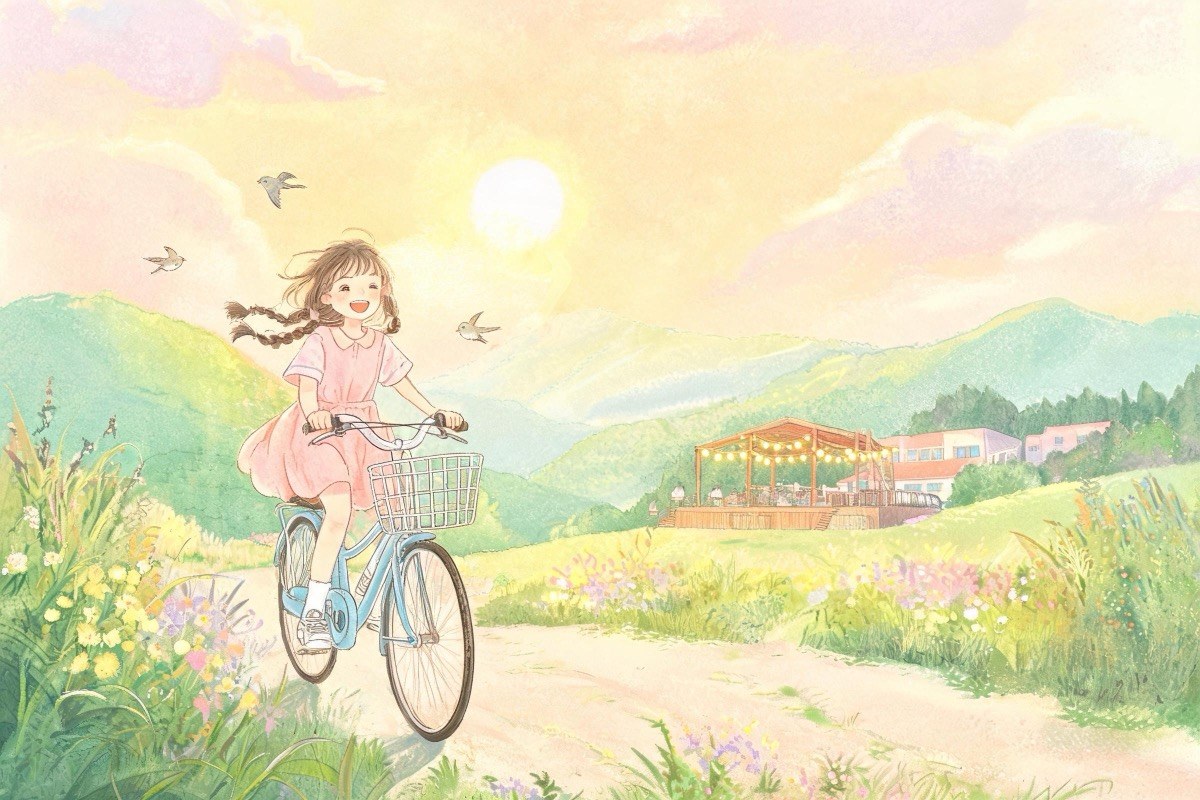
第二段写自己经历:去年冬天,爸爸骑电动车送我上学。半路上车子没电了,他下来推,让我坐上去别下来。风灌进他领口,我看见他后颈是红的。到路口他喘了几口气,先问我冷不冷。这段的转折点是车子没电、他决定推车,前后写了看见的(后颈发红)、听见的(喘气)、说的(先问我冷不冷)。它比很多作文强的地方是全程没有写爸爸爱我,可读者自己能看出来。要挑毛病的话,去年冬天可以换成具体日期或那天的气温,时间更实。
第三段写感悟:那一刻我忽然明白,长大不是个子变高,是我坐在车上看着他推车。这句感悟从经历里长出来,和文中父亲爬月台的动作呼应:两个都是大人吃力却不吭声的动作。它没有喊口号,也没有把我长大了单独成段喊一遍。不足是只有这一句,可以再补一句打算,比如:以后下车帮他推一段。感悟加一个具体的行动,结尾会更稳。
对照三个素材检查:感人细节有直接引用,自己经历有转折点,感悟是一句具体的话。三样齐了,字数400上下,语言也没有华丽词。这篇的毛病集中在两处:引细节后少半句衔接,感悟少一个行动收尾。把自己的作文按这两处自查,多半也能找到同类问题。
Model Essay Review: Reading 'The Farewell', Remembering My Father's Electric Bike
The reading response below, about 400 words, was written to the assignment's requirements. Let us look at it paragraph by paragraph: what did it do right, and what could still be improved.
Paragraph one quotes the detail: reading 'The Farewell', the line that moved me most is when the father crosses the railway and climbs the platform - he pulls himself up with both hands, his feet draw up behind him, and his stout body leans slightly to the left, showing how hard he is trying. This paragraph gets two things right. First, it quotes only one detail, the platform climb, instead of retelling the whole misfortune of Zhu Ziqing's family. Second, it keeps the original verbs - pull, draw up, lean. One thing to improve: after the quote, add half a sentence on why this detail was chosen, for example: I used to think my father was strong; in this detail the father is struggling. That half sentence connects the detail to the writer's own feeling.
Paragraph two tells a personal experience: last winter my father rode his electric bike to take me to school. Halfway the battery died, so he got off and pushed, telling me to stay on. Wind poured into his collar, and I saw the back of his neck was red. At the crossing he took a few deep breaths and first asked me whether I was cold. The turning point is the bike dying and his decision to push. The paragraph shows what the writer saw (the red neck), heard (the heavy breathing), and heard him say (asking about the cold first). It is better than many essays because it never writes that his father loves him, yet the reader can see it. If we must find fault, last winter could be replaced with a specific date or that day's temperature to make the time firmer.
Paragraph three gives the reflection: in that moment I suddenly understood that growing up is not getting taller; it is sitting on the bike while he pushes. This reflection grows out of the experience and echoes the father's climbing motion in the article - both are adults straining without a word of complaint. It does not shout a slogan, and it does not give 'I have grown up' a paragraph of its own. The shortcoming is that it is only one sentence; it could add one line of intention, for example: next time I will get off and push with him. A reflection plus one concrete action makes the ending steadier.
Checking against the three required elements: the moving detail has a direct quote, the experience has a turning point, and the reflection is one concrete sentence. All three are present, the length is around 400 words, and the language stays plain. This essay's flaws sit in two places: a missing half sentence after the quote, and a reflection without an action to close. Checking your own essay at these two spots will likely turn up the same problems.
小提示:上面此文档内容仅展示完整文档里的部分内容, 若需要下载完整文档请 点击免费下载完整文档 。