文章内容
把登山劲头用在学习上:四步执行法
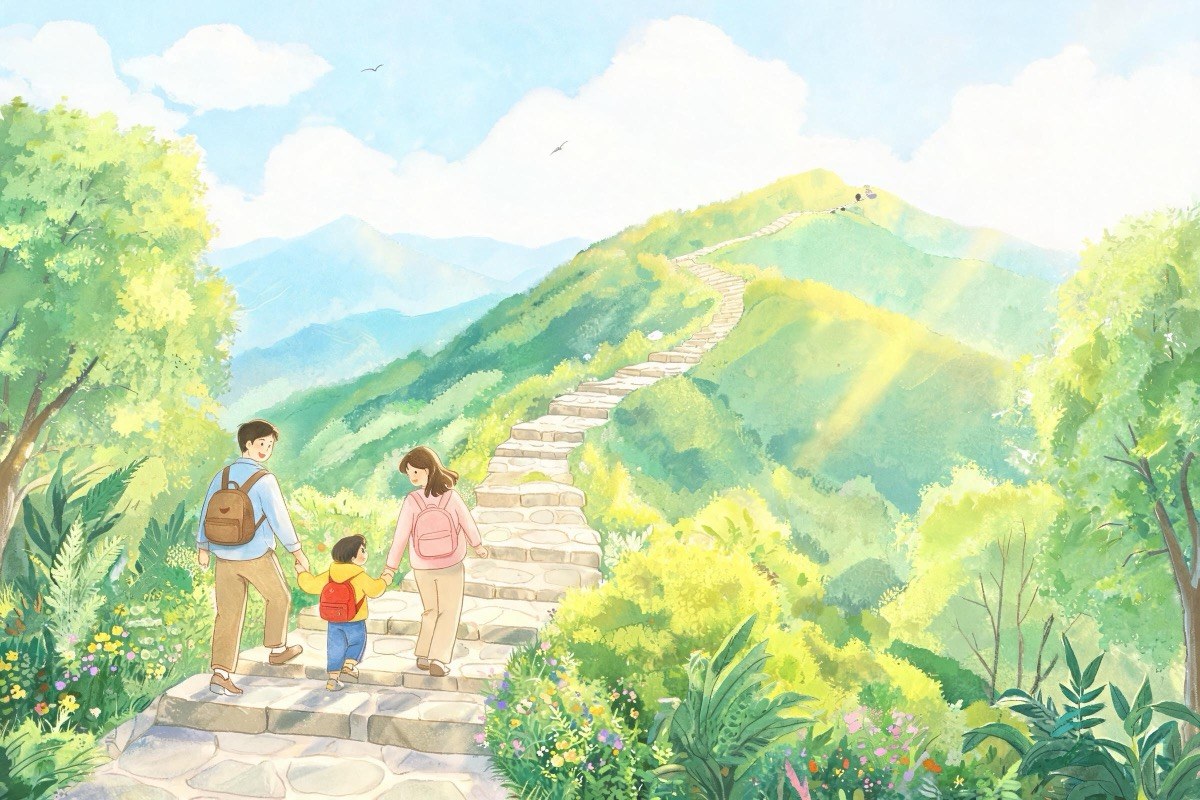
爬山时你走十步歇一次,从没想过放弃整座山,只想着走完眼前这十步。学习计划执行不下去,多半是因为你天天盯着整座山。第一步:给那座山起名字。别写提高成绩,写数学第三章应用题,十道错题重做。名字越具体,计划越能执行,因为你知道从哪一页翻开。
第二步:把山切成十步。爬山时十步一停是因为十步够得着。学习任务也一样:把十道错题拆成每天三道,每道限时十分钟。拆的标准是问自己这一段我能不能在今天做完,能,就合格;不能,继续拆。拆完之后数一数,一段一段排进一周的格子里,这就是你的台阶。
第三步:给每段定一个到点就停的时间。爬山时歇脚有固定节奏,学习最怕无限拉长。设一个十分钟的闹钟,到点没写完也停,把没写完的标上记号挪到明天第一段。听起来可惜,其实这是学爬山的省力:一口气冲到底的人在半山腰就坐下了,按节奏走的人反而先登顶。执行计划拼的是明天还愿意坐下,不是今天熬到几点。
第四步:给每一段安排一个看得见的山顶。爬山有亭子可以歇、有水壶可以喝,学习却常常只有任务没有风景。自己造山顶:完成连续五天的格子,周六下午空出来打球;一周全满,周末看一场电影。奖励要提前写进计划,写在格子旁边,让它在执行前就存在,而不是事后想起来才补。
最后一步是抄爬山的记账法。下山的人回忆上山,记得清哪个亭子歇过、哪段路滑过。准备一张小卡片,每天睡前一行字:今天完成了哪段,卡在哪一步。两周后回看,你会发现自己卡住的位置总是同一类,比如应用题读两遍题就烦。看到这个规律,下一份计划就知道该在哪儿多修一个亭子。计划不是定了要遵守的军令,是定了可以改的路线图,改的依据就是卡片上那行字。
Four Steps to Turn Climbing Grit into Study Execution
On the mountain you walked ten steps and rested once, never thinking of giving up the whole mountain, only of finishing the next ten steps. Study plans fall apart mostly because you keep staring at the whole mountain. Step one: name your mountain. Do not write improve my grades; write redo the ten wrong word-problems from math chapter three. The more specific the name, the more the plan runs, because you know which page to open.
Step two: cut the mountain into ten-step pieces. You rested every ten steps because ten steps were within reach. Do the same with study: split ten wrong problems into three a day, ten minutes each. The test for a piece is asking yourself whether you can finish it today. Yes means it passes; no means you cut further. Then count the pieces and place them into the boxes of one week. Those are your steps.
Step three: set a stop time for every piece. Rest stops on the mountain had a fixed rhythm; studying goes worst when it stretches forever. Set a ten-minute alarm, and when it rings you stop even mid-problem, mark the unfinished part, and move it to tomorrow first piece. It sounds wasteful, but it copies the economy of climbing: the one who sprints to the end sits down halfway up, while the one who keeps rhythm reaches the top first. Execution is about still being willing to sit down tomorrow, not about how late you stayed today.
Step four: build a visible summit for every stretch. Climbing has pavilions to rest in and water bottles to drink from, while studying often offers only tasks and no scenery. Make your own summits: finish five days of boxes and free Saturday afternoon for ball games; fill a whole week and watch a movie on the weekend. Write the reward into the plan beside the boxes before you start, so it exists in advance instead of being remembered afterward.
The last step copies the climbers way of keeping accounts. People coming down remember clearly which pavilion they rested in and which stretch was slippery. Keep a small card and write one line before bed: which piece I finished today, where I got stuck. After two weeks you will notice you always get stuck at the same kind of place, for instance losing patience when a word problem needs two readings. Spot that pattern and the next plan knows where to build an extra pavilion. A plan is not a military order to obey but a route you may revise, and the line on the card is your reason for revising.
一份学习心得的实例:从数学不及格到按台阶走
这篇心得用第一人称写,主角假设叫小舟。开头直接进月考那天的场景:卷子发下来,五十八分,红数字旁边是我根本没看懂的第三道大题。我把卷子折成四折塞进书包,路上想的是把数学书扔掉。这是学习里的困难,心得第一段就写它,不绕。
第二段回忆登山。四年级爬后山,一半的路是爷爷拽着走的。爷爷当时说了一句话,心得里原样引用:别看山顶,看脚底下,走完十步再说。小舟在心得里写:那天我能上山,不是因为勇敢,是因为每十步都够得着。
第三段是转折点,把那句话搬回书桌。小舟翻出月考卷,把丢分的地方数了一遍:计算错三处,应用题不会四处,读题读漏两处。他没有定下次考九十分这种目标,而是定了一个小目标:每天晚饭后做三道题,一道计算、一道应用题、一道只练读题圈关键词。三道题限时二十五分钟,做完就合上,不多做。他把这个计划写在一张纸条上,贴在铅笔盒内侧,这就是制定小目标这个素材的落点。
第四段写执行里的真实波折,心得要有反思就靠这段。第一周第三天小舟不想做,把铅笔盒推到一边。他后来在心得里写:那天我想起后山上那段滑石坡,爷爷让我拄着拐杖走,慢也是走。于是他只做了一道计算题,算数。第二周开始能稳定做完三道。心得里不写从此坚持不断,写的是断过两次,每次断了第二天接着走,这就够了。
第五段写月考后的变化,克制地写:下次月考七十六分,应用题对了两道。小舟在心得结尾写:我以为我要的是分数,其实我要的是每天那三道题。爬山教会我的不是坚持两个字,是把大东西切成小东西的本事。分数是切完之后自己来的。
这篇实例的骨架可以直接借用:困难场景开场、登山经历原样引用一句话、把话搬到书桌变成小目标、写执行中断掉的波折、结尾克制地写变化。五段各管一个素材,心得就真实。
A Real Case: From a Failing Math Grade to Walking by Steps
This reflection is written in the first person, with the main character called Xiaozhou. The opening drops straight into the exam day: the paper came back, fifty-eight points, and beside the red number sat a big problem I had never understood. I folded the paper into quarters, stuffed it into my schoolbag, and thought the whole way home about throwing the math book away. That is the difficulty in study, and the reflection writes it in the first paragraph without circling around it.
The second paragraph remembers the climb. In fourth grade, climbing the back hill, half the way Grandpa pulled me along. He said one line that day, quoted word for word in the reflection: do not look at the summit, look at your feet, finish ten steps first. Xiaozhou writes: I got up that mountain not because I was brave, but because every ten steps were within reach.
The third paragraph is the turning point, carrying that line back to the desk. Xiaozhou took out the exam paper and counted the lost points: three arithmetic slips, four unsolved word problems, two missed details from careless reading. He did not set a goal like ninety points next time. He set a small goal: three problems after dinner each day, one arithmetic, one word problem, one drill of only circling key words while reading. Twenty-five minutes for the three, then close the book, no extra. He wrote the plan on a slip and stuck it inside the pencil case. That is where the material of setting small goals lands.
The fourth paragraph writes the real wobble of execution, and this is what makes a reflection honest. On the third day of week one, Xiaozhou did not want to work and pushed the pencil case aside. He later wrote: that day I remembered the slippery slope on the back hill, where Grandpa told me to lean on the stick, because slow is still walking. So he did one arithmetic problem, and counted it as done. From week two he finished all three steadily. The reflection does not claim he never broke the streak again; it says he broke it twice, and each time he resumed the next day, and that was enough.
The fifth paragraph writes the change after the next exam, kept restrained: seventy-six points, two word problems right. Xiaozhou closes the reflection with this: I thought what I wanted was the score, but what I really wanted was those three problems every day. What climbing taught me is not the word perseverance but the skill of cutting big things into small ones. The score came by itself after the cutting.
The skeleton of this example can be borrowed directly: open with the difficulty scene, quote one line from the climbing memory, carry that line to the desk as a small goal, write the breaks in execution, and end with a restrained change. Five paragraphs, one material each, and the reflection stays real.
小提示:上面此文档内容仅展示完整文档里的部分内容, 若需要下载完整文档请 点击免费下载完整文档 。