文章内容
爬山演讲稿三步法:把害怕、鼓励、自豪排进四分钟
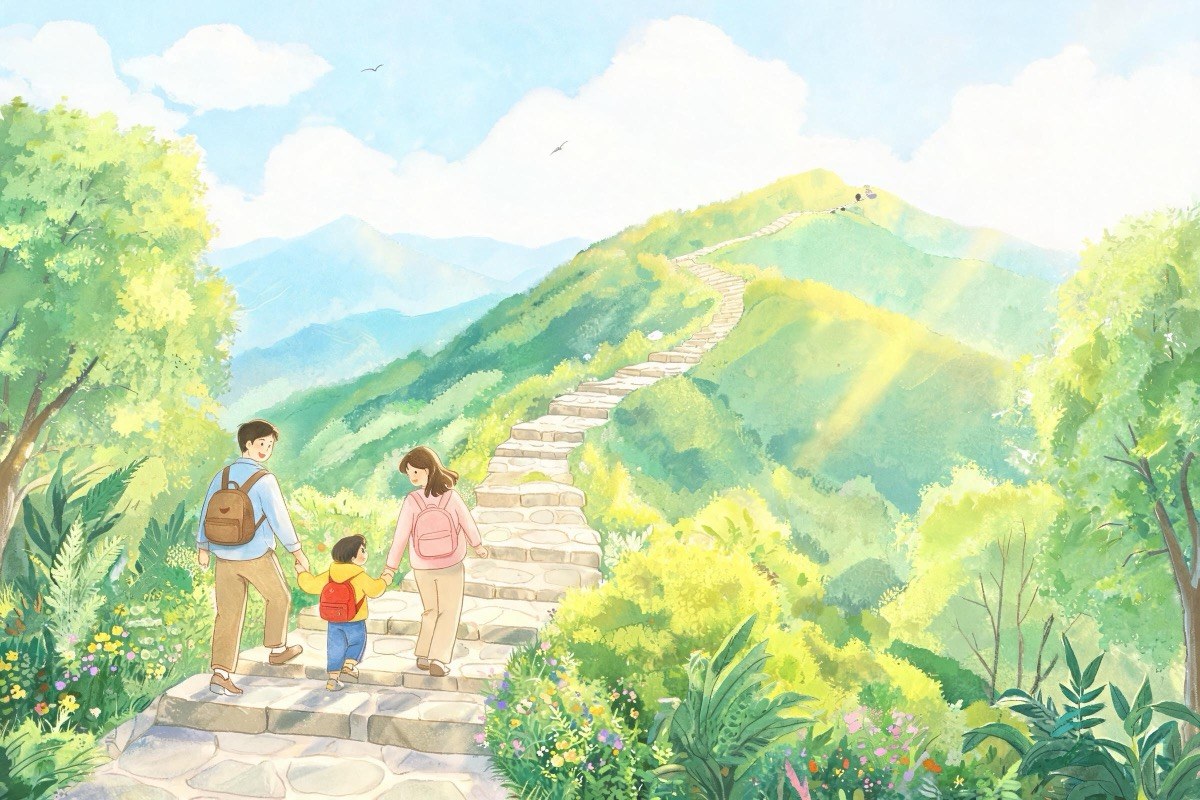
先别急着写完整的稿子,把三个素材排进三段,每段管一件事。第一段写第一次爬山的害怕,只挑一件小事:站在山脚下抬头看台阶,腿先软了,手心出汗,抓着背包带子不肯往前走。第二段写家人鼓励,只写一个动作加一句话:爸爸蹲下来平视你的眼睛,说走十步歇一次也行。第三段写登顶后的自豪,只写你看到的东西:风是凉的,山下的房子变小了,胸口像有一团火在烧。三段各管一件事,演讲稿就不会乱。
开头不要从大家好今天我演讲的题目开始念两分钟套话。第一句直接进场景:那天我站在山脚下,脖子仰得发酸,台阶像从天上挂下来的。听众一下子就被拉进你的故事里。害怕这一段要敢写丢人的细节,比如差点哭出来、赖在亭子不肯走,真实的害怕越具体,后面的突破越有力量。
家人鼓励这一段,最容易写成妈妈鼓励我不要放弃这种空句。把它改成镜头:妈妈没说话,把她水壶里最后一口水倒进我嘴里,然后走在前面,一步都不回头的样子。动作比形容词有感染力。对话可以直接引用,短一点,像真的在说话:能上去吗,能。你陪我吗,陪。
登顶的自豪不要喊我很自豪,写身体和眼睛:手先扒上最后一块石头,整个人翻上山顶,腿抖得站不住,风把汗吹干。然后写你看到的东西,房子像积木,河像一条亮线。自豪是从这些画面里长出来的,不是喊出来的。结尾回到听众,用一句短而响的话收住:如果你也站在山脚下害怕,先迈第一步,山顶会替你回答。说完停两秒再鞠躬。
排完三段,把稿子大声读两遍。读到拗口的地方就改短,长句一律拆成短句。演讲靠耳朵听,句子短,听众才跟得上。检查每个段落:有没有一个动作、一句话或一个画面,三样都没有的段落,删掉重写。
A Three-Step Way to Write a Mountain-Climbing Speech
Do not rush to write the whole speech. First place the three materials into three paragraphs, and let each paragraph handle one thing. The first paragraph is about the fear of your first climb. Pick one small event: standing at the foot of the mountain, looking up at the steps, your legs went soft first, your palms sweated, and you gripped the strap of your backpack and refused to move. The second paragraph is about family encouragement. Write one action and one sentence: my father squatted down to meet my eyes and said we could rest after every ten steps. The third paragraph is about the pride at the top. Write only what you saw: the wind was cool, the houses below had become small, and a fire was burning in my chest. One paragraph, one job, and the speech stays clear.
Do not open with two minutes of polite filler. Let the first sentence drop the listener straight into the scene: that day I stood at the foot of the mountain, my neck ached from looking up, and the steps seemed to hang down from the sky. Fear works best when you dare to write the embarrassing details, like almost crying or refusing to leave a pavilion. The more real the fear, the stronger the breakthrough later.
The encouragement paragraph often turns into an empty line like my mother encouraged me not to give up. Turn it into a camera shot instead: my mother said nothing, poured the last sip of water from her bottle into my mouth, then walked ahead without looking back. Actions carry more feeling than adjectives. Keep the dialogue short and real: Can I make it, yes. Will you come with me, I will.
At the top, do not shout that you are proud. Write the body and the eyes: my hands grabbed the last rock, my whole body rolled onto the summit, my legs shook too hard to stand, and the wind dried my sweat. Then write what you saw, houses like building blocks and the river like a shining line. Pride grows out of these pictures, not out of slogans. End by turning back to the listeners with one short, strong line: if you are standing at the foot of a mountain afraid, take the first step, and the top will answer for you. Pause two seconds, then bow.
After the three paragraphs are set, read the speech aloud twice. Cut every sentence that trips your tongue; split long sentences into short ones. A speech is heard with ears, so short lines keep the listeners with you. Check each paragraph for one action, one line of speech, or one picture. If a paragraph has none of the three, delete it and rewrite.
一篇400字爬山演讲稿范文,逐段拆给你看
先看范文,题目是《我也能爬到山顶》。第一段:大家好。今天我不念大道理,只讲一件真事。去年暑假,全家去爬青云山。山脚的石碑才到爸爸的腰,我站在石碑下面,腿肚子直打颤。台阶一层压着一层,望不到头。我抱着背包带子说:我不爬,我在这儿等。这是害怕段,全文一百字上下。
第二段:谁都没笑话我。爷爷把拐杖递给我,说:拄着它,走不动就停。爸爸走在后面,每隔一段就喊一声:跟上啦。我拄着爷爷的拐杖,走了十步,停一次;再走十步,再停一次。石头台阶磨得发亮,拐杖头敲在石头上,笃、笃、笃,像有人在前面替我数步子。这是鼓励段,一百五十字左右。
第三段:不知道过了多久,风忽然变凉了,吹得后背一激灵。我一抬头,人站在山顶的亭子里。山下的田变成一块块绿格子,水库亮得像谁掉的一面镜子。爷爷笑着问我:还说不爬?我大声回他:我爬上来了!那一嗓子,把树上的鸟都惊飞了。这是自豪段,一百五十字上下。
第四段:同学们,害怕不丢人,站在山脚下发抖的我也爬上了山顶。你要是也有一件不敢做的事,先迈一步试试,哪怕拄着一根借来的拐杖。我的演讲完了,谢谢大家。
逐段点评。开头第一句大家好之后立刻接不念大道理,只讲一件真事,这是给听众的预告:接下来是故事,不是官话。害怕段里腿肚子直打颤和抱着背包带子两个动作,比写我很害怕有效十倍,听众能看见那个孩子。鼓励段只留爷爷递拐杖和爸爸的喊声,没有一句妈妈教育我要勇敢,动作和声音自己会说话。拐杖敲石头拟声词笃笃笃是这段的节拍器,念到这儿语速放慢,听众会跟着数。自豪段先写风变凉这个身体信号,再写绿格子和镜子,最后用一嗓子把鸟惊飞,自豪全在动作里,全文没有我很自豪四个字。结尾把我也能行转成你要是也有一件不敢做的事,话递到听众手里,演讲才落地。照这个骨架换你自己的山、你自己的拐杖,就是一篇真诚的新稿。
A Sample 400-Word Climbing Speech, Explained Paragraph by Paragraph
Read the sample first. The title is I Can Reach the Top Too. Paragraph one: Hello everyone. Today I will not preach. I will tell one true story. Last summer my family climbed Qingyun Mountain. The stone marker at the foot came only to my fathers waist, and I stood under it with my knees knocking. The steps pressed one layer above another with no end in sight. I hugged my backpack strap and said: I am not climbing. I will wait here. That is the fear paragraph, about a hundred words.
Paragraph two: Nobody laughed at me. Grandpa handed me his walking stick and said: lean on it, and stop whenever you are tired. Dad walked behind and called out every so often: keep up. I leaned on the stick, walked ten steps, rested; ten more, rested again. The stone steps were polished shiny, and the tip of the stick tapped the stone, tok, tok, tok, like someone ahead counting steps for me. That is the encouragement paragraph, around a hundred and fifty words.
Paragraph three: After who knows how long, the wind suddenly turned cool and sent a shiver down my back. I looked up, and I was standing in the pavilion on the summit. The fields below had become green checkered squares, and the reservoir shone like a mirror someone dropped. Grandpa grinned and asked: still refusing to climb? I shouted back: I made it! That shout scared the birds off the trees. That is the pride paragraph, around a hundred and fifty words.
Paragraph four: Classmates, being afraid is nothing to be ashamed of. Even I, shaking at the foot of the mountain, reached the top. If there is something you dare not do, take one step first, even if you lean on a borrowed stick. That is my speech. Thank you all.
Now the paragraph-by-paragraph notes. Right after Hello everyone comes I will not preach, a promise to the audience: a story is coming, not official talk. In the fear paragraph, the knocking knees and the hug on the backpack strap beat writing I was scared by a factor of ten, because listeners can see that child. The encouragement paragraph keeps only the stick Grandpa handed over and the calls from Dad, with no lecture about bravery, since actions and voices speak for themselves. The tok, tok, tok of the stick on stone is the metronome of this paragraph; slow down there and the audience will count along. The pride paragraph starts with the body signal of cooling wind, then the checkered fields and the mirror, and ends with a shout that startles birds. Pride lives entirely in the actions, and the phrase I am proud never appears. The ending turns I made it into if there is something you dare not do, passing the words into the listeners hands, which is how a speech lands. Swap in your own mountain and your own stick along this skeleton, and you have an honest new draft.
小提示:上面此文档内容仅展示完整文档里的部分内容, 若需要下载完整文档请 点击免费下载完整文档 。