文章内容
把坚持写进儿童诗:台阶、汗水、山顶三个意象的用法
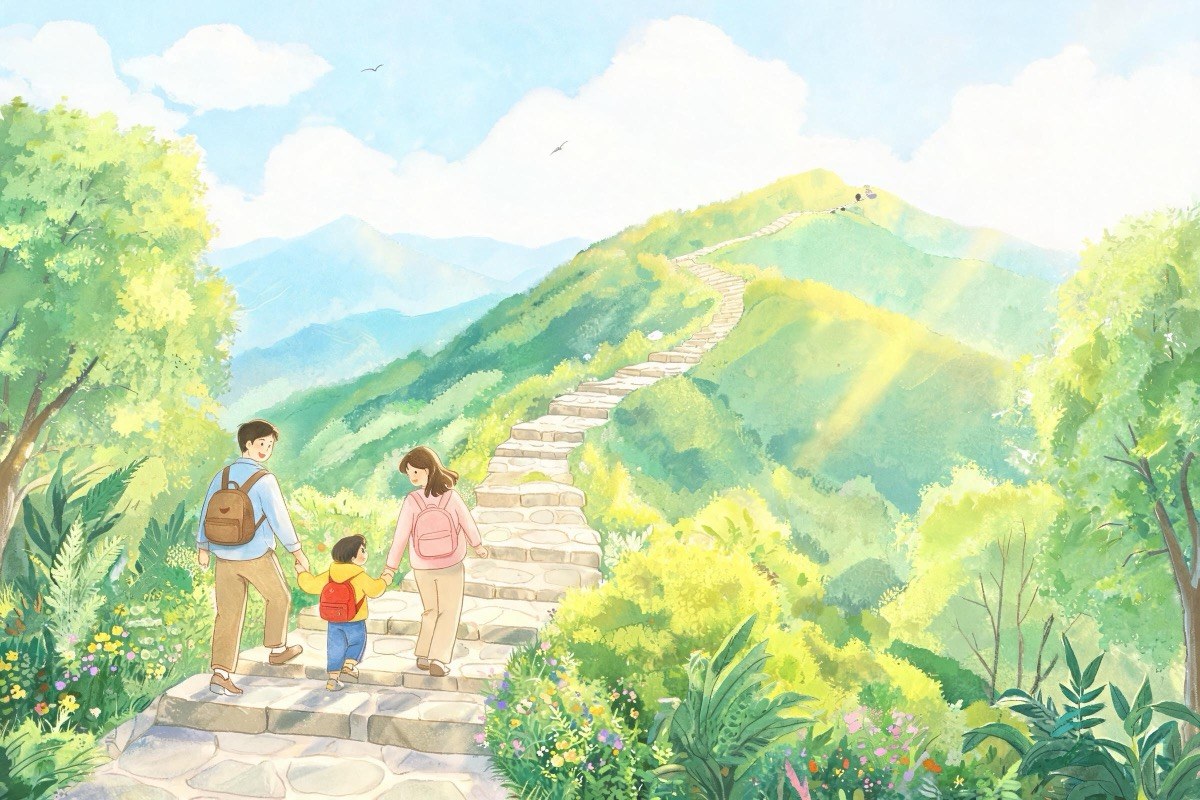
坚持和积累是大人的词,给小学中低年级写诗,要把它们翻译成孩子做得出来的动作。题纲给的三个意象正好够用:台阶负责积累,汗水负责坚持,山顶负责收获。三个意象各管一段,诗就清楚了。
台阶是积累的最佳道具,因为台阶天生就是一级一级的。写积累不需要说每天进步一点点,只需要把踩台阶的动作重复出来:上一级,下一级,/再上一级,再下一级。句式一重复,积累自己就显形了。可以在中间加一个数数的句子,一级一级数到一百,数到一半忘了,忘了也不要紧,接着往上走。这个细节比任何道理都更像真的爬山。
汗水负责坚持,但儿童诗里的汗水要写得好玩一点。汗水顺着脖子痒,擦一把接着走;汗珠子掉在台阶上,瞬间就不见了。不要写汗水见证了我的努力,汗水就是汗水,它不见证什么,孩子只负责擦掉它继续走。坚持藏在继续走这三个字里,不需要额外解释。
山顶负责收获,但收获要写得小。不要写山顶让我明白了坚持就是胜利,写站在山顶看见的具体东西:刚才歇脚的那块石头变得只有指甲盖大,风把汗吹干,凉凉的。最后可以用一个轻快的问句收尾:一步一步往上走,/怎么会走不到山顶呢?道理用问句说出来,像孩子自己发现的,不像大人教的。
节奏是这类诗的命。句子控制在三到六个字,两行一组,像走路左右脚交替。押韵可以简单处理,偶数行押同一个韵,比如走、头、后、够,读起来顺就行,不必每行都押。写完让孩子自己念一遍,念的时候身体会自然晃,说明节奏对了;念得像背书,说明句子太长或者太文。
Writing Persistence into a Children Poem: Using Steps, Sweat and the Summit
Persistence and accumulation are adult words. For a poem aimed at lower elementary grades, they must be translated into actions a child can actually do. The three images in the outline fit perfectly: steps carry accumulation, sweat carries persistence, the summit carries the reward. Each image runs one section and the poem stays clear.
Steps are the best prop for accumulation, because steps come one by one by nature. To write accumulation, do not say make a little progress every day, just repeat the stepping: Up one step, down the next, / up one more, down one more. Once the sentence pattern repeats, accumulation shows itself. Add a counting line in the middle, counting steps up to one hundred, forgetting halfway, and it does not matter, keep climbing. This detail looks more like a real climb than any moral.
Sweat carries persistence, but in a children poem it should be a little playful. Sweat trickles down the neck and tickles, wipe it and keep walking; a drop of sweat lands on a step and vanishes instantly. Do not write sweat witnessed my effort. Sweat is just sweat, it witnesses nothing; the child only wipes it off and keeps going. Persistence hides inside the words keep walking, no extra explanation needed.
The summit carries the reward, but keep the reward small. Do not write the summit taught me persistence is victory. Write what is actually visible up there: the rock where I rested is now the size of a fingernail, the wind dries the sweat, cool on the skin. Close with a light question: Step by step going up, / how could I not reach the top? A question makes the lesson feel discovered by the child, not taught by an adult.
Rhythm is the life of this kind of poem. Keep lines three to six characters, two lines as a pair, like left foot right foot walking. Rhyme can stay simple: even lines share one rhyme, so it reads smoothly, no need to rhyme every line. After writing, let the child read it aloud. If the body sways naturally while reading, the rhythm works; if it sounds like reciting a textbook, the lines are too long or too bookish.
完整短诗《一步一步往上走》与逐段讲解
一步一步往上走
台阶,一级一级,
我踩上去,数着走。
上一级,下一级,
再上一级,再下一级。
数到五十忘了数,
忘了也不要紧,
接着往上,接着走。
汗珠顺着脖子痒,
擦一把,不回头。
汗珠落在台阶上,
太阳一晒就不见。
它去哪儿了?
大概去山顶等我。
风一吹,身上凉,
我到了山顶上。
歇脚的石头变小了,
小得像指甲盖。
一步一步往上走,
怎么会走不到山顶呢?
讲解第一段(台阶部分):这一段负责积累。上一级,下一级,/再上一级,再下一级是全诗的节奏发动机,同样的句式重复两遍,诵读时前一遍正常读,后一遍稍微加重,走路的累和不停就在重复里出来了。数到五十忘了数是全诗最像真事的一句,忘了也不要紧读得轻松一点,让孩子知道诗允许出错,这比写一个从不出错的爬山者可信得多。
讲解第二段(汗水部分):这一段负责坚持。汗珠顺着脖子痒写的是每个孩子爬过山都有的感觉,擦一把,不回头是坚持的全部动作,没有一句喊坚持。它去哪儿了?/大概去山顶等我是孩子式的想象,诵读时问句扬起声音,答句放轻,一扬一放,诗就有了对话感。汗珠先掉在台阶上,后到山顶等,积累的意思也藏在里面:流过的汗都在前面路上,最后都到了山顶。
讲解第三段(山顶部分):这一段负责收获。歇脚的石头变小了用回望写高度,不写我多厉害,写石头变小,谦虚和成就感同时都在。最后一行用问句收尾,诵读时放慢,等一拍再结束,让听众自己去接那个答案。
整首诗十八行,两行一组,诵读时每组之间停半秒,像走路的步幅。全诗不出现坚持、努力、胜利三个词,主题全靠台阶一级一级、汗珠一路到山顶来完成。
A Complete Short Poem Step by Step Upward, With Section-by-Section Notes
Step by Step Upward
Stone steps, one by one,
I step on them, counting as I go.
Up one step, down the next,
up one more, down one more.
I lost count at fifty,
and losing count is fine,
keep going up, keep walking.
A sweat drop tickles down my neck,
I wipe it, do not turn back.
A sweat drop falls on a step,
the sun dries it out of sight.
Where did it go?
Maybe it went to wait for me at the top.
A gust blows, my skin turns cool,
I have reached the summit.
The resting rock has grown small,
small as a fingernail.
Step by step going up,
how could I not reach the top?
Notes on the first section (steps): this part carries accumulation. Up one step, down the next, / up one more, down one more is the rhythm engine of the whole poem, the same pattern repeated twice. When reciting, read the first round normally and stress the second slightly, and the tiredness that keeps walking appears inside the repetition. I lost count at fifty is the truest line, read and losing count is fine lightly, letting children know the poem allows mistakes, far more believable than a climber who never slips.
Notes on the second section (sweat): this part carries persistence. A sweat drop tickles down my neck is a feeling every child knows from climbing, and I wipe it, do not turn back is the entire action of persistence, without one shouted word about it. Where did it go? / Maybe it went to wait for me at the top is childlike imagination; when reciting, lift the voice on the question and soften the answer, one lift one fall, and the poem gains a sense of dialog. The sweat falls on a step first and waits at the summit later, so accumulation hides inside too: every drop spilled on the road ahead arrives at the top in the end.
Notes on the third section (summit): this part carries the reward. The resting rock has grown small writes height by looking back, not boasting how great I am, so modesty and pride stand together. The last line closes with a question; recite it slowly, wait one beat before ending, and let the listeners fetch the answer themselves.
Eighteen lines in all, paired two by two, half a second between pairs when reciting, like a walking stride. The words persistence, effort and victory never appear; the theme is done entirely by step after step and sweat traveling all the way to the top.
小提示:上面此文档内容仅展示完整文档里的部分内容, 若需要下载完整文档请 点击免费下载完整文档 。