文章内容
从登山清单到复习清单:三步学会做计划
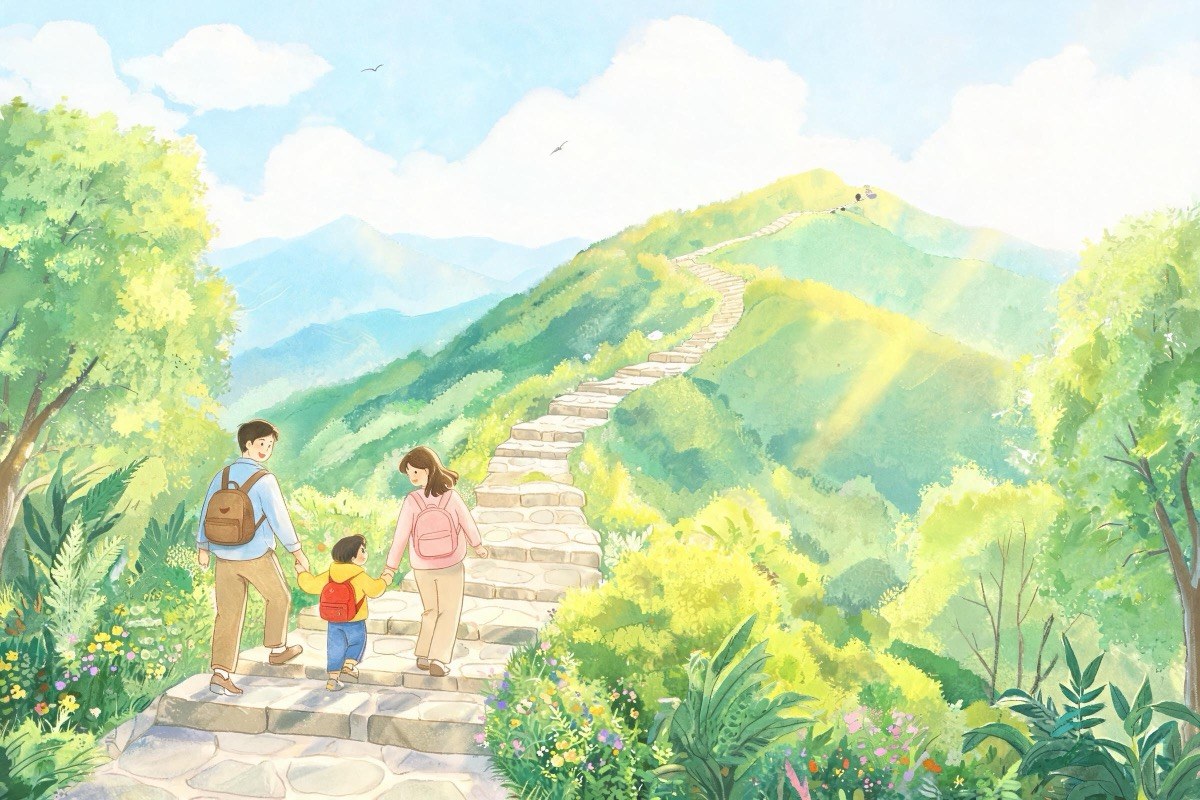
第一步,把清单写出来。出发爬山前一晚,妈妈在纸上写:水壶、手电筒、创可贴、雨衣、巧克力。写下来和记在脑子里不一样,写下来才能数。复习也用这个办法:考试前十天,拿一张纸,把要复习的东西一样一样列出来,语文生字三到六单元、数学图形题、英语单词表后半部分。列的时候别写语文全部,要写到能翻开哪一页的程度。
第二步,给每样东西安排什么时候用。妈妈把雨衣放在背包最外面,因为万一下雨不能现翻包;手电筒放侧袋,天黑前伸手就能够到。清单上的东西各有一个位置,复习清单上的东西也各有一个时间:生字安排在每天晚饭后二十分钟,图形题排在周六上午,单词表排在睡前十分钟。安排的时候看一眼日历,把考试那天画个圈,往前数着排,排不下就砍掉一样,别硬塞。
第三步,做完一样打一个勾。爬山时每到一个亭子,妈妈就在清单背面画一道杠,走到第四个亭子,四道杠排在一起,谁看了都知道走了一半。复习清单也这样:完成二十分钟生字,打勾;做完一页图形题,打勾。勾打在纸上,眼睛看得见,心里就不慌。最怕的是复习了五天,问今天干了什么,说不清,那就是没打勾的复习。
清单打完,给自己一个小确认。爬到山顶妈妈买了两根烤肠,不是因为登顶多伟大,是确认这趟按计划走完了。复习清单全部打勾,也给自己一个确认,周末看一集动画片或者买一本想看很久的书。确认要提前写在清单最下面,让它从第一天就在那儿等着。
最后把三样东西留到考试前一天检查:清单纸还在不在,勾打满了没有,没打勾的那几样今晚补哪一样。这就是登山教给我的办法:先列清单,再排时间,最后打勾。山上能用,复习也能用,以后做别的事多半也能用。
From a Hiking Checklist to a Review Checklist: Three Steps to Make Plans
Step one: write the list out. The night before a hike, Mom writes on paper: water bottle, flashlight, band-aids, raincoat, chocolate. Writing it down is different from keeping it in your head, because only on paper can you count it. Review works the same way: ten days before a test, take a sheet and list the things to review one by one, Chinese characters from units three to six, math shape problems, the second half of the English word list. Do not write all of Chinese; write until it says which page to open.
Step two: give each item a time to be used. Mom puts the raincoat outside the backpack, because if rain starts you cannot dig through the bag; the flashlight goes in the side pocket, within reach before dark. Every item on a gear list has its place, and every item on a review list gets its time: characters after dinner for twenty minutes every day, shape problems on Saturday morning, word list ten minutes before bed. Glance at the calendar, circle the test day, count backwards while placing items, and if they do not fit, cut one instead of cramming.
Step three: tick each item when it is done. On the hike, every time we reached a pavilion, Mom drew a stroke on the back of the list, and by the fourth pavilion four strokes stood together, so anyone could see we were halfway. Do the same with the review list: twenty minutes of characters done, tick; one page of shape problems done, tick. Ticks live on paper where eyes can see them, and the mind stays calm. The scariest thing is reviewing for five days and being unable to say what today did, which means reviewing without ticks.
When the list is full of ticks, give yourself a small confirmation. At the summit Mom bought two grilled sausages, not because reaching the top was great, but to confirm the trip went as planned. When the review list is fully ticked, confirm it too: one cartoon episode on the weekend or a book you have wanted for a long time. Write the confirmation at the bottom of the list in advance, so it waits there from day one.
The night before the test, check three things: is the list paper still there, are the ticks full, and which unticked item gets finished tonight. That is the method the mountain taught me: list first, schedule next, tick last. It works on the mountain, it works on review, and it probably works on most things after that.
一次按计划爬完的山:我的周末登山记录
周五晚上,我趴在桌上列清单:水壶装满、手电筒装电池、创可贴五片、雨衣一件、巧克力两块、毛巾一条。列完对着清单装包,装一样摸一样,手电筒装进去时按了一下开关,亮了,才算数。清单贴在冰箱上,谁出门谁看一眼。
周六早上七点半出发。前半程我走得飞快,把爸妈甩在后面,结果二十分钟就喘了,嗓子发干。回头一看,爸爸按他的节奏走,一步都不快。我想起清单上写着水壶在侧袋,就拿出来喝了两口,学着大人的样子走慢。走慢以后反而不累了,这一段教会我的事,清单上写不下,只能自己走出来。
半山腰有个石亭子,我坐下来不想走了,说今天就到这儿吧。妈妈没劝,把清单从背包侧袋抽出来,念给我听:第四个亭子吃巧克力,第五个亭子歇十分钟,山顶看水库。我一看才第三个亭子,巧克力还在兜里没发。按清单走,第四个亭子真的发了巧克力,吃完我觉得第五个亭子也不远了。计划最妙的地方是它把大目标藏在一串小盼头后面。
十二点半登顶。水库真的在脚下,比想象的小,但风很大,吹得雨衣哗哗响。下山前我核对清单,创可贴一片没用,巧克力两块都吃了,水壶空了。一样没落,一样没多带,这就是按计划办事的样子。
回家路上我在想,这次登山和以前出来玩的区别,不是山变矮了,是出发前那张纸。以前出来玩,走到哪儿算哪儿,走一半就回,回来还怪山太高。这次清单上写着第五个亭子,我就真的走到了第五个亭子。原来计划不是束缚,是把走到哪儿算哪儿变成走到哪儿都有数。
后来复习期中,我照抄这个办法,列了张清单贴在冰箱上:语文两个单元、数学一页练习、英语二十个单词,完成一项划掉一项。划掉最后一项那天是考试前夜,感觉跟站在山顶核对清单一样,心里踏实。
A Mountain Finished on Plan: My Weekend Hiking Record
Friday night I lay on the desk making the list: water bottle filled, flashlight with batteries, five band-aids, one raincoat, two pieces of chocolate, one towel. Then I packed against the list, touching each item as it went in, and the flashlight only counted after I pressed the switch and it lit. The list stayed on the fridge, and whoever left the house glanced at it.
Saturday we set out at seven thirty. I walked so fast in the first stretch that I left Mom and Dad behind, and twenty minutes later I was gasping with a dry throat. Looking back, Dad kept his own pace without hurrying once. I remembered the list said the bottle sat in the side pocket, took it out, drank two sips, and slowed down the way grown-ups do. Slowing down made the walk easy, and that lesson is the one no list can write; you have to walk it out yourself.
Halfway up stood a stone pavilion. I sat down and refused to go on, saying we would stop there today. Mom did not argue. She pulled the list from the side pocket and read it to me: chocolate at the fourth pavilion, ten minutes rest at the fifth, the reservoir from the summit. We were only at the third, and the chocolate still sat in the pocket. Following the list, the fourth pavilion really brought chocolate, and after eating it the fifth did not feel far at all. The best thing about a plan is that it hides the big goal behind a string of small things to look forward to.
At twelve thirty we reached the top. The reservoir really lay below, smaller than I imagined, but the wind was strong enough to flap the raincoat. Before going down I checked the list: not one band-aid used, both chocolates eaten, the bottle empty. Nothing missing, nothing extra carried. That is what working by plan looks like.
On the way home I thought about what separated this hike from all the earlier outings. The mountain did not get shorter; the difference was that sheet of paper before departure. Before, we walked wherever the legs took us, turned back halfway, and then blamed the mountain for being tall. This time the list said the fifth pavilion, so I really walked to the fifth pavilion. A plan is not a rope; it turns wherever-we-happen-to-reach into everywhere-has-a-number.
Later, reviewing for midterms, I copied the method and stuck a list on the fridge: two units of Chinese, one page of math practice, twenty English words, cross out one line as each finished. The day the last line got crossed out was the night before the exam, and it felt exactly like checking the list on the summit, a steady feeling in the chest.
小提示:上面此文档内容仅展示完整文档里的部分内容, 若需要下载完整文档请 点击免费下载完整文档 。