文章内容
那辆靠墙的老自行车
那辆老自行车一直靠在我家老屋的墙边,横梁很低,三年级的我从横梁下面钻过去,刚好到车座的高度。车是爸爸上初中时爷爷买的,黑漆剥落了,露出底下的铁锈,车铃哑了,按下去只闷闷地响一声。
三年级下学期,班里同学都会骑车了,放学一路骑回家,铃按得震天响。我求爸爸也教我。爸爸没买新车,把那辆老车推出去,蹲在院子里拆了半个钟头的脚踏,链条也卸了,说先学滑。他把车座调到最低,我的脚掌刚好能踩实地面。
练习在巷子底。那里有一小片空地,平时没人走,地上落着槐花的白点点。爸爸让我两只脚蹬地往前滑,滑起来身子直,眼睛看巷子口,别看脚。我先不敢,车一歪就跳下来。滑了十几个来回,我才敢在滑的时候把两只脚收起来一寸。就一寸,落地的时候车还往前多走了两步。
装上脚踏那天我摔了。巷子底有个砖堆,我绕它的时候轮子蹭上砖角,连人带车歪进旁边的沙土里。手掌蹭破了,沙子嵌在红印子里。我坐在沙土里看爸爸。爸爸站在三步外,没伸手,说,坐在地上灰要沾身,起来。我自己爬起来,先扶车,再拍沙子,回去接着蹬。
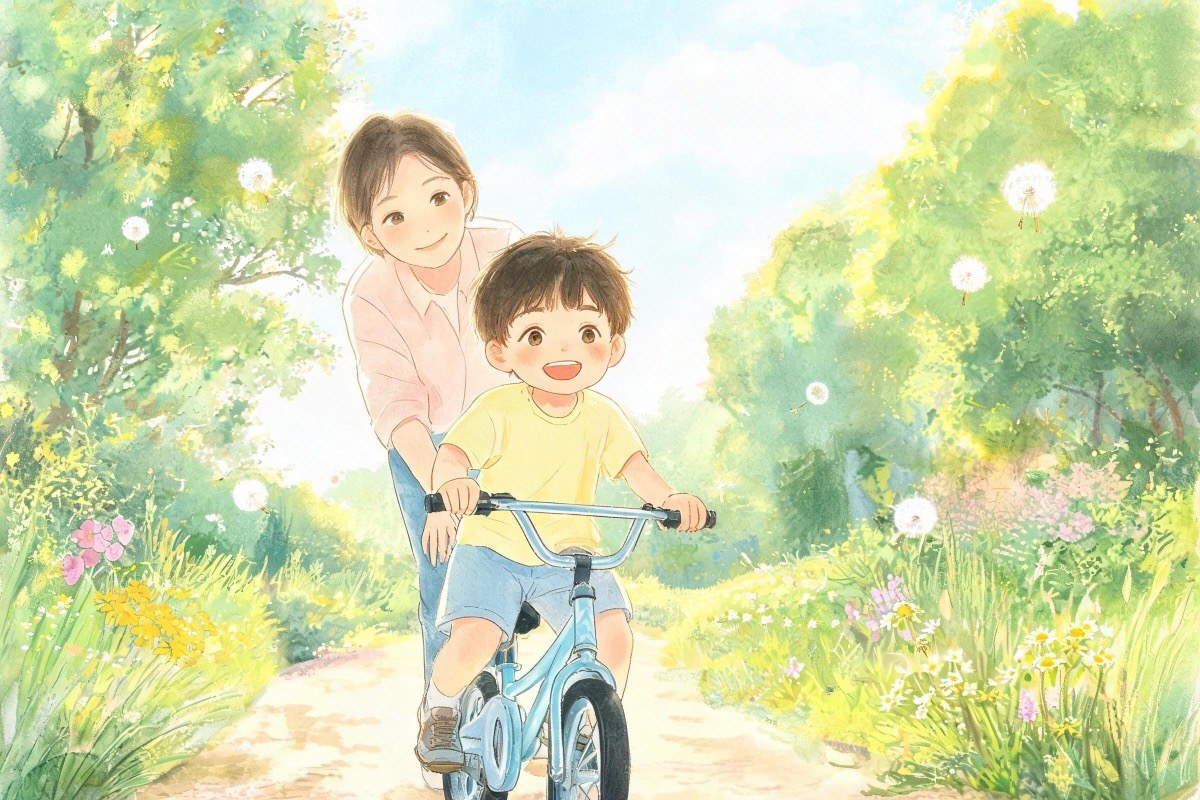
真正学会是在一个傍晚。爸爸在后面扶着后座跑,我骑得飞快,风把巷子两边的槐花吹得往后倒。骑到巷子口我回头,爸爸站在原地,两只手在裤子上擦,不扶了。我捏闸跳下来喊,你什么时候松的手。爸爸说不记得了,你自己骑了二十多米。
后来我骑走了那辆车,又换过新车,旧车一直靠墙。去年回去,车还在,横梁上我手扶过的地方磨得发亮。墙边的槐树又高了一圈,树下的白点点还是每年落一地。我蹲下去按了按那个哑铃,它还是只闷闷地响一声。可是三年级的那个傍晚,巷子口的风,我到现在都记得。
The Old Bicycle Leaning Against the Wall
That old bicycle still leans against the wall of our old house. Its crossbar is low; third-grade me could duck under it and come exactly to the height of the seat. Grandpa bought it when Dad was in middle school. The black paint has flaked off to show rust underneath, and the bell is mute — press it and it gives one muffled grunt.
In the second term of third grade, the whole class could ride, bicycling home in a pack, bells ringing their ears off. I begged Dad to teach me too. He did not buy a new bike. He wheeled the old one out, squatting in the yard half an hour taking off the pedals, then the chain, saying I would learn to glide first. He lowered the seat to its limit so my whole soles could flat on the ground.
We practiced at the bottom of the lane, a small empty patch nobody crossed, dotted with fallen white locust blossoms. Dad had me push along on both feet: glide upright, eyes on the lane mouth, not on your feet. At first I dared not; the bike tilted and I jumped off. After a dozen round trips I finally dared lift both feet an inch while gliding. Just an inch — and on landing the bike still ran two steps ahead.
The day he refitted the pedals, I fell. There was a brick pile at the lane's end; my wheel grazed a brick corner and man and bike toppled into the sand beside it. My palms scraped, grit set into the red marks. I sat in the sand and looked at Dad. He stood three steps off, hand not reaching out, and said: sitting down only gathers dust on you — get up. I got up, lifted the bike first, patted off the sand, and went back to pedaling.
I truly learned one evening. Dad ran behind holding the back seat; I flew, wind blowing the locust blossoms along both walls backward. At the lane mouth I turned around — Dad stood in place, wiping his hands on his trousers, no longer holding. I squeezed the brake, jumped off, and shouted: when did you let go? He said he couldn't remember; you rode twenty-some meters by yourself.
Later I outgrew that bike, then got a new one, and the old one kept leaning on the wall. When I went back last year it was still there, the crossbar polished bright where my hand gripped. The locust tree by the wall had grown another ring taller, and its white blossoms still carpet the ground each spring. I crouched and pressed the mute bell: still one muffled grunt. But that evening in third grade, the wind at the lane mouth — I remember it to this day.
作文课上念到的那篇学车文章
星期三第二节是作文课。老师进教室没直接出题,先说,念一篇文章给你们听,是上一届一个学生写的,题目叫《第一次骑自行车》。她念得不快:写那个学生学车的巷子,写车把怎么歪的,写他摔进沙土里,写他爸爸站在三步外不伸手。念到「车一歪我就跳下来,脚落地了车还往前跑」,我手里的铅笔停了。
这句话我熟。太熟了。去年秋天我就是这么学的车:先拆了脚踏滑巷子,滑了十几个来回才敢把脚收起来一寸。我摔的那一下比文章里还狠,轮子蹭上砖堆的角,我半边身子栽进沙土,手掌蹭破,沙子嵌在红印子里。我坐在沙土里看我爸,我爸说,坐在地上灰要沾身,起来。这些我从来没跟人讲过。
老师念完,在黑板上写了题目:《第一次骑自行车》。她说,写你自己真摔过的那一下,写你记得最清楚的一个地方,别的都可以不要。全班开始沙沙地写。我趴在桌上,笔尖悬在格子纸上,眼前全是巷子底那些槐花的白点点。
我先写车。我家那辆老车横梁低,黑漆剥了露铁锈,车铃按下去只闷闷响一声。写它的时候我鼻子有点酸,好像又闻见院子里拆链条时的机油味。然后写摔。我写得很慢,砖堆、沙土、红印子里的沙子,一笔一笔,像把那天重新摔了一遍。写到爸爸站在三步外,我停了很久,最后写的是他裤子上擦手的动作——那是学会那天傍晚,他站在巷子口,两只手在裤子上擦。
下课前老师收本子。她走到我跟前看了一眼,没念出来,只说了句,这一段留着。晚上回家我妈翻我书包看见了,念给我爸听。念到「坐在地上灰要沾身,起来」,我爸笑了一声,说这句子写得像他。我妈白了他一眼,他就不笑了。
那篇作文后来贴在教室后墙的板报上,贴了一整个学期。有同学指着问我,沙子嵌在红印子里是不是真的。我说真的,手掌上现在还有那道印。他们凑过来看,看完各自回去。放学我推着车出校门,按了一下铃,铃很响。我想起那辆靠墙的老车,哑铃,闷闷的一声。板报上那篇文章是我写的,可巷子、砖堆、三步外的爸爸,都不是文章里的,是我自己的。
The Essay About Learning to Ride That Was Read Aloud in Class
Wednesday's second period was composition class. The teacher walked in without giving the topic right away; first she said she would read us an essay written by a student from last year, titled My First Time Riding a Bicycle. She read slowly: the lane where that student learned, how the handlebar twisted, the fall into the sand, the father standing three steps off with no hand extended. When she reached 'The bike tilted and I jumped off; my feet landed but the bike kept running ahead,' my pencil stopped.
I knew that line. Knew it too well. Last autumn I learned exactly that way: pedals off first, gliding the lane a dozen round trips before I dared lift my feet an inch. My own fall was worse than the one in the essay — my wheel grazed the corner of a brick pile and half my body pitched into the sand, palms scraped, grit set in the red marks. I sat in the sand looking at my dad; he said, sitting down only gathers dust — get up. I had never told anyone this.
When she finished, the teacher wrote the topic on the blackboard: My First Time Riding a Bicycle. Write the fall you really had, she said, write the one detail you remember clearest, and you may drop everything else. The class filled with the rustle of pens. I hunched over my desk, pen tip hovering over the grid paper, and all I saw were the white locust-blossom dots at the bottom of the lane.
I wrote the bike first. Our old bike had a low crossbar, black paint flaked to rust, a bell that gave one muffled grunt. Writing it stung my nose a little, as if I could smell the machine oil from the yard when we stripped the chain. Then the fall. I wrote slowly — the brick pile, the sand, the grit in the red marks — stroke by stroke, falling all over again. When I got to Dad standing three steps off I stopped for a long time, and what I finally wrote was him wiping his hands on his trousers — that evening when I learned, standing at the lane mouth, wiping his hands on his trousers.
The teacher collected the notebooks before the bell. She passed my desk, glanced at it, did not read it aloud, and only said: keep this paragraph. At home that night Mom found it in my schoolbag and read it to Dad. At 'sitting down only gathers dust — get up,' Dad laughed and said that sentence sounds like me. Mom shot him a look and he stopped laughing.
That essay hung on the bulletin board at the back of the classroom all semester. A classmate pointed at it and asked me if the grit in the red marks was real. I said real — the scar is still on my palm. They crowded to look, then went back to their seats. After school I wheeled my bike out of the school gate and rang the bell; it rang loud. I thought of that old bike leaning on the wall, its mute bell, one muffled grunt. The essay on the board was mine, but the lane, the brick pile, the father three steps off were not from the essay — they were mine.
小提示:上面此文档内容仅展示完整文档里的部分内容, 若需要下载完整文档请 点击免费下载完整文档 。