文章内容
跟在后面跑的人
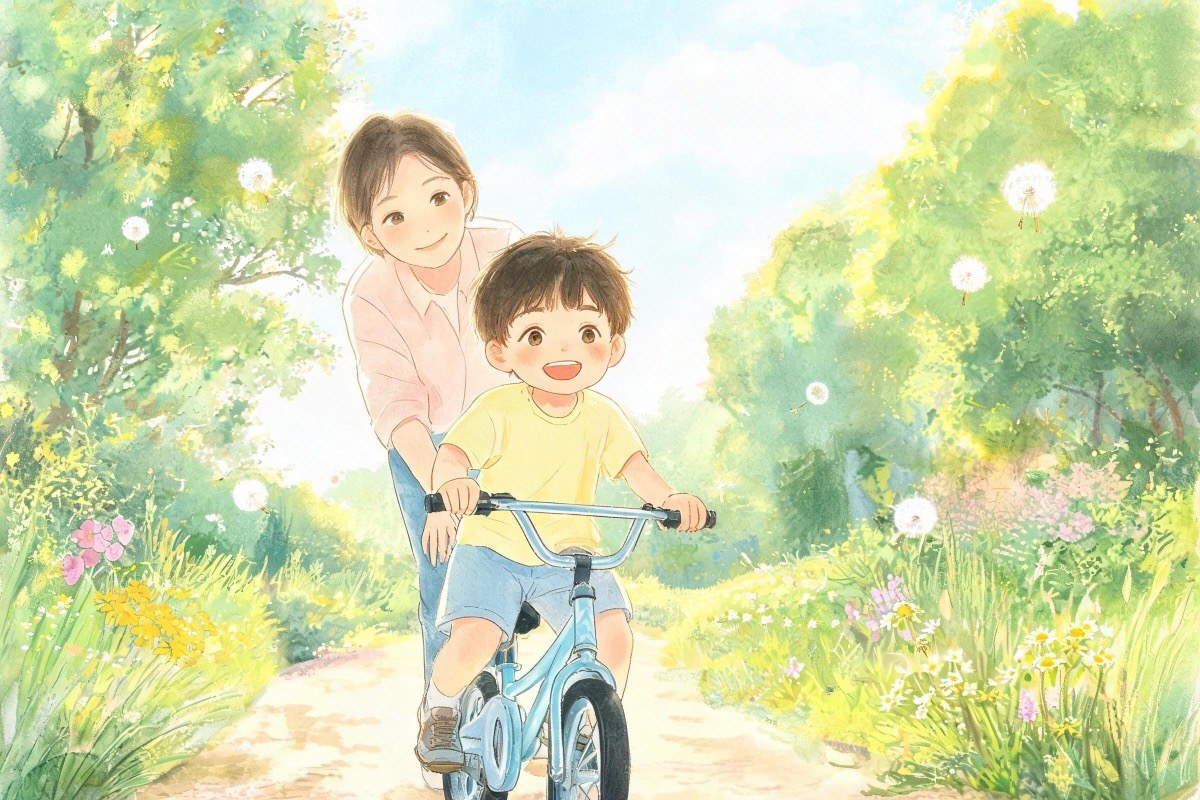
六年级的秋天,我爸那辆二八大杠终于轮到我骑。车座太高,我跨上去脚尖才够到地,像骑在一头犟驴上。班里会骑的同学都放学走了,就剩阿牛没走,他自告奋勇在后头帮我扶后座。
我们练在河边的土路上。阿牛一手攥着后座架,一手拎着书包,跟着车跑。他喘气的声音就在我耳朵后面,一下一下的。有一段路我骑得特别顺,风从耳朵边上刮过去,我以为他还扶着,就壮着胆子拐了个弯,回头一看,人没了。他早就松手了,站在几十米外冲我挥胳膊。我一慌,车把一歪,连人带车栽进路边的草垛里。草垛软,我没摔疼,就是车压在身上。阿牛跑过来扒草垛,两个人在草堆里笑得上气不接下气。
后来我们换着练,他扶我,我扶他。阿牛胆子大,摔了也不恼,膝盖破了拿袖子一抹,说明天就好了。有一回他骑得太快,刹车捏死,整个人从车把上翻过去,下巴磕破了皮,血珠子渗出来。我吓坏了,他拿舌头舔了一下嘴角,说没事,就是车把上多了点红漆。我这才知道那是他蹭破的皮,不是漆。
那年冬天路冻得硬,我们比谁骑得稳,比的是从村口老槐树到桥洞那一段,谁脚不沾地。我输了,因为半路看见一条狗,腿一软踩了地。阿牛赢了也不得意,就绕着我转圈,冲我喊:你怕什么狗啊,狗又不会骑车。
六年级下学期,阿牛跟他爸去了外地。走之前他找到我,把那辆跟他一起学车的旧车指给我:我妈说留给你了,你骑。车旧,链子却上着油,车把上缠着他妈缝的一圈布条,防滑。我想说点什么,憋了半天,只说了一句:你啥时候回来。他想了想说:等我回来,你要是不会骑花式,我教你。
那辆车我骑到现在。每次骑上去,我总忍不住回头看一眼,后头空空的,没有人攥着后座架跟着跑。可风一吹,耳朵后头像又响起一下一下的喘气声。阿牛,你回来那天,我骑一段给你看,管它算不算花式,反正我脚不沾地,从老槐树一直骑到桥洞。
The Person Who Ran Behind Me
In the autumn of sixth grade, it was finally my turn on the old heavy bicycle of my father. The seat was too high; when I swung a leg over, only my toes touched the ground, as if I were sitting on a stubborn mule. The classmates who could ride had all gone home after school. Only Ah Niu stayed, and he volunteered to hold the rear rack for me.
We practiced on the dirt road by the river. Ah Niu gripped the rear rack with one hand and carried his schoolbag in the other, running alongside the bike. His breathing sounded right behind my ears, one breath after another. For one stretch I rode so smoothly, the wind brushing past my ears. I thought he was still holding on, so I gathered courage and turned a corner. When I looked back, he was gone. He had let go long ago and stood dozens of meters away, waving his arms at me. I panicked, the handlebars wobbled, and I fell with the bike into a straw stack by the road. The stack was soft, so I was not hurt; only the bike lay on top of me. Ah Niu ran over and dug me out, and the two of us laughed in the straw until we could not breathe.
After that we took turns: he held for me, I held for him. Ah Niu was bold and never angry after a fall. When his knee scraped open, he wiped it with his sleeve and said it would heal by tomorrow. Once he rode too fast and squeezed the brake shut, flipping over the handlebars, his chin scraped and beading with blood. I was frightened, but he licked the corner of his mouth and said it was nothing, just a bit of red paint added to the handlebars. Only then did I understand it was his skin, not paint.
That winter the road froze hard, and we raced to see who could ride steadier, from the old locust tree at the village entrance to the bridge tunnel, whoever kept both feet off the ground. I lost, because a dog appeared halfway and my legs went soft and stomped the ground. Ah Niu won without bragging; he just circled around me and shouted: why fear a dog, a dog cannot ride a bike.
In the spring term of sixth grade, Ah Niu moved away with his father. Before leaving he found me and pointed to the old bike he had learned on: my mother says it is yours now, you ride it. The bike was old, but its chain was oiled, and its handlebars were wrapped with a ring of cloth sewn by his mother, to stop the hands slipping. I wanted to say something, but after a long struggle I only asked: when will you come back. He thought a while and said: when I return, if you cannot ride any tricks, I will teach you.
I still ride that bike today. Every time I get on, I cannot help looking back. Behind me is empty; nobody grips the rear rack and runs along. But when the wind blows, it seems one breath after another sounds again behind my ears. Ah Niu, on the day you come back, I will ride a stretch for you, trick or not, with my feet never touching the ground, all the way from the old locust tree to the bridge tunnel.
妈妈的第一次
周六早上,妈妈站在小区门口看我学骑车。教练扶着后座,我绕着花坛一圈一圈地转。妈妈脸上没有紧张,倒有一种说不出的东西,像羡慕,又像遗憾。我停下来问她怎么了,她摇摇头,只说:你再骑一圈。
那天晚上,饭桌上妈妈忽然说她也要学骑车。爸爸筷子停在半空。妈妈这辈子没骑过车。外婆管得严,说女孩子家骑车不成体统,妈妈上学时连自行车都没摸过。爸爸回过神,第一句是:你都四十了。妈妈把碗一放:四十怎么了,四十就学不会了?
第二个周末,妈妈从楼下借来一辆旧自行车。她刚跨上去,车就歪,脚撑不住,一连三次坐不稳。楼下的人围过来看,妈妈脸涨得通红,让我去把那些人劝走。我说不劝,你越劝他们越看。妈妈咬咬牙,说看就看。
爸爸跟在后面扶车,嘴里念叨:看前头,别停,我在。这三句话我听着耳熟,跟教练对我喊的一字不差。妈妈扶着歪,歪着扶,车把扭来扭去,像一条不听话的蛇。练到两个小时,她忽然骑直了,从花坛这头骑到那头,又骑回来。风把她头发吹乱了,她也不管。
骑回原地,妈妈下了车,眼睛红了,就说了一句话:我会骑了,我终于是会骑了。爸爸假装去停车,半天没回来。邻居阿姨鼓掌,妈妈摆摆手,摆得特别慢,像要把这四十年的遗憾一下一下都摆手赶走。
现在妈妈每天骑车去菜市场,车筐里装着葱和鸡蛋,有时还有一把香菜。她不再提学车那天的事,但那辆旧车被她擦得锃亮,链条上油,车铃一按,一路都响。有回我放学,看见妈妈在前头骑车,背挺得笔直。我喊了一声妈,她回过头笑。她脸上的东西我长大了才懂,那是一个迟到了三十年的周末早上。
Mum's First Time on a Bicycle
On Saturday morning, Mum stood at the gate of our neighborhood watching me learn to ride. The coach held the rear rack while I circled the flower bed, lap after lap. There was no worry on her face; instead there was something I could not name, like envy, like regret. I stopped and asked what was wrong. She only shook her head and said: ride one more lap.
That evening at dinner, Mum suddenly announced that she would learn to ride too. The chopsticks of Dad froze in mid-air. Mum had never ridden a bicycle in her life. Grandma was strict and said a girl riding a bike was improper, so Mum had not even touched one at school. Dad came back to himself and said first: you are forty already. Mum put down her bowl: so what if I am forty, is one too old to learn?
The next weekend, Mum borrowed an old bicycle from downstairs. The moment she swung over it, the bike tilted, her feet could not hold, and she failed to sit steady three times running. People downstairs gathered to watch, and her face turned deep red. She asked me to drive them away. I said no, the more you chase them, the more they watch. Mum set her teeth and said: let them watch.
Dad followed behind holding the bike, muttering: look ahead, do not stop, I am here. The three phrases sounded familiar, word for word the same as the coach shouted at me. Mum wobbled upright and upright wobbled, the handlebars twisting like a disobedient snake. After two hours she suddenly rode straight, from one side of the flower bed to the other and back. The wind messed her hair, and she did not care.
Riding back to the start, Mum got off with red eyes and said one sentence: I can ride, I can finally ride. Dad pretended to go park the bike and did not come back for a long while. The neighbor aunt clapped, and Mum waved her hand, very slowly, as if waving away forty years of regret one wave at a time.
Now Mum rides to the market every day, her basket full of scallions and eggs, sometimes a bunch of cilantro. She never mentions the day she learned again, but she keeps that old bike polished bright, its chain oiled, and once its bell is pressed it rings all the way. Once after school I saw her riding ahead, her back perfectly straight. I called out Mum, and she turned and smiled. Only when I grew up did I understand what was on her face: it was a Saturday morning thirty years late.
小提示:上面此文档内容仅展示完整文档里的部分内容, 若需要下载完整文档请 点击免费下载完整文档 。