文章内容
雨声在旧窗上坐下来
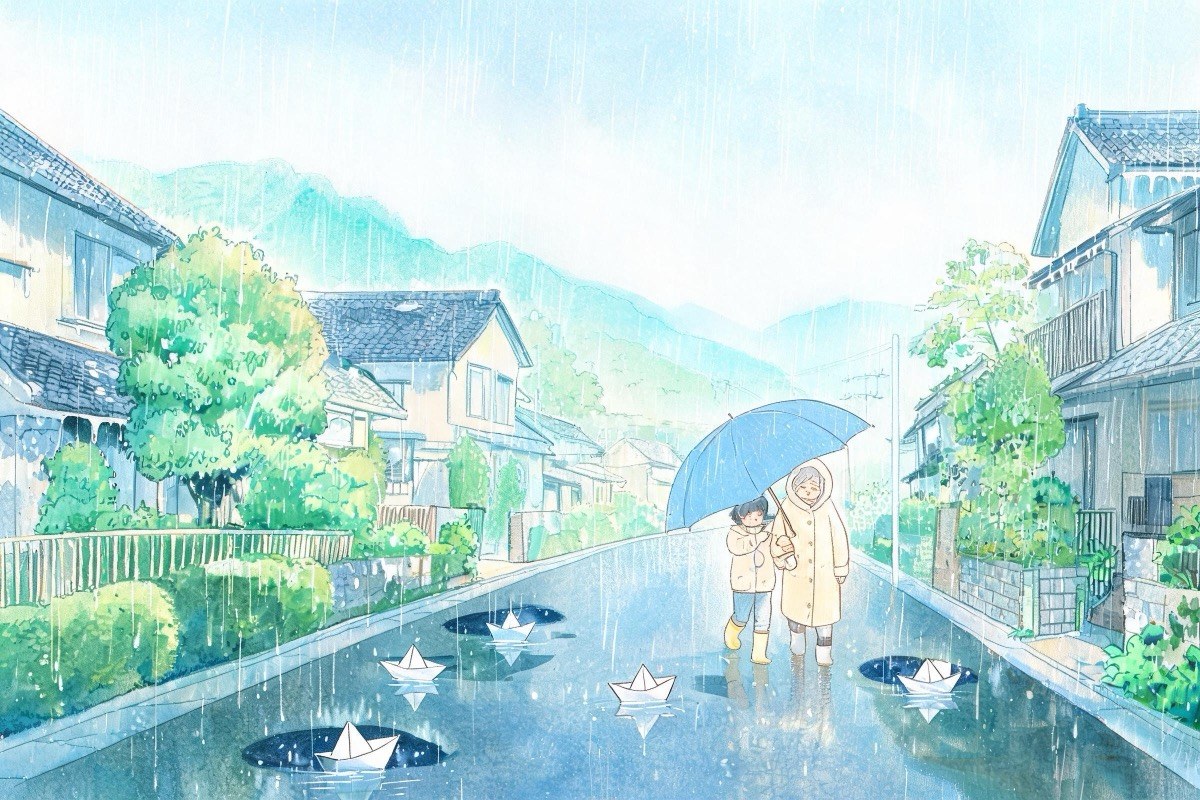
雨又落下来了。我放下笔,听。雨声在旧窗上坐下来。
那扇窗还在老屋里,木框旧成灰色,玻璃上有一道裂纹,像一芽没长开的叶子。
小时候我以为旧窗是耳朵,整天贴着巷子,听。
落雨的时候它听得最认真。雨点敲玻璃,嗒,嗒嗒,像有人在窗外翻一封信,翻得很慢。
奶奶坐在窗边纳鞋底,雨声是她的节拍器,一针,又一针。
那时我不懂,只当雨是水,窗是玻璃,日子是过不完的。
后来我离开巷子那天,雨大得像要把巷子装满。我朝旧窗哈了口气,玻璃雾了半边。
奶奶用袖口擦,擦了又擦,没擦干净。她擦的不是雾。
火车往南,我把雨声带在身上。南方的城,雨落在骑楼的雨棚上,落在工地的铁皮上,声音都不是那个声音。
可夜里闭上眼,雨声还在敲同一扇窗。嗒,嗒嗒,像有人在窗外翻信。
我也写信。写了寄出去,又写了不寄的,攒在抽屉里,像檐沟里攒着的雨。
奶奶识字不多。她请人念,念完只让人回一行:我吃饭很好。
旧窗一年比一年旧。框边的腻子剥落,雨渗进来,她用旧衬衫的一角堵上。
前年听说老屋要拆。我赶在一个雨天回去。
墙上有个白圈,圈里一个拆字,被雨浇得发白。
旧窗还挂在原处,玻璃碎了一角,木框朽了半边,像一只听够了的耳朵。
雨声照旧来,照旧在窗框上坐下来,嗒,嗒嗒,和从前一模一样。
我站在小时候坐过的位置,忽然听懂了旧窗这些年一直在听什么。
它听的是雨落回原处,等的是有人在雨里走回来。
奶奶已经不在了。她去了一个很远的地方,比所有南方都远。
拆字后来没有落成。旧窗修好了,换了新玻璃,留了旧木框,继续含着一口雨声。
我回到城里,雨没有停。我推开房间窗,雨声跳进来,坐下来,不走。
现在我懂了:雨声是信,旧窗是信箱,远方是贴在日子上的邮票。
每一滴雨都是一个字,落啊落,一封信总也写不完。
我重新拿起笔,给那个最远的地方写。这一回,不放进抽屉。
我念给雨声听,雨声念给旧窗听,旧窗替我念给她听。
窗外是雨,窗内是我,中间隔着旧窗,旧窗那边是远方。
雨声在旧窗上坐下来。这一回,它没有走。
The Rain Sound Sits Down at the Old Window
The rain falls again. I set down my pen and listen. The rain sound sits down at the old window.
That window is still in the old house, its wooden frame aged to gray, a crack in the glass like a leaf-bud that never opened.
As a child I thought the old window was an ear, pressed all day against the lane, listening.
In rain it listened hardest. Raindrops tapped the glass, ta, ta-ta, like someone outside turning a letter, very slowly.
Grandma sat by the window stitching shoe soles; the rain sound was her metronome, one stitch, then another.
I did not understand then. Rain was water, a window was glass, and days were endless.
The day I left the lane, the rain was big enough to fill it. I breathed on the old window, and half the glass fogged.
Grandma wiped it with her sleeve, wiped and wiped, and could not wipe it clean. She was not wiping fog.
The train went south, and I carried the rain sound with me. In the southern city, rain fell on arcade awnings, on tin roofs of construction sites; none of it sounded like that sound.
But at night, eyes closed, the rain sound still tapped the same window. Ta, ta-ta, like someone outside turning a letter.
I wrote letters too. Some I posted, some I did not; they gathered in the drawer like rain gathered in the gutter.
Grandma knew few characters. She asked someone to read to her, then asked them to write back one line only: I eat well.
The old window grew older each year. The putty at the frame flaked, rain seeped in, and she plugged it with a corner of an old shirt.
The year before last I heard the old house was to be demolished. I rushed back on a rainy day.
On the wall was a white circle, and inside it the character for demolish, washed pale by rain.
The old window still hung in place, one corner of glass broken, half the frame rotted, like an ear that had heard enough.
The rain sound came as always, sat down on the frame as always. Ta, ta-ta, exactly as before.
Standing where I used to sit as a child, I suddenly understood what the old window had been listening for all these years.
It listened for rain falling back into place; it waited for someone walking home through the rain.
Grandma is gone. She went to a far place, farther than every south.
The demolition character was never carried out. The old window was repaired, given new glass and kept its old frame, still holding a mouthful of rain sound.
I returned to the city; the rain did not stop. I pushed open my room's window, and the rain sound jumped in, sat down, and would not leave.
Now I understand: rain sound is the letter, the old window is the mailbox, and faraway places is the stamp pasted onto the days.
Every raindrop is a character, falling and falling, and the letter is never finished.
I take up my pen again and write to that farthest place. This time, not into the drawer.
I read it to the rain sound; the rain sound reads it to the old window; the old window reads it to her for me.
Outside the window is rain, inside is I, between us the old window, and beyond the old window, the faraway.
The rain sound sits down at the old window. This time, it does not leave.
一扇旧窗的自述
我是一扇旧窗,立在老屋的东墙,站了很多年。
我的木框灰了,漆一层层剥落,像树一年一年脱皮。
我的玻璃上有一道裂纹,从那年雹子来过的下午起,一直没长合。
人们说窗是眼睛。其实窗是耳朵,我听见的一切,都比看见的多。
落雨的时候,是我一年里最忙的时候。
雨点排着队敲我的额头,嗒,嗒嗒,像谁在门外数日子。
我替屋里的人记着:这一场是春分后的第一场,那一场连着三天,把檐沟灌满。
有个孩子常搬凳坐在我跟前,下巴搁在窗台上,看雨。
他看雨,我听他。他的呼吸很轻,像怕惊动什么。
他奶奶在身后纳鞋底,针脚和雨声一个节拍。
孩子长大些,开始在我面前背课文,声音盖过雨。再后来,声音里有了心事。
他离家的清晨下大雨,他在我的玻璃上哈了口气,用手指画了一个箭头,指着南方。
我记住了那个方向。从那天起,每一场雨我都往南方听。
他走后,屋里安静。老太太有时擦我,擦得很慢,像擦一件要紧的东西。
她请人念信,念到一半停了,屋里只剩雨声。我知道她没在听信,在听雨。
信回得短:我吃饭很好。老太太让我记住这句,像让我记住一场雨。
我在等那个孩子回来。雨声一响,我就把耳朵竖起来——虽然我没有耳朵。
有一年秋天,墙上画了个白圈,圈里一个拆字。雨浇了半个月,字淡了,没淡透。
拆字没有落成。听说因为那孩子寄回的钱,也听说因为钉子户三个字,我不懂人话,我只懂雨。
修窗那天他回来了,站在梯子上,摸我朽了的框,说:框留着,换玻璃。
我旧了一半,新了一半。旧的那一半替我记着从前,新的那一半替我看着将来。
他在新玻璃上又哈了口气,画了个箭头,这回指着北,指着老屋。
我知道他还会走,也知道他还会回。箭头在我这儿,两头都算数。
老太太没等到新玻璃。她走的那天没下雨,我憋了一整天的雨,傍晚才落下来。
那一场雨我敲得格外重,像替谁捶门。
如今夜里他伏案写字,雨声进来,他停下笔听。
他不知道,他听的每一场雨,我都替他存着,从童年存到现在,一场没少。
远方是什么?远方是雨落出去、很久才回声的地方。
我是旧窗,我站在老屋东墙,我替所有离开的人,听雨,等雨,存雨。
雨又落了。嗒,嗒嗒。听,那是远方在敲门。
Confession of an Old Window
I am an old window, standing on the east wall of the old house, standing for many years.
My wooden frame has gone gray, its lacquer flaking off layer by layer, like a tree shedding bark year after year.
There is a crack in my glass, open ever since the afternoon the hail came, never healed.
People say a window is an eye. In truth a window is an ear; I hear far more than I see.
Rainy days are the busiest days of my year.
Raindrops queue up and tap my forehead, ta, ta-ta, like someone outside counting the days.
I keep records for the people inside: this one was the first rain after spring equinox, that one lasted three days and filled the gutter.
A boy often dragged a stool to sit before me, chin on the sill, watching the rain.
He watched the rain; I listened to him. His breathing was light, as if afraid of disturbing something.
His grandmother stitched shoe soles behind him, her stitches keeping time with the rain.
As he grew he recited lessons in front of me, his voice over the rain. Later, his voice carried worries.
On the rainy morning he left home, he breathed on my glass and drew an arrow with his finger, pointing south.
I memorized that direction. From that day, I listened south in every rain.
After he left, the house grew quiet. The old woman sometimes wiped me, very slowly, like wiping something precious.
She had someone read his letters aloud, and stopped halfway; only the rain sound remained in the room. I knew she was not listening to the letter. She was listening to the rain.
The reply was short: I eat well. She made me remember that line, the way one remembers a rain.
I waited for the boy to return. Whenever the rain sounded, I pricked up my ears — though I have no ears.
One autumn, a white circle appeared on the wall with the character for demolish inside. Rain soaked it half a month; the character faded, but not through.
The demolition never happened. I heard it was because of the money he sent back, and I heard it was because of some words about stubborn holdouts. I do not understand human talk; I only understand rain.
The day the window was repaired he came back, stood on a ladder, felt my rotted frame, and said: keep the frame, replace the glass.
I am half old, half new. The old half keeps my past for me; the new half watches my future.
On the new glass he breathed again and drew another arrow, this time pointing north, pointing at the old house.
I know he will leave again, and I know he will return. The arrows live with me; both directions count.
The old woman did not live to see the new glass. The day she died there was no rain; I held my rain all day and let it fall only at dusk.
That rain I drummed especially hard, like knocking for someone.
Now at night he writes at his desk, the rain sound enters, and he stops his pen to listen.
He does not know that every rain he listens to, I have kept for him, from childhood until now, not one missing.
What is a faraway place? It is where rain falls outward and its echo takes a long time to return.
I am the old window on the old house's east wall. For everyone who left, I listen to rain, wait for rain, store rain.
The rain falls again. Ta, ta-ta. Listen — that is the faraway knocking at the door.
小提示:上面此文档内容仅展示完整文档里的部分内容, 若需要下载完整文档请 点击免费下载完整文档 。