文章内容
爸爸的肩膀是湿的
早上六点半,我刚拉开窗帘就愣住了。雨不是落下来的,是倒下来的,天地间挂着一整幅水帘子,楼下的马路变成了一条河,出租车开着灯慢慢淌过去。
我回头看我爸。他正在门口换鞋,抬头看了一眼窗外,说:下成这样,我送你去。
我说不用,学校这么近,跑两步就到了。他把一把黑伞塞进我手里,自己又拿了一把,说:你那个书包是新的,淋坏了心疼不心疼?我不说话,他蹲下来帮我把书包带子勒紧,说走吧,男子汉淋点雨没事,淋病了才麻烦。
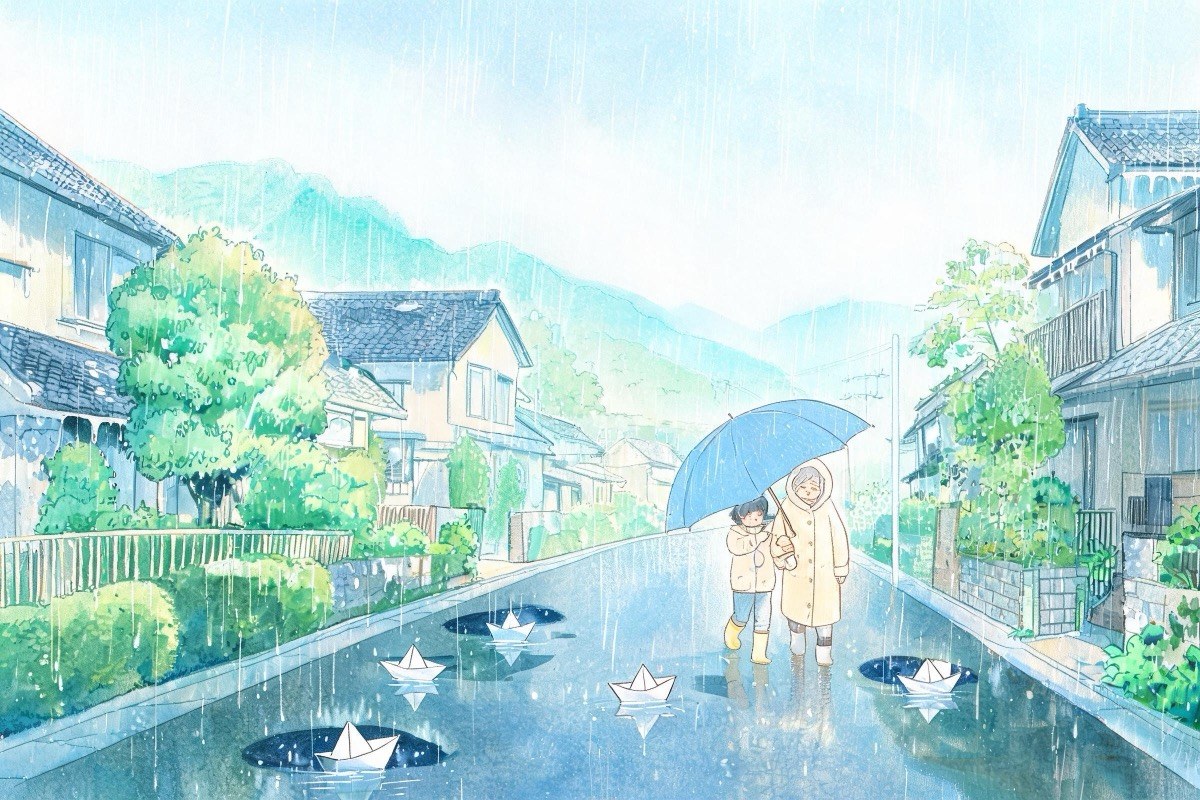
出了单元门,雨声一下子变大,像一万只手在鼓掌。伞撑开,风一顶,伞往我这边歪了一下,我爸往我这边靠了靠,把伞正过来。我们并排走,他让我走在马路内侧,自己走在外侧。有车开过来,水浪翻起来,他一把把我拉到身后,我们的鞋都湿了,他倒笑起来,说这算什么,他小时候上学要走五里土路,下雨没有伞,顶一块塑料布,到学校塑料布都兜满了水。
我不信。我说那你现在怎么怕我淋着。他想了想,说:就是因为淋过,才知道淋雨是什么滋味。说完他打了个喷嚏,我抬头看他,他右手举伞,伞面整个罩在我头顶上,他左边从肩膀到胳膊的衣裳颜色深了一大片,贴在身上。雨顺着他的袖口往下滴。
我鼻子忽然有点酸。我把伞往他那边推,他又推回来,说:我火气大,淋点水凉快。我说你都在打喷嚏了。他说那是被风吹的,跟淋雨没关系。我们俩推了两次伞,谁也没说服谁。
校门口到了。家长和学生挤在雨棚下,五颜六色的伞挤成一团。我爸把伞收起来,往我手里一塞,说:进去吧,伞你拿着,放学我再来接。我接过伞,转身走了两步,又回头。他还站在雨里,半边肩膀亮晶晶的,冲我摆手,喊:快进去,别磨蹭!我喊回去:爸,你肩膀湿了!他低头看了一眼,满不在乎地说:没事,回去就干了。然后他转过身,深一脚浅一脚地蹚水往回走,那把伞一直没打开,扣在胳膊上。
我站在校门口看了很久。雨砸在伞面上,咚咚咚的,像有人在敲。我忽然明白那把伞为什么总是歪的——它不是被风吹歪的,是我爸的手一直往我这边挪。他不说,也不让我看,直到湿衣裳替他说了。
那天放学,他真的来门口接我,肩膀上那块深色已经干了,只剩一点盐渍。我把伞撑开,走路的时候,悄悄把伞往他那边斜。他低头发现了,没说话,就是走路的步子轻快了很多。雨还在下,我们谁也没提伞的事。有些话不用说,伞会替我们说。
Father's Shoulder Was Wet
At half past six in the morning I had barely drawn the curtain when I froze. The rain was not falling; it was being poured down, a whole water curtain hung between heaven and earth, the street downstairs had turned into a river, and taxis crawled through it with their lights on.
I looked back at my father. He was changing his shoes at the door, glanced out the window, and said: with rain like this, I'll take you.
I said no need, the school is so close, a quick run and I'm there. He pressed a black umbrella into my hand and took one himself, saying: your schoolbag is new — wouldn't it ache to see it ruined? I said nothing. He crouched to tighten my bag straps and said, let's go. A young man getting a little wet is nothing; getting sick from the rain is the real trouble.
The moment we left the building entrance the rain roared, like ten thousand hands applauding. We opened our umbrellas; a gust of wind pushed his, and it tilted toward me. He edged closer and straightened it. We walked side by side, him on the curb side, me on the inner side. A car came through and the water surged, and he pulled me behind him. Our shoes were soaked, and he laughed, saying this was nothing — when he was a boy he walked five li of dirt road to school, and on rainy days he had no umbrella, just a sheet of plastic, which was brimful of water by the time he arrived.
I didn't believe him. I asked why then he was so afraid I'd get wet. He thought a moment and said: because I got wet, I know what it feels like. Then he sneezed. I looked up. His right hand held the umbrella, and the canopy hung entirely over my head; from his left shoulder down his arm the cloth had gone a dark shade, clinging to him, rain dripping from his cuff.
My nose stung. I pushed the umbrella toward him; he pushed it back, saying I run hot, a little water keeps me cool. I said you're already sneezing. He said that was the wind, nothing to do with rain. We pushed the umbrella back and forth twice, and neither convinced the other.
The school gate. Parents and children crowded under the awning, umbrellas of every color pressed together. My father folded his umbrella and thrust it into my hands: go in, take the umbrella, I'll pick you up after school. I took it, walked a few steps, and turned back. He was still standing in the rain, one shoulder glittering, waving me on, shouting: go in, stop dawdling! I shouted back: Dad, your shoulder is soaked! He glanced down and said, it's fine, it'll dry at home. Then he turned and waded back, deep step after shallow step, his umbrella still closed, hooked over his arm.
I stood at the gate a long while. The rain drummed on my umbrella like someone knocking. I finally understood why the umbrella was always crooked — the wind didn't crook it; his hand kept sliding it my way. He never said it, never let me see, until his wet shirt said it for him.
That afternoon he really did come for me, the dark patch on his shoulder dry now, only a faint salt stain left. I opened the umbrella, and as we walked I quietly tilted it toward him. He noticed, said nothing, but his steps grew much lighter. The rain kept falling, and neither of us mentioned the umbrella. Some things don't need saying — the umbrella will say them for us.
伞往孩子那边斜,是当爸的本能
六点刚过我就醒了,听见雨声不对,光脚走到窗边一看,心凉了半截。这雨跟盆泼一样,楼下的香樟树被打得直摇晃,马路上水已经连成片。我第一反应不是天气,是儿子那个新书包——昨天刚买的,藏蓝色,他宝贝得不许任何人碰。
儿子出来时脸是苦的。他不想让我送,嫌同学都大了,爸爸撑伞送到校门口没面子。我装作没看出来,只说:顺路,我正好要去银行。其实银行在另一个方向,我打算送完他直接回单位。
出了门,我把伞举高。风大,伞一鼓一鼓地较劲,我得用点力才稳得住。走出不远我就发现,伞要往他那边偏——不是我刻意的,是风一顶,我下意识就把伞往他头顶拢。他走内侧,我走外侧,这个不用想,车都从外侧来。
有辆车开得急,浪头扑过来,我一把把他拽到身后。他的鞋还是湿了,我假装没看见,讲我小时候顶塑料布上学的事逗他。他果然来劲,问我塑料布兜满水怎么倒。我说举起来从头顶浇下去,他笑得直不起腰。笑归笑,我打了个喷嚏,他抬头了。我知道他看见我肩膀了。左边那条胳膊,从肩头到袖口,衣裳早就深了颜色,贴在身上凉冰冰的。我不想让他看见,又希望他别往心里去,就说我火气大,淋点水凉快。
他把伞往我这边推。我往回推。推了两次,我赢了。不是我说服了他,是我手快。其实我小时候淋过太多雨,落过两次重感冒,最难受那次发烧到三十九度,我妈背我去卫生所。我知道淋雨是什么滋味,所以我才见不得他淋。这话我说不出口,说出来倒像邀功。
到校门口,人挤人。我把伞收了他手里,让他快进去。他走了两步回头,喊我肩膀湿了。我低头看,可不是嘛,水正从袖口滴。我冲他摆手喊没事,回去就干了。他挤进雨棚,书包在人群里一颠一颠,藏蓝色的,干的。
我转身往回走,伞没打。不是忘了打,是想让他看见我淋着回去也没事,男子汉嘛,总得让他看见一次。雨顺着头发流进领子,鞋里能养鱼。冷是真冷,可我心里热乎。路过早餐铺,我买了份他爱吃的糖油粑粑用塑料袋吊着——他早自习前能赶上,还是热的。
单位楼下我拧了拧衣裳,水淌了一地。同事笑我,说打个伞嘛。我说伞在我儿子那儿。其实伞在他那儿这件事,比不打伞本身让我高兴。
下午接他,我把伞撑开,走路时感觉伞慢慢往我这边偏了——是他挪的。这小子,看见了,学会了。我一个字没提。有些东西不用教,一把伞斜一斜,他就懂了。等他再大些,风浪比今天大多了,他会记得这个早上:有人把伞往他那边挪过,什么也不说。
Tilting the Umbrella Toward My Son Is a Father's Instinct
I woke just after six to a rain that sounded wrong, walked barefoot to the window, and my heart went cold. It came down as if from a basin, the camphor tree downstairs thrashing, the street already one sheet of water. My first thought wasn't the weather; it was my son's new schoolbag — bought only yesterday, navy blue, the one he wouldn't let anyone touch.
When he came out his face was sour. He didn't want me to take him; the boys were growing up, and being walked to the school gate by Dad with an umbrella felt embarrassing. I pretended not to notice and only said: it's on my way, I need to stop by the bank. The bank is in the opposite direction. I planned to go straight to work after dropping him.
Outside, I held the umbrella high. The wind was strong; the canopy bucked and strained and I had to brace it. Before long I noticed it drifting his way — not by design. When the wind shoved, my hand gathered it over his head on its own. He walked the inner side, I took the curb side; that needed no thinking, since the cars come from the outer side.
A car rushed through and the wave leapt; I yanked him behind me. His shoes got wet anyway, so I pretended not to see and told him about the plastic sheet I used to wear to school. He rose to it, asking how I emptied a sheet brimming with water. I said I lifted it over my head and poured it down, and he laughed until he doubled over. Laugh or no laugh, I sneezed, and he looked up. I knew he had seen my shoulder. Down the left arm, from shoulder to cuff, the cloth had gone dark and clung cold to the skin. I didn't want him to see it, and I didn't want him to fret, so I said I run hot and a little water keeps me cool.
He pushed the umbrella my way. I pushed it back. Twice, and I won — not because I argued better, but because my hand was quicker. The truth is I got soaked too often as a child, downed with bad colds twice, and once with a fever of thirty-nine while my mother carried me on her back to the clinic. I know what rain does to you, which is exactly why I can't bear it for him. I can't say that out loud; it would sound like claiming credit.
At the gate, shoulder to shoulder with people, I folded my umbrella into his hands and told him to get in. Two steps on, he turned and shouted that my shoulder was soaked. I looked down — indeed, water was dripping from my cuff. I waved and shouted back that it would dry at home. He squeezed under the awning, his navy bag bobbing in the crowd, bone dry.
I turned and walked back without opening the umbrella. Not from forgetting — I wanted him to see once that Dad can walk home wet and be fine; a boy has to see that. Rain ran from my hair into my collar; my shoes could keep fish. Cold, truly cold, but something in me was warm. Passing the breakfast stall I bought the sugar-fried dumplings he loves, hanging them from a plastic bag — he'd catch them before morning study, still hot.
Down at my office I wrung out my shirt, and the ground got a puddle. A colleague laughed: why not use an umbrella? I said the umbrella is with my son. And honestly, that the umbrella is with him pleases me more than going without.
In the afternoon I came for him, opened the umbrella, and felt it slowly tilt toward me — he had shifted it. This kid: he saw, and he learned. I didn't say a word. Some things aren't taught; a tilted umbrella says it all. When he's older and the storms are worse than today's, he will remember this morning: someone slid the umbrella his way, and asked for nothing in return.
小提示:上面此文档内容仅展示完整文档里的部分内容, 若需要下载完整文档请 点击免费下载完整文档 。