文章内容
门后那双雨鞋
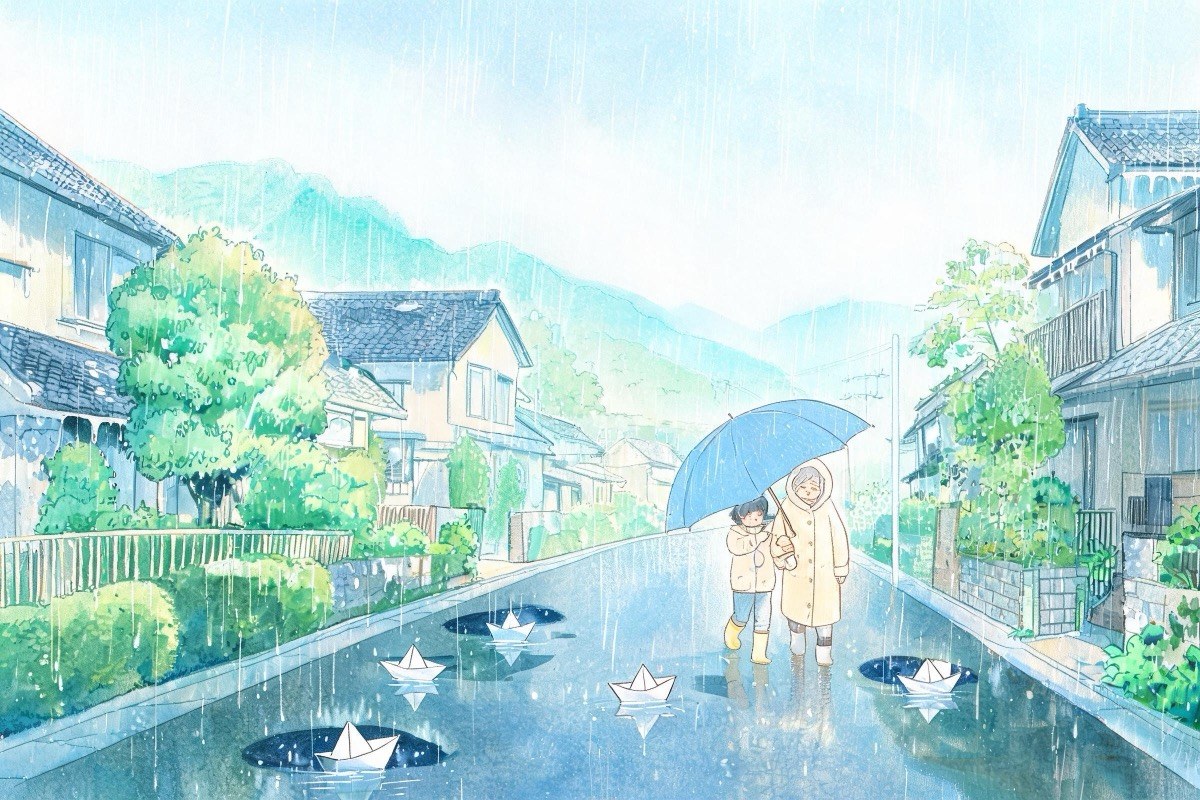
雨是清早落下来的,我趴在窗台上一看,院子已经汪了水。我一看钟,快七点了,抓起书包就往鞋柜那边跑。我的雨鞋呢?鞋柜里只有运动鞋、凉鞋,最里面躺着一双鞋口开了胶的黑雨鞋,是我的,昨天放学踢球,鞋头踢豁了,我嫌它破,把它塞回了鞋柜最深处。
我急得原地转圈。奶奶在厨房里听见动静,探出头问:找啥?我说找雨鞋,我的坏了。她哦了一声,转身进了屋,不一会儿,从门背后拎出一双雨鞋来。
那是奶奶的雨鞋。藏青色的,穿了很多年,鞋帮洗得发白,左脚鞋帮上有一朵小红花,是补丁,针脚一圈一圈的,密得像个圆。鞋口还别着一枚别针,用来收鞋口的。奶奶蹲下来,把鞋摆在我脚前:试试。我说这也太旧了。她说旧是旧,不漏水,昨天我灌了水试过的。
我拗不过她,把脚伸进去。大,鞋膛里能再塞一只脚,但鞋带一系,将将能走。奶奶又找来两根旧鞋带,把过长的鞋口束紧,嘴里说:小时候你穿你爸的旧鞋,穿我做的布鞋,不也这么过来的。
一路上水洼我都不敢踩,怕进水。到了教室,还好,鞋没湿,就是走路咕叽咕叽。同桌先看见的,噗地笑出来:这什么鞋呀,老大爷穿的。后排几个同学也回头看。我的耳朵一下子热了,把脚往桌底下缩。
可是下课的时候,体育老师进来说下午要在大操场集合,路上下雨,都穿雨鞋。放学时雨果然更大了,同学们的花哨雨鞋踩进水里,有的鞋口太浅,水灌进去,一路甩。我的这双鞋帮高,一直提到小腿肚,水花扑上来,顺着鞋帮滑下去,里面干干的。我踩着水走,咕叽咕叽的声音反而像打拍子。
回到家,我把鞋脱在门口,奶奶拿抹布把鞋上的泥一点点擦掉,擦到那朵小红花的时候,她说:这花是我三十九岁那年补的,那年你爸上学,也是这双鞋送出去的。我愣了愣,原来这双鞋还送过爸爸上学。
后来我把鞋帮上那朵红花描了描,用红色蜡笔沿着针脚又勾了一圈。同学再提这鞋,我就给他们看那朵花,说这是我奶奶缝的,一双鞋送过两代人上学。他们听了,也就不笑了。
那双鞋我穿到了小学毕业,鞋口的别针换成了一枚新的。现在下雨天,我还会想起门后那双洗得发白的旧雨鞋,和奶奶蹲下来把鞋摆到我脚前的那个动作。
The Rain Boots Behind the Door
The rain came down at dawn. I lay on the windowsill and saw the yard already flooded. I glanced at the clock — nearly seven — grabbed my schoolbag, and ran to the shoe cabinet. Where were my rain boots? The cabinet held only sneakers and sandals; far in the back lay a pair of black boots with split mouths. They were mine, but yesterday after school I had kicked a ball and torn the toe open, and hating the hole I had shoved them back to the deepest corner.
I spun around in a panic. Grandma in the kitchen heard the noise and poked her head out. What are you looking for? My rain boots, I said. Mine are broken. She said oh, went into her room, and a moment later brought out a pair of rain boots from behind the door.
They were her boots. Dark blue, worn for many years, the uppers washed pale. On the left upper sat a small red flower, a patch, its stitches ring upon ring, tight as a circle. A safety pin still fastened the boot mouth. Grandma crouched and set the boots in front of my feet. Try them. I said they were far too old. She said old yes, but they do not leak — I filled them with water yesterday to test.
I could not argue, so I put my feet in. They were huge; another foot could fit inside the shaft, but with laces tied they just barely worked for walking. Grandma found two old shoelaces and cinched the loose tops, saying: when you were little you wore your father's old shoes and my cloth shoes, and you managed just fine.
All the way to school I dodged every puddle, afraid of leaks. At the classroom door, good — dry feet, though my steps went squelch, squelch. My deskmate spotted them first and snorted: what kind of boots are those, an old man's boots. Several kids in the back turned to look. My ears burned, and I tucked my feet under the desk.
But at break the PE teacher announced an afternoon assembly on the big field, rain expected, everyone wear rain boots. By dismissal the rain had indeed grown heavier. Classmates in their flashy boots stomped into water; some boots were too shallow, water poured in, and they walked the whole way shaking their feet. Mine came high, clear to the calf; splashes ran down the outside, and inside stayed dry. I marched through the water, and the squelch even sounded like keeping time.
At home I left the boots by the door. Grandma wiped the mud off bit by bit with a cloth, and when she reached the little red flower she said: I patched this flower the year I was thirty-nine. That same year your father went to school in these very boots. I froze. So these boots had walked my father to school too.
Later I traced the flower, running a red crayon along its stitches. When classmates mentioned the boots again, I showed them the flower and said my grandmother sewed it, and one pair of boots had carried two generations to school. They heard that, and stopped laughing.
I wore those boots until I graduated from primary school, and the safety pin on the boot mouth was replaced with a new one. Now on rainy days I still think of those pale-washed old boots behind the door, and of my grandmother crouching down to set them before my feet.
鞋帮上的小红花
小学毕业那天,奶奶收到一个礼物:一双旧雨鞋,鞋帮洗得发白,左脚上缝着一朵小红花。奶奶接过去,翻来覆去看了半天,说:这鞋咋还留着?我说,奶奶,这鞋是我的宝贝。
事情要从三年前的一个雨天说起。那天雨大,我找不到自己的雨鞋——那双鞋的鞋头被我踢球踢破了,我嫌破,早塞在鞋柜角落。眼看要迟到,我急得满头汗。奶奶从门后拿出一双她的旧雨鞋,蹲下来替我系鞋带,说:不漏水,我灌过水试过。
那鞋大得离谱,我走路咕叽咕叽。一进教室就有同学笑:这鞋是捡的吧?我脸烫得厉害,一句话顶不回去。那天上午我都在盼着下课,好赶紧脱掉这双丢人的鞋。
可是课间我去水房洗手,路过传达室,看见奶奶正跟门卫大爷说话。大爷说:你家孙子穿你那双鞋啦?那鞋你穿了十来年,鞋帮都刷毛了还舍不得扔。奶奶说:扔啥,鞋底厚实,我缝过补过,比新的还经穿。她顿了顿又说:我小时候没有鞋,雨天蹚水去上学,冻得直哭。现在有这么结实的鞋,一家人谁穿都行。
我站在门边,没进去。我忽然想起那朵小红花。以前我只当它是块难看的补丁,这会儿却想起小时候见过奶奶纳鞋底,顶针套在中指上,针在头发上蹭一蹭再扎进去。那朵花的每一针,她都是这么一针一针缝上去的吧。鞋帮刷毛了,她没扔;鞋口开线,她别上别针;鞋底磨薄了,她纳过鞋底。她把自己没鞋穿的童年,一针一针缝进了这双鞋里。
下午放学又下雨,我走出校门,故意踩进一个水洼,水花溅上高高的鞋帮,鞋里干干的。那个笑话过我的同学也踩了一脚,水却从他的浅鞋口灌了进去,他龇牙咧嘴地甩鞋。我走过去,把脚踩得咕叽响,说:这鞋是我奶奶的,鞋帮上的花是她缝的,它送过我爸上学,现在送我。
他愣了愣,说:真的假的?我说:你自己看。我把左脚抬起来给他看那朵小红花。他看了半天,说:还挺好看。
从那以后,那朵红花我谁也不许碰。下雨天别的孩子躲水洼,我专挑水洼走。鞋小了,脚胀了,我磨磨蹭蹭穿到穿不下,就让奶奶把鞋收好。毕业那天我把它取出来,包了三层报纸,送给奶奶。
奶奶把鞋放回门后,说:等你上了中学,雨天还穿它——哦,穿不下了。那就在门后站着,给我和你爸看门。我们都笑了。现在每逢下雨,那双鞋就立在门后,鞋帮上的小红花还是那么红,像一枚盖在旧时光上的图章。
The Little Red Flower on the Boot
On the day I graduated from primary school, Grandma received a gift: a pair of old rain boots, uppers washed pale, a little red flower sewn on the left one. She took them, turned them over and over, and said: why did you keep these? I said, Grandma, these boots are my treasure.
It started on a rainy day three years earlier. The rain was heavy and I could not find my own boots — I had kicked the toe open playing ball and, ashamed of the hole, had buried them in a corner of the shoe cabinet. Running late, I was in a sweat. Grandma brought out her old rain boots from behind the door, crouched to tie the laces for me, and said: they do not leak, I tested them with water.
The boots were absurdly big and my steps went squelch, squelch. The moment I entered the classroom a classmate laughed: did you pick these up from the street? My face burned, and I had no answer. All morning I waited for the bell so I could take off those embarrassing boots.
But at break, on my way to the washroom, I passed the guard room and heard Grandma talking with the old gatekeeper. He said: your grandson is wearing your boots? You wore those for over ten years; the uppers are brushed fuzzy and you still cannot bear to throw them away. She said: throw them away? The soles are thick, I have patched and stitched them — they outlast new ones. Then she added: when I was a girl I had no shoes at all. On rainy days I waded to school and cried from the cold. Now we have such sturdy boots — anyone in the family can wear them.
I stood in the doorway and did not go in. The little red flower came back to my mind. I had always thought it an ugly patch. Now I remembered watching Grandma stitch soles as a child, the thimble on her middle finger, the needle rubbed on her hair before it pushed through. Every stitch of that flower must have gone in just like that. The uppers went fuzzy, she kept them; the mouth frayed, she pinned it shut; the sole wore thin, she stitched a new one. She had sewn her own shoeless childhood, stitch by stitch, into these boots.
The rain came again after school. Walking out of the gate, I deliberately stomped into a puddle; the splash ran down the high boot shaft and my feet stayed dry. The classmate who had mocked me took a step too, but water poured into his shallow boots and he winced, shaking them. I walked over, stomping loudly, and said: these boots are my grandmother's. The flower on the side she sewed herself. They walked my father to school, and now they walk me.
He froze, then said: really? I said: see for yourself. I lifted my left foot to show him the little red flower. He studied it a long while and said: actually, it looks pretty nice.
After that, nobody was allowed to touch the flower. On rainy days, while other children dodged puddles, I aimed for them. When my feet outgrew the boots, I dawdled into them until they no longer fit, then had Grandma store them away. On graduation day I took them out, wrapped them in three layers of newspaper, and gave them to her.
Grandma set the boots back behind the door and said: when you reach middle school you can wear them on rainy days — oh, they will not fit anymore. Then let them stand behind the door and mind the house for me and your father, I said. We both laughed. Now whenever it rains, those boots stand behind the door, the little red flower on the upper still as red as ever, like a stamp pressed onto the old days.
小提示:上面此文档内容仅展示完整文档里的部分内容, 若需要下载完整文档请 点击免费下载完整文档 。