文章内容
从长隧道里开出来的火车
“穿过长隧道,雪国就在眼下了。”《雪国》开头这一句,我读了四遍。课上读一遍,晚上读一遍,睡觉前又读了两遍。不知道为什么,这一句老在我脑子里跑,像一列小火车在我脑袋里开。
书里的场景是这样的:火车穿过长长的隧道,窗外一下子全白了。天是白的,田是白的,山也是白的。主人公岛村坐在车窗边上,暮色把玻璃变成一面镜子,玻璃里照出车厢里暖黄的灯,也照出外面的雪景。一个少女的脸在玻璃上,浮在远远的雪山上。作者写,隧道的黑和外头的白换位置的那一瞬间,特别好看。我读到这里把书合上,想象那个画面,想了很久。
我一开始不明白,为什么写一扇窗户写这么多。后来我好像懂了一点。玻璃像把两个世界贴在了一起:一边是车厢里又暖又吵,一边是雪国又冷又静。少女的脸在两个世界中间,一半让车厢里的灯照着,一半搁在冷冷的雪山上。一个人坐在火车上,在出发和到达中间,在这儿和那儿中间,那个地方没有名字,也是最孤单的地方。
我想起爸爸带我坐火车去外婆家那次。火车进隧道的时候,我耳朵嗡嗡的,车厢里的灯也暗了一下。出隧道那会儿,正好是快过年时下的那场雪,窗外白花花一片。我把脸贴在玻璃上看,玻璃里照出我自己的脸,我的脸后头就是雪原。我盯着玻璃里那个“我”看了好久,觉得他有点像别人。读《雪国》我忽然想起那个时刻。原来那种感觉是有名字的,只是一个日本的作家很早很早以前就把它写下来了。
书里说,雪国很远,要穿过隧道才能到。我想,这个“远”不光是公里数。我住的城市很吵,上学、考试、下课打闹,吵得人快听不见自己在想什么了。书里的雪国没有声音,白把什么都盖住了。一个人忽然面对一片干干净净的白,就会开始面对自己。岛村大老远跑来,为了一个他说不清楚的东西。也许他只是想在一个没有声音的地方,待上一阵。
现在我在地图上看见隧道,就会想起这本书。我不知道什么时候能去一次真正的雪国。可是我记得那一句:火车从长隧道里开出来,雪国就在眼下了。等我长大,冬天挑一天,我也要坐一列火车,坐在窗边,自己等那一条隧道。
The Train That Emerged From the Long Tunnel
"The train came out of the long tunnel, and the snow country lay below." I read this first line of Snow Country four times: once in class, once in the evening, and twice more before bed. I do not know why, but the line keeps running through my head, like a little train running inside my brain.
The scene in the book goes like this: the train passes through a long tunnel, and outside the window everything suddenly turns white. The sky is white, the fields are white, the mountains are white. The man Shimamura sits by the window. In the twilight the glass becomes a mirror: it reflects the warm yellow lamps inside the carriage, and also the snowy scenery outside. The face of a girl floats in the glass, resting above the faraway snow mountains. The author writes that the moment the dark tunnel and the bright outside switch places is especially beautiful. I read this, closed the book, and imagined that scene for a long time.
At first I did not understand: why write so much about one window? Later I think I understood a little. The glass is like two worlds pasted together. On one side is the warm, noisy carriage; on the other is the silent, cold snow country. The face of the girl floats between the two worlds, half lit by the lamps inside, half laid on the cold snow mountains. A person sitting on a train, between leaving and arriving, between here and there — that place has no name, and it is the loneliest place.
I remember the train ride when Dad took me to the house of Grandma. When the train went into a tunnel, my ears rang and the lights in the carriage dimmed. Coming out of it, it was exactly the snow that fell near the New Year, and outside the window was a world of white. I pressed my face to the glass, and the glass showed my own face with a snow field behind it. I stared at that "me in the glass" for a long time, and he felt a little like somebody else. Reading Snow Country, I suddenly remembered that moment. So that feeling had words — a Japanese writer had written them down long, long ago.
The book says the snow country is far; you must pass through a tunnel to reach it. I think this "far" is not just kilometers. My city is noisy: school, exams, shouting at recess. The noise almost drowns out my own thoughts. The snow country in the book has no sound; the white covers everything. When a person suddenly faces pure, clean white, they begin to face themselves. Shimamura came all this way for something he could not name. Maybe he only wanted to be somewhere without noise for a while.
Now every time I see a tunnel on a map, I think of this book. I do not know when I can visit a real snow country. But I know that line: the train came out of the long tunnel, and the snow country lay below. When I grow up, I want to take a train on a winter day, sit by the window, and wait for that tunnel myself.
温泉旅馆里那个记日记的人
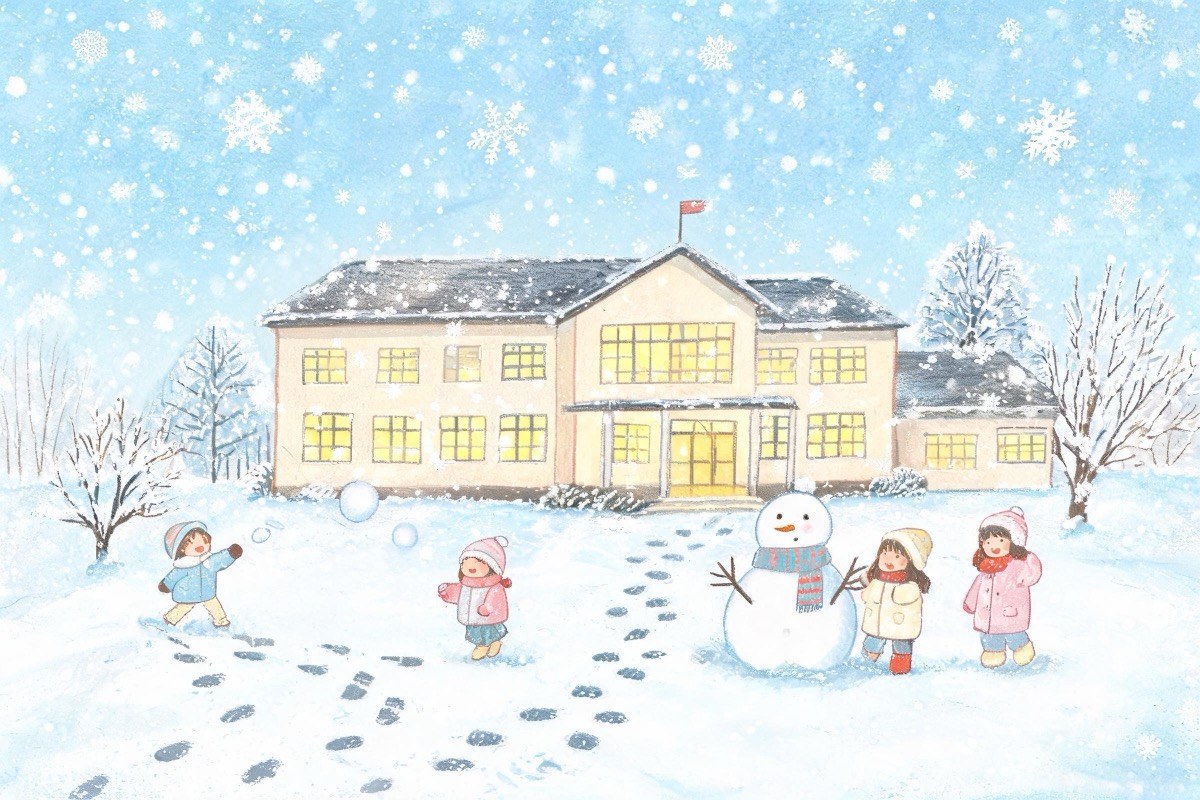
《雪国》里有一个地方,我合上书也忘不掉:那家开在雪国深处的温泉旅馆。书里写,旅馆外头的雪堆得比墙还高,客人们泡在热乎乎的温泉里,窗子一开,冷气混着硫磺的味道涌进来。夜里雪下得更勤,整家旅馆像被雪埋住了一样,只剩下灯还亮着。
旅馆里有个女孩子叫驹子。她在雪国长大,每天干活、招呼客人,可是她做的好几件事,看起来都没有用。她记日记,把每一天的天气、风、雪都记下来,记了好几年。她读小说,读完还写感想,可是雪国里没有人和她讨论。她弹三味线,弹得很认真,可听的人泡着温泉,有一搭没一搭地听。岛村从东京来,听了以后说,记这样的日记有什么用呢,反正也不会给别人看。驹子听了,脸有点红,说她不这样过不下去。
刚读到这里,我觉得岛村说话有点过分。可是往下读,我忽然想起一件事,脸有点热。去年我练钢琴,练一首没人点的曲子,是比赛落选以后我非要弹完的那首。我妈站在门口听了一会儿,说:又不比赛,弹这个给谁听?我当时没答上来,关上琴盖就去写作业了。驹子那句话在我耳朵里响起来:不这样,过不下去。原来我妈和岛村问的是同一个问题,而驹子替我回答过了。
书里还写,驹子每天清早把旅馆的走廊擦一遍,雪光从窗纸透进来,走廊白得发亮。她做这些事的时候没有观众,客人还没起床,雪国还睡着。我猜她擦走廊的时候心里是安静的,就像她记日记的时候一样。一个人对没有用的事认真,这个认真不是做给谁的,是做给自己的。
温泉旅馆在书里那么远:先坐火车穿过隧道,再换车,再走一段山路。雪把路都填平了,旅馆像浮在一片白中间。岛村那样的城里人来了又走,走的时候雪还在下。我读的时候老想:驹子会不会难过?后来我想,她大概难过,可她也有别人没有的东西——她记得每一天的雪,她弹的每一遍曲子都弹完了。她的日子没有一天是空的。
现在我每天也记三行小日记,就记天气和我干的事,本子是语文本剩下的空页。有人问记这个干嘛,我说不知道,反正不记过不下去。这话从我嘴里出来的时候,我觉得自己有点像温泉旅馆里那个女孩子了。
The Girl Who Kept a Diary at the Hot Spring Inn
There is one place in Snow Country I cannot forget even after closing the book: the hot spring inn deep in the snow country. The book describes snow piled higher than the walls outside; guests soak in the steaming water, and when a window opens, cold air rushes in mixed with the smell of sulfur. At night the snow falls harder, and the whole inn seems buried under snow, with only the lamps still lit.
A girl named Komako works at the inn. She grew up in the snow country; she works and waits on guests every day, yet several things she does look useless. She keeps a diary, writing down the weather, the wind, the snow, year after year. She reads novels and writes her thoughts afterward, though no one in the snow country discusses books with her. She plays the shamisen earnestly, but the guests soak in the hot spring and listen half-heartedly. Shimamura, who came from Tokyo, said: what is the use of keeping such a diary? No one will ever read it. the face of Komako reddened a little, and she said she cannot go on living without doing it.
When I first read this, I thought Shimamura was being rude. But as I kept reading, I suddenly remembered something, and my face got hot. Last year I practiced piano — a piece no one had asked for, the one I insisted on finishing after losing a competition. Mom stood at the door for a while, then said: there is no contest, who are you playing it for? I had no answer then; I closed the piano lid and went to do homework. The words of Komako rang in my ears: I cannot go on living without doing it. So Mom and Shimamura were asking the same question, and Komako had already answered it for me.
The book also writes that Komako wipes the corridor of the inn clean every early morning. Snow-light shines through the window paper, and the corridor glows white. She does these things with no audience — the guests are still asleep, the snow country is still asleep. I think her heart is quiet when she wipes the corridor, just as it is when she writes her diary. When a person is earnest about something useless, that earnestness is not for anyone else; it is for herself.
The inn is so far away in the book: first a train through a tunnel, then a transfer, then a mountain path. The snow fills the roads flat, and the inn seems to float in the middle of a white sea. City people like Shimamura come and go; when they leave, the snow is still falling. While reading, I kept wondering: is Komako sad? Later I thought, she probably is, but she also has something others do not — she remembers the snow of every day, and every piece she plays, she plays to the end. Not one of her days is empty.
Now I write three lines of diary every day, just the weather and what I did, in the blank pages left from an old exercise book. When people ask what is the use, I say I do not know — I just cannot go on without writing it. When those words came out of my mouth, I felt a little like that girl at the hot spring inn.
小提示:上面此文档内容仅展示完整文档里的部分内容, 若需要下载完整文档请 点击免费下载完整文档 。