文章内容
陪孩子打雪仗的下午
雪下了一上午,午饭后没停。儿子扒着窗户看,回头看我,不说话,眼睛已经说完了。我放下手机,说,走吧。他欢呼一声去拽羽绒服。
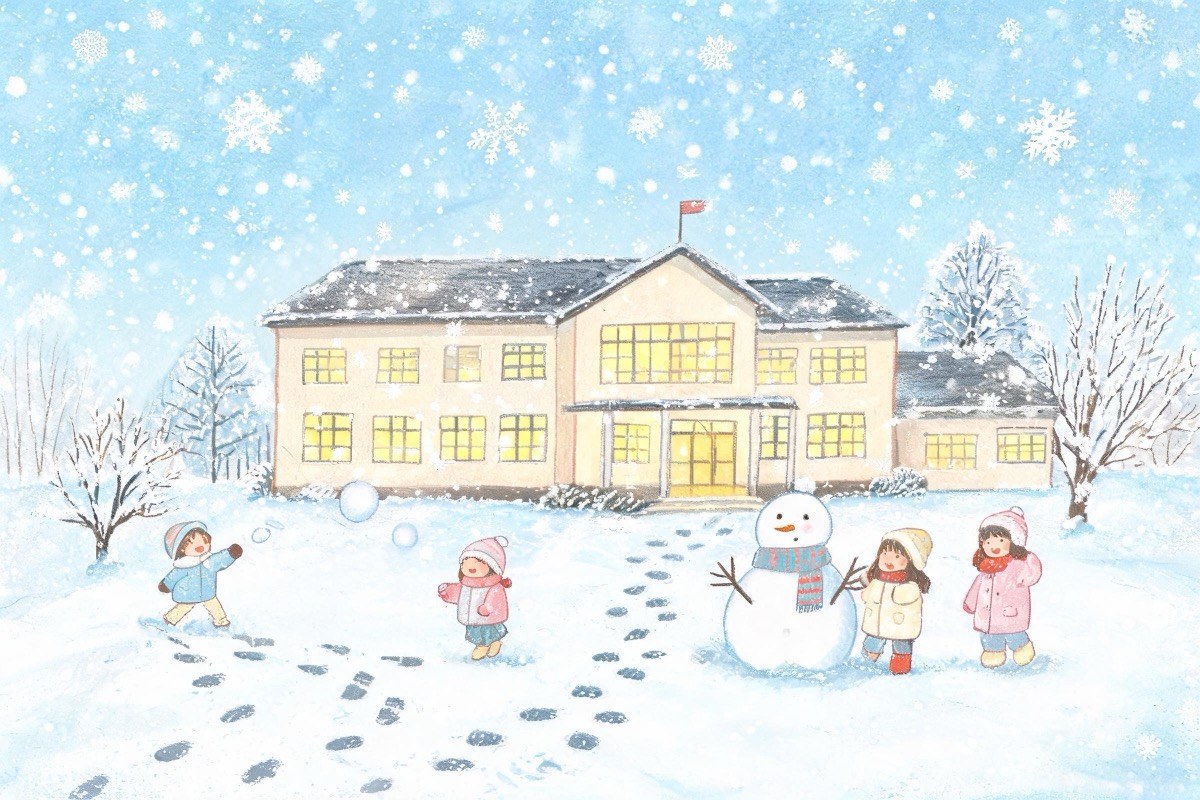
楼下的花园白透了,车罩上鼓着一层。儿子提议先堆雪人。我们分工,他滚头,我滚身子。他那个雪球滚两下就散,越滚越小,急得直跺脚。我教他把雪攥实了再滚,他从抱一个雪球改成推一个雪球,头越推越大,最后抱不动了,一路抱着摔过来,摔在身子上一半,剩下的他往顶上糊。雪人成了,脖子歪的,眼睛一颗石子一颗瓶盖,鼻子插了根从花坛捡的枯枝。他围着看了一圈,说,它像我。我说它像你倒八辈子霉了。
雪仗是他先动的手。一颗雪球正中我大腿,砸得棉裤洇了一块。我假装吃痛,他笑得直不起腰。我捏起雪还回去,故意偏半尺,落在脚边炸开。我们就这样一真一假地打,他渐渐发现我让着他,提出重新定规矩:我扔他躲,他扔我站着不动。他扔得极认真,眯一只眼瞄准,雪球砸在我胸口,力道跟挠痒差不多,他还不满意,说没砸中心口。打到后来他手套湿透,手指通红,我拽他,他不肯,说最后一颗,最后一颗之后还有一颗。
上楼前他回头找那个歪脖子雪人,说给它围上他的围巾。围巾是红的,雪人戴上像换了个脾气。他答应明天下来给它扶正。
进家门,母亲已经烧好了姜茶——她隔着窗全看见了,说你们爷俩疯了。一人一碗,姜切得很厚,辣味冲上来,儿子龇牙咧嘴灌了一大口,哈出一团白气,眉毛上还有没化的雪。我端着碗,忽然想起三十年前自己的雪仗,也是在别人家窗下,母亲也是这样端来一碗姜汤,骂也是这么骂。原来这些事会一代一代往下滚,跟雪球一样。
儿子喝完茶趴回窗上,找他的雪人。雪又下起来了,红的围巾在白色里特别显眼。他说明天还下去。我说好。这个下午我什么也没干,手机快没电了,雪人歪着,姜茶辣嘴。可我知道,等他长大,雪仗不会记得这一场,可这一场会记得他。
An Afternoon of Snowball Fights with My Child
The snow fell all morning and had not stopped after lunch. My son clung to the window watching, then turned to look at me without a word - his eyes had already said everything. I put down my phone and said, let us go. He cheered and went to drag out his down jacket.
The garden downstairs was white through, the car cover bulging with a layer on top. My son proposed building a snowman first. We divided the work: he rolled the head, I rolled the body. His snowball fell apart after two rolls and kept getting smaller, and he stamped his feet in frustration. I taught him to pack the snow tight before rolling. He changed from hugging a ball to pushing one, and the head grew until he could no longer carry it. He carried it all the way over, tumbling, and half of it smashed onto the body while he smeared the rest on top. The snowman was done: crooked neck, one pebble eye and one bottle-cap eye, a dry branch from the flower bed for a nose. He circled it once and said, it looks like me. I said it looks like you only if you have had eight lifetimes of bad luck.
The snowball fight started when he threw first. One ball hit me square on the thigh and left a wet patch on my padded trousers. I pretended to be hurt, and he laughed until he could not stand straight. I pinched up some snow and threw back, aiming half a foot off on purpose so it burst at his feet. We fought like this, one real and one fake, until he noticed I was letting him win and proposed new rules: when I throw he dodges, when he throws I stand still. He threw with great seriousness, one eye squinted to aim. The ball struck my chest with no more force than an itch, and he was still not satisfied, saying he had missed the center. By the end his gloves were soaked and his fingers bright red. I pulled at him to go upstairs; he refused, saying one last ball, and after every last ball there was another one.
Before going up he turned back to find the crooked snowman and said he would give it his scarf. The scarf was red, and on the snowman it looked like a change of temper. He promised to come down tomorrow and straighten it.
Inside the door, my mother had already made ginger tea. She had seen the whole thing through the window and said the two of us had gone mad. One bowl each. The ginger was cut thick, and the heat rushed up. My son grimaced and gulped a big mouthful, breathing out a cloud of white vapor, unmelted snow still on his eyebrows. Holding my bowl, I suddenly remembered my own snowball fights from thirty years ago, also under somebody else window, and my mother bringing a bowl of ginger soup just like this, scolding in just this way. It turns out these things roll down from one generation to the next, like snowballs.
After his tea my son pressed back against the window, looking for his snowman. It had started snowing again, and the red scarf stood out sharply in all the white. He said he would go down again tomorrow. I said all right. I did nothing this afternoon. The phone is nearly out of power, the snowman is crooked, the ginger tea burns the mouth. But I know that when he grows up, snowball fights will not remember this one, and this one will remember him.
厨房窗边看他们爷俩打仗
我在厨房炖着骨头,儿子在客厅刷手机,孙子扒着窗户喊了一声:下雪了。喊完就去拽他爸的羽绒服。我隔着窗骂了一句,雪地里疯什么,没人听。这家里谁听过我的话,我早就知道。
我擦擦手,也站到窗边。楼下的花园白得晃眼。他们爷俩堆雪人,小的那个滚个雪球滚三次散三次,急得原地跺脚,像极了三十年前他爸。他爸那时候在雪地里也是这副样子,雪球捏不紧,急得嗷嗷叫,邻居老张站在楼道口笑他。后来老张的孙子下雪天也嗷嗷叫,我在楼道口看见过,没跟任何人说。
雪仗是孙子先动的手。我隔着玻璃看不见声音,只看见儿子往后一仰,捂着腿,然后两个人都笑。当爹的还手,雪球故意往孩子脚边落。这种让法我一眼就看穿了,我儿子小时候跟人打架输了,回来也说他让着我。孩子是不肯白让的,果然,他们蹲在地上商量了一阵,重新排了队形,一个躲一个站。孙子扔得眯起一只眼,那认真劲儿,玻璃上哈出的白雾我都想擦一擦,好看得清楚些。
打到最后,手套湿了,手指头通红,小的那个赖着不走,一颗接一颗。当爹的连拖带拽上了楼。我在窗边看着,窗户上全是我的白雾。
姜茶是提前烧上的。我切姜切得厚,辣一些好,冻过的人要辣一些。门一响,两个人带着一身冷气进来,头发上都有雪。我骂你们爷俩疯了,碗都盛好了。孙子端起碗灌一大口,辣得龇牙,哈出一团白气。我看着他这个表情,忽然对上了——三十年前,我儿子灌我熬的姜汤,也是这个表情,眉毛一样拧着,脚一样不肯安分。原来辣是一样的辣,碗是一样的碗,一碗姜汤,我传了三十年。
骨头还炖着,他们爷俩一个喝茶一个找毛巾。我回到窗边,楼下那个歪脖子雪人围着条红围巾,在白色里显眼。雪又开始下了。我心想,明天他们还会下去的。这锅骨头炖得久一些也好,他们回来正好喝。
Watching the Father and Son from the Kitchen Window
I was simmering bones in the kitchen, my son was scrolling on his phone in the living room, and my grandson shouted at the window: it is snowing. No sooner had he shouted than he was dragging out his father's down jacket. I scolded through the window, what is the fun of being wild in the snow. Nobody listened. Who in this family ever listens to me, I have known that for years.
I wiped my hands and stood at the window too. The garden downstairs was dazzling white. The two of them built a snowman. The little one rolled a snowball and it fell apart three times, and he stamped on the spot in frustration, exactly like his father thirty years ago. Back then his father was the same in the snow, unable to pack a snowball, howling with impatience while our old neighbor Mr. Zhang laughed at him from the stairway entrance. Later Mr. Zhang's own grandson howled on snowy days too, and I saw it from the stairway, and told no one.
The snowball fight began when the grandson threw first. Through the glass I could not hear the sound, I only saw my father of the two lean back and clutch his leg, and then both of them laughing. The father threw back, letting the ball land by the child's feet on purpose. I saw through this at a glance. When my son lost fights as a boy, he came home saying the other boy had let him win. Children will not accept being given a win for free, and sure enough the two crouched down and talked it over and rearranged the rules, one dodging, one standing still. The grandson threw with one eye squinted, so serious that I wanted to wipe the fog off the glass to see better.
By the end the gloves were wet and the fingers bright red, and the little one refused to leave, one ball after another. The father half dragged him upstairs. I stood at the window, the glass fogged white with my breath.
The ginger tea had been put on early. I cut the ginger thick; it should be strong, for people who have been out in the cold. The door banged and two figures came in trailing cold air, snow in their hair. I scolded them both for being mad, and the bowls were already filled. The grandson gulped a big mouthful and grimaced at the heat, breathing out a cloud of white vapor. Watching that face, something suddenly lined up - thirty years ago, my son gulping the ginger soup I made wore exactly that face, brows screwed up the same way, feet just as restless. So the heat is the same heat, the bowl is the same bowl. One bowl of ginger soup, and I have been passing it down for thirty years.
The bones are still simmering; the father and son are drinking tea and hunting for towels. I went back to the window. Downstairs the crooked snowman wore a red scarf, standing out against all the white. It had started snowing again. Tomorrow, I thought, they will go back down. This pot of bones can simmer a little longer - they will come in thirsty.
小提示:上面此文档内容仅展示完整文档里的部分内容, 若需要下载完整文档请 点击免费下载完整文档 。