文章内容
雪落故乡
城里的冬天一深,我就在电视里看到故乡下雪的消息。我在窗前站了很久,那场雪隔着二十年落过来,落在老屋的青瓦上。
故乡的雪,先是落在屋顶上。老屋的瓦小,一层雪盖下来,屋脊的线条就变圆了,像谁给房子絮了一床棉被。祖父一早就踩着梯子上房扫雪,竹扫帚刮得沙沙响,雪末从檐口溜下去,冻成一排冰凌。冰凌是那时候我们的糖,放学路上掰一根含着,凉水一直滴进衣领,谁也不嫌馋。晌午太阳出来,冰凌滴水,从屋檐落到院里的盆中,滴答滴答,像是房子在数日子。
雪也落在村外的麦地上。清早祖父背着手去地里转一圈,回来蹲在门口吧嗒吧嗒抽烟,说雪被盖得严实,麦苗在底下睡得香。我们不懂,只记得老人常说,雪下得越厚,来年的馒头蒸得越白。那时我们盼雪,一半为着麦地,一半为着雪仗。
村口的小路被雪冻成一条亮玻璃。我们清早走路上学,布鞋踩得小心翼翼,顺手抓住道旁的柳枝。小路两边的地覆得平平的,只有前一天牛车的轮印冻成一排小槽,狗脚印最有意思,一朵朵小梅花印出去,一直通到地的深处,不知道它们去了哪里。路过的老人冲我们喊,娃,慢些走,莫跌。几个孩子的呼吸在冷里冒成一排白柱子,村口的路因为我们才热闹。
最热闹的还要数雪仗。一放学,几十个娃聚在村口的场院里,攥雪球,躲在草垛后头埋伏。我有一次蹲在石磨后头,等同学王来柱路过,起身一扬手却扔偏了,正砸在赶车拐弯的村长身上。所有人愣了一瞬,接着哄堂大笑。笑声把电线杆上的乌鸦惊散了,满街没有人恼。
如今老屋拆了,村口的路铺了水泥,落了雪也没人扫。可我一见雪,屋顶、麦地、小路、笑声就一齐回来,清楚得像昨夜的事。故乡的雪其实没有停,它只是落进了记忆里,一年一次,落在想它的人身上。
Snow Falling on My Hometown
When winter deepens in the city, I hear on television that it has snowed in my hometown. I stand by the window for a long time. That snow crosses twenty years and lands on the blue tiles of the old house.
The snow of my hometown falls first on the roof. The old house was covered with small tiles. When a layer of snow lay over them, the ridge line turned round, as if someone had draped a cotton quilt over the house. Grandfather climbed the ladder early to sweep the snow. The bamboo broom made a soft rustling sound, and the snow slid off the eaves and froze into a row of icicles. The icicles were our candy in those days. On the way home from school we broke one off and held it in our mouths, and the cold water dripped down to our collars, yet nobody minded being greedy. When the noon sun came out, the icicles melted, and drops fell from the eaves into the basin in the yard, drip by drip, as if the house were counting its days.
The snow also fell on the wheat fields outside the village. Early in the morning Grandfather walked a round in the fields with his hands behind his back, came back, squatted at the gate and puffed at his pipe, saying the quilt of snow lay tight and the wheat seedlings slept well underneath. We did not understand. We only remember the old men often saying: the thicker the snow, the whiter the steamed buns next year. In those days we wished for snow, half for the wheat fields and half for the snowball fights.
The road at the village entrance froze into a strip of bright glass under the snow. We walked to school in the early morning, our cloth shoes stepping carefully, holding on to the willow branches along the way. The fields on both sides lay flat and white, and only the wheel marks of ox carts from the day before were frozen into a line of small grooves. The dog prints were the most interesting, little plum blossoms stamped one after another, leading deep into the field, and nobody knew where they went. The old people passing by called out to us, walk slowly, do not fall. The breath of several children rose in white columns, and the road at the village entrance was lively because of us.
The liveliest memory is still the snowball fight. As soon as school was over, dozens of children gathered in the square by the village entrance, packing snow into balls and hiding behind the haystacks to ambush one another. I once squatted behind a stone mill, waiting for my classmate Wang Laizhu to pass by. When I stood up and threw, I missed and hit the village headman who was driving his cart around the corner. Everyone froze for a moment, then burst out laughing. The laughter scared the crows off the telephone poles, and nobody on the whole street was angry.
Now the old house has been pulled down, and the road at the village entrance has become concrete, and nobody sweeps when it snows. But every time I see snow, the roof, the wheat fields, the road and the laughter all come back at once, as clear as if they happened last night. The snow of my hometown never really stops falling. It only falls into memory, once a year, on the one who misses it.
先记住的是笑声
我记故乡的雪,记得是倒过来的。别人想雪,先想它怎么落下来;我想雪,先听见笑声。
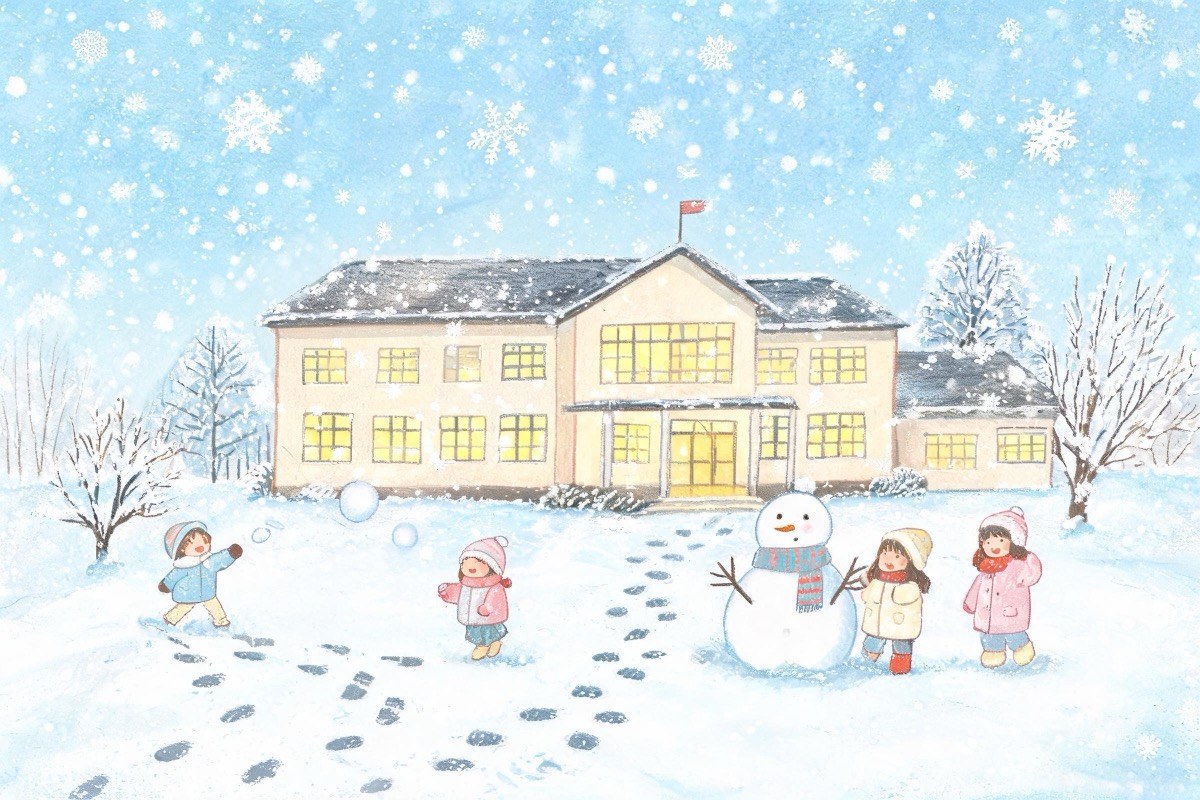
那场雪仗在村口的场院里。草垛是掩体,石磨是堡垒,雪球攥得不紧,飞出去半路就散,散成一蓬白雾,倒比砸中更让人乐。王来柱人高,站在场院当中不动,任雪球砸在他棉袄上,一朵一朵地开花,他只管往回扔,又准又狠。我蹲在石磨后头攒弹药,攒着攒着忘了扔,看别人追打,自己先笑了。村长赶着马车拐进场院,一只不知来路的雪球糊在他后背上,他回过头,胡子上挂着雪屑,我们以为要挨骂,他却把雪屑一抹,扬了扬鞭子走了。乌鸦从电线杆上炸开,扑棱棱飞远。那天的笑声,隔了这么多年,还比什么都清楚。
笑声往回退,退到清早的村口小路上。路冻成一条亮玻璃,两边的地白得平平整整,牛车的轮印冻成一排小槽,狗脚印像一列小梅花,通向地的深处。我们排着队走过去,哈出的气连成一串白雾。有人故意踩轮印,一脚一个,走得像跳舞;有人伸手去折柳枝上的雪,雪掉下来钻进脖领,跳起来嚷,嚷完接着走。老人站在门口喊,慢些,莫跌。那声喊,也是从雪里来的。
小路再往回退,退到头天夜里。雪是先落在屋顶上的。老屋的青瓦一层一层变白,屋脊圆了,像盖上了一床新絮的棉被。祖父清早踩梯上房,竹扫帚刮得沙沙响,雪末从檐口溜下去,冻成一排冰凌。我在底下仰着头接,接不住,冰凌化在眉毛上。晌午屋檐滴水,滴进院里的盆,滴答,滴答,房子在数它的日子。扫下来的雪堆在墙根,母亲顺手把灶房的柴码在雪上头,怕柴受了潮。
祖父扫完雪,还要背着手去村外的麦地转一圈。他回来说雪被盖得严实,麦苗在底下睡得香。老人家常说,雪下得越厚,来年的馒头蒸得越白。我们那时盼雪,一半为着馒头,一半为着场院。
记忆倒着退,退到雪最早落下的地方——屋顶。原来我对故乡的雪,先记住的是笑声,再记住的是路,最后才是屋顶上那个扫雪的人。雪落下来是往下走,我想起它,是一层一层往回走。
What I Remember First Is the Laughter
I remember the snow of my hometown backwards. Other people think of snow by first seeing how it falls; I think of snow by first hearing the laughter.
The snowball fight happened in the square by the village entrance. The haystacks were bunkers and the stone mill was a fortress. We packed the snowballs too loosely, so they burst halfway through the air into a puff of white mist, which made people laugh more than a direct hit ever did. Wang Laizhu was tall. He stood in the middle of the square without moving, letting snowballs bloom one after another on his padded coat, and he only threw back, hard and straight. I squatted behind the stone mill making ammunition, and as I kept making it I forgot to throw, watching others chase each other, laughing first myself. The village headman drove his cart into the square, and a snowball from nowhere splattered across his back. He turned his head, snow flakes on his beard. We expected a scolding, but he wiped the snow off, flicked his whip, and drove on. The crows exploded off the telephone poles and flew away flapping. That day's laughter, after all these years, is clearer than anything else.
The laughter retreats backwards, to the village road in the early morning. The road had frozen into a strip of bright glass, the fields on both sides flat and white, the wheel marks of ox carts frozen into a line of small grooves, dog prints like a row of little plum blossoms leading into the depth of the field. We walked in line, our breath joining into a string of white mist. Some stepped deliberately into the wheel grooves, one step per groove, walking as if dancing; others reached out to break the snow off the willow branches, the snow fell into their collars, they jumped up and shouted, and kept walking after shouting. The old people stood at their doors and called, slowly, do not fall. That shout also came out of the snow.
The road retreats further, back to the night before. The snow fell first on the roof. The blue tiles of the old house turned white layer by layer, the ridge grew round, as if a freshly stuffed quilt had been laid over it. Early next morning Grandfather climbed the ladder onto the roof, the bamboo broom rustling, and the snow slid off the eaves and froze into a row of icicles. I stood below tilting my head to catch them, never caught one, and they melted on my eyebrows. At noon the eaves dripped into the basin in the yard, drip, drip, the house counting its days. The swept snow piled at the foot of the wall, and Mother stacked the kitchen firewood on top of it, afraid the wood would take in damp.
After sweeping, Grandfather walked a round in the wheat fields outside the village with his hands behind his back. He came back saying the quilt of snow lay tight and the wheat seedlings slept well underneath. The old folks used to say: the thicker the snow, the whiter the steamed buns next year. We wished for snow in those days, half for the buns and half for the square.
Memory keeps retreating, back to where the snow first fell - the roof. So of my hometown's snow, I remember the laughter first, then the road, and last of all the man sweeping snow on the roof. Snow falls downward; when I think of it, I walk back upward, layer by layer.
小提示:上面此文档内容仅展示完整文档里的部分内容, 若需要下载完整文档请 点击免费下载完整文档 。