文章内容
旗子底下,我们谈谈坚强
老师们、同学们:早上好。国旗升到杆顶了,风把它吹得很响。今天我在国旗下讲话,想跟大家谈一谈坚强。谈之前,请先允许我提一间草房子。
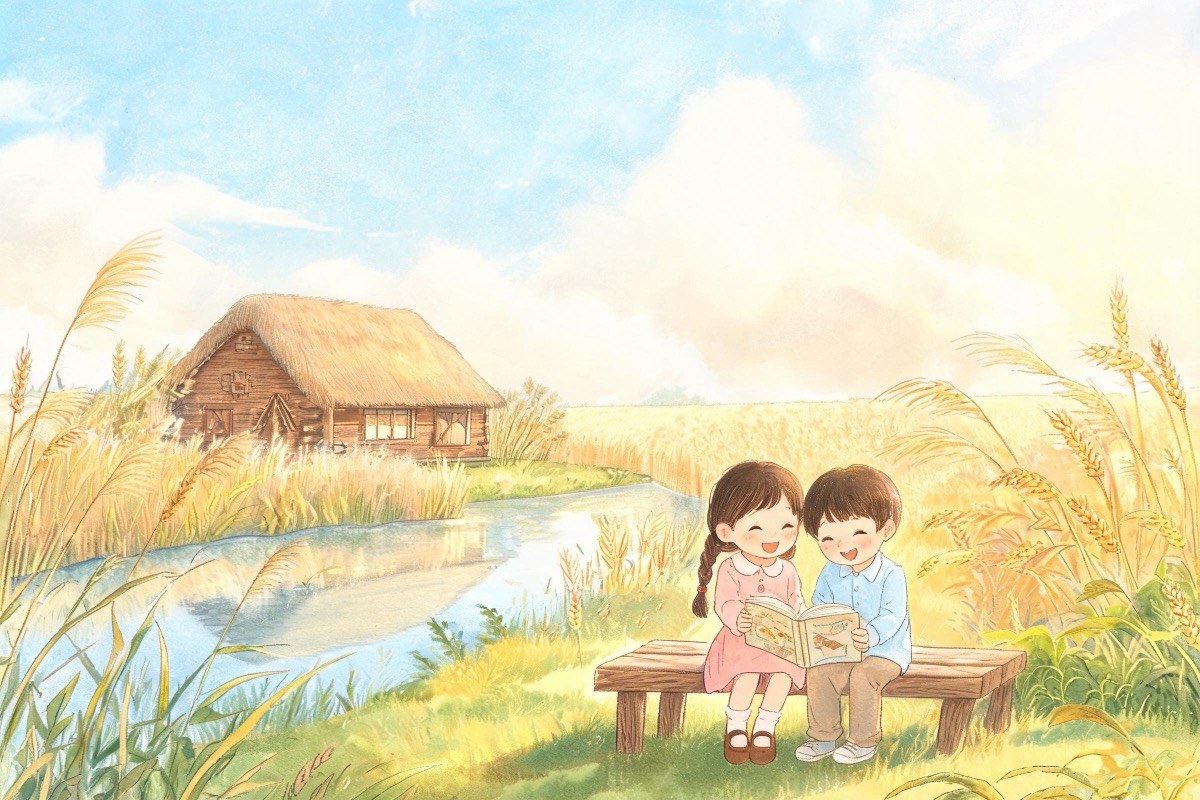
曹文轩先生的《草房子》里,有一群油麻地的孩子。我们全校上个月共读了这本书,很多班的读书板上还贴着大家写的人物卡。今天我只提两个人,因为他们一个教会我什么叫坚强,一个教会我什么叫尊严。
先说杜小康。他家曾是油麻地最富的,红门大院,柜台上的玻璃罐子擦得能照见人影。一条船翻了,家里欠了债,他作为全校第一名,却不得不退学。他没有在书里哭天抢地。他跟着父亲进芦苇荡放鸭,暴风雨的夜里鸭子炸了群,他一个人追,摔在泥里再爬起来。回家以后,他在油麻地小学门口摆起小摊,卖碗、卖笔、卖糖果,手上戴着白手套。书里写,油麻地没有一个人笑话他。同学们,这就叫坚强。坚强不是不疼,是摔进泥里,自己站起来,还把日子过出样子。
再说秃鹤。他天生一颗光头,成了全班的软肋。文艺汇演他演秃头伪军,演得极好,可大家还是拿他的头开玩笑。六一汇操比赛,他赌气在队列里摘下帽子,让全年级因为他的头被扣了分,大家生他的气。可后来那场真正的汇操,他拼尽全力踩每一个拍子,队伍走得像一个人。领操台上他的光头在阳光下亮着,没有人再笑。他用自己的认真,把丢掉的尊严一寸一寸挣了回来。尊严从来不是别人赏的,是自己挣的。
所以今天,我在国旗下向全校同学发出三个号召。第一,读完整本书的同学,把这个星期定为重读周,重读你最喜欢的那一章。第二,像油麻地的孩子那样扛住自己的小事:考试失利不趴下,值日偷懒不找借口,体育课跑不动了再撑五十米。第三,善待跟你不一样的同学:不许给任何人起外号,不许笑话别人的家庭、身体和穿着。秃鹤的光头不该被笑,我们班任何一个人的不同,都不该被笑。
同学们,国旗在头上,草房子在我们读过的书里。油麻地的孩子离我们几十年、几千里,可他们走过的路,正是我们今天要走的路。从明天起,让我们把坚强放在心里,把尊严放在行为里,也把自己的小日子过得有模有样。下个星期一,当我们再次站在国旗下,我希望你们每一个人,都能有一件可以讲给国旗听的事。谢谢大家。
Under the Flag, Let Us Talk About Strength
Good morning, teachers and fellow students. The national flag has reached the top of the pole, and the wind is snapping it loudly. Today, standing under the flag, I want to talk about strength. Before I begin, please allow me to mention one grass house.
In Mr. Cao Wenxuan's Grass House there is a group of children from Youmadi. Our whole school read this book together last month, and the character cards you wrote are still pinned to the reading boards in many classrooms. Today I will speak of only two of them, because one taught me what strength is, and the other taught me what dignity is.
First, Du Xiaokang. His family was once the wealthiest in Youmadi: a grand compound with a red gate, glass jars on the counter polished bright enough to see your face in. One boat capsized, the family fell into debt, and Du Xiaokang, top student of the whole school, had to drop out. He did not wail in the book. He followed his father into the reed marshes to raise ducks. On a stormy night the flock scattered in panic, and he chased them alone, falling into the mud and getting back up. When he came home, he set up a small stall at the gate of Youmadi Primary School, selling bowls, pens, and candy, wearing white gloves. The book says that not a single person in Youmadi laughed at him. This, classmates, is what strength means. Strength is not feeling no pain. Strength is falling into the mud, getting up by yourself, and still living your days with shape and care.
Now, Tuhe. He was born with a completely bald head, and it became the sore spot of the whole class. In the school play he played the bald puppet soldier, and he played it wonderfully, yet everyone still joked about his head. At the June 1st marching competition, in a fit of anger he took off his cap inside the formation, and his whole grade lost points because of his head. Everyone was angry with him. But at the real competition later, he stamped every beat with all his might, and the column moved like one body. On the leading platform his bald head shone in the sunlight, and nobody laughed. With his own seriousness he won back, inch by inch, the dignity he had lost. Dignity was never something others handed you. It is something you earn.
So today, under this flag, I issue three calls to action to our whole school. First, if you have finished the book, make this week your re-reading week and revisit the chapter you loved most. Second, like the children of Youmadi, carry your own small burdens: do not collapse after a failed exam, do not make excuses for slacking on duty, and when your legs give out in PE class, push on for fifty more meters. Third, be kind to classmates who are different from you: no nicknames for anyone, no mocking of anyone's family, body, or clothes. Tuhe's bald head should never be laughed at, and neither should any difference in any person in our school.
Classmates, the national flag flies above our heads, and the grass house lives in the book we have read. The children of Youmadi lived decades ago and far away, yet the road they walked is the very road we are walking today. Starting tomorrow, let us keep strength in our hearts and dignity in our deeds, and live our own small days with care too. Next Monday, when we stand under the flag again, I hope every one of you will have one thing worth telling the flag. Thank you.
我升旗的样子,他们走路的样子
同学们,早上好。我是本周的升旗手。说实话,上周一我走上旗台、伸手去抓绳子的时候,手心出汗,腿在抖,绳子差点脱手。下旗之后我一直问自己:为什么不能在国旗下站直?后来,我在《草房子》里找到了答案。
上个月,全校共读了《草房子》。今天我在国旗下,想讲书里的两个人,因为他们某种意义上,也都站在自己的旗台上。
第一个是秃鹤。他天生一颗光头。文艺汇演他演秃头伪军,演得满堂叫好,可观众散场以后,记住的只有他的头。他犯过一次错:汇操比赛他赌气摘下帽子,全年级因为他的头被扣分,那阵子没有人愿意跟他同桌。但他没有一直那样下去。真正的那场汇操,他拼了命地认真,每一个拍子都踏准,队伍走得像一个人。领操台上他的光头在阳光下亮着,没有人再笑。他让我明白:尊严是自己挣的,认真就是最硬的挣法。
第二个是杜小康。他家曾是油麻地最富的,一条翻了的船把家底沉进了河底。他成绩全年级第一,却不得不退学,跟父亲进芦苇荡放鸭,顶风顶雨。回来以后,他在小学门口摆起小摊,卖碗、卖糖,手上戴着白手套,一样一样招呼从前的同学。书里写,油麻地没有一个人笑话他。坚强不是一句口号。坚强是被生活打倒之后,还能爬起来,把日子过得有体面。
今天,我在国旗下向全校提出三点请求。第一,像秃鹤那样,找到一件肯拼了命认真做的事:一次课间操、一次班会、一次作业,都把它做扎实。第二,像杜小康那样,遇上事不趴下:竞选输了、考试砸了、挨批评了,拍拍膝盖上的泥,站起来接着走。第三,不笑话任何人的不同,别人笑的时候你不跟着笑。油麻地没有笑话杜小康的小摊,我们学校也不该笑话任何人的头、家庭和穿着。
下个星期一,我还会升旗。我希望那时候我抓住绳子的手是稳的,心里想着领操台上发亮的秃鹤,想着戴白手套的杜小康。同学们,旗在升起,人也要升起。愿我们每个人,都能在国旗下站直,都像油麻地的孩子那样,把自己脚下的路走好。谢谢大家。
The Way I Raise the Flag, the Way They Walk Their Road
Fellow students, good morning. I am this week's flag raiser. To be honest, last Monday, when I stepped onto the platform and reached for the rope, my palms were sweaty and my legs shook, and I nearly dropped the rope. Afterward I kept asking myself: why can't I stand straight under the flag? Later, inside Grass House, I found an answer.
Last month our whole school read Grass House together. Today under the flag, I want to speak of two people in that book, because in a way they both stood on a platform of their own.
The first is Tuhe. He was born with a completely bald head. In the school play he played the bald puppet soldier, and he played it so well that the audience applauded, yet when people walked out of the theater, all they remembered was his head. He once did a wrong thing: at a marching competition he tore off his cap in anger, his whole grade lost points because of his head, and for a while nobody wanted to be his deskmate. But he did not spend the rest of his days that way. At the real competition he stamped every beat with all his seriousness, and the column moved like one person. On the leading platform his head shone in the sunlight, and nobody laughed. He taught me this: dignity is earned by yourself, and seriousness is the mightiest way to earn it.
The second is Du Xiaokang. His family was once the wealthiest in Youmadi, until one capsized boat sank the whole family fortune. First in the whole grade, he had to drop out, followed his father into the reed marshes to herd ducks, and faced the wind and rain. When he came back, he set up a small stall at the gate of the primary school, selling bowls and candy, wearing white gloves, greeting his old classmates one by one. The book says not a single person in Youmadi laughed at him. Strength is not a slogan. Strength is getting up after life knocks you down, and living your days with dignity.
Today, under this flag, I want to make three requests to our school. First, like Tuhe, find one thing you are willing to do with all your seriousness: one exercise routine, one class meeting, one piece of homework — do it solidly. Second, like Du Xiaokang, when something bad happens to you, do not lie flat: lose an election, fail a test, get scolded — brush the mud off your knees and keep walking. Third, never laugh at anyone's difference, and do not join in when others laugh. Youmadi did not laugh at Du Xiaokang's stall, so our school should not laugh at anyone's head, family, or clothes.
Next Monday I will raise the flag again. I hope that when I grip the rope then, my hand will be steady, and I will remember Tuhe shining on the leading platform and Du Xiaokang in his white gloves. Fellow students, the flag rises, and so must we. May every one of us stand straight under the flag, and may we all walk the road beneath our feet the way the children of Youmadi walked theirs. Thank you.
小提示:上面此文档内容仅展示完整文档里的部分内容, 若需要下载完整文档请 点击免费下载完整文档 。