文章内容
树荫下的一个下午
考完最后一门的那个下午,我没有直接回家。太阳还白晃晃地挂在天上,我拐进小区后面的小园子,在老槐树下坐下来。
树荫是圆的,像谁在地上铺了一块凉席。我往树荫中间一躺,草的凉气从背下面慢慢渗上来。头顶的叶子一层压一层,风从最上面过,只漏下一点点声音,沙沙的,像很远的地方有人在翻书。光从叶缝里掉下来,落在地上变成碎金子,碎金子一动不动,说明风停了。
就在这时候,我看见了那支蚂蚁队伍。
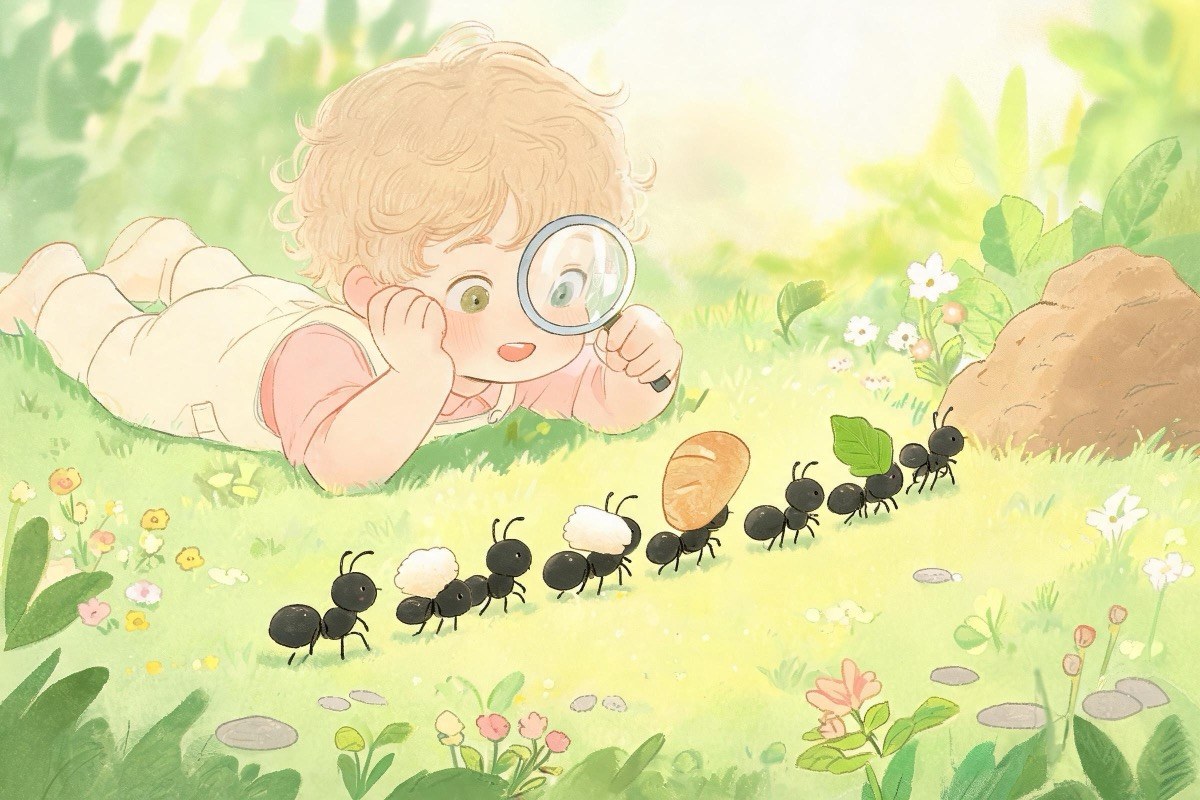
它从我脚边过,一条细黑的线,从树根一直拉到远处的墙根。有的蚂蚁抬着青色的虫子腿,有的顶着白米,空手的走在旁边,像给抬东西的让路。它们过得很慢,可是没有一只停下来歇。我看它们搬一粒米,看一只大蚂蚁绕开一根草茎,看队伍中间有个小缺口,马上又被后面的补上。
我看着看着,脑子里那些没考好的题、没说完的话,全都沉下去了。世界缩小到脚边那一寸地方,只剩下线在动。我听见自己的呼吸慢下来,和蚂蚁的步子差不多匀。
等我发觉的时候,那块圆树荫已经挪了位置,我的胳膊上有一道浅浅的印子,是刚才枕着的一根草。太阳矮下去了,园子里有了别人回家的脚步声。一个下午就这么过去了,我什么也没做,可心里比任何时候都满。
回家路上我在想,平时时间总是被作业和考试切成一块一块,赶着走。只有那个下午,时间是完整的,它跟着蚂蚁的步子走,跟着树荫的移动走。蚂蚁不数自己走了多远,树荫不算自己挪了多少,它们只是走,只是挪。原来宁静不是没有声音,是你终于肯把心放到一件小事上,让时间从你身上慢慢地、完整地流过去。
An Afternoon in the Tree Shade
On the afternoon after the last exam, I did not go straight home. The sun still hung white and blazing in the sky, and I turned into the small garden behind our neighborhood and sat down under an old scholar tree.
The patch of tree shade was round, like a cool mat someone had spread on the ground. I lay down in the middle of it, and the coolness of the grass seeped up slowly from under my back. Layer upon layer of leaves covered my head; the wind passed over the very top and leaked down only a little sound, a rustle, as if someone far away were turning the pages of a book. Light fell through the gaps between the leaves and became broken gold on the ground. The broken gold did not move, which meant the wind had stopped.
Just then I saw the column of ants.
It passed by my foot, a thin black line running from the tree root all the way to the corner of a distant wall. Some ants carried the green legs of a caterpillar, some balanced grains of white rice, and those walking empty-handed stayed at the side, as if making way for the ones carrying loads. They moved slowly, yet not one stopped to rest. I watched them carry a grain of rice, watched a big ant go around a grass stem, watched a small gap open in the middle of the line and immediately be filled by those behind.
As I watched, the questions I had failed, the words I had not finished saying, all sank down. The world shrank to the inch of ground beside my foot, and only the line was moving. I heard my own breathing slow down until it matched the pace of the ants.
By the time I noticed, the round patch of shade had moved, and there was a faint mark on my arm from the blade of grass I had been resting on. The sun had sunk lower, and the garden filled with the footsteps of people going home. A whole afternoon had passed. I had done nothing, yet my heart was fuller than ever.
On the way home I thought: usually time is cut into pieces by homework and exams, and we rush through it. Only that afternoon, time was whole. It walked with the steps of the ants, it moved with the shifting shade. The ants do not count how far they have gone; the shade does not measure how much it has moved. They simply go, simply shift. So stillness is not the absence of sound. It is finally willing to rest your heart on one small thing, and letting time flow through you slowly, and wholly.
我和爷爷各看各的
暑假被送到乡下爷爷家,我最怕的是中午。中午哪儿也不能去,太阳把院子晒得发白,狗趴在门洞里吐舌头。那天中午,爷爷搬出两把竹椅,放在柿子树的树荫底下,对我说:走,看蚂蚁去。
我不情愿地跟着。树荫不大,刚好罩住两把椅子和一小片地。爷爷坐下以后就不说话了,眼睛盯着地上一道黑线。那是一支蚂蚁队伍,从墙角的洞出来,沿着墙根走,一直走到柿子树下,再往上爬。爬树的蚂蚁排得不那么齐,有的叠在一起,像一小股黑色的水往上流。
头十分钟我根本坐不住。我掏出手机,没信号;数椅子上的竹条,数到三十几就乱了;扯地上的草,扯一根是一根。爷爷也不管我,他就看着,偶尔说一句:你看,这只搬不动,换了一只来搬。真的,一只大蚂蚁过来,两只合力,那块东西动了。
不知道从哪一刻起,我也不看了手机,开始看地。我看出一支队伍里也有快有慢,看出一只蚂蚁掉了队,绕了一小圈又接上,看出树荫的边缘有一小片光斑,蚂蚁走到光斑那儿会顿一下再走。爷爷说得对,看东西是要看的,不是扫一眼就算看。
等我回神,竹椅的影子已经转了方向,晒到我脚背上。中午那种发白的安静还在,蝉声一阵一阵,柿子树的叶子在头顶哗啦一下又停住。爷爷不知什么时候睡着了,头歪在椅背上,鼾声很轻。地上那条线还在动,从中午动到下午。
我没有叫醒爷爷,就让他那么睡着。我忽然明白他为什么年年夏天都看蚂蚁。他看的时候不赶时间,时间在他身上是慢的,像蚂蚁的步子。城市里我把一分钟掰成三分钟用,看什么都扫一眼,难怪我坐不住十分钟。原来专注不是逼自己坐着,是眼睛终于找到一样值得慢慢看的东西。
开学前那天中午,我们又坐在树荫里。爷爷说:明年夏天还来。我说来。地上那条线从墙根爬到柿子树,从中午动到下午,和我们谁都没有说话的那个下午一样,长得好像用不完。
Grandpa and I Each Watch Our Own Things
That summer I was sent to the house of my grandpa in the countryside, and what I feared most was noon. At noon you could not go anywhere; the sun bleached the courtyard white, and the dog lay panting in the doorway. That noon, grandpa carried out two bamboo chairs and set them under the shade of the persimmon tree, and said to me: come, let us watch the ants.
I followed unwillingly. The shade was small, just enough to cover two chairs and a patch of ground. After grandpa sat down he stopped talking, his eyes fixed on a black line on the ground. It was a column of ants, coming out of the hole at the corner of the wall, walking along the foot of the wall, all the way to the persimmon tree, and then climbing up. The ants climbing the tree were not in such neat ranks; some stacked on top of others, like a thin stream of black water flowing upward.
For the first ten minutes I could not sit still at all. I took out my phone — no signal; I counted the bamboo strips on the chair and lost count somewhere in the thirties; I pulled grass from the ground, one blade after another. Grandpa paid me no mind. He just watched, and now and then said something like: look, this one cannot carry it, another has come to take over. Sure enough, a big ant came over, the two worked together, and the little load moved.
At some moment without my noticing, I stopped looking at my phone and started looking at the ground. I saw that within one column there are fast ones and slow ones; that one ant fell out of line, made a small detour, and rejoined; that at the edge of the shade there was a patch of light, and ants paused for a moment there before crossing. Grandpa was right: looking at things means really looking, not glancing once and calling it done.
When I came back to myself, the shadow of the bamboo chair had turned, and the sun was warming my feet. The bleached noon quiet was still there, the cicadas came in waves, and the persimmon leaves above rustled once and stopped. Grandpa had fallen asleep at some point, his head tilted back on the chair, snoring softly. The line on the ground was still moving, moving from noon into the afternoon.
I did not wake him. I let him sleep like that. I suddenly understood why he watches the ants every summer. When he watches, he is not chasing time; time is slow on him, like the steps of ants. In the city I twist one minute into three and glance at everything I look at — no wonder I cannot sit still for ten minutes. So focus is not forcing yourself to sit; it is your eyes finally finding one thing worth watching slowly.
At noon on the day before school began, we sat in the shade again. Grandpa said: you will come again next summer. I said yes. The line on the ground climbed from the foot of the wall to the persimmon tree, moving from noon into the afternoon, as long and unhurried as that afternoon when neither of us said a word.
小提示:上面此文档内容仅展示完整文档里的部分内容, 若需要下载完整文档请 点击免费下载完整文档 。