文章内容
三支铅笔三个情节:把借还故事写完整的三步法
借铅笔、忘记归还、多年后归还,这三个情节就是故事的骨架。写之前先分字数:四百字的故事,起因大约八十到一百字,经过大约一百八十字,结果大约一百二十字。分配好了再动笔,不容易写偏。
起因要短。不少同学习惯先写天气和心情,写了一百多字铅笔还没出场。改法是从一个具体动作开始:下课写字,笔尖断了,同桌的铅笔正好摆在桌角。时间、地点、人物一句话交代完,马上进入借的动作。铅笔的样子挑一个特征写,笔杆上有个小缺口,或者漆掉了一小块,后文归还时还能用上它。
经过的重点是把忘写具体。只写后来我就忘了,读者不知道忘在哪里。要写忘的过程:第二天想把铅笔还回去,同桌正好去交作业,人不在座位;刚要放下去,上课铃响了,铅笔又回到自己手里。一次没还成,两次没还成,铅笔就留在了文具盒里。再补一句换座位、换文具盒,铅笔滑到笔袋最底层,忘得就有了道理。
结果要写重逢。多年后再见到铅笔和人,需要一个合理的场合:整理笔袋时铅笔从夹层里滑出来,或者在校门口遇见多年没见的同学。开口还铅笔的那一刻要写紧张,手心里出汗,话在嘴里排练了两遍。对方的反应决定故事的温度,一句我记得你借过我一支笔,比任何大道理都有力。
三个情节之间要用物来串联。铅笔是线索,它的状态要跟着时间变化:借的时候笔尖是新的,留下的时候笔杆磨出了手汗的痕迹,多年后再见到时漆掉了但笔杆上的名字还看得清。物变了,时间就过去了,读者不用看年份也能感觉到三年。
写完后检查三件事。删掉第一段,故事还能不能开始,能就说明起因不啰嗦。经过里有没有至少两个具体的动作或对话,没有就补。结果里对方有没有反应,没有就补一句对话。三处都过了,这个借东西守信的小故事就立住了。
Three Plots, One Pencil: A Three-Step Method for Writing a Complete Borrow-and-Return Story
Borrowing the pencil, forgetting to return it, and giving it back years later are the three plots that form the skeleton of the story. Before writing, divide the word count: for a four-hundred-word story, the cause takes about eighty to one hundred words, the process about one hundred and eighty, and the result about one hundred and twenty. Once the division is set, start writing, and the story is less likely to drift.
The cause should be short. Many students begin with the weather and their mood, writing over a hundred words before the pencil even appears. The fix is to start with a concrete action: writing after class, the pencil tip snaps, and your deskmate's pencil happens to sit on the corner of the desk. Time, place, and characters are covered in one sentence, and the borrowing action begins right away. Give the pencil one distinguishing feature, a small chip on the shaft or a flake of paint missing, so it can be recognized again when it is returned later.
The key to the middle is making forgetting concrete. If you only write later I just forgot it, readers never know where the forgetting happened. Write the process instead: the next day you mean to return it, but your deskmate is out handing in homework; just as you are about to place it on the desk, the class bell rings, and the pencil ends up back in your hand. One failed attempt, then another, and the pencil stays in your pencil case. Add a line about changing seats and switching pencil cases, and the pencil slides to the bottom of the pouch, so the forgetting makes sense.
The ending should be a reunion. Meeting the pencil and the person again years later needs a believable setting: the pencil slips out of a hidden pocket while you tidy your pouch, or you run into a classmate you have not seen for years at the school gate. Write the nervousness of the moment you offer it back, palms sweating, the sentence rehearsed twice in your mouth. The other person's reaction sets the warmth of the story; one line like I remember you once lent me a pencil carries more weight than any moral lecture.
Link the three plots with an object. The pencil is the thread, and its condition should change with time: the tip is new when it is borrowed, the shaft shows marks of sweaty hands by the time it stays behind, and years later the paint is worn off but the name on it is still legible. When the object changes, time has passed, and readers can feel the three years without seeing a single date.
Check three things after writing. If you delete the first paragraph, can the story still begin? If yes, the cause is not bloated. Does the middle contain at least two concrete actions or lines of dialogue? If not, add some. Does the other person react in the ending? If not, add one line of speech. Pass all three checks, and this little story about keeping a promise stands firm.
范文点评:《那支铅笔在笔袋底层躺了三年》好在哪里
先看一篇假设的范文,四百字出头,题目叫《那支铅笔在笔袋底层躺了三年》。起因段这样写:三年级下学期,我的铅笔尖又断了,前桌林小满把她那支淡黄色的铅笔推过来,说借你用。我道了谢,顺手把铅笔插进自己的笔袋。笔杆上贴着一小条胶布,胶布上写着林小满三个字。这个段落只有六十多字,但把借的动作和铅笔的特征都交代清楚了,胶布上的名字是全文最重要的伏笔。
经过段写忘记,用了三个没还成。第一天放学,林小满被老师留下订正错题,我把铅笔攥在手里,又放了回去。第二天早读,我刚把铅笔掏出来,值日生喊我去擦黑板。第三天,我把铅笔放进校服口袋,周末校服换下来洗,铅笔在口袋里躺了一个星期。三个没还成各有各的原因,一次比一次拖得久,忘记就不是粗心两个字能概括的,而是一连串巧合加拖延。写忘记要这样写,每一次拖延都给一个说得过去的理由。
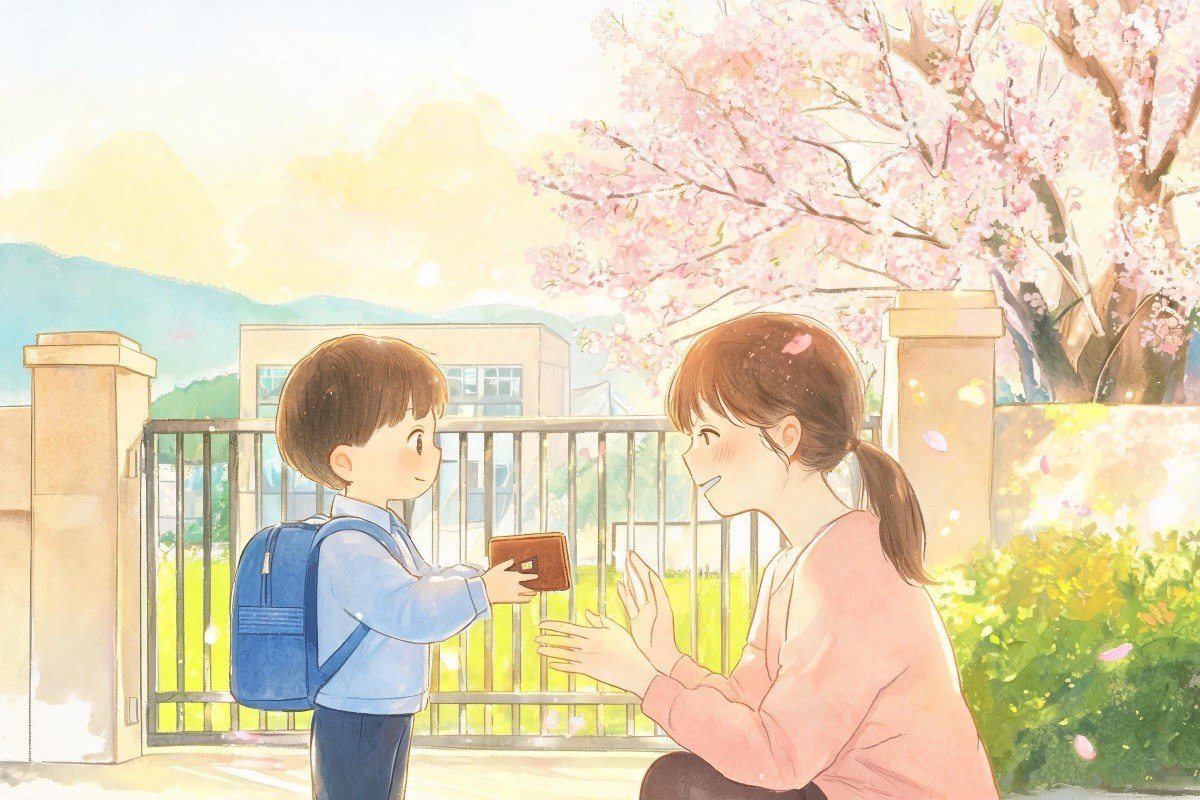
结果段跳到六年级毕业那天。我整理笔袋,一支淡黄色的铅笔滑出来,胶布都磨毛边了,林小满三个字还认得出。我在校门口堵住她,把铅笔递过去,说这个,还你,晚了三年。她愣了一下,笑了,说我还以为你早忘了。我说是我忘了,但我一直记得欠着。点评这三句对话:递铅笔的动作在前,道歉在后,符合紧张时的真实顺序;她愣一下再笑,反应有层次;最后一句把我一直记得欠着留给读者,不喊守信的口号,意思全到了。
这篇范文有两处可以改得更好。一是经过段中间插了一句那段时间我玩得很开心,与铅笔无关,删掉不影响任何情节,属于多余信息,应该删。二是结果段写我特别激动,心跳得很快,这是直接说情绪。改成手心出汗,铅笔在指间转了两圈才递出去,用动作带出紧张,画面感更强。好范文也不是每句都好,学会挑这两类毛病,比只会夸更有用。
自己写的时候对照这份点评检查:伏笔有没有埋,忘记有没有写成一连串具体事件,结尾对话是不是动作在前、话在后,多余句删没删。四项都对上了,四百字的小故事就站得住。
Model Essay Review: What Makes That Pencil Stayed at the Bottom of the Pouch for Three Years Work
Let us look at an assumed model essay of just over four hundred words, titled That Pencil Stayed at the Bottom of the Pouch for Three Years. The cause paragraph reads like this: in the second term of third grade, my pencil tip snapped again, and Lin Xiaoman in front of me pushed her pale yellow pencil over, saying here, borrow mine. I thanked her and slipped the pencil into my own pouch. A small strip of tape was stuck on the shaft, with the three characters of Lin Xiaoman's name written on it. This paragraph is only sixty-odd words, yet it covers both the borrowing action and the pencil's feature, and the name on the tape is the most important setup in the whole piece.
The middle paragraph writes forgetting through three failed returns. On day one after school, Lin Xiaoman was kept back by the teacher to correct mistakes; I gripped the pencil in my hand, then put it back. On day two during morning reading, I had just taken the pencil out when the duty student called me to wipe the blackboard. On day three I put the pencil into my uniform pocket; the uniform went into the wash over the weekend, and the pencil lay in the pocket for a week. Each failed return has its own reason, each delay longer than the last, so the forgetting cannot be summed up by the word careless but is a chain of coincidences plus procrastination. Forgetting must be written this way, with a believable excuse for every delay.
The ending jumps to graduation day in sixth grade. Tidying my pouch, a pale yellow pencil slides out; the tape is frayed, but the three characters of the name are still readable. I catch Lin Xiaoman at the school gate, hold out the pencil, and say, this is yours, sorry it is three years late. She freezes for a moment, then laughs, and says I thought you had long forgotten. I say I did forget, but I always knew I owed you. Review these three lines of dialogue: the action of offering comes before the apology, matching the real order under nervousness; her freeze-then-laugh reaction has layers; the last line leaves I always knew I owed you to the reader without shouting any slogan about honesty, and the meaning lands completely.
Two places in this model could be better. In the middle paragraph there is a sentence, I had a great time those days, which has nothing to do with the pencil; deleting it affects no plot, so it is redundant and should go. In the ending, I was so excited, my heart beating fast states the emotion directly. Change it to my palms sweated, and the pencil spun twice between my fingers before I held it out, and the nervousness shows through action with a stronger picture. A good essay is not good in every sentence; learning to spot these two kinds of flaws is more useful than only knowing what to praise.
When writing your own version, check against this review: is there a setup, is forgetting written as a chain of concrete events, does the ending dialogue put action before words, and have the redundant sentences been cut. Get all four right, and a four-hundred-word story will stand.
小提示:上面此文档内容仅展示完整文档里的部分内容, 若需要下载完整文档请 点击免费下载完整文档 。