文章内容
没写进教案的一课
教了两年书,我慢慢承认一件事:有些最要紧的成长,不在我的课堂上,在课间十分钟里。那天我就站在走廊上,看孩子们跳皮筋,看了一堂没写进教案的课。
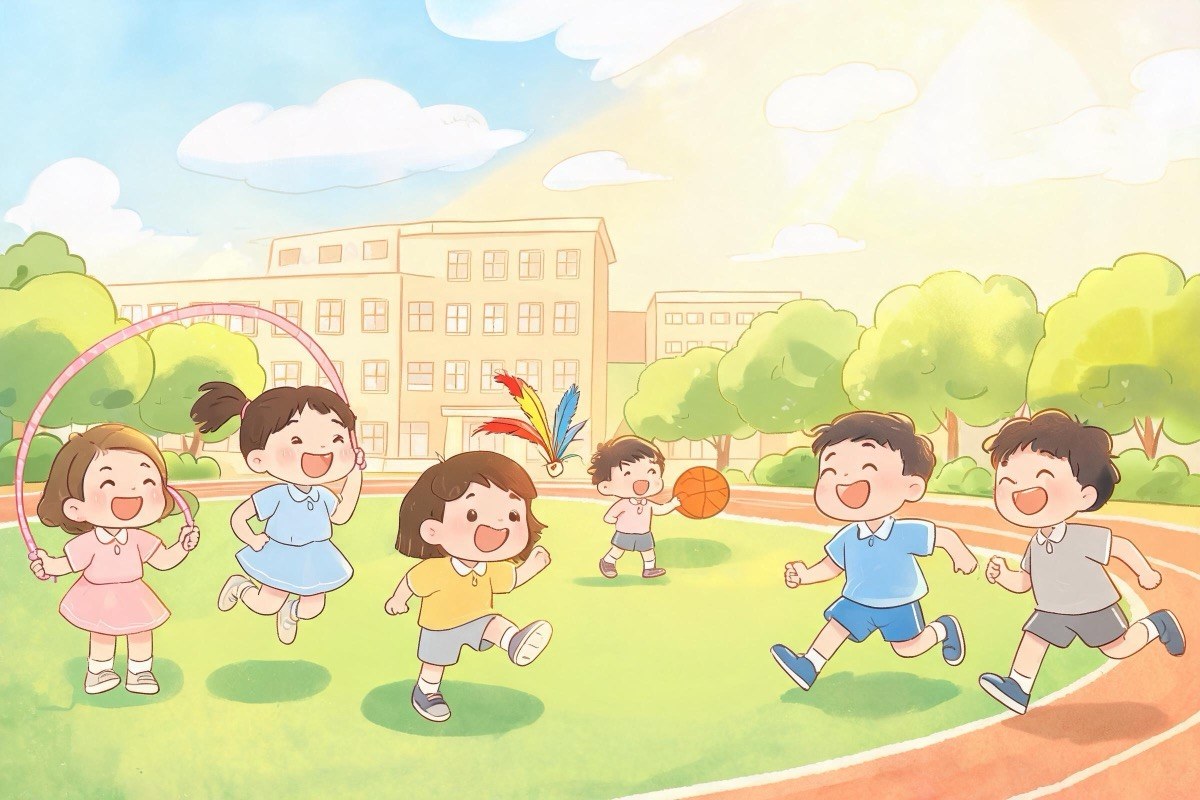
下课铃刚响,四个女生在教室后门拉开皮筋,两头一人一撑,跳的是从小高到大高的关卡。跳到中高,出了岔子:小敏说球球踩线了,球球说没有,两个人脸对脸站住,谁也不让谁。按我的习惯,这种时候该我上去裁决。可我还没迈步,另外两个女孩已经围上去,一个说刚才我看见了,踩了一半,一个说那算过半,重新跳这一关。争执就这么散了,皮筋重新绷起来,球球还冲小敏做了个鬼脸。
我站在原地,忽然有点惭愧。他们不需要裁判,他们需要的是把规则谈拢。谁踩线了不要紧,怎么把游戏继续下去才要紧——这个分寸,我在班会课上讲过一学期,不如她们自己十分钟谈出来的管用。
再往下看,走廊另一头,两个男生在分一块橡皮。掰成两半,大的那半谁拿,两人推让了三个来回,最后用石头剪刀布定了。定完谁也不提刚才的推让,一人攥着半块橡皮回教室。同学之间的交往就是这样练出来的:争,让,猜拳,翻篇。每一步都是课本上没有的。
从那以后,值周时我改了做法。孩子们没有危险,我不插手;有争执,我先等十秒。这十秒里,我见过吵架的孩子自己握手,见过没人愿意组队的高个子被最后一个拉进队伍,见过一年级的孩子摔了,旁边的同学扶他,还替他拍裤子上的灰。老师观察得越多,越明白一件事:课间不是需要看管的十分钟,是需要退后的十分钟。
有家长问我,课间玩这些,对学习有什么用。我想了很久,认真回答:那天跳皮筋的四个女孩,后来小组合作做课题,她们是最快分工、最快和解的一组。规则自己谈过,让步自己试过,赢了不骄傲、输了不记仇,这些长在孩子身上,谁也拿不走。
教育意义不在铃声响着的那四十分钟里独占。下课铃一响,孩子们自己上课,上的课叫长大。我这个老师能做的,是站在走廊这头,看着,忍住,把讲台让给他们一会儿。
The Lesson That Never Made It into the Plan
After two years of teaching I slowly admitted something: the most important growth does not happen in my classroom but in the ten-minute break. That day I stood on the corridor watching girls jump the elastic rope, and I watched a lesson that never made it into my lesson plan.
The break bell had just rung. Four girls stretched the elastic rope at the back door of the classroom, one holding each end, jumping the levels from low to high. At the middle level, trouble started. Xiaomin said Qiuqiu stepped on the line; Qiuqiu said she did not. The two stood face to face, neither giving way. By habit I should have gone up to judge. But before I took a step, the other two girls were already in the middle. One said she saw it, the foot pressed half on the line. The other said that counts as half over, redo this level. The quarrel dissolved like that, the rope was stretched again, and Qiuqiu even pulled a face at Xiaomin.
I stood there feeling a little ashamed. They did not need a referee; they needed to talk the rules straight. Whether the foot crossed the line was not the point; keeping the game going was. I had lectured about this balance for a whole term in class meetings, and it worked less than ten minutes of their own negotiation.
Looking the other way down the corridor, two boys were splitting a piece of eraser. They broke it in half, and over three rounds of pushing the bigger half to each other, they settled it with rock paper scissors. Once settled, neither mentioned the earlier pushing. Each walked back to class holding half the eraser. Friendship among classmates is trained exactly this way: argue, yield, guess, turn the page. Every step is missing from the textbook.
After that day I changed my way of doing duty. If the children are not in danger, I do not step in. If there is a quarrel, I wait ten seconds first. In those ten seconds I have seen quarreling children shake hands themselves, seen the tall boy nobody wanted pulled in last by a teammate, seen a first grader fall and a classmate help him up and dust off his trousers. The more a teacher observes, the clearer one thing becomes: the break is not ten minutes to be guarded but ten minutes to step back from.
A parent once asked me, what is the use of playing all this for studying. I thought a long time and answered seriously: the four girls who jumped the rope that day, when they later did a group project, were the fastest group at dividing work and at making up. Rules they had negotiated themselves, compromises they had tried themselves, no pride in winning and no grudge in losing, these grow on the children and no one can take them away.
The meaning of education does not belong only to the forty minutes when the bell keeps class in session. When the break bell rings, the children start their own class, and the subject is growing up. What I as a teacher can do is stand at this end of the corridor, watch, hold back, and hand the podium over to them for a while.
二十年值周笔记
整理办公室,翻出一摞值周笔记,最早的纸都黄了。二十多年的课间十分钟,都记在这些本子上。我一页页翻,像翻一部没发表过的校史。
早几年的本子上,记的多是名字。谁追跑,谁大声喊,谁在楼道里推人。那会儿我认定课间就该管严些,铃一响我就在走廊上来回走,脸绷得紧。有一年冬天,一个男生在雪地里打雪仗,棉袄湿透,我记了他名字。他在名字旁边用小字写:老师,雪是干净的。我盯着那行字看了很久,第一次怀疑自己记的不是过错,是快乐。
后来的本子,记的东西变了。我记游戏。丢沙包的规矩一代一变:我们那时候砸中了算下场,现在的孩子自己改良,砸中了可以救一个同伴回来,规则越玩越聪明。跳房子从粉笔画升级成贴纸,翻花绳的花样我照着学生的示范学,学得笨手笨脚。丢沙包练的是躲闪和配合,跳房子练的是平衡和数数,翻花绳练的是手指和耐心——这些我从前当它们是疯玩,如今一条条看过去,哪一样不是在练本事。
记得最多的一段,是同学交往。有个转学生头一个月没人带他玩,我在笔记上写了他蹲在单杠下的样子。第二个月,我记的是他当了守门员。中间发生了什么我不知道,是孩子们自己办成的。还有一对同桌,为了一支笔冷战三天,第四天课间我看见两人共用一支笔写东西,头挨着头。我在本子边上写了四个字:不必插手。这四个字,是我教学生涯里最贵的四个字。
年轻老师常问我,课间到底该管到什么份上。我把笔记给他们翻。管危险,不管成长;管安全线,不碰他们自己修规矩、自己修关系的那双手。二十年下来,我越来越信:孩子之间的争执与和好,游戏里的输与赢,是课本给不了的课。课间十分钟,是他们练习做大人的地方。
上课铃响过,走廊空了。我把这摞笔记装箱,箱子上贴了张纸条:留给下一位值周的老师。愿她记名字少一点,记发现多一点。
Twenty Years of Break Duty Notes
While tidying the office I found a stack of break duty notebooks, the earliest pages gone yellow. More than twenty years of ten-minute breaks are recorded in these books. I turned the pages one by one, like leafing through an unpublished school history.
In the older notebooks most entries were names. Who chased, who shouted, who pushed in the stairwell. Back then I believed the break should be strictly managed. When the bell rang I paced the corridor with a stiff face. One winter a boy had a snowball fight and his padded jacket soaked through, and I wrote down his name. Beside the name he added a line in small letters: teacher, the snow was clean. I stared at that line for a long time and doubted for the first time that what I recorded was not a fault but a joy.
In later notebooks what I recorded changed. I recorded games. The rules of dodgeball changed with every generation. In our day a hit meant leaving the game; today the children improved it, a hit player can bring a teammate back. The rules grow cleverer the more they are played. Hopscotch upgraded from chalk to stickers. I learned the cat s cradle patterns by watching my students demonstrate, clumsy as can be. Dodgeball trains dodging and teamwork, hopscotch trains balance and counting, cat s cradle trains fingers and patience. I used to call all of it wild play. Reading the entries now, not one of them fails to be real training.
The longest passages are about friendship. A transfer student had no one to play with in his first month, and I wrote down how he squatted under the horizontal bar. In the second month my entry said he became the goalkeeper. What happened in between I never knew. The children arranged it themselves. Another pair of deskmates gave each other the cold shoulder for three days over one pen. On the fourth day during the break I saw them sharing that pen, heads together over one sheet. In the margin I wrote four words: no need to intervene. Those four words are the dearest four of my teaching career.
Young teachers often ask me how far the break should be managed. I let them leaf through the notebooks. Guard danger, not growth. Guard the safety line, and do not touch the hands that mend their own rules and mend their own friendships. After twenty years I believe more and more: quarrels and reconciliations among children, wins and losses inside games, are lessons the textbook cannot give. The ten-minute break is where they practice being grown-ups.
When the class bell finished and the corridor emptied, I packed the notebooks into a box and stuck a note on it: for the next teacher on duty. May she write down fewer names and more discoveries.
小提示:上面此文档内容仅展示完整文档里的部分内容, 若需要下载完整文档请 点击免费下载完整文档 。