文章内容
校门口等孩子的那十分钟
那天我提前半小时到校门外接孩子,正好赶上课间。我站在马路对面的梧桐树下,本来在回工作消息,后来干脆把手机收起来了——我看孩子们玩了整整十分钟。
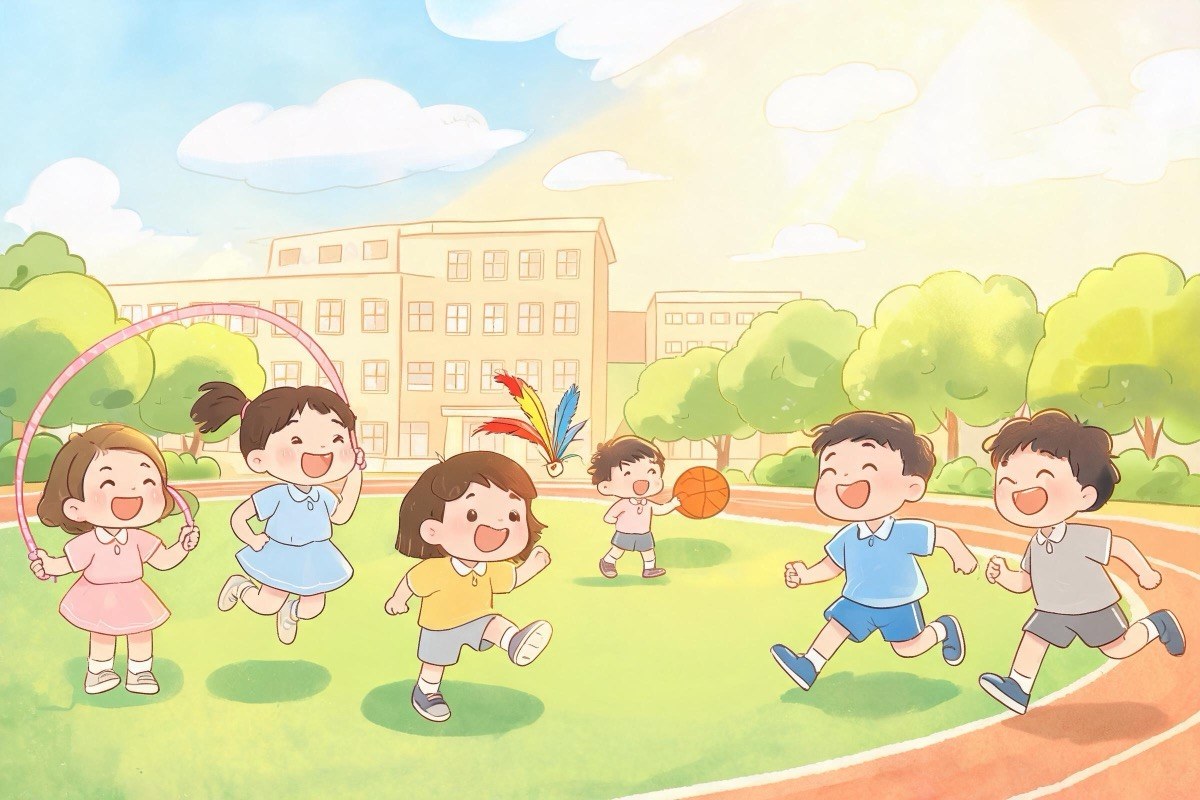
校门开着,值周老师站在门边。操场在教学楼后面看不见,但声音是全须全影地传出来的:尖叫、大笑、拍球的砰砰声,还有一声拉长的哨子。能看见的是从侧门跑出来打水的一队孩子,一个接一个,像一串珠子滚过水泥地。跑在最前面的那个,胳膊甩得几乎够不着地。
我想起我们那时候的课间。教室前的空地上,女生跳皮筋,男生打弹珠,趴在地上瞄,膝盖顶着土也不管。上课铃一响,所有人往教室冲,在门口挤成一团,气喘吁吁地坐下,老师还没来,全班的心跳声嗡嗡的。那时候十分钟真长,长得能跳完从低高到大高的全套皮筋,能打完三局弹珠,还能顺路去小卖部买一根冰棍。
我现在的一天里没有十分钟是空的。等电梯的十分钟在回消息,通勤的四十分钟在听会议录音,连晚上散步,脑子里都在排明天的事。我们大人把每一段时间都装得满满的,却好像再没有哪一刻,像趴在地上瞄弹珠那样,眼里只剩一颗弹珠。
侧门那串珠子又滚回来了,打水的桶晃出水。有个孩子摔了一下,爬起来接着跑,谁也没把这事当回事。我忽然特别羡慕他们。不是羡慕他们不用上班,是羡慕他们能那样完整地玩——玩的时候不想别的,摔了不记仇,铃一响就收心,说停就停,说下一局就开始。
孩子出来,书包往我手里一塞,第一句话是:爸,今天刘子昂打球耍赖。我问他后来呢。他说后来我们让他当裁判了,他当得可认真了。他说这话的时候一脸平静,像在处理一桩正经公务。我笑了。他们的世界有他们自己的规矩,他们的快乐有他们自己的分量。
回家的路上我跟他说,你们课间真好玩。他说那当然。我沉默了一会儿,说,爸小时候也那样。他斜眼看我:那你怎么不玩了?我答不上来。晚饭桌上我想了很久,答案大概是:不是不玩了,是忘了还能玩。
我也想做回课间的小孩。不为别的,就为那十分钟里,眼里只有一颗弹珠的自己。
Ten Minutes at the School Gate
That day I arrived at the school gate half an hour early to pick up my son, just in time for the break. I stood under the plane tree across the road, answering work messages at first, and then I simply put the phone away. I watched the children play for a full ten minutes.
The school gate stood open with the teacher on duty beside it. The playground hid behind the teaching building, but its sounds came out whole: screams, big laughs, the thump of a ball, and one long whistle. What I could see was a line of children running out of the side door to fetch water, one after another, like a string of beads rolling over the cement. The one in front swung his arms so wide they nearly missed the ground.
I thought of the breaks in my own childhood. In the open space in front of our classroom, girls jumped the elastic rope and boys played marbles, lying prone on the ground to aim, knees pressed into the dirt without a care. When the class bell rang everyone charged at the classroom door, jammed together, sat down gasping, and with the teacher not yet arrived the whole class hummed with heartbeats. Ten minutes then were truly long, long enough to finish the whole elastic rope course from low to high, to play three rounds of marbles, and still stop by the shop for a popsicle.
In my day now not a single ten minutes is empty. Ten minutes waiting for the elevator go into answering messages, forty minutes of commuting go into listening to a meeting recording, and even on an evening walk my mind is arranging tomorrow. We adults pack every stretch of time full, yet it seems there is no moment left when our eyes hold only one marble, the way they did when we lay prone aiming.
The string of beads rolled back through the side door, the water buckets sloshing. One child fell, got up, and kept running, and nobody made a fuss about it. I envied them suddenly, deeply. Not because they did not have to work, but because they could play so completely. While playing they thought of nothing else, they held no grudge after a fall, they refocused the moment the bell rang, they stopped when told to stop and started the next round the moment it began.
My son came out, shoved his schoolbag into my hands, and his first words were: Dad, Liu Zianga cheated at ball today. I asked what happened after. He said we made him the referee, and he took it very seriously. He said this with a calm face, like handling an official matter. I smiled. Their world has its own rules, and their joy has its own weight.
On the way home I told him your breaks look like so much fun. He said of course. I was quiet for a while, then said, Dad was like that too when he was small. He glanced sideways at me: then why do not you play now? I had no answer. At the dinner table I thought about it for a long time, and the answer is probably this: it is not that I stopped playing, it is that I forgot playing was still possible.
I would like to be a child again during the break. For nothing else, just for the self whose eyes held only one marble in those ten minutes.
办公室窗前的走神
周三下午没课,我在办公室批作业。窗开着,楼下是操场,正好赶上三到六年级的课间。我批着批着走了神,笔停在半空,听他们闹。
声音一层一层的。最底下一层是拍球,砰砰砰,砸得地面发颤;中间一层是跳绳甩绳的啪声和数数的声音,一、二、三,数到七十八突然断了,全组一起唉声;最上面一层是尖叫,不知道谁喊的,喊什么没人知道,反正喊完就笑。我搁下红笔,看了整整十分钟。办公桌上堆着没批完的练习册,窗外是另一个世界。
我小时候的课间,是在外婆家那条巷子里过的。下课铃一响,书包往门后一扔,人就出去了。跳房子是粉笔画的,房子从巷头画到巷尾,跳完一轮再倒着跳回来。弹玻璃珠要趴在地上,一只眼闭一只眼瞄,赢了把珠子攥在手心,赢来的珠子晚上睡觉都放在枕头边。那时候十分钟不够用,十分钟里要跳房子、要弹珠、还要分完一把山楂片,上课铃响总是扫兴的,像有人硬把一本好看的书合上。
现在我的十分钟是另一回事。课间十分钟里,我要接一个家长电话,回两条工作消息,顺便把下节课的课件点开。我的课间是上课和上课之间的缝,用来赶下一场。我上一次完整地玩一样东西是什么时候?想不起来了。手机里装了运动软件,跑步要计里程,跳绳要数个数,玩都玩得像在交作业。
楼下那组跳绳的孩子重新甩起来,数到八十九的时候又断了,这回没人唉声,全组笑成一团,说断了也好玩。我听着,忽然鼻子有点酸。我们大人把快乐做成了指标,他们把失败玩成了游戏。这就是长大丢掉的东西。
上课铃响,操场一层层安静下去。我回过神,红笔的笔尖在作业本上按出一个墨点。那本作业我批得格外慢,因为写得认真,末尾我写了一句:今天课间玩得开心吗?写完自己先笑了——这算什么批语。
第二天课间,我站在窗前没批作业,就听他们闹了十分钟。第三天也是。办公室的人问我最近怎么不赶进度了。我说,我在补课,补一节我小时候上完、长大以后逃掉的课。课的名字叫玩。
A Daydream at the Office Window
On Wednesday afternoon I had no class and graded homework in the office. The window stood open, the playground lay below, and it happened to be the break for grades three through six. I drifted away from my marking, pen frozen in midair, listening to them make a racket.
The sounds came in layers. The lowest layer was dribbling, thump thump thump, shaking the ground. The middle layer was the slap of skipping ropes and the counting voices, one, two, three, breaking off suddenly at seventy-eight, and the whole group groaning together. The top layer was screaming, nobody knew who started it or what it was about, and after the scream came the laughter. I put down the red pen and watched for a full ten minutes. Unfinished workbooks piled on the desk, and outside the window was another world.
The breaks of my childhood were spent in the lane outside my grandmother house. When the class bell rang, the schoolbag went behind the door and I was out. Hopscotch was drawn in chalk, the house running from one end of the lane to the other, and after jumping it once you jumped it back in reverse. Marbles meant lying prone, one eye shut, one eye aiming. The winner gripped the captured marble in his palm and slept with it beside the pillow. Ten minutes then were never enough. In ten minutes you had to hop, play marbles, and finish sharing a handful of hawthorn slices. The class bell was always a spoiler, like someone forcing a good book shut.
Now my ten minutes are a different affair. In them I take a parent call, answer two work messages, and open the slides for the next class on the way. My break is the seam between one class and the next, used for hurrying to the next round. When was the last time I played something all the way through? I cannot recall. My phone has fitness apps. Running counts kilometers, jumping rope counts numbers, and even play feels like handing in homework.
Downstairs the skipping group started again, and this time they broke at eighty-nine. Nobody groaned. The whole group collapsed into laughter, saying breaking off is fun too. Listening, my nose stung a little. We adults turned joy into a metric; they turn failure into a game. That is what growing up throws away.
The class bell rang and the playground quieted layer by layer. I came back to myself to find the red pen tip pressing an ink dot into the workbook. I marked that workbook unusually slowly, because it was written earnestly, and at the end I wrote one line: did you have fun during the break today? Then I laughed at myself first. What kind of comment is that.
The next day during the break I stood at the window without marking and just listened to them for ten minutes. So the day after. People in the office asked why I stopped rushing the syllabus. I said I am making up a class, one I finished as a child and skipped after growing up. The class is called play.
小提示:上面此文档内容仅展示完整文档里的部分内容, 若需要下载完整文档请 点击免费下载完整文档 。