文章内容
三步写好雨中同学同行:从下雨到道别
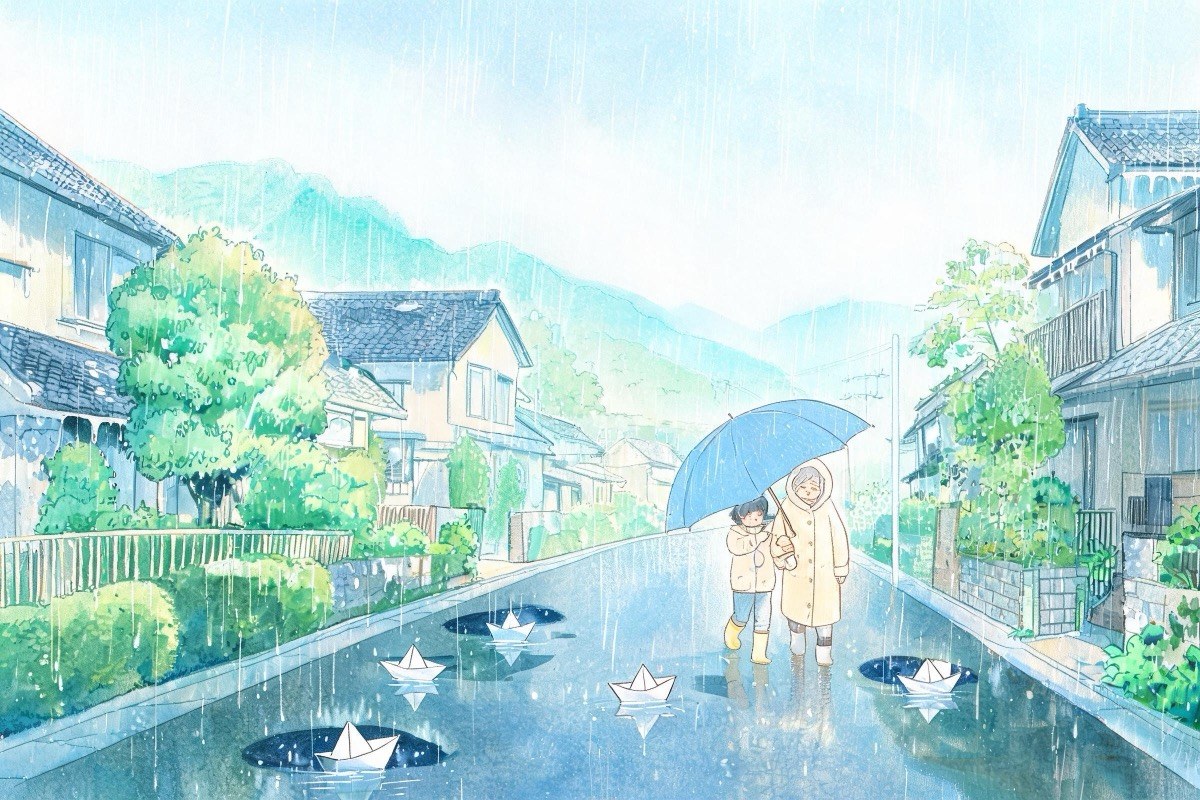
写雨中和同学一起回家,题目给了三个素材:突然下雨、挤一把伞、到家道别。把它们当成三步,一步写一段,每段都有一个新动作,文章就不会流水账。
第一步,突然下雨,写乱。别写天空乌云密布,写教室里发生的动静:第二节课下课还出着太阳,放学时窗户突然变暗,雨点砸在雨棚上像倒一盆珠子。没带伞的同学趴在窗边喊惨了,有人把书包顶在头上冲出去,有人给妈妈打电话,电话那头信号都是水声。你自己站在走廊,捏着没带伞这件事,心想要是同桌借我一半就好了。这个念头就是下文的路标。
第二步,挤一把伞,写动作和对话。同桌把伞举过来,只说三个字:一起走。伞小,两个人肩膀挨着肩膀走。动作要拆开写:她把伞往我这边挪,我推回去;她左肩淋湿了,我把书包举起来挡在她头上,她笑我书包是漏的。对话要短,一句接一句:你肩膀湿了。没事,我家近。骗人,你家比我家远。这种拌嘴才是同学,写出来比写我们友谊真深有用一百倍。
第三步,到家道别,写回味。到她家门口,她半边身子都是湿的,冲我摆手说明天见,转身跑进楼道。你站在自家门口,发现伞柄还是温的,那是别人手心捂过的温度。结尾点回忆的意义,不用喊友情珍贵,写现在就行:现在我和同桌换了班级,再没一起撑过伞。可每个下雨天,我都会先看一眼窗边的空走廊,想起那把挤来挤去的小蓝伞。
素材可换:同桌换成刚转来的同学,小蓝伞换成一件大雨衣,两个人变成三个人挤一件雨衣更有趣。方法不变:一步一段,一段一个新动作,对话短,结尾轻。
Three Steps to Write Walking Home with a Classmate in the Rain: From the Downpour to the Goodbye
When writing about walking home with a classmate in the rain, the title gives you three materials: sudden rain, squeezing under one umbrella, and saying goodbye at home. Treat them as three steps, one paragraph per step, each paragraph with one new action, and the essay will not turn into a running list.
Step one, the sudden rain: write the chaos. Do not write dark clouds filling the sky; write the commotion inside the classroom. The sun was still out after second period, but at dismissal the windows suddenly went dark, and raindrops hammered the awning like someone pouring down a basin of beads. Classmates without umbrellas pressed against the window groaning, some ran out with schoolbags over their heads, some called their moms, and the phone lines sounded full of water. You stand in the corridor, gripping the fact that you forgot your umbrella, thinking: if only my deskmate would share half of hers. That wish is the signpost for what follows.
Step two, squeezing under one umbrella: write actions and dialogue. Your deskmate lifts the umbrella over and says only three words: let's walk. The umbrella is small, and the two of you walk shoulder to shoulder. Break the actions down: she moves the umbrella toward me, I push it back; her left shoulder gets wet, so I raise my schoolbag over her head, and she laughs that my bag leaks. Keep the dialogue short, one line answering the next: Your shoulder is wet. It's fine, my home is closer. Liar, your home is farther than mine. This kind of bickering is what classmates really are, and writing it is a hundred times better than writing our friendship is so deep.
Step three, saying goodbye at home: write the aftertaste. At her building's door, half her body is soaked; she waves and says see you tomorrow, then runs into the stairwell. You stand at your own door and notice the umbrella handle is still warm, the warmth borrowed from someone else's palm. To end on the meaning of the memory, do not shout that friendship is precious; just write the present: now my deskmate and I are in different classes, and we have never shared an umbrella since. But on every rainy day, I still glance first at the empty corridor by the window and remember that little blue umbrella we squeezed under.
Materials can swap: the deskmate can be a newly transferred classmate, the blue umbrella can be one big raincoat, and three people squeezing into one raincoat is even funnier. The method stays: one step per paragraph, one new action per paragraph, short dialogue, light ending.
同学作文里的三个通病:对照着改
班里写雨中回家这篇作文,收上来读一遍,毛病集中在三处。把原句和改后的句子放在一起,你自己就能当小老师。
通病一:天气写了一大段,人没出场。原句是这样开头的:天空布满了乌云,不一会儿就下起了倾盆大雨,雨哗哗地下个不停。三句话里没有一个同学。改法是把镜头搬回教室:下课铃刚响,前排的小杨突然喊了一声坏了,他妈没带伞。全班呼啦一下全趴到窗户上。雨还是那场雨,但镜头里有人了,读者才进得来。检查办法很简单:数一数开头三句里有几个人名或称呼,一个都没有就重写。
通病二:对话全是客气话,像小大人。原句:同学把伞递给我说,你先撑吧,我没事。我连忙推让说,还是你撑吧,你衣服都湿了。两个人都这么说话,反而假。三年级的同学不会这样讲话。改成动作加短句:他把伞往我头上一扣,自己半个脑袋露在外面。我说你脑袋湿了。他说没事,我头发少。全班读到这句都笑了。真话带点调皮,才是同学之间。
通病三:结尾突然喊口号。前面写得好好的,最后一句突然变成:啊,多么珍贵的友谊啊!我永远不会忘记这一天。感叹号一出来,文章就泄了气。改法是收在一个小东西上:第二天他的伞柄上贴了一小块创可贴,是他妈妈给缠的,因为昨天伞骨戳到了他的手。谁也没提昨天,但你知道那天晚上两人都想起了。结尾轻,回味才重。
还有一处小毛病容易漏:全文翻来覆去只有他和我在说话,读着像独角戏。把一半的他换成名字或者外号,再塞一句旁边同学的插话,人物一下就站开了。
这三个通病合起来是一句话:写天气不如写人,写客气不如写调皮,写口号不如写一个小东西。下次自己写完,拿这三条对照检查,改一处是一处。
Three Common Flaws in Classmates' Essays: Fix Them by Comparison
Our whole class wrote the essay about walking home in the rain. Reading through them, the flaws cluster in three places. Put the original sentences next to the fixed ones, and you can be your own teacher.
Flaw one: a whole paragraph of weather, and no person on stage. An original opening goes like this: The sky filled with dark clouds, and soon torrential rain poured down, hissing on and on. Not one classmate appears in those three sentences. The fix is to move the camera back into the classroom: The dismissal bell had just rung when Xiao Yang in the front row suddenly shouted, Oh no, my mom forgot my umbrella. The whole class swarmed to the windows in one rush. It is still the same rain, but now there are people in the frame, and readers can step inside. The check is simple: count how many names or forms of address appear in the first three sentences, and rewrite if there are none.
Flaw two: all the dialogue is polite talk, like little adults. Original: My classmate handed me the umbrella and said, You hold it first, I am fine. I hurriedly pushed it back, saying, You hold it instead, your clothes are already wet. When both talk like that, it rings false. Third-graders do not speak this way. Fix it with action plus short lines: He dropped the umbrella over my head while half his own head stayed outside. I said, Your head is wet. He said, It is nothing, I have less hair. The whole class laughed at that line. True words with a bit of mischief are what classmates sound like.
Flaw three: the ending suddenly shouts a slogan. Everything was going well, then the last sentence turns into: Ah, what precious friendship! I will never forget this day. Once the exclamation mark appears, the essay deflates. The fix is to land on a small object: The next day there was a bandage on his umbrella handle, put there by his mother, because the umbrella rib had scratched his hand yesterday. Nobody mentioned yesterday, yet you know both of them remembered that evening. A light ending carries the heaviest aftertaste.
Put the three flaws into one sentence: writing weather is weaker than writing people, politeness is weaker than mischief, and slogans are weaker than one small object. Next time you finish a draft, check it against these three rules; each fix counts.
小提示:上面此文档内容仅展示完整文档里的部分内容, 若需要下载完整文档请 点击免费下载完整文档 。