文章内容
二八杠与坡底的人
家里那辆旧单车是二八杠,黑色的,横梁又高又粗,骑上去得从底下掏腿过去。爸爸那代人一人一辆,凤凰或者永久,车铃一按,整栋宿舍楼都听得见。
我上小学四年级那年,个子刚够到车座。掏腿过去的时候,裤脚得先掖进袜子,不然卷进链条,一截布就绞烂了。这是学车前就学会的事。
学车是在家属院的坡道上。爸爸不扶,只站在坡底。他说这车沉,摔不坏,摔了也疼得慢。他让我从坡上往下溜,不用蹬,顺着坡把车把稳住就行。
头几回,车把跟着一边倒,我抱着车坐在坡上,人车叠在一起,谁也不重,就是起不来。爸爸在坡底下不动,喊,先下车,把车扶正,再掏腿。每次都这一套。
溜到第十几回,我能在坡上直着下来了。爸爸又说,那蹬两下试试。下坡的风托着车,我蹬了两下,链条哗啦一响,那个响法跟现在变速车不一样,是铁的、整的、实心的响。
学会那天我没告诉任何人,自己绕着家属院骑了一圈。二八杠压过减速带,车把震得手心发麻。路过传达室,看门的老李头说,哟,会骑了。我装没听见,蹬得更快,耳朵却支棱着。
那辆车后来又骑了很多年。后座带过我姐,前梁带过我妈赶集买的白菜,车筐里装过蜂窝煤。链条上过无数次油,焊过两次后叉,焊点鼓起来,像两块疤。
我上高中那年搬了家,新家有车棚,旧单车立在最里头。新自行车一辆一辆买,二八杠就一年一年靠墙。毕业工作以后回去看过它两回,它还在,轮胎瘪着,辐条断了两根。
前年爸爸打电话说,老李头没了,传达室拆了,那辆二八杠也让收废品的蹬走了,八斤铁,按斤称的。他说这话的时候在笑,笑完停了一会儿,说,你小时候就骑它。
我也停了一会儿。我想起的不是学会那天的风,是坡底下那个不动的人。他站在坡底,看我摔了十几回,一次也没上来扶,一次也没喊错那三句话:先下车,把车扶正,再掏腿。
如今街上全是轻的、小的、能折叠的车,谁也不用掏腿了。可我这辈子骑过的最沉的一辆车,压过减速带会震到手心,链条响得像一整块铁在唱歌。它按斤称出去的那天,我爸在电话里沉默的那一会儿,比那辆车的链条声还响。
The Twenty-Eight-Inch Bicycle and the Man at the Bottom of the Slope
The old bicycle at home was a twenty-eight-inch model for men: black, with a crossbar so high and thick that you had to swing your leg under it to get on. Every man in the generation of my father owned one — Phoenix or Forever brand — and one press of the bell could be heard through the whole dormitory building.
The year I entered fourth grade, my height barely reached the seat. When swinging under the bar, you had to tuck your trouser cuffs into your socks first, or they would catch in the chain and a strip of cloth would be shredded to rags. That was a lesson learned even before learning to ride.
I learned on the slope inside the family compound. My father did not hold the bicycle; he only stood at the bottom of the slope. He said this bicycle is heavy, it will not crush you, and when it falls it hurts slowly. He told me to coast down from the top without pedaling, just keeping the handlebar steady with the slope running under me.
For the first several tries the handlebar tipped to one side, and I sat on the slope hugging the bicycle, man and machine piled together, neither one heavy, just impossible to get up from. My father stayed put at the bottom and called out: get off first, straighten the bicycle, then swing your leg under again. The same sequence every time.
Around the fifteenth coast, I came down the slope straight. My father said, now try pedaling twice. The downhill wind carried the bicycle; I pedaled twice, and the chain roared once. That sound was nothing like a modern geared bicycle — it was the sound of iron, whole and solid.
The day I finally learned, I told no one. I rode one lap around the compound by myself. The twenty-eight-inch tires thumped over the speed bump, and the handlebar jolted my palms numb. Passing the gatehouse, Old Li the caretaker said, oh, you can ride now. I pretended not to hear and pedaled faster, but my ears stood wide open.
That bicycle was ridden for many years after. The rear seat carried my sister; the top tube carried the cabbage my mother bought at the market; the front basket carried honeycomb briquettes. Its chain was oiled countless times, and its rear forks were welded twice, the welds bulging like two scars.
The year I entered high school we moved, and the new place had a shed where the old bicycle stood at the very back. New bicycles were bought one after another, and the twenty-eight-inch model leaned further against the wall each year. After graduation and work I visited it twice; it was still there, tires flat, two spokes broken.
The year before last my father phoned to say that Old Li had died, the gatehouse had been demolished, and the old twenty-eight-inch bicycle had been taken away by the scrap collector — eight jin of iron, sold by weight. He was laughing as he said it, then paused after the laugh and said: you rode that bicycle when you were little.
I paused too. What came back to me was not the wind of the day I learned, but the man who stood still at the bottom of the slope. He stood there and watched me fall a dozen times, never once coming up to hold the bicycle, never once getting those three instructions wrong: get off first, straighten the bicycle, then swing your leg under.
Now the streets are full of bicycles that are light, small, foldable, and nobody swings under a crossbar anymore. But the heaviest bicycle I ever rode thumped my palms numb over speed bumps, and its chain rang like a single slab of iron singing. The day it was sold by weight, the pause my father made on the phone was louder than that chain.
旧货市场里的焊疤
旧货市场在河坝后面,礼拜天清早开集,摆到晌午就散。摊位挨着摊位,卖收音机的、卖暖水瓶的、卖一捆一捆旧电线按斤拆铜的。我在最里头那排看见一辆老式单车,黑漆掉了大半,露出底下的铁锈色,后轮上方焊过两块铁片,焊点鼓着,像两块疤。
摊主是个瘦老头,坐在小马扎上抽烟。我蹲下去看那焊口,手艺很老,铁片裁得方方正正,四角都磨圆了再焊上去。老头说,这车收来十几年了,没人要,链条还是原厂的,沉是沉,骑不坏。
我认得这种焊法。我们家属院门口修车的孙师傅就这么补后叉:先找一块废内胎皮垫着,铁片四角磨圆,焊完拿锉刀把鼓包锉平一半,留一半,他说留着是记号,下次哪儿再裂,一看就知道是他补过的地方。
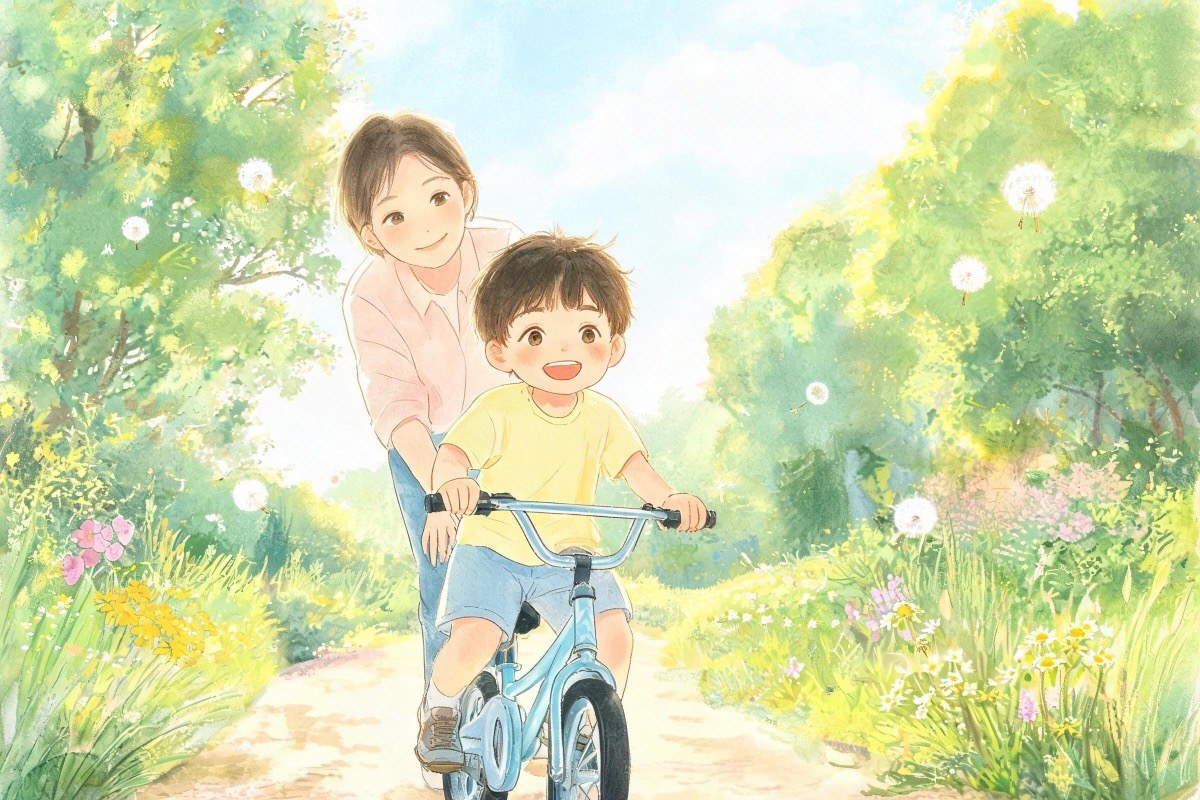
我小时候那辆学车用的车,就是孙师傅给补过后叉的。那是舅舅借来的一辆旧车,车座最高也压不到我的腰。学车就在河坝底下的空地上,河风把沙子一层一层推着走。舅舅扶着后座跑,跑得比他年纪该有的样子快。
有一回我听见后头没脚步声了,回头一看,他站在十几步开外,两只手插在腰上。我那一慌,车一歪,膝盖磕在沙地上,破了。我没哭,爬起来把车扶正。舅舅也不扶,只说,再来,眼睛看河对岸,别看脚底下。
就是在河坝底下学会的。学会那个傍晚,我骑得不快,链子哗啦哗啦地响,舅舅跟在后面走,一路没说话,回家路上他一直笑,笑到进院门才收住。那辆车后来生了锈,舅舅把它卖了,说是卖给收旧货的。
十几年过去,河坝还在,坝底下的空地划了停车位。孙师傅的修车摊早没了,听说回了老家。我站在摊前问那辆车多少钱。老头伸出一根指头,又补一句,不便宜,沉。我说,沉的好,沉的压得住道。
老头把车立起来递给我。我跨上去在市场的土路上试了两圈,车把沉,刹车也沉,捏下去整辆车都跟着慢下来,不像现在的车,一捏就停,停得冒失。骑旧车得像哄着一个脾气老的人,你得慢慢来,他才肯走。
我到底没买那辆车。我蹬着它回到摊前,跟老头说,我买它也没地方放。老头说,那你问它做啥。我说不出口:我就是想再看看孙师傅那种焊法,再看一眼,就知道这世上真有过那样补过的东西,也有过那样扶着我跑的人。
如今我出门骑的是轻便车,折叠的,锁都是密码的。可我记得的分量全是沉的:二八杠压过减速带的手心,河坝底下那辆借来的旧车,还有舅舅插着腰站在十几步外的那双手。沉的东西压得住道,人也一样。
The Weld Scars at the Flea Market
The flea market sat behind the river embankment. It opened on Sunday mornings and was cleared away by noon. Stalls pressed against stalls: radios, thermos flasks, bundles of old wire sold by weight for the copper inside. In the back row I saw an old-fashioned bicycle, its black paint flaked off over most of the frame, rust-brown showing through, with two iron patches welded above the rear wheel, the welds bulging like two scars.
The seller was a skinny old man smoking on a small stool. I crouched to look at the welds. The work was of the old school: the iron patches cut square, all four corners rounded before welding. The old man said this bicycle had been collected over a decade ago and nobody wanted it; the chain was still original; heavy, yes, but it would not break.
I recognized this welding style. Master Sun, the repairman at the gate of our family compound, patched rear forks exactly like this: first a scrap of inner tube as a pad, the corners of the iron patch rounded, then after welding he filed half of the bulge flat and left half, he said, as a mark, so that next time something cracked, one glance showed it was his repair.
The bicycle I learned on as a child had its rear fork patched by Master Sun. It was an old bicycle borrowed from my uncle, with the seat raised to its highest and still below my waist. I learned on the open ground under the embankment, where the river wind pushed the sand along in layers. My uncle held the rear seat and ran, faster than a man of his age should.
Once I heard no footsteps behind me, and when I looked back he was standing fifteen paces away with both hands on his hips. In that panic the bicycle tipped and my knee struck the sand and scraped open. I did not cry. I got up and straightened the bicycle. My uncle did not help me up either; he only said: again, keep your eyes on the far bank, not on your feet.
That was where I learned to ride. On the evening I finally managed it, I rode slowly, the chain clattering, and my uncle walked behind me the whole way without a word; he kept smiling all the way home and only stopped smiling when we passed through the courtyard gate. Years later the bicycle rusted through, and my uncle sold it, he said, to the old-collections dealer.
Decades have passed. The embankment is still there, and the open ground beneath it has been painted into parking spaces. the repair stall of Master Sun is long gone; I heard he moved back to his hometown. I stood at the stall and asked the old man how much for the bicycle. He held up one finger, then added: not cheap, it is heavy. I said: heavy is good, heavy holds the road.
The old man stood the bicycle up and handed it to me. I swung over and tested it twice on the dirt lane of the market. The handlebar was heavy, the brakes were heavy; squeeze them and the whole bicycle slowed down along with you, unlike modern bicycles that stop the instant you touch them, stopping so abruptly it feels rude. Riding an old bicycle is like coaxing an old-tempered person: only if you take it slowly will it agree to go.
In the end I did not buy it. I pedaled it back to the stall and told the old man I would have nowhere to keep it. He said: then why ask about it. I could not answer: I only wanted to look once more at the welding style of Master Sun, look once more and know that things patched that way really existed in this world, and so did the people who ran while holding me up.
Nowadays I ride a light folding bicycle with a combination lock. But every weight I remember is heavy: the palms jolted by a twenty-eight-inch tire crossing a speed bump, the borrowed old bicycle under the embankment, and the hands of my uncle standing fifteen paces away with arms crossed. Heavy things hold the road — and so do people.
小提示:上面此文档内容仅展示完整文档里的部分内容, 若需要下载完整文档请 点击免费下载完整文档 。