文章内容
诚信观察日记怎么写:把捡钱包的经过按时间排开
观察日记和平常日记不一样。平常日记写自己做的事,观察日记写你看见别人做的事。写同学捡钱包交还这件事,你的任务是当一台摄像机,把看到的动作、听到的话、对方的表情记录下来,最后再加两句自己的想法。
动笔前先把时间线排出来。几点下课、走到操场哪里、钱包长什么样、谁先发现的、接下来去了哪儿、几点回到教室。排时间线的好处是写的时候不会跳来跳去,读者也不会看糊涂。
第一个场景:操场捡到钱包。重点写两样东西,钱包的样子和捡的人的动作。钱包可以写颜色、新旧、放在哪里:跑道边的红色塑料沿上,压着一个鼓鼓的棕色钱包。动作要放慢:他先蹲下看了看,又站起来四下张望,然后才伸手拿起来。蹲、看、望、拿,四个动词一连,犹豫和小心就都出来了。
第二个场景:寻找失主。这个场景最容易写空,别只写我们去问是谁丢的。写他们具体找了哪几个地方:先跑到体育器材室问有没有人交钱包,再去广播站请老师播通知,最后拿着钱包回到丢的地方等。三个地方一个比一个笨,可是真实,孩子想办法就是这样一个个试的。
第三个场景:失主道谢。失主跑来时的样子先写:一个一年级的小个子,跑得帽子都歪了。再写核对的细节:他说了钱包里有一张公交卡和五十块钱,打开一看果然都在。道谢的话不用多,加一个动作更真:他鞠了个躬,被扶起来的时候耳朵是红的。
观察者的想法放一两句就够,写在结尾:我在旁边看着,本来觉得捡了又还回去有点傻,看到他耳朵红了,又不觉得傻了。想法有转折,日记就有温度。
格式照日记的规矩:第一行日期、星期、天气,正文按时间推进,不用每个场景都加小标题。语言保持四年级的样子,多用短句和对话,少用大词。
写完检查:三个场景全不全,每个场景有没有至少一个动作、一个样子,自己的想法是不是只占一两句。都符合,这篇观察日记就站住了。
How to Write an Honesty Observation Diary: Lay the Wallet Incident Out in Time Order
An observation diary is different from a regular diary. A regular diary writes about what you did; an observation diary writes about what you saw someone else do. For the classmate who found and returned a wallet, your job is to be a camera: record the actions you saw, the words you heard, the looks on their faces, then add a sentence or two of your own thoughts at the end.
Before writing, lay out the timeline: when class ended, which part of the playground, what the wallet looked like, who spotted it first, where they went next, when they got back to class. A timeline keeps the writing from jumping around and keeps the reader from getting lost.
Scene one: finding the wallet on the playground. Focus on two things, the wallet's look and the finder's actions. For the wallet, write its color, its age, where it sat: on the red plastic curb beside the track, a fat brown wallet was lying there. Slow the action down: he crouched to look first, stood up to glance around, then finally reached out and picked it up. Crouch, look, glance, pick - four verbs in a row, and the hesitation and care show themselves.
Scene two: looking for the owner. This scene goes empty most easily. Do not just write 'we asked whose it was'. Write the specific places they tried: first they ran to the equipment room to ask if anyone had turned in a wallet, then to the broadcast station to ask the teacher to make an announcement, and finally they walked back to where it was found and waited. The three places get sillier one by one, but that is real - that is how children actually solve problems, one try at a time.
Scene three: the owner's thanks. Describe how the owner came running: a small first grader, his hat crooked from running. Then the checking detail: he said the wallet held a bus card and fifty yuan, and opening it showed both were there. The words of thanks do not need to be many; one action makes it truer: he bowed, and when someone helped him straighten up, his ears were red.
The observer's own thought should take one sentence, maybe two, at the end: standing nearby, I had thought picking it up and giving it back was a bit silly, but seeing his red ears, I stopped thinking so. A turn in the thought gives the diary warmth.
Keep the diary format: date, weekday and weather on the first line, the text moving forward in time, no subheadings for each scene. Keep the language fourth-grade: short sentences and dialogue, few big words.
When done, check: are all three scenes present, does each have at least one action and one description, and do your own thoughts take only a sentence or two. If all yes, the observation diary stands.
400字诚信观察日记范文:跑道边的棕色钱包
10月14日 星期三 晴。这篇假设的观察日记从下课铃写起:第二节课铃一响,我们涌向操场。林小满跑到跑道边,忽然停住了,弯腰从红色塑料沿上捡起一个棕色钱包。钱包鼓鼓的,边角磨得发白,一看就用了好几年。
这一段好用的地方是停、弯、捡三个动词连着来,中间没有写他在想什么,可是停住那一下已经把犹豫写完了。写别人犹豫,不用写他犹豫了,写他停住就行。
接着写找人:林小满拿着钱包先跑去体育器材室,那里没人交过钱包;他又跑去广播站,老师问了几年级几班的,对着话筒说操场边捡到一个棕色钱包。广播响的时候,我们站在走廊上看,他仰着头等回音的样子像只伸长脖子的鹅。
这个场景里最值钱的是那个比喻。观察日记允许你打自己的比方,像只伸长脖子的鹅,这种句子只有亲眼看过才写得出,比写他焦急地等待着有力多了。找人的三个地点也排得好:器材室、广播站、原地等,一个比一个笨,可顺序没乱。
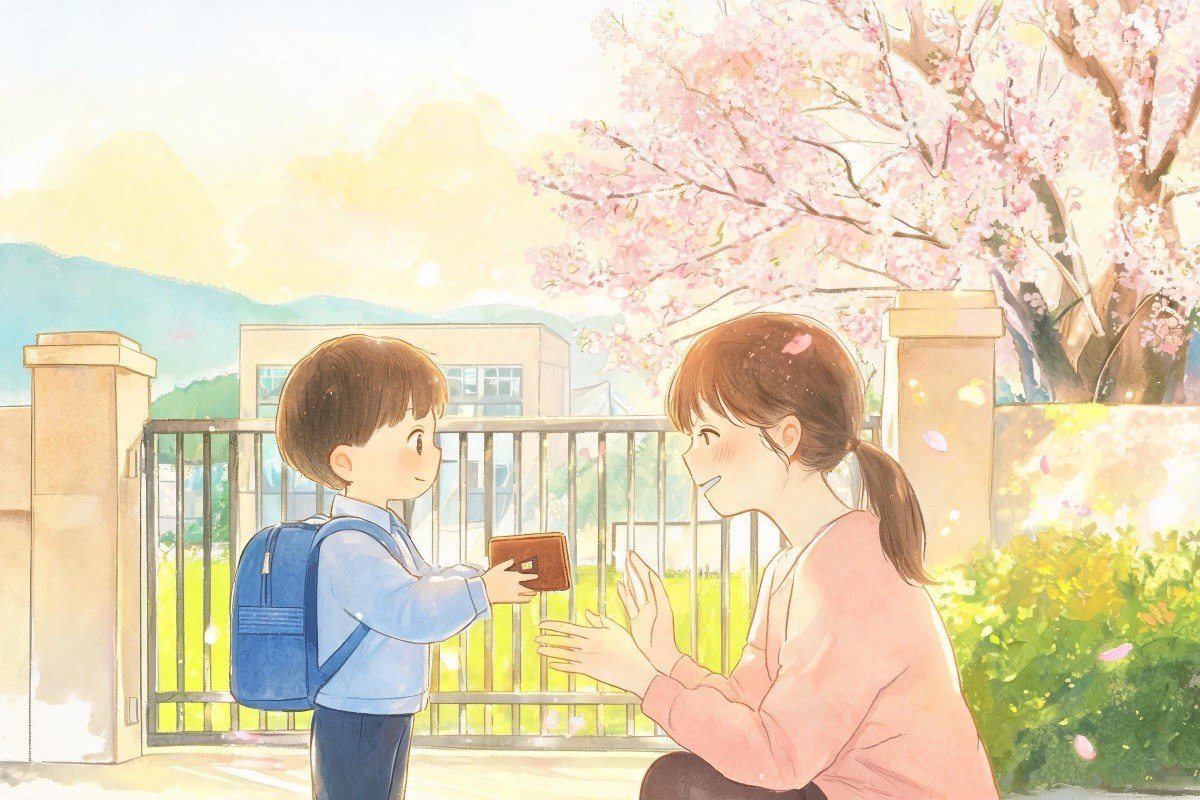
失主是个一年级的小男孩,跑过来时帽子歪在一边。他说了钱包里有公交卡和五十元纸币,林小满当面打开,两张都在。小男孩鞠了一个躬,扶他起来的时候,他耳朵红红的。
核对环节是整篇的诚信核心。写还钱包必须写核对,丢了什么东西的人说得出来、打开验证对得上,归还才成立。少了核对,交还就只是把东西递过去。
结尾写观察者:我把这一切看在眼里。说实话,广播响的时候我还觉得他有点出风头,可看到他红着的耳朵,我把这个念头咽回去了。结尾的好处在咽回去三个字,想法变了,但没有喊我被他感动了这种话。
全文四百字出头,日期天气齐全,时间从下课到放学前一格一格推进。照着这个骨架换一件事,比如捡到饭卡、捡到外套,同样能写成一篇合格的观察日记。
A 400-Word Honesty Observation Diary Sample: The Brown Wallet by the Track
October 14, Wednesday, sunny. This sample observation diary starts with the bell: as soon as the second period ended, we poured onto the playground. Lin Xiaoman ran toward the track, suddenly stopped, and bent down to pick up a brown wallet from the red plastic curb. The wallet was fat, its corners worn pale - clearly used for years.
What works in this paragraph is the chain of three verbs: stopped, bent, picked. Nothing is written about what he was thinking, yet that pause already shows the hesitation. To write someone else's hesitation, do not write 'he hesitated' - write that he stopped.
Next comes the search: Lin Xiaoman carried the wallet to the equipment room first; no wallet had been turned in there. Then he ran to the broadcast station; the teacher asked which grade and class, then spoke into the microphone: a brown wallet was found by the track. When the broadcast went out, we watched from the corridor, and him tilting his head up waiting for an answer looked like a goose stretching its neck.
The most valuable thing in this scene is that simile. An observation diary lets you make your own comparisons. 'Like a goose stretching its neck' is the kind of sentence only an eyewitness can write, and it beats 'he waited anxiously' by a mile. The three search spots are also well ordered: equipment room, broadcast station, waiting on the spot - each sillier than the last, yet never out of order.
The owner was a small first-grade boy, his hat crooked to one side as he came running. He said the wallet held a bus card and a fifty-yuan note; Lin Xiaoman opened it in front of him - both there. The boy bowed, and when someone helped him up, his ears were red.
The checking step is the honesty core of the whole piece. Returning a wallet must include checking: the loser names what was inside, it is opened and verified, and only then does the return hold. Without the check, handing it over is just passing a thing across.
The ending writes the observer: I watched it all. Honestly, when the broadcast went out I still thought he was showing off a little, but seeing his red ears, I swallowed that thought. The ending's strength is in 'swallowed' - the thought changed, without shouting 'I was so moved'.
The text runs just over four hundred words, with date and weather complete, moving slot by slot from the bell to before dismissal. Keep this skeleton and swap in another event - a lost meal card, a forgotten jacket - and you can write an equally solid observation diary.
小提示:上面此文档内容仅展示完整文档里的部分内容, 若需要下载完整文档请 点击免费下载完整文档 。