文章内容
借书不还的教训怎么写:三个场景的分配与写法
四年级写《借书不还的教训》,题目已经把故事定好了:你向同学借了一本书,忘记还,被提醒以后又羞愧又改正。要写好它,不用想得太复杂,把三个场景按顺序写清楚就够了。下面告诉你每个场景写多少字、写什么。
第一个场景:借书约定,大约写八九十到一百二十字。开头两三句交代你向谁借书、借的什么书,重点是把约定写出来。最好用一句对话:「我借你一周,下周五之前一定还。」有了这句话,后面的忘记才成为问题——诚信作文的核心就是「说过的话有没有做到」。别忘了写一句你当时的心理,比如觉得一周很长,满口答应,这为忘记埋下伏笔。
第二个场景:忘记归还,这是全文要重点写的部分,大约写一百五十字到一百八十字。忘记不能只写「我忘了」三个字,要写忘的过程:先写怎么忘的,作业多、值日、想着下周再还,一拖就过了期限;再写被提醒的那一刻,同学说「那本书是不是该还我了」,你心里咯噔一下,脸一下子红了,心跳得很快,手心出汗,嘴上还说「我……我明天一定带来」。心理描写要具体,就是把身体反应写出来:脸红、心跳、不敢看对方的眼睛,这些比写一百句「我很惭愧」都管用。
第三个场景:主动道歉归还,大约写一百字到一百三十字。注意题目要求的是「主动」道歉,不是被催了才还不情不愿地还。可以写你第二天一早就把书带来,书角已经折了一点,你更不好意思了;你双手把书递过去,说一句「对不起,我答应下周五还,结果拖到现在」。最后写你以后怎么改正,比如给自己定一个借书登记本,写下借了什么、哪天还。结尾一句话点道理就够了:说话要算数,借了东西要按时还。
三个场景加起来四百字左右,正好符合题目要求。写的时候记住两点:语言朴实,少用成语,多用「我」的真实感受;心理描写落在身体反应上,读者才能跟着你一起脸红。
How to Write a Lesson Learned From Not Returning a Borrowed Book: Dividing and Writing Three Scenes
When a fourth grader writes "The Lesson of Not Returning a Borrowed Book", the title has already fixed the story: you borrowed a book from a classmate, forgot to return it, felt ashamed when reminded, and then made things right. You do not need to overthink it. Just write three scenes clearly in order. Here is how many words to spend on each scene and what to put in it.
Scene one: the borrowing promise, about eighty to one hundred and twenty words. Open with two or three sentences saying whom you borrowed the book from and which book it was, then focus on writing out the promise. A line of dialogue works best: "I will keep it for a week and definitely return it by next Friday." Once that sentence exists, the later forgetting becomes a real problem, because the heart of an honesty essay is whether you keep the words you said. Add one line about how you felt at the time, for example thinking a week was long and agreeing too easily, which plants the seed for forgetting.
Scene two: forgetting to return it, the part that needs the most space, about one hundred and fifty to one hundred and eighty words. Do not just write "I forgot". Write how the forgetting happened: first, how it slipped your mind, with lots of homework, class duty, and the thought of returning it next week, so the deadline passed; then the moment you were reminded, when the classmate said "Isn't it time to give my book back?", your heart dropped, your face turned red, your heart beat fast, your palms sweated, and you still stammered "I... I will bring it tomorrow for sure." Specific psychological description means writing the body reactions: red face, pounding heart, not daring to look the other person in the eye. These work better than a hundred sentences of "I felt ashamed".
Scene three: apologizing and returning it on your own, about one hundred to one hundred and thirty words. Notice the title asks for an active apology, not a grudging return after being pushed. You can write that you brought the book early the next morning, noticed a folded corner, and felt even more embarrassed; you handed it over with both hands and said, "I am sorry. I promised to return it by last Friday, but I kept you waiting." Finally write how you will change, for example keeping a borrowing notebook that records what you borrowed and when to return it. One closing sentence is enough for the lesson: keep your word, and return borrowed things on time.
The three scenes add up to about four hundred words, exactly what the title asks for. While writing, remember two things: keep the language plain, use few idioms and plenty of real feelings from "I"; and put psychological description into body reactions, so the reader blushes along with you.
一篇借书作文的修改实录:三处改动让羞愧写得看得见
方法讲过之后,看一篇真实的四年级习作怎么改。原文题目叫《借书》,全文三百多字,问题不在故事,故事是全的:借了书、忘了还、同学提醒、第二天还了。问题在三个地方,每改一处,文章就往前一大步。
第一处,原文写:「我向他借了一本《夏洛的网》,说好一周还。后来我忘了。」改后是:「他犹豫了一下,还是把《夏洛的网》递给我:『说好了啊,下周五之前。』我拍着胸脯说没问题。第一周我还想着,可第二周数学测验、值日赶在一起,书在我书包侧袋里躺着,我一次也没想起来。」改动做了两件事:把约定变成一句带人物神态的对话,「犹豫了一下」还悄悄告诉读者这本书是他心爱的;把「忘了」拆成一周一周的经过,忘记变得可信,不是作者偷懒。
第二处,原文写:「他说书该还了,我很惭愧。」改后是:「他问:『书看完了吗?』我心里咯噔一下,这才想起已经第十天了。我的脸烫得像被太阳晒过,不敢看他的眼睛,嘴里嘟囔着明天一定带。回家的路上,书包侧袋好像越来越重。」这就是把情绪词换成身体反应:脸烫、不敢对视、嘟囔,最后那句「书包越来越重」是心里沉的写法,没用一个「惭愧」,读者却全感觉到了。四年级孩子写不出比喻金句没关系,「脸烫」「不敢看眼睛」都是真实发生过的,照着自己的感觉写就行。
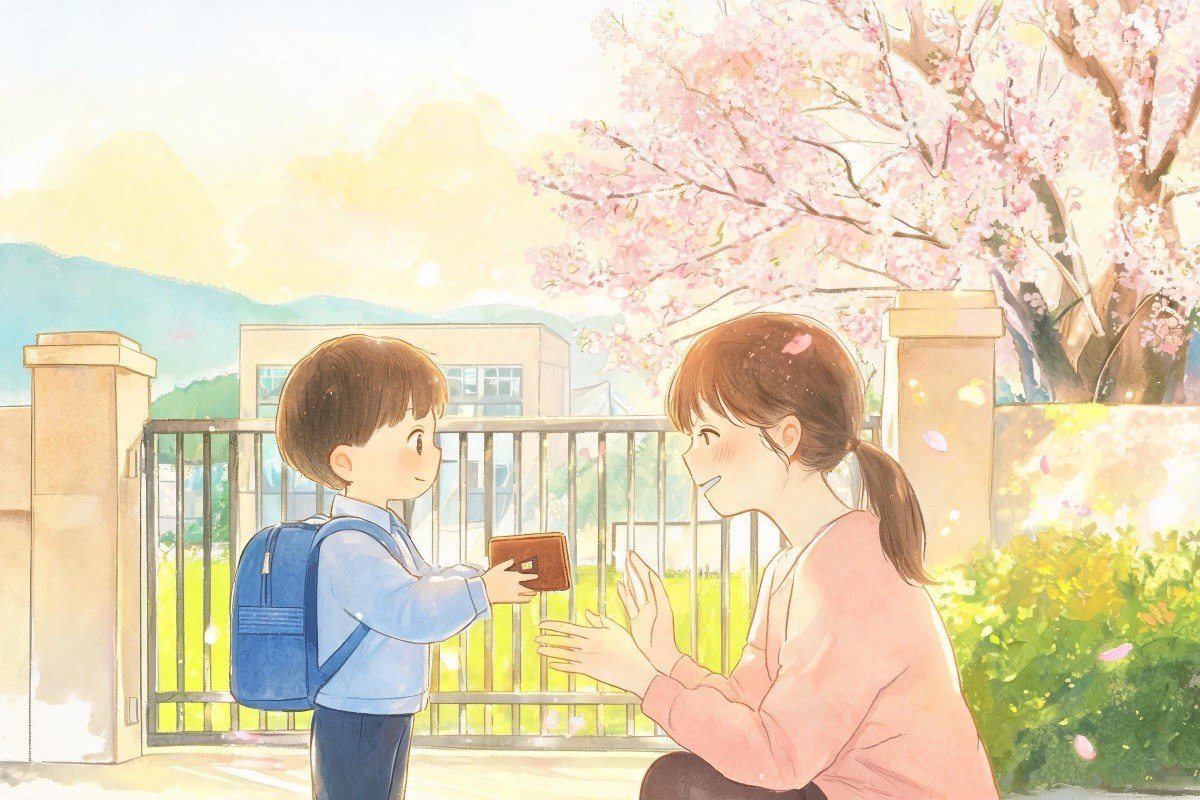
第三处,原文写:「第二天我把书还给他了。」改后是:「第二天一早,我先把书从侧袋里拿出来,抚平折起来的书角,再走到他桌前,双手递过去:『对不起,我说过下周五还,结果拖到第十天。以后我借东西一定记日子。』他接过书笑了:『没事,我还以为你不还了呢。』」原文的「还给他了」是动作交代,改后有了「主动」的过程:先抚平书角,再双手递,道歉里还重复了自己食言的具体天数。题目要求的「主动道歉归还」,就落在这些提前准备的动作里。结尾补一句「从那以后,我的文具盒里多了一张借东西记录条」,改正也有了着落。
三处改完,字数从三百多涨到四百二,正好合题意。孩子自己改的时候,就按这三问自查:约定有没有变成一句话?羞愧有没有变成身体反应?归还有没有加上主动的准备动作?
A Borrowed-Book Essay Before and After: Three Changes That Make Shame Visible
After the method, let us watch a real fourth-grade draft get revised. The original was titled "The Borrowed Book", just over three hundred words. The problem was not the story, which was complete: borrowed, forgot, reminded, returned the next day. The problem sat in three places, and each fix moved the essay forward a big step.
Fix one. The original read: "I borrowed Charlotte's Web from him, agreed to return it in a week. Later I forgot." The revision read: "He hesitated for a moment, then handed me Charlotte's Web: 'Deal, before next Friday.' I thumped my chest and said no problem. In the first week I still remembered, but in week two math tests and class duty piled up, and the book lay in the side pocket of my backpack, unseen and unremembered." The change did two things: it turned the promise into a line of dialogue with a gesture, and 'hesitated' quietly told the reader this was his favorite book; it also broke 'forgot' into the process of week after week, so the forgetting became believable instead of the author taking a shortcut.
Fix two. The original read: "He said the book was due, and I felt very ashamed." The revision read: "He asked, 'Have you finished the book?' My heart dropped, and only then did I remember it had been ten days. My face burned as if left in the sun, I could not look into his eyes, and I mumbled that I would surely bring it tomorrow. On the way home, the side pocket of my backpack seemed to grow heavier and heavier." This is replacing an emotion word with body reactions: burning face, avoiding eyes, mumbling. The last line about the heavy pocket writes a heavy heart without using the word 'ashamed' once, yet the reader feels all of it. Fourth graders need not invent beautiful metaphors; 'my face burned' and 'I could not look at him' are things that really happen, so write from your own sensation.
Fix three. The original read: "The next day I gave the book back to him." The revision read: "Early the next morning, I first took the book out of the side pocket, smoothed the folded corner, walked to his desk, and handed it over with both hands: 'I am sorry. I said next Friday, but it became day ten. From now on I will write down the date whenever I borrow something.' He took the book and smiled: 'It is okay. I thought you would never return it.'" The original merely reported an action; the revision shows the active process: smoothing the corner first, offering with both hands, and repeating the exact number of broken days inside the apology. The 'active apology and return' the title asks for lives in these prepared little actions. A closing line, 'Since then, a borrowing record slip has lived in my pencil case', gives the correction a place to rest.
After three fixes, the essay grew from just over three hundred to four hundred and twenty words, right in range. When children revise on their own, they can ask three questions: Did the promise become a spoken sentence? Did the shame become body reactions? Did the return include active preparation?
小提示:上面此文档内容仅展示完整文档里的部分内容, 若需要下载完整文档请 点击免费下载完整文档 。