文章内容
浇水的学问,爷爷的木瓢教给我的
暑假我在乡下爷爷家,每天最烦的事就是被喊去菜园浇水。一担水从井边挑到地里,肩膀又酸又疼,我浇得越来越潦草,瓢一歪,水泼在地皮上就算完事。直到那天中午,我闯了祸。
那天日头正毒,地烫得能烙饼。我图省事,中午把一桶水哗啦全泼在青菜苗上,想着太阳大,浇完正好凉快。傍晚爷爷去菜园,蹲在地边看了半天,把我喊过去:你看,中午浇了水的这几棵,叶子蔫得贴在地上了。我不信:水不是救命的吗,怎么浇了反而蔫?
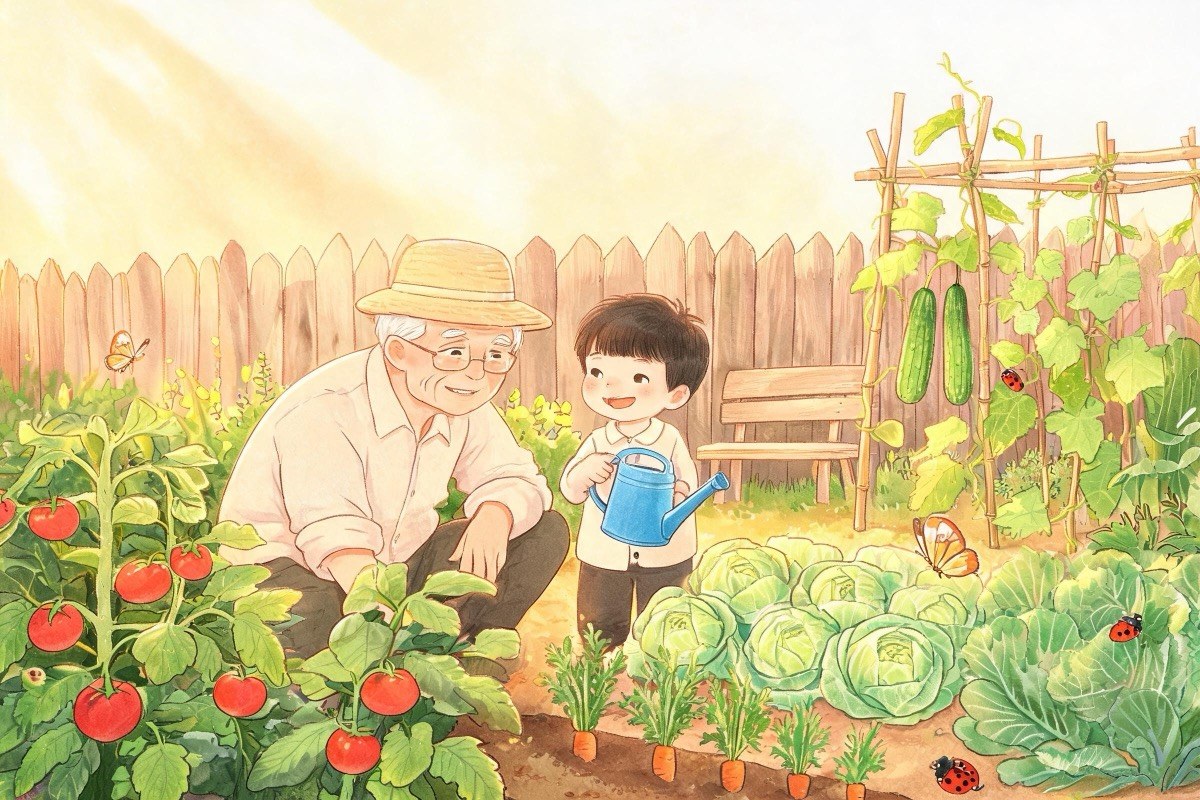
爷爷没直接答,拎起木瓢让我跟他浇一遍地。他先绕着地走,看土的颜色,哪块土发白才浇哪块。他把水浇在菜根边上,不是泼在叶子上,瓢放得很低,水贴着地面慢慢渗。他说:正午地热,冷水一激,根受不了,就像人大热天猛灌凉水也要肚子疼。水要浇在根上,慢慢浇,让它渗下去,泼在叶面上,太阳一晒全蒸了,根还是喝不着。
我照着做。瓢放低,水放慢,浇到第三垄,我看见水在土里洇出一个深色圆,慢慢往下走,土从发白变成发黑。第二天去看,头天蔫的那几棵青菜,叶子又立起来了。我蹲在地边看了好久,心里有种说不出的高兴。
后来整个暑假的浇水活都归我,我再也不中午浇,也不泼叶子。我还学会了看天:连着晴天要浇透,下雨天不用浇,早上浇比晚上好。爷爷说,菜园里的水最诚实,你糊弄它,它就糊弄菜。
开学后同学问我暑假学了什么,我说我学会了浇水。他们笑,浇水谁不会。可我知道这里头的讲究:避开正午、浇根不浇叶、慢水渗深根。这些是课本上没有的。我还明白了一个理:做事不能图快,水泼得再猛,根喝不着等于白浇;看着慢,水却到了最需要的地方。学习原来也是这样,我把它记在心里,一辈子用得上。
The Art of Watering That Grandpa Wooden Dipper Taught Me
During summer vacation I stayed at my grandpa home in the countryside. The thing I disliked most each day was being called to water the garden. Carrying a pole of water from the well to the plot made my shoulders sore, and my watering grew sloppier and sloppier: tilt the dipper, splash the water on the surface, done. Until at noon one day I made a mess of things.
The sun was fierce that day, the ground hot enough to fry a pancake. To save trouble I dumped a whole bucket over the greens at high noon, thinking the big sun would dry it fast and cool things off. In the evening grandpa went to the garden, crouched at the edge for a long look, and called me over: look, these few plants watered at noon have their leaves wilted flat onto the ground. I could not believe it: is not water life-saving? Why would watering make them wilt?
Grandpa did not answer directly. He picked up the wooden dipper and told me to water a round of the plot with him. First he walked around the plot reading the color of the soil, watering only the patches gone pale. He poured the water beside the roots, not over the leaves, holding the dipper low so the water hugged the ground and sank in slowly. He said: at noon the soil is hot, and a shock of cold water hurts the roots, just as gulping icy water on a scorching day gives a person a stomachache. Water goes to the roots, poured slowly so it seeps down; splashed on the leaves, the sun evaporates it all and the roots still drink nothing.
I did as he showed. Dipper low, water slow. By the third row I watched the water spread into a dark circle in the soil and travel downward, the pale earth turning black. The next day the greens that had wilted were standing up again. I crouched at the edge of the plot for a long time, with a joy I cannot name.
For the rest of that summer the watering was mine. I never watered at noon again, and never splashed the leaves. I also learned to read the sky: long clear days need a deep soak, rainy days need none, and morning is better than evening. Grandpa said water in a garden is the most honest thing; fake it, and it will fake the vegetables.
After school started, classmates asked what I learned over summer. I said I learned to water. They laughed: who cannot water? But I know the craft in it: avoid noon, water the roots not the leaves, let slow water reach deep roots. None of this is in textbooks. I also understood one principle: do not rush. No matter how hard you splash, if the roots drink nothing it is wasted; what looks slow still carries water to exactly where it is needed. Learning works the same way. I keep this in my heart, and it will serve me a lifetime.
我在菜园里把韭菜和小麦认全了
要说这个暑假最让我脸红的事,就是在爷爷的菜园里认错了菜。那件事过去两个月了,现在想起来耳朵还会热,可它教会我的东西,比课堂上一整单元都多。
暑假头一个星期,爷爷在菜园里间苗,我蹲在地边帮忙。爷爷递给我一把草让我扔掉,我顺手扯了几棵叶子细长、绿得发亮的,爷爷一看急了:那是我的蒜苗!我扔的是他留作种的好蒜。我犟嘴:这不就是葱吗?爷爷把蒜苗和葱并排放在我手心:你闻。葱是辣的冲的,蒜苗一搓,是那股熟悉的蒜味。我凑近一闻,还真是,两种味道差得远,我以前根本没闻过。
更糗的还在后头。村口田边一片麦苗,我指着喊:爷爷你看你家韭菜长到别人地里了!爷爷笑得直不起腰,拉我蹲下,让我摸叶子的边:麦苗叶子上有细细的绒毛,摸上去涩涩的;韭菜光溜溜,还扁扁的。他又掐断一根韭菜给我看断口,再掐一根麦苗:你看茬口不一样,闻也不一样,韭菜一掐满手都是它的味。
从那天起,爷爷每天带我认三样。香菜和芹菜怎么分——叶子形状和搓一搓的味道;莴笋叶和油麦菜怎么分——一个叶厚带白霜,一个叶薄水灵;萝卜缨和雪里蕻怎么分。我不光看,还按爷爷说的搓叶子、闻断口、摸叶边。一个星期下来,我成了菜园里的认菜小老师,奶奶在灶下喊要根葱,我隔着菜园都能给她指在哪垄。
有天晚上我趴在桌上想,为什么课本上学过植物的叶、茎、根,我却认不出眼前的蒜苗和葱?因为书上的图是死的,菜是活的,味道、手感、断口,图片里全没有。爷爷种了一辈子地,他不识字几本,可他认识每一棵菜,菜一蔫他就知道渴了还是病了。他的本事,是一双手在泥里摸出来的。
开学自然课考到植物的叶和茎,我答得又快又准。可我心里最得意的不是答对题,而是我在菜园里学会了用手摸、用鼻子闻、用眼睛比。书本上的字要落到地上才算数。这个暑假我晒黑了一圈,认全了二十几种菜,还明白一个理:地里的学问也是学问,劳动本身就是学习。
In the Garden I Finally Told Chives From Wheat
The most embarrassing thing of that summer vacation, I would say, was misidentifying vegetables in grandpa garden. Two months have passed, my ears still go hot remembering it, yet what it taught me outweighed a whole textbook unit.
In the first week of vacation, grandpa was thinning seedlings in the garden and I crouched at the edge helping. He handed me a handful of weeds to toss away, and I pulled out a few plants with long slender shining leaves. One look and grandpa panicked: those are my garlic sprouts! What I threw away were the best garlic plants he had kept for seed. I talked back: is not this just scallion? Grandpa laid a garlic sprout and a scallion side by side in my palm: smell them. The scallion is sharp and pungent; rub the garlic sprout and there is that familiar garlic scent. I leaned in and sniffed. He was right; the two smells differ greatly, and I had simply never smelled either closely.
The worse was still to come. By the village road stood a field of young wheat, and I pointed and shouted: grandpa look, your chives have grown into someone else field! Grandpa laughed so hard he could not straighten up. He pulled me down to squat and made me feel the leaf edges: wheat leaves carry fine fuzz and feel rough; chive leaves are smooth and flat. He pinched off one chive to show me the break, then pinched a wheat leaf: see, the broken ends differ, the smells differ; pinch a chive and your hand reeks of it for a while.
From that day grandpa taught me three vegetables a day. How to tell cilantro from celery: leaf shape plus a rub and a sniff. How to tell lettuce leaves from oil wheat greens: one leaf is thick with white bloom, the other thin and watery. How to tell radish tops from mustard greens. I did not just look; following grandpa I rubbed leaves, sniffed broken ends, and felt leaf edges. After a week I was the little vegetable expert of the garden. When grandma called from the kitchen needing a scallion, I could point out which row it grew in across the whole garden.
One evening I lay on the desk wondering: I had learned leaf, stem, and root in class, so why could I not tell garlic sprout from scallion in front of my eyes? Because the pictures in books are still, while vegetables are alive; scent, touch, and the look of a broken end are all missing from a photograph. Grandpa farmed all his life and had little schooling, yet he knew every plant; a leaf wilting told him whether it was thirsty or sick. His skill was made by hands feeling their way in the mud.
On the natural science test about leaves and stems after school started, I answered fast and right. But what I am proudest of is not the answers; it is that in the garden I learned to touch with hands, smell with the nose, and compare with the eyes. Words in a book only count once they touch the ground. That summer I tanned a shade darker, learned to name over twenty vegetables, and understood one principle: knowledge in the field is knowledge too, and labor itself is learning.
小提示:上面此文档内容仅展示完整文档里的部分内容, 若需要下载完整文档请 点击免费下载完整文档 。