文章内容
爷爷菜园里的光荣
敬爱的老师、亲爱的同学们:大家好!我是五年级三班的李小雨。今天我演讲的题目是《劳动最光荣》。
上周末,我站在爷爷家门前的菜园里,手里握着一把小锄头,鞋上沾着泥。今天站在国旗下,我想跟大家说说那座菜园教会我的事。
五一假栽红薯苗那天,早上太阳就已经很晒。爷爷抱着一捆红薯秧走到地里,秧苗像铅笔一样粗,紫绿色,梢头带一点红。爷爷挥锄头挖坑,我跟在后面把秧苗放进去。他教我:秧苗斜着埋进土里三分之二,只让梢头露出地面,它就能扎根。我学着他的样子填土、压实,再提着小桶浇水。半天下来,我的手掌磨出了一条细细的水泡。爷爷看了看我的手说:娃,磨出茧子的手,最体面。
从那以后,我每天早上上学前给菜苗浇一次水,放学后再去拔草。有一次我错把一棵红薯苗当草拔了,急得差点哭出来。爷爷没有骂我,只是蹲下去重新栽好,拍拍土说:苗跟人一样,扎根要时间,你不放弃它就行。
初冬的时候,爷爷掀起秧藤,用锄头一挖,红薯一串一串从土里翻出来,有的胳膊那么粗,有的手指那么细,红紫色的皮上还带着湿土。我坐在田埂上数,那一垄收了三十六个。爷爷擦着汗冲我笑:这就是咱们的手种出来的。
晚上,厨房里全是烤红薯的香味。妈妈说,今年的红薯格外甜。我咬了一大口,真的甜。我知道为什么甜——因为我们的手天天摸过泥土,因为落在田埂上的汗没有白流。
同学们,劳动的光荣并不远,它就在我们的手里。让我们每天都做一件小小的劳动:把课桌擦干净,自己洗袜子,给家里的花浇水,吃完饭帮忙收碗。手动起来,日子就不会懒;每个人的手动起来,我们的教室、我们的家、我们的学校,就会越来越好。
爷爷的菜园不大,却教会了我最了不起的道理——劳动最光荣。让我们一起向爷爷学习,做动手的孩子,把劳动的光荣印在自己的童年里!谢谢大家!
The Glory in the Vegetable Garden of My Grandpa
Dear teachers and fellow students, hello! I am Li Xiaoyu from Class 3, Grade 5. The topic of my speech today is: Labor Is the Most Glorious.
Last weekend, I stood in the vegetable garden in front of my grandpa house, a small hoe in my hand, mud on my shoes. Today, standing under the flagpole, I want to tell you what that garden taught me.
On the day we planted sweet potato seedlings during the May Day holiday, the sun was already strong in the morning. My grandpa carried a bundle of sweet potato vines into the field. The vines were as thick as pencils, purple-green, with a touch of red at the tips. He swung the hoe to dig holes, and I followed behind, dropping the seedlings into them. He taught me to bury two thirds of a seedling sideways in the soil and let only the tip peek out, and it would take root. I copied him: fill the soil, press it firm, then carry a small bucket of water. By the end of half a day, a thin line of blisters rose on my palm. My grandpa looked at my hand and said: child, hands with calluses are the most honorable hands.
From then on, I watered the seedlings once before school in the morning and pulled weeds after school. One time I pulled out a sweet potato seedling by mistake, thinking it was a weed, and I was so worried I almost cried. My grandpa did not scold me. He knelt down, planted it back, patted the soil and said: a seedling, like a person, needs time to take root; it is fine as long as you do not give up on it.
In early winter, my grandpa lifted the vines and dug with the hoe, and sweet potatoes came out of the soil in strings, some as thick as an arm, some as thin as a finger, wet earth still on their red-purple skin. I sat on the ridge and counted: that one row gave us thirty-six. My grandpa wiped his sweat and smiled at me: these were grown by our hands.
That night, the kitchen was full of the smell of baked sweet potatoes. My mother said the sweet potatoes of this year taste especially sweet. I took a big bite, and it was sweet. I know why: because our hands touched the soil day after day, and the sweat that fell on the ridges was not wasted.
Fellow students, the glory of labor is not far away; it is right in our hands. Let us do one small labor each day: wipe our desks clean, wash our own socks, water the flowers at home, help clear the bowls after meals. Hands that move keep days from growing lazy; when everyone moves their hands, our classroom, our homes and our school will grow better and better.
The vegetable garden of my grandpa is small, but it taught me the greatest truth: labor is the most glorious thing. Let us all learn from him and become children who move their hands, and mark our childhood with the glory of labor. Thank you, everyone!
锄头与奖状
老师们、同学们:大家好!我是六二班的陈昊。今天要讲的,是我的同桌周石头,和他爷爷的那片菜园。
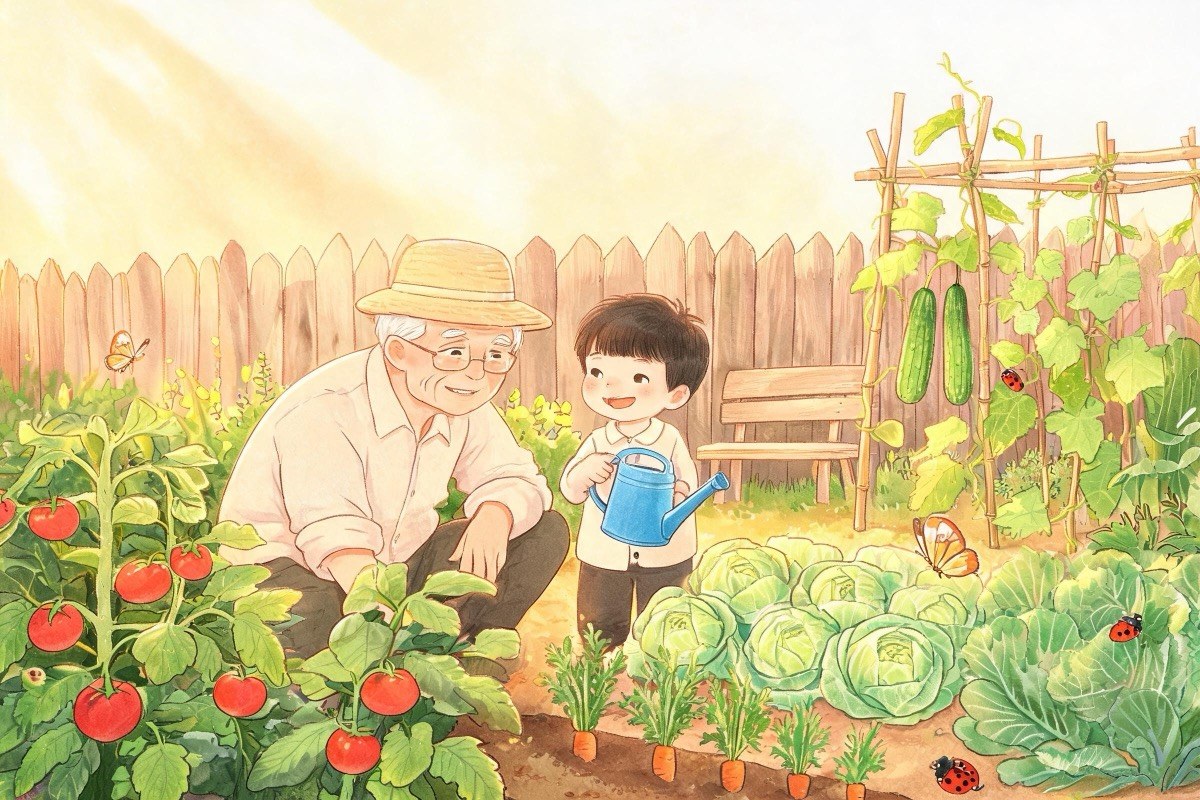
放暑假前,周石头被送到乡下爷爷家。他爷爷的菜园在村后,两亩不到,种着白菜、萝卜、丝瓜和辣椒。石头在电话里跟我们说,他每天五点半就被爷爷叫起来,任务是拔草。他一开始嫌累,拔一会儿就坐到树荫底下。爷爷不催他,自己弯着背,从这头拔到那头,一垄拔完再拔下一垄。
后来石头自己发现了门道:草要连根拔,不然第二天又站起来;早上带露水拔草,土软,根容易出来。他蹲在地里,一垄一垄往前挪,拔满一垄就站起来直直腰。到七月底,他一个人能拔两垄,爷爷挑水也让他搭手,他用小桶,爷爷用大桶,一前一后走在田埂上,水洒出来一半,他也不心疼,回去再挑一遭。
八月底石头回城,我们差点认不出他:脸黑了,胳膊上有了一道晒出来的印子,手心硬硬的。他把一袋子花生和一把干辣椒带到学校,说是他和爷爷一起收的。班会课上,老师请他讲讲暑假。石头站在讲台上说:我以前觉得,饭是锅里长出来的,钱是手机里出来的。在菜园里我才知道,一颗白菜从栽到端上桌,要浇水、捉虫、拔草,要六十多天。爷爷的手上有茧,我的手上也磨出了茧。那个茧,比奖状还让我高兴。
他说完,从口袋里掏出一张皱巴巴的纸,是他爷爷菜园里的记账单:哪天栽的苗,哪天浇的粪,哪天下的雨。他说:爷爷不识字,账记得比谁都清楚,因为每一笔都是汗。
同学们,这就是劳动的样子。它不出声,不喊累,只是每天做一点。今天,我们全班向大家倡议:从明天起,每人每天做一件劳动的小事,自己整理书包,帮家里扫地,照顾一盆植物,坚持二十一天。二十一天以后,我们比一比,谁的手上也有了看不见的茧。
让锄头教我们踏实,让菜园教我们感恩。劳动本身,就是发给每个人的奖状。谢谢大家!
The Hoe and the Certificate
Dear teachers and fellow students: hello! I am Chen Hao from Class 2, Grade 6. Today I want to talk about my deskmate Zhou Shitou and the vegetable garden of his grandpa.
Before the summer vacation, Shitou was sent to the countryside, to his grandpa house. His grandpa garden lies behind the village, less than two mu, planted with cabbage, radish, luffa and chili peppers. Shitou told us on the phone that his grandpa woke him at half past five every morning, and his job was pulling weeds. At first he complained it was tiring and sat under the shade of a tree after a while. His grandpa did not rush him, just kept his back bent, pulling weeds from one end to the other, one row after another.
Later Shitou figured out the trick himself: a weed must be pulled out by the root, or it will stand up again the next day; pulling weeds in the morning dew is easier, because the soil is soft and the roots come out whole. He squatted in the field and moved forward row by row, standing up to straighten his back after each row. By the end of July he could pull two rows alone. When his grandpa carried water, he helped too: he used a small bucket, his grandpa a big one, walking one behind the other along the ridge. Half the water spilled out, and he did not mind; he just went back for another trip.
When Shitou came back to the city at the end of August, we almost did not recognize him: his face was dark, there was a sun line on his arm, and his palms had gone hard. He brought a bag of peanuts and a handful of dried chili peppers to school, saying he and his grandpa had harvested them together. In the class meeting, the teacher asked him to talk about his summer. Standing at the podium, Shitou said: I used to think rice grew inside the pot and money came out of a phone. In that garden I learned that one cabbage, from seedling to dinner table, needs watering, catching insects, pulling weeds, and more than sixty days. My grandpa has calluses on his hands, and now I have one too. That callus makes me happier than any certificate.
After saying this, he took a crumpled piece of paper from his pocket. It was the work record of his grandpa garden: which day the seedlings were planted, which day the fertilizer was carried, which day the rain fell. He said: my grandpa cannot read or write, but he keeps the record clearer than anyone, because every line is sweat.
Fellow students, this is what labor looks like. It makes no noise, never complains, and simply does a little every day. Today, our whole class proposes to everyone: starting tomorrow, each of us does one small labor every day, packing our own schoolbag, sweeping the floor at home, taking care of one plant, and keeping it up for twenty-one days. After twenty-one days, let us see whose hands have also grown a callus that cannot be seen.
Let the hoe teach us to be steady, and let the garden teach us to be grateful. Labor itself is the certificate handed to every person. Thank you, everyone!
小提示:上面此文档内容仅展示完整文档里的部分内容, 若需要下载完整文档请 点击免费下载完整文档 。