文章内容
家长发言稿怎么写:陪孩子走进自然那个夏天的发言结构
家长发言稿和学校里的演讲不一样:台下坐的是老师和别的家长,大家最想听的不是孩子进步了多少名,而是那个夏天到底发生了什么。拿到陪孩子走进自然的那个夏天这个题,先把发言定位成记录,而不是炫耀或者表决心,稿子就不会跑偏。
三个素材按时间顺序排最稳。孩子第一次下水放在最前面,因为它是整个夏天的起点,紧张、犹豫、最后把脚伸进水里,这个顺序本身就带着故事感。一次发现小虾放在中间,它是那次出门的高潮,孩子蹲在石头边看虾的那几分钟,比任何形容词都管用。回家路上的分享收尾,孩子在车上或者饭桌上叽叽喳喳讲溪边的事,正好把话题从现场拉回日常生活,也让听的人看到这段经历留下了什么。
写的时候记住一条:写动作,不写评价。别写孩子特别开心,写他把裤脚卷到膝盖还嫌不够,非要再往深处走一步。别写大自然是最好的课堂,写他蹲在一块石头前二十分钟不肯走,叫你过去看石头缝里的小虾。评价是替听众下的结论,动作是让听众自己得出那个结论,后者永远更打动人。细节不用多,一两个就够,比如带去的酸奶盒扎了三个眼,用来装小虾,这种小东西别人一听就记住。
语气分寸有三条线不要越。第一,不比较。别说别人家的孩子怎样,也别暗示自家孩子以前不如人,家长发言里任何比较都会让在座的家庭不舒服。第二,感悟写自己的变化,不写对孩子的教训。那个夏天被改变的首先是大人:是你学会了蹲下来看石头缝,是你忍住了没说小心点别弄脏衣服。把变化写在自己身上,语气自然谦虚。第三,致谢放结尾,一行就够,感谢学校组织这类活动即可,不要展开成感谢老师辛苦了的全套客套,家长会上别人已经说过的话就跳过。
字数这样分配:开场问候加一句引入约八十字,第一次下水一段约一百八十字,发现小虾一段约两百字,回家路上的分享约一百二十字,自己的变化加致谢约一百二十字,全篇七百字上下,念出来三分钟左右。家长发言宁可短一点,讲满三分钟的比讲满六分钟的更受欢迎。写完出声念一遍,把念着拗口的书面语改成会说的话,比如把此外删掉,把综上所述整个换成那天晚上。
How to Write a Parent Speech: Structuring the Summer You Took Your Child to Nature
A parent speech is different from a school speech. The audience is teachers and other parents, and what they most want to hear is not how many ranks the child moved up, but what actually happened that summer. When you get the topic The Summer You Walked Into Nature With Your Child, first set the speech as a record, not a brag or a pledge, and the draft will not go off track.
Putting the three required scenes in time order is the safest plan. The child entering the water for the first time goes first, because it is the starting point of the whole summer: nervous, hesitating, finally dipping a foot in. The order itself carries the story. The discovery of a small shrimp goes in the middle. It is the peak of that outing, and the few minutes the child squatted by a stone watching the shrimp work better than any adjective. The sharing on the way home closes the speech. The child chattering in the car or at the dinner table about the creek pulls the topic from the scene back to daily life, and lets listeners see what the trip left behind.
While writing, remember one rule: write actions, not evaluations. Do not write that the child was very happy; write that he rolled his cuffs to the knees and still thought it not enough, insisting on one more step into deeper water. Do not write that nature is the best classroom; write that he squatted before one stone for twenty minutes and called you over to look at a shrimp in the crack. Evaluation is a conclusion you draw for the audience; action lets the audience draw it themselves, and the latter always moves people more. Details do not need to be many, one or two is enough, like the yogurt box with three holes poked in it, used to keep the shrimp. Small things like that stick in memory after one hearing.
There are three lines you must not cross on tone. First, no comparing. Do not say how other families children do, and do not hint that your own child used to fall behind. Any comparison in a parent speech makes the families present uncomfortable. Second, write the change in yourself, not a lesson delivered to the child. The one changed by that summer was the adult first: you learned to squat down and look into stone cracks, you held back from saying be careful, do not get dirty. Writing the change on yourself keeps the tone modest by itself. Third, put thanks at the end, one line is enough, thanking the school for organizing such activities. Do not expand it into a full set of polite thanks to the teachers, since at a parent meeting others have already said it.
Split the word budget like this: greeting plus one lead sentence about eighty words in Chinese, the first water entry about one hundred eighty, the shrimp discovery about two hundred, the sharing on the way home about one hundred twenty, your own change plus thanks about one hundred twenty, seven hundred in total, about three minutes when read aloud. A short parent speech beats a long one; three full minutes is more welcome than six. After writing, read it out loud once and turn stiff written phrases into spoken ones, for example delete moreover and replace all in all with that evening.
家长发言稿范文拆解:那个夏天陪孩子站在溪水里
下面这篇范文六百多字,念出来约三分钟,题目就叫那个夏天,我们站在溪水里。逐段看它做了什么,每段后面标出可以借用的手法,注意借的是手法不是句子。
第一段两句话:各位老师、各位家长晚上好。我是小宇的妈妈。学校让我们讲讲暑假里陪孩子走进自然的经历,我想了很久,最后决定就讲一个下午。作用是把题目收窄。家长发言最容易犯的错是什么都想讲,一段里塞满整个假期。范文只留一个下午,后面所有细节都有了归属。可借的句式是最后一句:我想了很久,最后决定就讲一个下午。把收窄这个动作说出来,听众立刻知道接下来听什么。
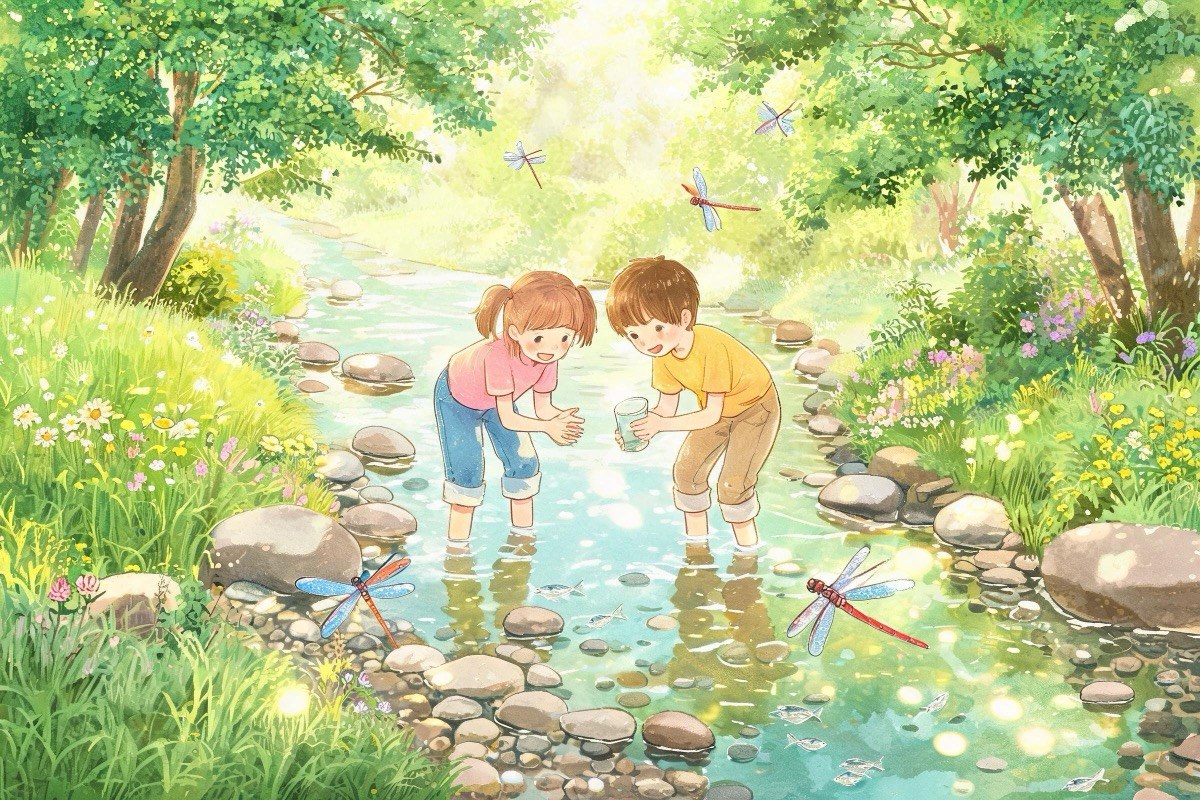
第二段讲第一次下水。溪水深不到膝盖,小宇在岸上站了十分钟,把鞋脱了又穿上,穿上又脱掉。最后是他爸爸先走下去,朝他伸出手,他才慢慢把脚放进水里,放进去就喊凉,喊完没有上来,反而往中间挪了两步。这段没有用一个开心、勇敢、成长,全是动作:脱了又穿上是犹豫,喊凉却不出来是转变。可模仿的地方是让转变更在孩子自己的动作里完成,大人只伸手,不抱他过来。家长发言里大人做得越少,孩子的形象越立得住。
第三段讲发现小虾,是全篇最慢的一段。一块翻过来的石头底下,有一只虾,透明,尾巴一弹一弹。小宇蹲下去,脸几乎贴到水面,回头压低声音叫他爸爸来看,怕把虾吓跑。我们找出一盒喝空的酸奶,用钥匙在盒底扎了三个眼,把虾连水舀进去。这段慢是故意的:全篇其他地方都正常速度,只有这里放慢,听众的注意力自然被拽过去。可借的手法是给一个物件特写,透明、尾巴一弹一弹,两个细节就够。酸奶盒扎三个眼这种具体到数字的东西,比精心准备道具可信十倍。
第四段回家路上的分享,写在公交车上。小宇靠着窗户,从第一站讲到最后一站:虾有几条腿,石头下面还有水蚤,下次要去上游看看有没有螃蟹。他讲给旁边一个不认识的乘客听,讲得比给我们讲还认真。这段的功能是证明经历留下了痕迹,不用你说孩子收获很大,他自己在车上完成了证明。可借的写法是让孩子当讲述者,大人退到记录的位置。
第五段收在自己的变化上:那个夏天之后,我学会的最有用的本事,是忍住不说小心点,别弄脏衣服。然后一行致谢:谢谢学校组织走进自然的活动,这样的下午值得多几个。全篇没有一句感谢老师辛苦了,也没有大自然让孩子成长之类的总结句,结论留给听众自己得出。仿写时最容易照抄出错的是最后两段:别把忍住不说小心点原样搬走,那是这位妈妈的观察,你得找到你自己忍住的那句话。
A Sample Parent Speech Broken Down: That Summer We Stood in the Creek
The sample speech below runs a little over six hundred Chinese characters, about three minutes aloud, titled That Summer We Stood in the Creek. Read it paragraph by paragraph and see what each paragraph does; after each one the borrowable technique is marked, and remember you borrow the technique, not the sentences.
The first paragraph has two sentences: good evening teachers and parents, I am Xiao Yu s mother. The school asked us to talk about taking our children into nature this summer, I thought for a long time, and finally decided to talk about one single afternoon. Its job is narrowing the topic. The commonest mistake in a parent speech is wanting to say everything, cramming a whole vacation into one paragraph. The sample keeps only one afternoon, and every detail later has a home. The borrowable pattern is the last sentence: I thought for a long time and finally decided to talk about one afternoon. Saying the narrowing out loud tells the audience what to listen for.
The second paragraph is the first water entry. The creek was under knee deep. Xiao Yu stood on the bank for ten minutes, took his shoes off and put them on, put them on and took them off. In the end his father walked down first and reached out a hand, and only then did he slowly put a foot in, and the moment it went in he shouted cold, and after shouting he did not come out but moved two steps toward the middle. This paragraph never uses happy, brave or growing up; it is all action: shoes off and on is hesitation, shouting cold yet staying in is the change. The part to imitate is letting the change finish inside the child s own movement; the adult only reaches out a hand, never carries him in. The less the adult does in a parent speech, the stronger the child stands.
The third paragraph, the shrimp discovery, is deliberately the slowest. Under a turned over stone there was one shrimp, transparent, its tail flicking. Xiao Yu squatted, his face almost touching the water, turned back and called his father in a low voice, afraid of scaring it away. We found an empty yogurt box, poked three holes in the bottom with a key, and scooped the shrimp and water in. The slowness is planned: everywhere else runs at normal speed, only here it slows down, and attention is pulled in. The technique to borrow is a close-up on one object: transparent, tail flicking, two details are enough. Something concrete down to a number, three holes in a yogurt box, is ten times more believable than a prepared prop.
The fourth paragraph is the sharing on the way home, on the bus. Xiao Yu leaned by the window and talked from the first stop to the last: how many legs the shrimp has, there were also water fleas under stones, next time we should go upstream to look for crabs. He told it to a stranger sitting next to him, more seriously than he told us. This paragraph proves the trip left a mark without you saying the child gained a lot; he proves it himself on the bus. The borrowable move is letting the child be the narrator while the adult steps back to the role of recorder.
The fifth paragraph closes on the parent s own change: after that summer, the most useful thing I learned was holding back from saying be careful, do not get dirty. Then one line of thanks: thank the school for organizing these trips into nature, afternoons like that deserve more. The whole speech has no line of thanks for the teachers hard work and no summary sentence like nature helps children grow; the conclusion is left for the audience. The place people copy wrong when imitating are the last two paragraphs: do not take hold back from saying be careful as it is. That is this mother s observation; you must find the sentence you held back.
小提示:上面此文档内容仅展示完整文档里的部分内容, 若需要下载完整文档请 点击免费下载完整文档 。