文章内容
溪边夏天演讲稿怎么写:三段结构与口语化改法
班会演讲稿和作文最大的区别是:作文写给眼睛,演讲稿写给耳朵。耳朵抓不住长句子,所以写之前先把三段骨架搭出来:第一段讲一次完整的溪边经历,第二段放大其中一个难忘瞬间,第三段落到一个感悟。三段各司其职,600字左右刚好够。
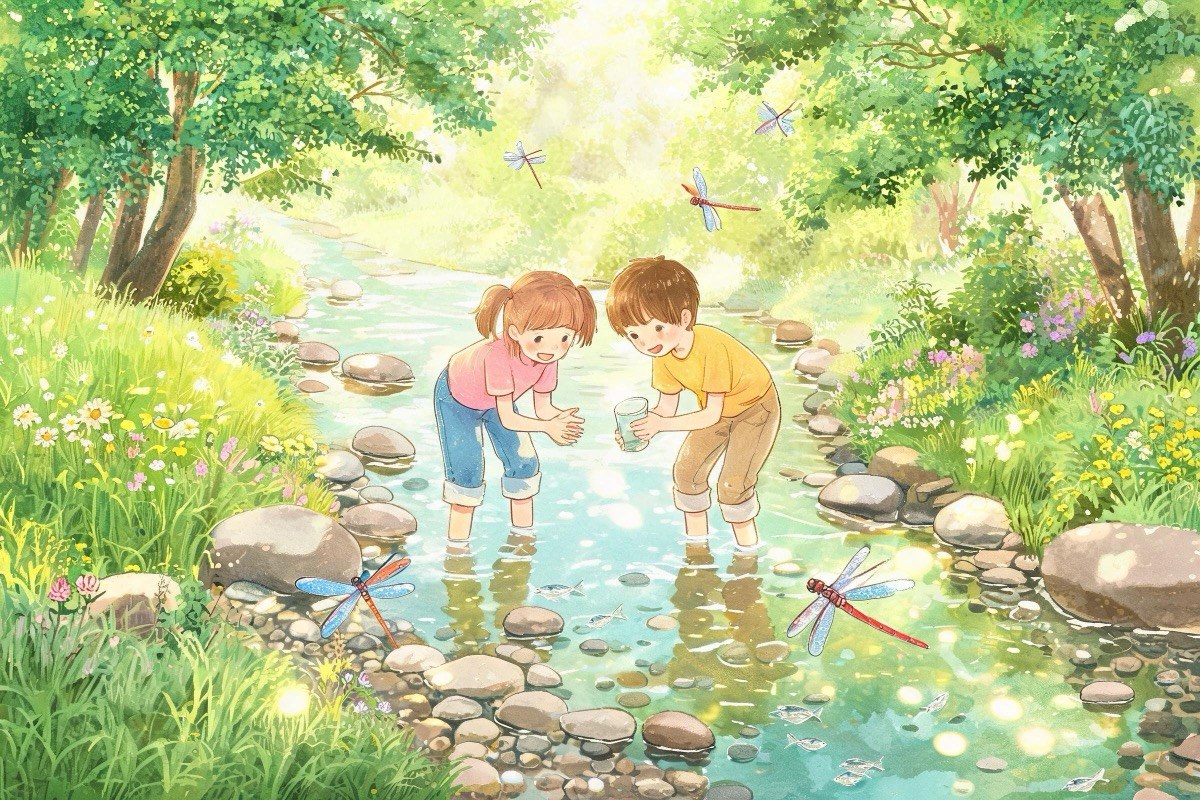
第一段溪边经历,按时间顺序讲,带三样具体的东西:时间、同伴、动作。假设写法是暑假第一个星期,我和表哥去村后的小溪,他脱鞋下水摸虾,我在岸上举着网兜等。时间、地点、人物、动作都有了,听众两秒内进入场景。这一段控制在150到200字,别在风景描写上耗字数。
第二段难忘瞬间,把镜头推到最近。从经历里挑一个十秒钟就能讲完的小事件,放慢讲。假设挑的是表哥脚下一滑、整个人坐进水里那一幕:水花溅起来,他的眼镜挂在鼻尖上,虾没摸到,他自己先笑了。放慢的办法是把十秒拆成五六个短句,一句一个动作,听众的耳朵跟得上。这一段是全篇重心,200字左右。
第三段感悟,只讲一个,别贪多。从瞬间里自然长出来的那种才真实,比如从表哥摔进水里还笑,悟出玩的时候别怕出丑,出丑的部分往往最好笑也最难忘。感悟段100字以内,讲完直接进结尾。
开头称呼要短:敬爱的老师、亲爱的同学们,大家好。然后第一句就跳进场景,别铺垫我的童年有很多趣事这种套话。结尾致谢也短:我的演讲完了,谢谢大家。前后加起来不超过40字。
最后做口语化检查。三个改法:一是把超过20字的长句拆成两个短句;二是把书面词换掉,比如目睹换成亲眼看见、愉悦换成开心;三是加两处和听众的直接对话,比如你们肯定也有过这种时候。改完出声读一遍,读起来不拗口的句子才算合格。
练稿环节补一句:稿子改定后先出声读三遍再背,读的时候用铅笔在稿上标停顿,谁也不服谁后面停半秒,摔进水里后面停一秒。背的时候别逐字背,按三段骨架记,每段记住三个关键词,第一段记时间同伴动作,第二段记滑湿笑,第三段记出丑难忘。台上忘词时按关键词接,比逐字背稳得多。
How to Write a Stream-Side Summer Speech: Three-Part Structure and Spoken-Language Fixes
The biggest difference between a class meeting speech and an essay is this: an essay is written for the eyes, a speech for the ears. Ears cannot hold long sentences, so before writing, build the three-part skeleton: the first part tells one complete experience by the stream, the second part zooms in on one unforgettable moment, and the third part lands on one insight. Each part does its job, and around 600 words is just enough.
For the first part, tell the stream experience in time order with three concrete things: when, who, and what actions. A sample opening: in the first week of summer vacation, my cousin and I went to the little stream behind the village; he took off his shoes and waded in to feel for shrimp while I stood on the bank holding the net. Time, place, people and actions are all there, and the audience enters the scene in two seconds. Keep this part at 150 to 200 words and do not waste words on scenery.
The second part pushes the camera to its closest. Pick one small event from the experience that takes ten seconds to tell, then slow it down. Suppose the pick is the moment my cousin slipped and sat straight into the water: the splash rose, his glasses hung on the tip of his nose, he caught no shrimp, and he laughed first himself. The way to slow down is splitting ten seconds into five or six short sentences, one action each, so ears can follow. This is the center of the speech, around 200 words.
The third part carries only one insight, no greed. It must grow naturally from the moment, like learning from my cousin laughing in the water: when you play, do not fear looking foolish, because the foolish parts are often the funniest and most unforgettable. Keep the insight under 100 words, then go straight to the ending.
The opening greeting stays short: dear teachers, dear classmates, hello everyone. Then the first sentence jumps into the scene, without padding like my childhood has many interesting stories. The closing thanks stay short too: that is the end of my speech, thank you. Front and back together should not exceed 40 words.
Finally run a spoken-language check with three fixes: split any sentence longer than 20 words into two short ones; replace written words, like swapping witnessed for I saw with my own eyes, or delightful for happy; add two direct talks to the audience, like you must have had moments like this too. Read it aloud once; only sentences that roll off the tongue pass.
One more note on rehearsal: after the script is final, read it aloud three times before memorizing, and mark pauses in pencil while reading — half a second after neither would admit it, one second after falling into the water. Do not memorize word by word; memorize by the three-part skeleton, three keywords per part: for part one remember when, who, actions; for part two remember slip, soaked, laughed; for part three remember embarrassment, unforgettable. On stage, when the mind blanks, continue from the keywords, which is far steadier than word-by-word recall.
一篇600字范文逐段拆解:《那个夏天教会我的事》
先看范文开头:敬爱的老师、亲爱的同学们,大家好。今天我想讲一条小溪,和它教会我的事。拆解:称呼之后第一句直接点名小溪,没有童年像沙滩上贝壳这种套话,全班两秒内知道你要讲什么。上台时这句要看着大家说,别低头念。
经历段范文:去年七月,爸爸带我去镇外的小溪。那天太阳大得吓人,溪水却凉。我们比赛谁捡的石头最圆。爸爸捡了一块灰的,我捡了一块白的,谁也不服谁。拆解:大得吓人、凉、比石头,三个细节撑起一段,谁也不服谁带出父子间的轻松。这段语速可以快一点,像在跟朋友聊天。
瞬间段范文:我为了赢,往深水那边挪了一步。脚底一滑,屁股坐进了溪里。裤子全湿了,白石头沉进水里不见了。我愣在原地,爸爸没扶我,反而举起手机拍。水凉,我更想哭。他拍完才伸手,说一句:记住这个滑,下次就知道哪儿危险。拆解:挪、滑、坐、沉、愣、拍,六个动词一句一个,这就是放慢十秒钟。重音落在没扶我反而举起手机,听众在这里会笑,笑完留出两秒停顿再接下面的话。
感悟段范文:那个夏天教会我的事,不是要小心,因为小心这个词太轻了。它教我的是一种记法:身体记住的滑,比耳朵听一百遍小心都牢。后来我走过很多条路,哪块石头会滑,脚底先知道。拆解:感悟没有喊口号,而是把瞬间里的话翻深一层,先否定小心,再给出身体记住的滑这个说法。这段要放慢,每句之间留半秒。
致谢段范文:我的演讲完了,谢谢大家。拆解:八个字,说完鞠一躬,别加让我们珍惜童年吧这种尾巴。整篇背下来大约两分半,练的时候掐表,超过三分钟就砍经历段的细节,别砍瞬间段。
仿写要点收束:把范文里的爸爸换成表哥或同学,把捡石头换成摸鱼或打水漂,把滑进水里换成你自己的那一次出丑,骨架和停顿位置原样保留,这就是一篇新稿。范文只借结构不借句子,借句子会变成背别人的故事,听众一听就不信。
A 600-Word Sample Speech Taken Apart: What That Summer Taught Me
First the sample opening: dear teachers, dear classmates, hello everyone. Today I want to talk about a little stream, and what it taught me. Breakdown: right after the greeting the first sentence names the stream, no cliché like childhood is a bag of seashells, and the class knows your topic within two seconds. On stage, say this line looking at the audience, not down at the paper.
The experience paragraph: last July, my dad took me to a stream outside town. The sun that day was frighteningly big, but the water was cold. We had a contest for the roundest stone. He found a gray one, I found a white one, and neither would admit the other won. Breakdown: frighteningly big, cold, the stone contest — three details hold up the paragraph, and neither would admit it brings out the easy ease between father and son. This part can run a little fast, like chatting with a friend.
The moment paragraph: wanting to win, I took one step toward the deep side. The sole slipped, and my whole body sat into the stream. My pants were soaked, the white stone sank and vanished. I stood frozen. Dad did not help me up; he raised his phone and took a picture. The water was cold, and I was about to cry. Only after the photo did he reach out a hand and say: remember this slip, next time your feet will know where the danger is. Breakdown: stepped, slipped, sat, sank, froze, photographed — six verbs, one per sentence, that is how ten seconds get slowed. Put the stress on did not help me up, he raised his phone instead; the audience will laugh there, so leave two seconds of pause before continuing.
The insight paragraph: what that summer taught me was not be careful, because careful is too light a word. What it taught is a way of remembering: a slip your body remembers holds firmer than hearing careful a hundred times with your ears. Later I walked many roads, and when a stone was about to slip, the soles of my feet knew first. Breakdown: the insight refuses a slogan; it deepens the sentence from the moment, first denying careful, then offering the body remembers slips. Slow this part down, half a second between sentences.
The closing: that is the end of my speech, thank you. Breakdown: eight words, bow once after saying it, and do not tack on let us cherish our childhood. The whole speech takes about two and a half minutes from memory; when practicing, use a timer, and if it runs over three minutes, cut details from the experience paragraph, never from the moment paragraph.
Closing note on imitation: swap the dad in the sample for a cousin or classmate, swap the stone contest for catching fish or skipping stones, swap the slip into water for your own embarrassing moment, and keep the skeleton and the pause positions exactly as they are — that makes a new speech. Borrow structure from the sample, never its sentences; borrowed sentences turn into reciting someone else story, and audiences stop believing the moment they hear it.
小提示:上面此文档内容仅展示完整文档里的部分内容, 若需要下载完整文档请 点击免费下载完整文档 。