文章内容
三步写出完整的救小鱼故事
写救小鱼的小故事有个三步法:第一步搭骨架,第二步填三个情节点,第三步补动作细节。三步走完,故事就完整了。
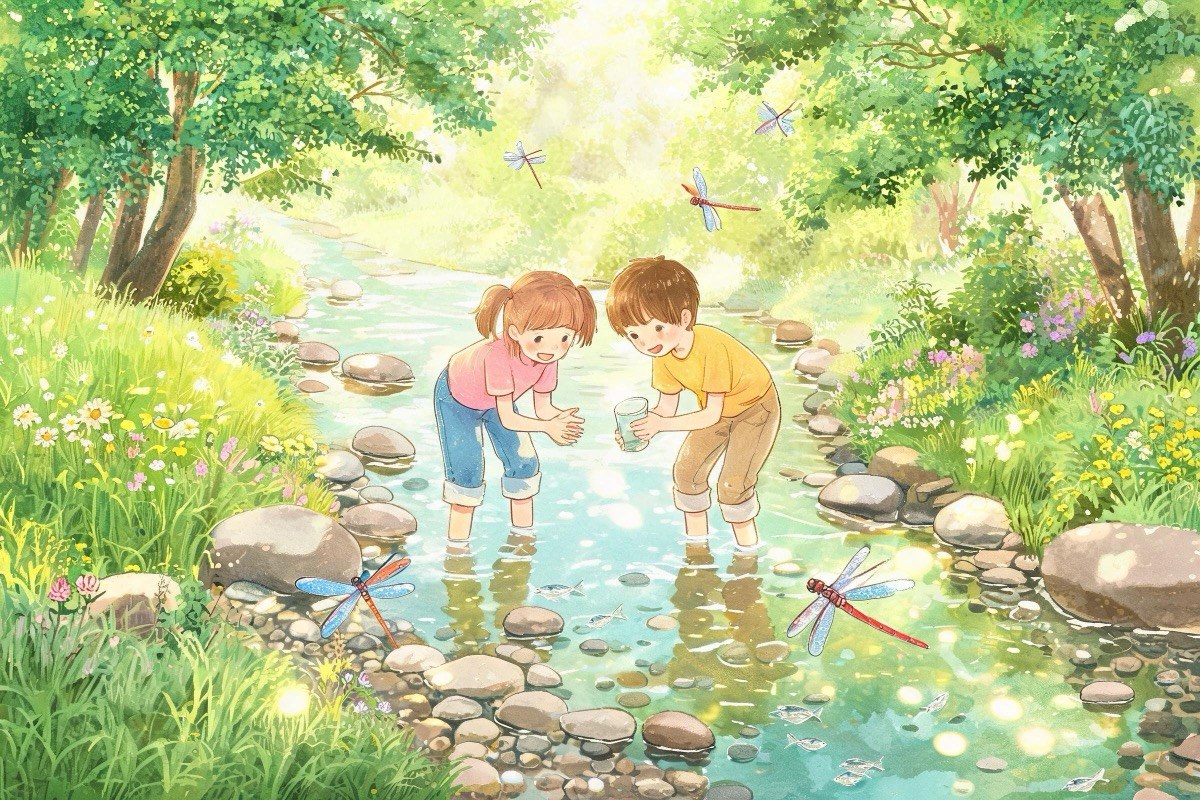
骨架就是起因、经过、结果。起因一两句话就够,比如夏天午后连续几天没下雨,我跟表哥去村后的小溪捉虾。时间和地点交代清楚就行,不要写风景长段。经过是主体,要占全文一半左右。结果是小鱼游走加一句自己的反应,两三句收尾。搭骨架时可以拿三张纸条,一张写起因一句话,一张写经过里必须出现的三个场面,一张写结果一句话,纸条排好顺序再动笔,写到一半不会跑偏。
三个情节点必须都在,缺一个故事就断了。溪边发现小鱼,要写发现的过程:先看见石缝间一小洼水,再看见尾巴露在外面,最后看见嘴巴一张一合。三层递进,读者跟着你一起发现。捧回水中,要写动作链:蹲下去、两只手拢成小碗、轻轻捧起、走回溪里、把手泡进水里松手。五个动作按顺序写,一个都不能跳。小鱼游走,要写它的反应:先一动不动,停一秒,尾巴一摆钻进石头底下。游的动作写清楚,善良才算有了着落。
动作细节决定故事活不活。同样写捧起小鱼,我把小鱼捧起来没有画面,小鱼滑得像抹了肥皂,差点从指缝溜走,就有画面了。写紧张别写我心里很紧张,写手有点抖,捧了两次才捧起来,紧张自己就出来了。细节从哪来?回想自己做每件事时手、眼睛、皮肤的感觉,照着写就行。比如水凉不凉、泥腥不腥、鱼尾巴扫手心痒不痒,这三样几乎每个在溪里玩过的人都有印象,写出来读者立刻信。
写完按三步检查:骨架齐不齐,三个情节点在不在,每个情节点有没有动作细节。三样都有,这篇小故事就过关了。过关之后可以再读一遍,凡是删掉也不影响理解的句子,一律删掉,故事会更紧。字数不够时别灌水,回到动作链里多加一个动作就行,比如捧起前先拨开泥,松手后手心留下一点滑腻。
Three Steps to a Complete Story About Saving a Little Fish
Saving a little fish in a short story takes three steps: build the frame first, then fill in the three plot points, then add action details. Finish all three and the story is complete.
The frame is cause, course and result. One or two sentences are enough for the cause: on a summer afternoon, after days without rain, my cousin and I went to the little stream behind the village to catch shrimp. Just state the time and place; do not write a long scenery paragraph. The course is the main part and should take about half the story. The result is the fish swimming away plus one line of your own reaction, two or three sentences to close. When building the frame, use three slips of paper: one line for the cause, one list of the three scenes that must appear in the course, one line for the result. Put the slips in order before writing, and the story will not wander halfway through.
All three plot points must be there; miss one and the story breaks. For finding the fish by the stream, write the process of discovery: first a small pool of water between the stones, then a tail sticking out of the mud, then a mouth opening and closing. Three layers of detail, and the reader discovers it with you. For carrying it back, write the chain of actions: squat down, cup both hands into a small bowl, lift it gently, walk back into the water, sink your hands and let go. Five actions in order, skip none. For the fish swimming away, write its reaction: it stays still first, pauses one second, then flicks its tail and darts under a stone. Only when the swimming is clear does the kindness land.
Action details decide whether the story lives. Compare I lifted the fish with no picture in the reader mind, and The fish was slippery as if covered in soap and almost slid through my fingers. For nervousness, do not write I felt very nervous; write My hands shook a little and it took two tries to lift it. Where do details come from? Recall how your hands, eyes and skin felt while doing each thing, and write that down. Whether the water was cool, whether the mud smelled fishy, whether the tail tickled your palm: almost everyone who has played in a stream remembers these three, and writing them makes the reader believe at once.
When you finish, check the three steps: is the frame complete, are all three plot points there, does each plot point have an action detail. If all three answers are yes, this short story passes. Then read it once more and delete every sentence whose removal changes nothing; the story will run tighter. If the word count falls short, do not pad; add one more action to the chain, like parting the mud before lifting, or the slick film left on your palm after letting go.
一篇400字救小鱼范文的逐段点评
假设一篇范文叫《石缝里的一洼水》,第一段写:暑假回乡下,连着十几天没下雨,午后我跟着表哥去村后的小溪翻石头捉虾。点评:两句话把时间、地点、人物、来做什么都交代完了,没有一句废话,这是起因段的标准写法。
第二段写:走到一处大石头边,石缝间剩着一洼浑水,比脸盆还小。水快见底了,一条小鲫鱼侧躺着,半个身子露在泥外,嘴巴一张一合,鳃盖动得越来越慢。点评:发现的过程分三层,先看见水洼,再看见鱼,再看见嘴巴和鳃盖。越来越慢四个字让读者着急,但没有直接喊救命,这是范文最聪明的地方。另外比脸盆还小这个对比选得好,用的是孩子生活里见过的东西,换成面积很小就平庸了。
第三段写:我蹲下去,两只手拢成碗,先把小鱼连泥带水舀进手心,它滑得抓不住,我赶紧两只手合紧。表哥在前面喊快点。我小跑回溪里,蹲下,把整个手泡进水里,手心朝上,慢慢张开。点评:这一段是全文重心,舀、滑、合紧、小跑、泡、张开,六个动作连着写,中间还插了一句表哥的喊声,节奏就紧了。手泡进水里再松手这个细节尤其好,说明孩子真的懂怎么放鱼。
第四段写:小鱼停了一秒,尾巴一摆,钻进石底的水草里不见了。我在溪里站了好一会儿,脚边的水凉凉的。点评:结果段先写鱼的三个动作:停、摆、钻。最后一句脚边的水凉凉的,用皮肤感觉收尾,比写我今天做了好事高明得多。
这篇范文还能更好吗?有一处可以改:第二段如果加一句我看看天,太阳还明晃晃的,就能把水洼为什么会热、鱼为什么撑不住交代得更足。改动只加十几个字,因果更结实。整体看,这篇故事赢在动作顺序,不赢在词藻。自己写完也可以照这个办法逐段标动作,数一数每段有几个动词,动词密的地方就是写得好。范文里鱼、表哥、我三个角色各干各的事,谁也没替谁动手,这也是它能立住的原因之一。
A 400-Word Sample Story Annotated Paragraph by Paragraph
Suppose a sample story is titled A Pool in the Stone Crack. The first paragraph says: during summer vacation I went back to the countryside, and after more than ten days without rain, my cousin and I went behind the village to turn stones in the little stream for shrimp. Comment: two sentences finish time, place, people and purpose, with no wasted words. That is the standard cause paragraph.
The second paragraph says: near a big stone there was a muddy pool in a crack, smaller than a washbasin. The water was almost gone. A small crucian carp lay on its side, half its body out of the mud, its mouth opening and closing, its gill covers moving slower and slower. Comment: discovery has three layers, first the pool, then the fish, then the mouth and gills. The phrase slower and slower makes the reader anxious without shouting help. That is the smartest part of the sample. The comparison smaller than a washbasin is also well chosen, using an object from a child life; saying very small would be flat.
The third paragraph says: I squatted, cupped my hands into a bowl, scooped the fish with muddy water into my palm, it was too slippery to hold, so I pressed my hands tighter. My cousin shouted from ahead to hurry. I trotted back into the stream, squatted, sank my whole hands into the water, palm up, and opened them slowly. Comment: this is the center of the story. Six actions in a row, scoop, slip, press, trot, sink, open, with one shout from the cousin inserted to tighten the rhythm. Sinking the hands before letting go is a great detail; it shows the child really knows how to release a fish.
The fourth paragraph says: the fish stayed still one second, flicked its tail, and vanished into the weeds under the stone. I stood in the stream for a while, the water around my feet cool. Comment: the result gives three fish actions, pause, flick, dart. The last line about cool water at the feet ends with a skin feeling, far better than I did a good thing today.
Can it be better? One spot can improve: if the second paragraph added I looked up, the sun was still blazing, the story would explain why the shallow pool heated up and why the fish could not last. A dozen extra words make the cause and effect stronger. Overall this story wins on action order, not on fancy words. After writing your own, mark the actions paragraph by paragraph and count the verbs in each; the paragraphs with dense verbs are the good ones. In the sample the fish, the cousin and the narrator each do their own thing, and nobody acts for anyone else, which is another reason the story stands.
小提示:上面此文档内容仅展示完整文档里的部分内容, 若需要下载完整文档请 点击免费下载完整文档 。