文章内容
家长视角的爬山随笔怎么写:走走停停、看蚂蚁、山顶分食的节奏安排
家长视角的爬山随笔,最忌写成育儿讲座。感悟要像随笔,不像讲稿,分寸全在三个场景的节奏里。孩子走走停停、蹲下看蚂蚁、山顶一起吃东西,这三个场景各有分工,写之前先想清楚各自负责什么。
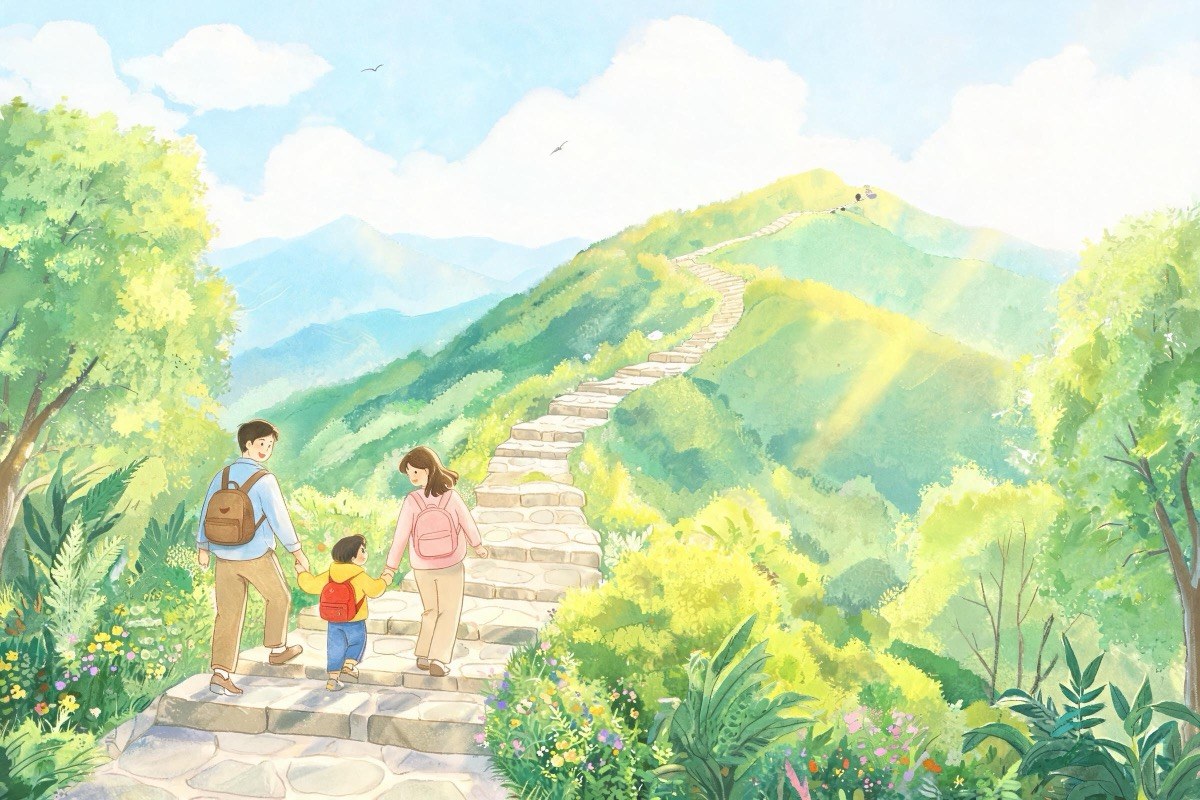
走走停停负责立节奏。大人的爬山是一条直线,从山脚到山顶;孩子的爬山是一串点,停在小溪边,停在半块砖头前,停在一截枯木上。写这个场景要把停的地方写具体,最好写出大人当时的反应,看表,催促,又不得不站住。这个不耐烦要如实写,别装,家长读者看到真实的催促才会点头,后面的转变才有起点。
路边看蚂蚁负责立停留。孩子蹲在路边看蚂蚁搬家,大人站在旁边等,这个等是全文最要紧的一分钟。写法是把大人的视角慢慢调过来:先写腿上的站麻,写忍不住想拉孩子走,再写顺着孩子的目光看过去,蚂蚁排着队,扛着比身子大的碎屑。大人终于看懂孩子在看什么的那一下,就是全文的转折点,不用评论,写看懂本身就够了。
山顶一起吃东西负责收束。面包掰开分着吃,水壶递来递去,孩子说下次还来。这个场景要写小,不写风景多美,写手上的面包屑、孩子嘴角的果酱。感悟押到最后两三句,从场景里轻轻带出来:孩子爬山从来不为登顶,他们一路都在收集风景,大人跟着慢下来,等于重新学一遍看。点到为止,不展开论证。
语气上记住三条:少用感叹号,不用教育类术语,不替孩子总结收获。温和不是词藻软,是承认自己也在学习,看表的手和蹲下的腿都是真的,文章才可信。
写完通读一遍,检查有没有哪一段站到了讲台上。只要有一段在教家长该怎么做,就把那段改成当时自己的狼狈或笨拙。随笔的感悟是承认,不是指导,这个分寸拿稳了,这类文章就立住了。家长读者真正想看的不是标准答案,而是和自己一模一样的犹豫与转变。
Writing a Parent-Perspective Hiking Essay: Pacing the Stops, the Ants and the Summit Snack
A parent-perspective hiking essay must not turn into a parenting lecture. The reflection should read like an essay, not a script, and the measure of it lives in the pacing of three scenes. A child stopping often, crouching over ants, sharing food on the summit, each scene has its own job, and you should know what each carries before writing.
The frequent stops set the rhythm. An adult hike is a straight line from foot to summit; a child hike is a string of dots, a pause by the creek, a halt before half a brick, a stand on a fallen log. Make the stopping places concrete, and write the adult reaction honestly, checking the watch, urging, then standing still anyway. Keep the impatience real, do not pretend, parent readers nod at true urging, and only then does the later turn have a starting point.
The ants by the road set the pause. The child crouches to watch ants carrying things; the adult stands waiting, and that waiting minute is the hinge of the essay. Slowly tilt the adult gaze on the page: first the legs going numb, the urge to pull the child along, then following the child eyes to see ants in line, hauling crumbs bigger than themselves. The moment the adult finally sees what the child sees is the turning point, no comment needed, the seeing itself is enough.
Sharing food on the summit closes the piece. Bread broken in half, a bottle passed back and forth, a child saying let us come again next time. Write it small, not how grand the view is, but crumbs on hands, jam at the corner of a mouth. Hold the reflection to the last two or three sentences, lifted gently from the scene: children never climb for the summit, they collect scenery all the way, and an adult who slows down is relearning how to look. Touch it and stop, do not argue it.
On tone, remember three rules: few exclamation marks, no education jargon, no summarizing gains for the child. Gentle is not soft wording; it is admitting you are also learning, with both the watch-checking hand and the crouching legs being real, and only then is the essay believable.
Reread when done and check whether any paragraph has climbed onto a podium. If a paragraph teaches parents what to do, rewrite it into your own clumsiness of the moment. The reflection of an essay is an admission, not an instruction; hold that line and this kind of piece stands.
一次真实爬山随笔的复盘:我在哪三处差点写成了说教
一位家长写完陪孩子爬山的随笔,自己念了一遍,觉得不对劲,像写给家长会发言稿。他把稿子拿出来逐段复盘,三处毛病正好是所有家长写这类文章最容易踩的,值得借来看。
第一处在开头。原稿第一句是陪伴是最好的教育,孩子不催自长。他复盘时说,这句话写的时候很得意,念出来才发现,道理放在第一句,后面所有细节都成了给道理打工的。修改办法是把这句删掉,从那天早上孩子系鞋带系了三遍开始写。系鞋带这个细节是他本来想略过的,略过它恰恰是毛病,因为大人自己也在赶路,连出门都在赶。
第二处在蚂蚁段。原稿写孩子蹲着看蚂蚁,他顺手加了一句,孩子对世界充满好奇,我们要守护这份好奇。复盘时他自己笑了,说写的时候真觉得自己是教育专家。这句的毛病是把观察直接兑换成了口号。修改办法是只留动作,他蹲下去陪孩子看,膝盖着地那一刻才看清蚂蚁在搬一截翅膀,孩子说蚂蚁也在爬山。把孩子的原话放回去,比任何守护好奇都有力。
第三处在结尾。原稿列了三条收获,第一锻炼了身体,第二磨炼了意志,第三增进了感情。这是检讨式结尾,三条全删,换成山顶分橘子的画面,孩子把最大的一瓣塞给他,自己吃最小的,然后说一句橘子真甜。复盘的结论是,收获清单是写给别人看的,橘子是当时真的发生的,随笔只留真的。
三处改完,全文一个道理词都没有,陪伴的意思反而处处都在。这位家长的复盘笔记里写着一句话,可以贴在每个写随笔的人桌上:凡是想写我们应当的地方,停下来,改写成我当时做了什么。
这个例子对家长和老师读者的用处在于,说教不是大毛病,是顺手的小毛病,人人都会犯,区别只在写完肯不肯念一遍。念一遍,讲台腔自己会现形。
Reviewing a Real Hiking Essay: Three Places Where It Almost Became Preaching
A parent finished an essay about hiking with a child, read it aloud once, and felt wrong, like a speech for a parents meeting. He took the draft apart paragraph by paragraph, and the three flaws happen to be the ones every parent writing this kind of piece is most likely to step on, worth borrowing as a warning.
Flaw one sits in the opening. The first line read: companionship is the best education, children grow without being pushed. He recalled feeling proud writing it, only to find that with the lesson in sentence one, every detail after became its unpaid worker. The fix was deletion, starting instead with the child tying shoelaces three times that morning. He had meant to skip that detail, and skipping it was itself the flaw, because adults rush too, even out the door.
Flaw two sits in the ant paragraph. The draft had the child crouching over ants, and he added on autopilot: children are full of curiosity about the world, we must protect that curiosity. Reviewing it, he laughed at having written like an education expert. The flaw is trading observation directly for a slogan. The fix keeps only action: he crouched down to join the watching, and only when his knee touched ground did he see the ants carrying a piece of wing, and the child said the ants are climbing a mountain too. Putting the child words back is stronger than any talk of protecting curiosity.
Flaw three sits in the ending. The draft listed three gains, body trained, will strengthened, bond deepened. This is a self-criticism ending. All three lines went, replaced by the image of sharing an orange on the summit, the child pushing the biggest segment into his hand and taking the smallest, then saying the orange is sweet. His review note concluded that gain lists are written for others to see, while the orange actually happened, and an essay keeps only what happened.
After three fixes, the piece contains no lesson-words, yet companionship is everywhere in it. One line in his review notes could be taped to every essayist desk: wherever you feel like writing we should, stop and rewrite it as what I did.
The use of this example for parent and teacher readers is that preaching is not a grand flaw but an easy small one everyone commits; the difference is whether you dare read the draft aloud once. Read it aloud, and the podium voice shows itself.
小提示:上面此文档内容仅展示完整文档里的部分内容, 若需要下载完整文档请 点击免费下载完整文档 。